Western Honey Bee
Apis mellifera
🍽️ HerbivoreModern life
Physical Characteristics
🍽️
DietHerbivore
📏
Size0.01~0.02m
⚖️
Weight0.00008~0.00025kg
🪽
Wingspan0.025m
Classification
FAM
FamilyApidae
ORD
OrderHymenoptera
GEN
GenusApis
SP
SpeciesA. mellifera
Apis mellifera
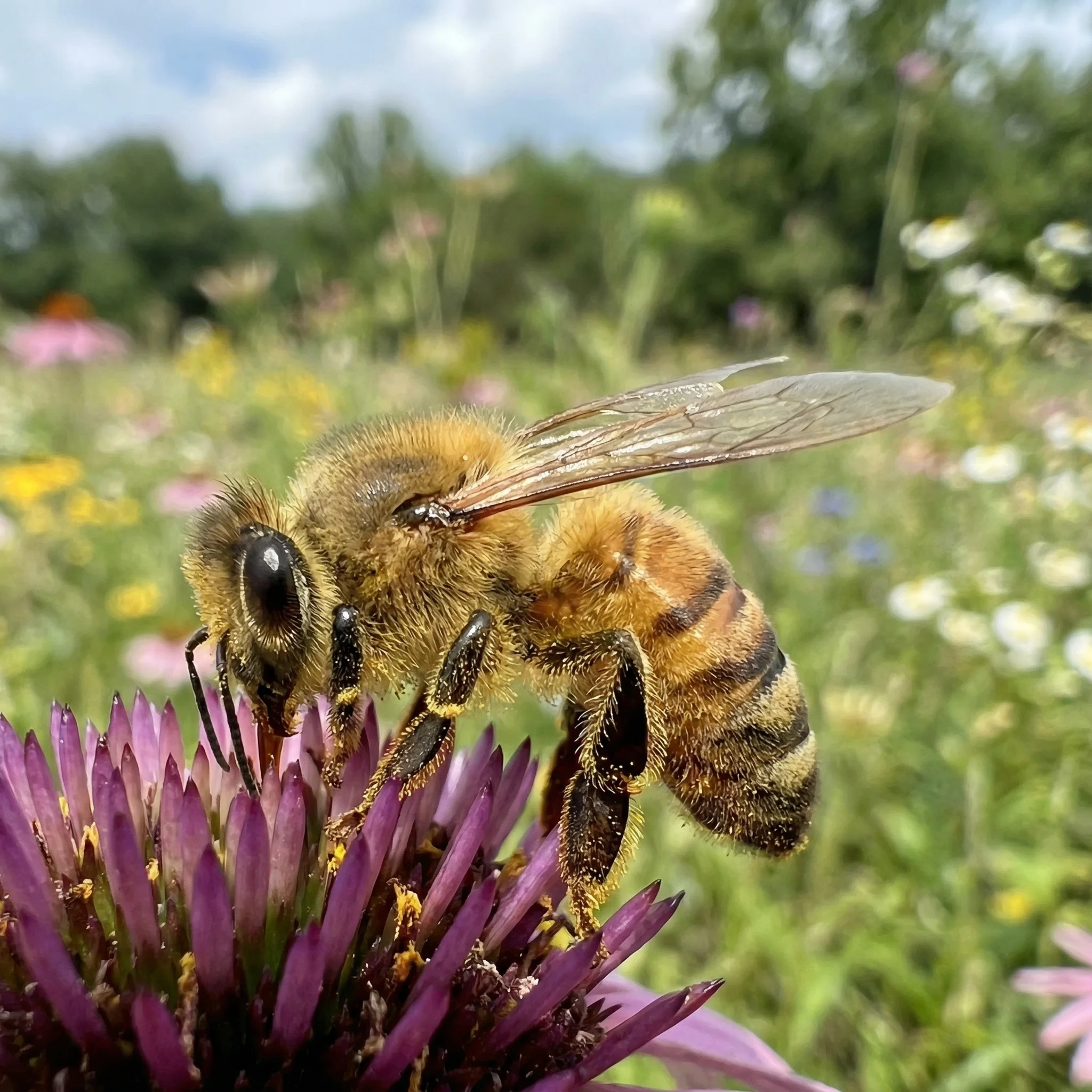
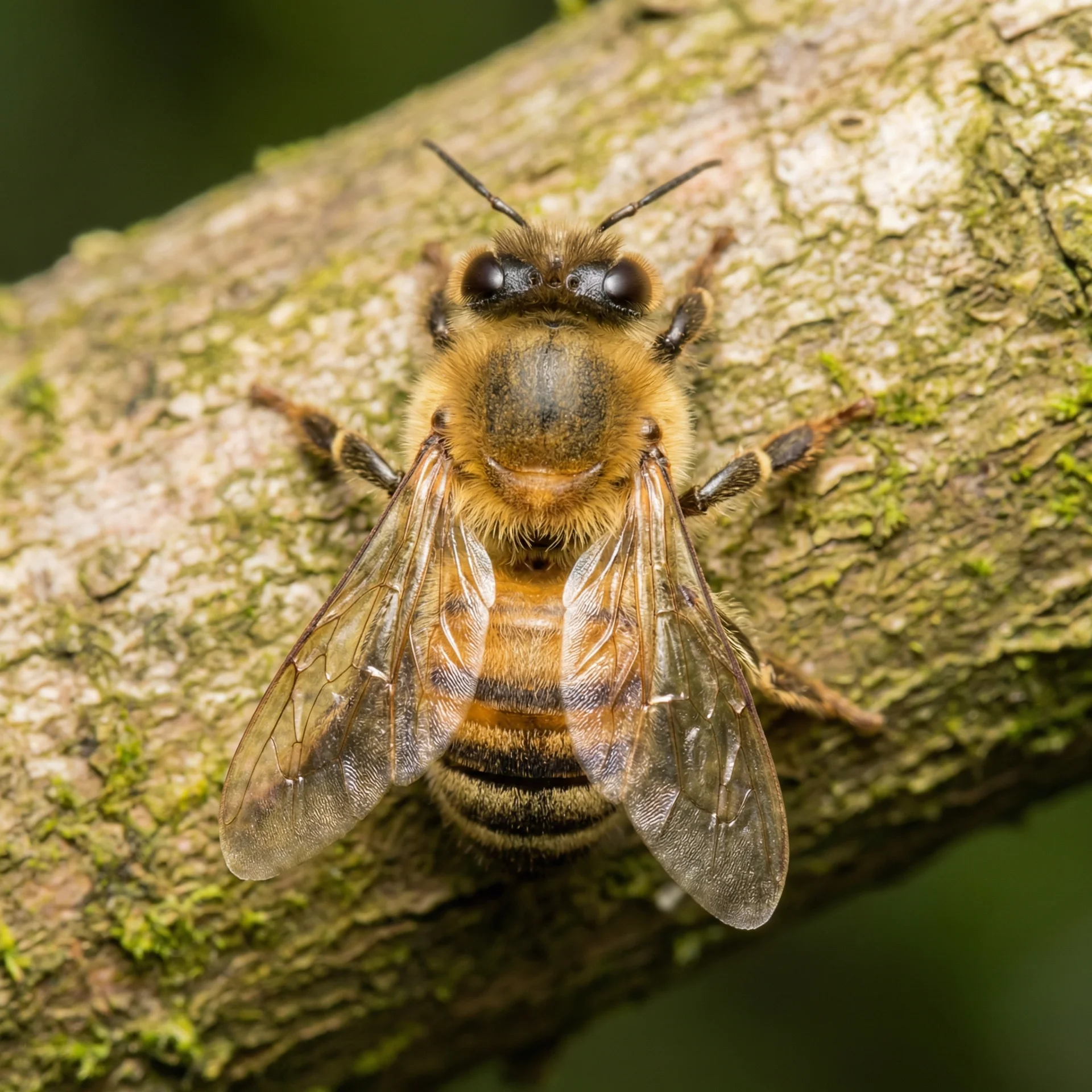
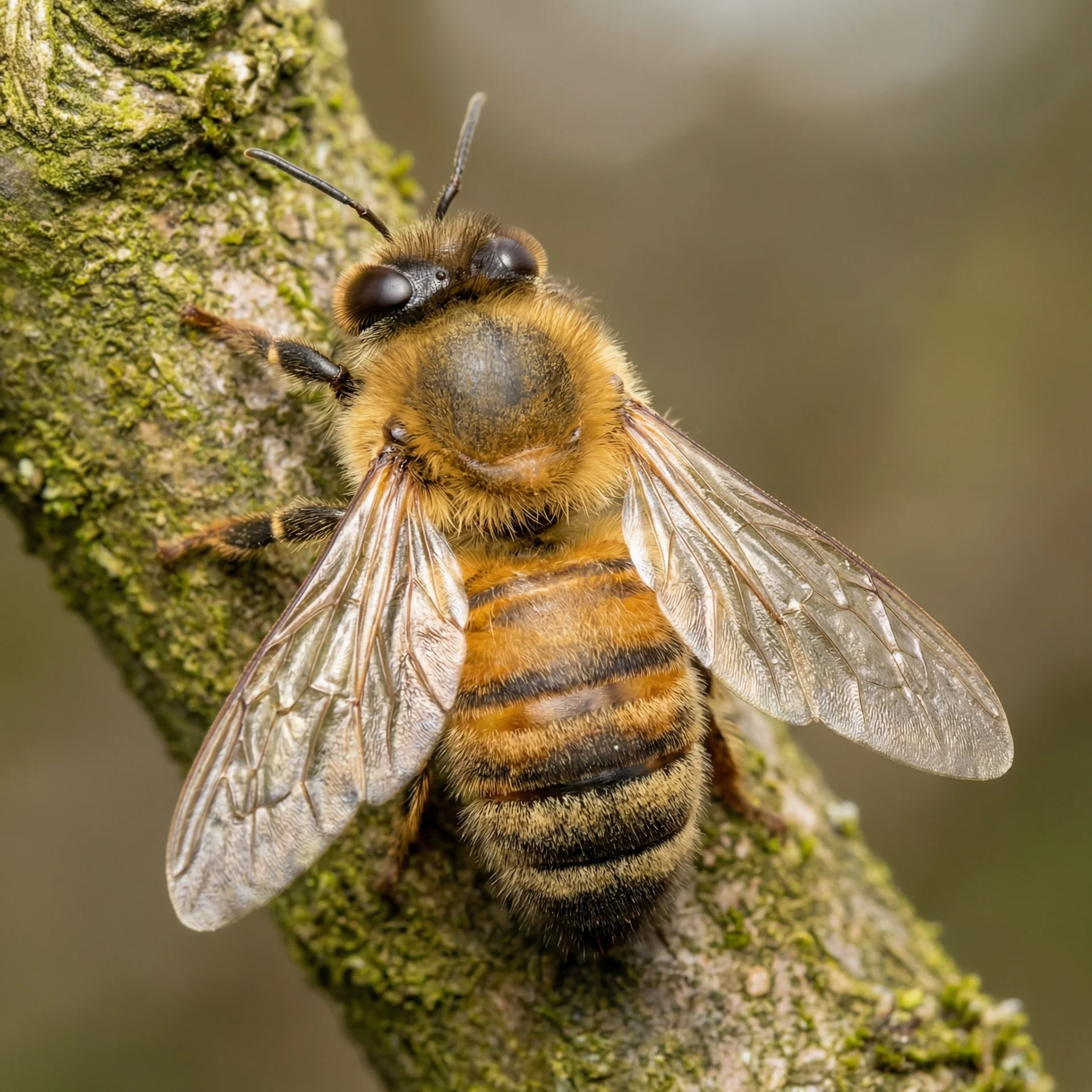
The western honey bee (Apis mellifera Linnaeus, 1758) is a eusocial insect belonging to the order Hymenoptera, family Apidae, and genus Apis. It is the most widely managed bee species on Earth and serves as the single most important pollinator for human agriculture worldwide. Also known as the European honey bee, A. mellifera is native to Europe, Africa, and western Asia, but has been spread by humans to every continent except Antarctica since the 17th century. Workers measure approximately 10–15 mm in body length and weigh about 80–120 mg, characterized by a golden-brown abdomen with dark banding and specialized hind legs bearing pollen baskets (corbiculae).
This species is renowned for its complex caste system—comprising queens, workers, and drones—and its sophisticated communication through the waggle dance. A single healthy colony can house 40,000–80,000 individuals at peak summer population. According to FAO estimates for 2023, there are approximately 102.1 million managed beehives globally, representing a roughly 74% increase since 2000 (FAO, 2023; Popescu, 2024). The IUCN Red List classifies the species overall as Data Deficient (DD), but in October 2025 the European Red List reclassified wild A. mellifera populations within the EU as Endangered (EN) (IUCN, 2025). In the United States, the 2024–2025 beekeeping season recorded the worst colony losses ever documented: approximately 55.6% of managed colonies were lost between April 2024 and April 2025, with USDA-ARS identifying amitraz-resistant Varroa destructor mites and the viruses they transmit as the primary cause (Giacobino et al., 2025; USDA-ARS, 2025).
The economic value of pollination services provided by honey bees and other pollinators is estimated at $235–577 billion annually worldwide (Khalifa et al., 2021), with honey bees alone contributing roughly $15–20 billion per year to U.S. crop production (USDA; American Beekeeping Federation). Almonds, apples, blueberries, cherries, avocados, and many other crops depend heavily on honey bee pollination. Beyond pollination, A. mellifera provides honey, beeswax, royal jelly, propolis, bee pollen, and venom—products that have linked human civilization to this species for at least 8,000–9,000 years.
The genus name Apis is Latin for "bee," and the specific epithet mellifera derives from Latin mel (honey) and ferre (to bear or carry), meaning "honey-bearing" or "honey-carrying." Carl Linnaeus first described the species in the 10th edition of Systema Naturae (1758). Linnaeus originally intended the name mellifica ("honey-making"), but mellifera was the name that appeared in publication and is therefore the valid name under the International Code of Zoological Nomenclature (ICZN). Common names include the western honey bee and European honey bee.
Apis mellifera is a taxonomically valid and stable species. Based on morphological and molecular analyses, 26–31 subspecies are currently recognized (Engel, 1999; Ruttner, 1988; Ilyasov et al., 2020). These subspecies are grouped into 4–5 evolutionary lineages (A, M, C, O, and Z) based on geographic origin. The genus Apis contains 7–12 recognized species; all species except A. mellifera are native to Asia.
The world's most widely managed social insect, serving as the primary pollinator for global agriculture and a source of honey, beeswax, and other economically valuable products—yet increasingly threatened by parasites, pesticides, habitat loss, and climate change.
| Rank | Taxon |
|---|---|
| Kingdom | Animalia |
| Phylum | Arthropoda |
| Class | Insecta |
| Order | Hymenoptera |
| Family | Apidae |
| Subfamily | Apinae |
| Tribe | Apini |
| Genus | Apis |
| Species | A. mellifera |
The family Apidae is one of the largest families within the order Hymenoptera, encompassing not only honey bees but also bumblebees (Bombus), stingless bees (Meliponini), and carpenter bees (Xylocopa). The genus Apis belongs to the tribe Apini and all members are eusocial.
The genus Apis currently includes 7–12 recognized species, divided into three major groups based on molecular phylogenetic analyses: open-nesting giant honey bees (A. dorsata, A. laboriosa), open-nesting dwarf honey bees (A. florea, A. andreniformis), and cavity-nesting honey bees (A. mellifera, A. cerana, A. koschevnikovi, A. nuluensis, A. nigrocincta). The closest relative of A. mellifera is the eastern honey bee (A. cerana).
Subspecies of A. mellifera are organized into 4–5 evolutionary lineages.
| Lineage | Geographic Region | Key Subspecies | Characteristics |
|---|---|---|---|
| A (African) | Sub-Saharan Africa | A. m. scutellata, A. m. adansonii, A. m. capensis | Tropical adaptation, high defensive behavior |
| M (Northwestern European) | Western and Northern Europe | A. m. mellifera, A. m. iberiensis | Cold-hardy, dark body color |
| C (Southeastern European) | Eastern and Southern Europe | A. m. carnica, A. m. ligustica | Gentle, high productivity, most widely kept |
| O (Middle Eastern) | Turkey, Middle East | A. m. syriaca, A. m. anatoliaca, A. m. meda | Adapted to arid environments |
| Z (Sub-lineage) | Parts of Africa | 3 subspecies | Sub-group of lineage A |
The Italian honey bee (A. m. ligustica) and the Carniolan honey bee (A. m. carnica) are the most widely kept subspecies worldwide due to their gentle temperament and high honey productivity. The African honey bee (A. m. scutellata) was introduced to Brazil in 1956 and subsequently spread throughout the Americas as the "Africanized bee."
The geographic origin of A. mellifera has been the subject of ongoing scientific debate. Whitfield et al. (2006) supported an African origin based on genomic data, while Liu et al. (2021) analyzed 251 genomes and proposed an Asian origin with at least three independent dispersals into Europe and Africa. Haddad et al. (2023) argued that the binary "out of Africa vs. out of Asia" framing is overly simplistic, citing complex demographic histories revealed by mitochondrial genome analysis. The current consensus holds that the genus Apis likely originated in Asia, but the precise origin and dispersal routes of A. mellifera itself remain unresolved.
Honey bees exhibit the typical insect body plan of three tagmata: head, thorax, and abdomen. Body coloration varies considerably among subspecies. The Italian honey bee (A. m. ligustica) displays a bright golden hue, the European dark bee (A. m. mellifera) is dark brown to black, and the Carniolan honey bee (A. m. carnica) shows a grayish tinge. All subspecies share the characteristic abdominal banding pattern and a dense covering of branched setae (plumose hairs) that facilitate pollen collection.
Body size and morphology differ markedly among the three castes.
| Trait | Queen | Worker | Drone |
|---|---|---|---|
| Body length | 18–20 mm | 10–15 mm | 15–17 mm |
| Body mass | 150–200 mg | 80–120 mg | 200–250 mg |
| Chromosome number | 2n = 32 | 2n = 32 | n = 16 |
| Development period | ~16 days | ~21 days | ~24 days |
| Lifespan | 1–5 years | 5–7 weeks / 4–6 months | 30–60 days |
| Stinger | Present (unbarbed) | Present (barbed) | Absent |
The honey bee sensory system is highly developed. Two large compound eyes provide vision; workers possess approximately 4,500–5,000 ommatidia per eye, while drones have approximately 7,500–8,600. Compound eyes can detect ultraviolet (UV) wavelengths, enabling bees to perceive floral UV nectar guides invisible to humans. Three ocelli atop the head detect light intensity and direction, and can perceive polarized light patterns in the sky for navigation even under overcast conditions.
Each of the two antennae bears thousands of sensory receptors for olfaction, touch, taste, temperature, humidity, and CO2 concentration. Antennal olfactory receptors are critical for pheromone recognition and underpin the colony's chemical communication system.
Workers and queens possess a stinger derived from a modified ovipositor. The worker stinger bears barbs that anchor in the elastic skin of mammals; when the bee pulls away, the stinger and venom sac are torn from the body, causing the bee's death within hours to days. The queen stinger is unbarbed and can be used repeatedly. Drones lack stingers entirely.
The venom's principal components include melittin (~50% of dry weight), apamin, and phospholipase A2. While typically not dangerous to non-allergic adults, the venom can trigger anaphylaxis in sensitized individuals.
Four pairs of wax glands on the ventral surface of abdominal segments 4–7 secrete beeswax used in comb construction. Wax production peaks at approximately 12–18 days of adult life. The honey stomach (crop), an expandable pouch at the anterior end of the digestive tract, stores and transports nectar while adding enzymes that initiate honey production. Its capacity of approximately 40–80 mg represents nearly half the worker's body weight.
Honey bees are obligate herbivores (nectarivores/pollinivores), feeding exclusively on floral nectar (carbohydrate/energy source) and pollen (protein/nutrient source). Workers typically forage within 1.5–3 km of the hive, but can range up to 10–13 km when necessary. Flight speed averages 24–32 km/h, with wings beating approximately 200 times per second.
Honey bees represent a textbook example of eusociality, exhibiting all three defining features: reproductive division of labor, cooperative brood care, and overlapping generations. A healthy colony at peak summer population contains 40,000–80,000 individuals: one queen, several hundred to a few thousand drones (approximately 10–15% of the population), and the remainder workers.
Workers follow a system of age polyethism, performing different tasks as they age: cell cleaning (days 0–3), brood feeding/nursing (days 3–10), wax secretion and comb building (days 10–16), ventilation and humidity regulation (days 16–20), guard duty (days 18–21), and foraging (day 21 onward until death).
The waggle dance, decoded by Karl von Frisch (Nobel Prize in Physiology or Medicine, 1973), is honey bees' most sophisticated communication behavior. Upon discovering a profitable food source, a returning forager performs a figure-eight dance on the vertical comb surface. The angle of the straight waggle run relative to gravity encodes the direction to the food source relative to the sun; the duration of the waggle run encodes distance (approximately 1 second per kilometer); and the intensity and number of repetitions convey resource quality. For food sources within approximately 50 m of the hive, a simpler round dance is performed without directional information.
A landmark 2023 study published in Science by Dong et al. demonstrated that the waggle dance is a learned behavior, not purely innate. Naive bees that were unable to learn from experienced dancers performed significantly less accurate dances, and these errors persisted throughout their lives (Dong et al., 2023).
Honey bees employ a sophisticated system of pheromone-based chemical communication. The queen mandibular pheromone (QMP) suppresses worker ovary development, promotes colony cohesion, and attracts drones during mating flights. The alarm pheromone, whose primary component is isoamyl acetate (which smells like bananas), is released when a bee stings, recruiting nestmates to defensive action. The Nasonov pheromone, secreted from glands at the tip of the worker abdomen, acts as an orientation signal to guide nestmates to specific locations.
Honey bees maintain the interior nest temperature at a remarkably precise 33–36°C for optimal brood development. On hot days, workers collect water and fan their wings at the hive entrance to achieve evaporative cooling. On cold days, bees cluster together and vibrate their flight muscles to generate heat. Flight is impossible below approximately 7–10°C ambient temperature, and activity declines above 38°C.
Colonies reproduce via swarming. In spring to early summer, when the colony reaches sufficient size, workers construct 10–20 or more queen cells to rear new queens. Shortly before a new queen emerges as an adult, the reigning queen departs the hive with roughly 60% of the workers as a swarm to establish a new colony elsewhere. The new queen that emerges in the original hive eliminates rival developing queens and takes over the colony.
Virgin queens undertake 1–5 mating flights (nuptial flights) between approximately 5 and 14 days after emergence. At drone congregation areas, the queen mates with 10–20 or more drones in mid-air, storing up to 5–7 million sperm in her spermatheca to last her entire reproductive life (average 1–3 years, up to 5–8 years). A healthy queen can lay up to 1,500–2,500 eggs per day, with fertilized eggs developing into females (workers or queens) and unfertilized eggs developing into males (drones).
Honey bees are holometabolous insects, passing through four developmental stages: egg, larva, pupa, and adult. Queens emerge in approximately 16 days, workers in approximately 21 days, and drones in approximately 24 days. Caste determination (queen vs. worker) in female larvae is controlled by nutrition rather than genetics. All larvae receive royal jelly for the first 3 days, but queen-destined larvae continue receiving royal jelly exclusively, while worker-destined larvae are switched to a mixture of honey and pollen (bee bread). The protein royalactin in royal jelly, combined with lower flavonoid content, induces queen developmental pathways.
Queens live an average of 1–3 years, with a maximum of 5–8 years. Workers live approximately 5–7 weeks in spring/summer when foraging activity is intense, but 4–6 months in autumn/winter when their fat bodies are larger and activity is minimal (Amdam & Omholt, 2002). Drones live approximately 30–60 days (average ~55 days); those that mate die immediately after copulation, while unmated drones are expelled from the hive in autumn and perish.
The native range of A. mellifera extends across Europe (from northern Scandinavia to the Mediterranean), Africa (including all of sub-Saharan Africa), the Middle East, and western Asia. This represents one of the broadest natural distributions of any single insect species.
Human-mediated introduction has spread A. mellifera worldwide since the 17th century. European colonists introduced the species to North America's eastern seaboard in the 1620s, reaching the West Coast by 1853. European colonization also brought honey bees to South America, where the 1956 introduction of A. m. scutellata to Brazil led to the spread of Africanized bees across the Americas. The species was introduced to Australia (1822) and New Zealand, and to East Asia (Japan, Korea, China), where it coexists with the native A. cerana.
Honey bees are adaptable to a wide range of temperate and tropical environments. In the wild, they preferentially nest in enclosed cavities such as tree hollows, rock crevices, and caves. They favor flower-rich habitats including gardens, orchards, meadows, and forest edges. Altitudinal distribution ranges from sea level to above 3,000 m in the Himalayas. Bees require a body temperature of approximately 35°C for flight, and maintain brood nest temperature at 33–36°C.
Bees (Apoidea) are estimated to have evolved from predatory wasps approximately 120 million years ago during the Early Cretaceous. A 2023 Current Biology study dated the origin of bees to approximately 124 million years ago (95% CI: 106.6–137.9 Ma), with major lineage diversification occurring during the mid-to-late Cretaceous. The co-evolution of bees with angiosperms (flowering plants) established a mutualistic relationship that remains foundational to terrestrial ecosystems. The oldest fossil records of Apis date to the Eocene–Oligocene boundary (~34 Ma) in European deposits.
Honey bees employ haplodiploidy for sex determination. Females (queens and workers) develop from fertilized eggs and are diploid (2n = 32), while males (drones) develop from unfertilized eggs and are haploid (n = 16). The genome, first sequenced in 2006, comprises approximately 225 Mb (reference assembly Amel_HAv3.1) across 16 chromosomes and contains approximately 10,000 protein-coding genes (Weinstock et al., 2006; NCBI). A chromosome-level reference genome was completed in 2021. Honey bees exhibit one of the highest known genetic recombination rates among animals, exceeding 20 cM/Mb—far higher than most vertebrates.
The widespread use of specific subspecies (particularly A. m. ligustica and A. m. carnica) in modern beekeeping, combined with intersubspecific hybridization, threatens the genetic integrity of wild and locally adapted populations. A 2013 study reported that A. m. mellifera queens may preferentially avoid mating with drones of other subspecies, suggesting partial reproductive isolation between lineages.
The IUCN Red List classifies A. mellifera overall as Data Deficient (DD). However, in October 2025, the updated European Red List reclassified wild honey bee populations within the EU as Endangered (EN) (IUCN, 2025; COLOSS, 2025). This assessment, conducted by the Honey Bee Watch project, formally recognized that wild populations are declining severely, independent of managed hive numbers.
Global managed hive numbers stand at approximately 102.1 million as of 2023 (FAO), up from about 58.8 million in 2000—a roughly 74% increase (Popescu, 2024; Phiri et al., 2022). However, this figure reflects apicultural expansion and says nothing about wild population health.
The parasitic mite Varroa destructor is the single most devastating threat to A. mellifera. Originally a parasite of the eastern honey bee (A. cerana), it jumped hosts to A. mellifera during the 20th century. Varroa feeds on the hemolymph and fat bodies of adult bees and brood while vectoring pathogens including Deformed Wing Virus (DWV) and Acute Bee Paralysis Virus (ABPV).
The 2024–2025 season brought record-breaking colony losses to the United States. The national U.S. Beekeeping Survey estimated that 55.6% of managed colonies were lost between April 2024 and April 2025, with state-level losses ranging from 34.3% to 90.5% (Giacobino et al., 2025). Commercial beekeepers lost over 60% of their colonies—approximately 1.7 million hives—with an estimated financial impact of $600 million (USDA-ARS, 2025). USDA-ARS researchers found that virtually all Varroa mites sampled from collapsed colonies carried genetic markers for resistance to amitraz, the most widely used miticide in beekeeping. High levels of DWV-A, DWV-B, and ABPV were identified as the proximate cause of colony death (USDA-ARS, 2025).
In June 2022, Varroa destructor was detected for the first time in Australia at the Port of Newcastle, New South Wales. The mite is now considered established in NSW (Australian Government, 2026).
Neonicotinoid insecticides—systemic compounds that permeate entire plants and are expressed in nectar and pollen—expose honey bees even at sublethal doses, impairing navigation, learning, and immune function. The EU banned the outdoor use of three neonicotinoids (imidacloprid, clothianidin, and thiamethoxam) in 2018, and in 2023 further restricted clothianidin and thiamethoxam residues in imported food products.
Urbanization, agricultural expansion, and monoculture farming have reduced the diversity and abundance of wild flowering plants. Nutritional stress from reduced floral diversity weakens colony immunity and stress resilience. Climate change threatens to create phenological mismatches between flowering times and bee activity cycles, while extreme weather events (heatwaves, droughts, floods) directly impact hives and forage availability.
The EU Pollinator Initiative, launched in 2018 and revised in 2023, aims to reverse pollinator decline by 2030. In the United States, the Federal Pollinator Health Strategy (launched 2015) coordinates habitat restoration, pesticide regulation, and research funding. USDA bee research programs focus on Varroa control, resistant stock development, and nutritional management. The Bee Informed Partnership conducts annual national beekeeper surveys to track colony loss trends. The USDA-ARS announced in February 2026 accelerated research into new miticide compounds and integrated pest management strategies in response to widespread amitraz resistance (USDA-ARS, 2026).
Humans have interacted with honey bees for at least 8,000–9,000 years. Rock art at the Cuevas de la Araña near Valencia, Spain, depicts a figure collecting honey from a wild nest. Ancient Egyptian records from approximately 2400 BCE document organized beekeeping, and the honey bee served as a symbol of Lower Egypt. In ancient Greece, honey was considered the "food of the gods," and Aristotle produced the first systematic observations of honey bee behavior. Modern beekeeping was revolutionized in 1851 when Lorenzo Langstroth discovered the bee space and invented the moveable-frame hive.
Honey: Global production reached approximately 1.89 million tonnes in 2023 (FAO, 2025). Beeswax: approximately 60,000 tonnes/year, used in cosmetics, candles, and food coatings. Royal jelly: approximately 3,000 tonnes/year, marketed as a dietary supplement. Propolis: approximately 300 tonnes/year, valued for antimicrobial and anti-inflammatory properties. Bee pollen and bee venom are also commercially collected.
Honey bees contribute to the pollination of approximately 75% of the world's food crops. The global economic value of all pollinator services is estimated at $235–577 billion annually (Khalifa et al., 2021). In the U.S., honey bee pollination services are valued at roughly $15–20 billion per year (USDA; ABF), with the annual value of bee-pollinated crops exceeding $20 billion (USDA-ARS, 2025). Almonds are 100% dependent on honey bee pollination at bloom, while apples, blueberries, cherries, melons, avocados, and alfalfa also rely heavily on honey bees.
Honey bees have served as symbols of industry, cooperation, and order across civilizations. In Egyptian mythology, bees were said to have been born from the tears of the sun god Ra. Napoleon Bonaparte adopted the bee as the imperial emblem of France. The honey bee remains an enduring symbol in heraldry, religious texts, and popular culture worldwide.
Established: The taxonomic position of A. mellifera, its haplodiploid sex-determination system, eusocial caste organization, the function of the waggle dance, the primary threat posed by Varroa destructor, and the discovery of amitraz-resistant Varroa as a driver of the 2025 U.S. colony collapse (USDA-ARS, 2025).
Well-supported hypotheses: The Asian origin of the genus Apis (Liu et al., 2021), the role of the protein royalactin in caste determination, and the socially learned nature of the waggle dance (Dong et al., 2023).
Unresolved/debated: The precise geographic origin and dispersal routes of A. mellifera itself (Africa vs. Asia vs. complex multi-directional routes), the relative contributions of amitraz resistance versus other stressors in the 2024–2025 U.S. colony collapse, and the extent of disease transmission and genetic introgression between managed and wild populations.
First, the full causal architecture of the 2024–2025 U.S. colony collapse remains incompletely characterized. USDA-ARS identified amitraz-resistant Varroa and associated viruses as the primary cause, but interactions with chronic stressors such as nutritional deficiency, pesticide exposure, and climate change require further study.
Second, comprehensive global data on wild honey bee population sizes and health are lacking. The 2025 EU reclassification to Endangered was an important advance, but systematic monitoring of wild populations in Asia, Africa, and the Americas remains minimal.
Third, predictive models for the long-term impacts of climate change on honey bee distribution, phenological synchrony with flowering plants, and disease transmission dynamics are still in early stages.
The widely circulated quote "If the bee disappeared from the surface of the Earth, man would have no more than four years to live" is frequently attributed to Albert Einstein, but no evidence supports that Einstein ever made this statement. While honey bee decline would profoundly impact food production, the direct causal link to human extinction is an oversimplification. Furthermore, the phrase "bees are going extinct" requires nuance: global managed hive numbers have actually increased by ~74% since 2000, but this masks genuine declines in wild populations and does not mean managed colonies are healthy.
| Trait | Western honey bee (A. mellifera) | Eastern honey bee (A. cerana) | Giant honey bee (A. dorsata) |
|---|---|---|---|
| Worker body length | 10–15 mm | 10–11 mm | 17–20 mm |
| Native range | Europe, Africa, western Asia | East and South Asia | South and Southeast Asia |
| Colony size | 40,000–80,000 | 6,000–7,000 | 50,000–100,000 |
| Nesting habit | Enclosed cavities, multiple combs | Enclosed cavities, multiple combs | Open single comb (branches, cliffs) |
| Varroa resistance | Low | High (co-evolved) | Moderate to high |
| Hornet defense | Stinging attack | Heat balling (~45C) | Mass wing shimmering |
| Annual honey yield | 15–30+ kg | 2–5 kg | Wild harvest only |
| Suitability for apiculture | Very high | Moderate | Low (wild only) |
The eastern honey bee (A. cerana) co-evolved with Varroa destructor and possesses natural resistance mechanisms, including hygienic behavior and grooming. It is also known for its remarkable heat ball defense against hornets such as Vespa mandarinia: workers collectively engulf the invader and raise their body temperature to approximately 45°C, which is lethal to the hornet but within the bee's thermal tolerance of ~48°C. A. mellifera lacks this defense and is consequently vulnerable to giant hornet predation.
| Region | Hive Count (2022–2023) | Global Share | Trend |
|---|---|---|---|
| Asia | ~48 million | ~47% | Increasing |
| Europe | ~21 million | ~21% | Declining in some countries |
| Africa | ~19 million | ~19% | Increasing (highest growth rate) |
| Americas | ~12 million | ~12% | U.S. declining; South America increasing |
| Oceania | ~1 million | ~1% | Stable |
| World Total | ~102.1 million | 100% | +74% since 2000 |
| Season | Annual Loss Rate | Notes |
|---|---|---|
| 2006–2007 | ~32% | First major CCD reports |
| 2014–2015 | ~42.1% | - |
| 2018–2019 | ~40.7% | - |
| 2020–2021 | ~45.5% | - |
| 2023–2024 | ~55.1% | - |
| 2024–2025 | ~55.6% | All-time record; winter losses 40.2% |
| Subspecies | Native Region | Color | Key Traits |
|---|---|---|---|
| A. m. ligustica | Italy | Bright golden | Gentle, high productivity, most widely kept |
| A. m. carnica | Slovenia/Austria | Gray | Very gentle, cold-hardy, rapid spring buildup |
| A. m. mellifera | Northern Europe | Dark brown to black | Cold-hardy, moderately defensive |
| A. m. scutellata | East Africa | Brown | Highly defensive, source of Africanized bees |
| A. m. caucasica | Caucasus | Gray | Long tongue (7.2 mm), gentle |
| A. m. capensis | South Africa (Cape) | Dark brown | Workers capable of thelytokous reproduction |
A single worker honey bee produces only about 1/12 of a teaspoon (~0.8 g) of honey in its entire lifetime. To produce one pound (~450 g) of honey, approximately 556 workers must spend their entire lives foraging, visiting roughly 2 million flowers and flying over 88,500 km.
A queen bee can lay 1,500–2,500 eggs per day—roughly equivalent to her own body weight—and may produce over 1 million eggs in her lifetime, one of the highest reproductive rates of any insect.
Honey bee wings beat approximately 200 times per second, producing their characteristic buzz. Flight speed averages 24–32 km/h (15–20 mph), and maximum foraging range extends up to 10–13 km from the hive.
Despite having a brain the size of a sesame seed (~1 mm3, containing ~960,000 neurons), honey bees can recognize human faces, understand the concept of zero, learn to use tools, and navigate using the sun's position and polarized light patterns.
Honey bees can see in the ultraviolet (UV) spectrum, allowing them to perceive floral nectar guides that are invisible to the human eye. They can also detect polarized light in the sky to determine the sun's position even on overcast days.
The primary component of the alarm pheromone, isoamyl acetate, smells like bananas. This is why eating bananas near a beehive can trigger defensive behavior from the bees.
The eastern honey bee (A. cerana) defends against giant hornets using a 'heat ball' strategy: hundreds of workers engulf the hornet and vibrate their muscles to raise the temperature to ~45°C, killing the hornet. The bees can survive up to ~48°C, giving them a narrow but critical thermal advantage.
Due to haplodiploidy, drone honey bees have no father and no sons—they develop from unfertilized eggs and are haploid (n=16). Sister workers share 75% of their genes, which is higher than the parent-offspring relatedness of 50%, and is thought to be a key driver in the evolution of eusociality.
Humans have harvested honey from wild bees for at least 8,000–9,000 years, as evidenced by Mesolithic rock art in the Cuevas de la Araña near Valencia, Spain, depicting a figure collecting honey from a cliff-side nest.
In 2025, USDA-ARS researchers discovered that virtually all Varroa mites from collapsed U.S. honey bee colonies carried genetic resistance to amitraz, the beekeeping industry's primary miticide—a finding that is reshaping global parasite management strategies.
The honey stomach (crop) of a worker bee can hold 40–80 mg of nectar—nearly half the bee's body weight. To produce 1 kg of honey, bees must collectively fly a distance roughly equivalent to twice around the Earth.
Honey bees face a combination of threats including Varroa destructor mite parasitism, neonicotinoid pesticide exposure, habitat loss, nutritional stress, and climate change. In 2024–2025, approximately 55.6% of managed colonies were lost in the U.S.—the worst season on record (Giacobino et al., 2025). USDA-ARS identified amitraz-resistant Varroa mites and the viruses they transmit (DWV, ABPV) as the primary cause. In October 2025, the IUCN European Red List reclassified wild honey bee populations within the EU as Endangered (EN), though the species overall remains classified as Data Deficient (DD).
Lifespan varies dramatically by caste. Queen bees live an average of 1–3 years and up to 5–8 years. Workers live approximately 5–7 weeks in spring and summer due to intense foraging activity, but 4–6 months in autumn and winter when activity is minimal. Drones live approximately 30–60 days; those that successfully mate die immediately after copulation.
Worker honey bees have barbed stingers. When a worker stings a mammal, the barbs anchor in the elastic skin, and when the bee pulls away, the stinger and attached venom sac are torn from the abdomen. The detached venom sac continues to pump venom automatically. The bee dies within hours to days from the abdominal wound. However, bees can sting other insects or hard surfaces repeatedly without losing their stinger. Queen bees have smooth, unbarbed stingers that can be used multiple times, and drones lack stingers entirely.
The waggle dance is a sophisticated communication behavior used by forager bees to convey the direction, distance, and quality of a food source to nestmates. Performed on the vertical comb surface, the angle of the straight 'waggle run' relative to gravity indicates direction relative to the sun, while the duration of the run indicates distance (approximately 1 second per kilometer). Karl von Frisch decoded this behavior and received the Nobel Prize in 1973. A 2023 study in Science by Dong et al. demonstrated that the waggle dance is a learned behavior, not purely innate.
Queens and workers develop from genetically identical fertilized eggs—caste determination is controlled by nutrition, not genetics. All female larvae receive royal jelly for the first 3 days, but only queen-destined larvae continue to receive royal jelly exclusively, while worker larvae are switched to a diet of honey and pollen (bee bread). The protein royalactin in royal jelly drives queen developmental pathways. Queens are larger (18–20 mm vs. 10–15 mm), have functional ovaries, live far longer (1–5 years vs. weeks–months), and have smooth (unbarbed) stingers.
A healthy colony at peak summer population contains 40,000–80,000 individuals: one queen, several hundred to a few thousand drones (approximately 10–15% of the population), and the remainder workers. In winter, the population declines to roughly 10,000–20,000 bees.
Honey bees are the primary managed pollinator for global agriculture, contributing to the pollination of approximately 75% of the world's food crops. The economic value of all pollinator services is estimated at $235–577 billion annually worldwide (Khalifa et al., 2021), with U.S. honey bee pollination alone valued at roughly $15–20 billion per year. Almonds (100% dependent), apples, blueberries, cherries, and avocados are among the crops that rely heavily on honey bee pollination. Additionally, honey bees produce honey, beeswax, royal jelly, propolis, and other valuable products.
The eastern honey bee (A. cerana) is native to East and South Asia. It is slightly smaller than A. mellifera (10–11 mm vs. 10–15 mm) and forms smaller colonies (6,000–7,000 vs. 40,000–80,000). The most significant difference is that A. cerana co-evolved with Varroa destructor and possesses natural resistance mechanisms. Additionally, A. cerana is famous for its 'heat ball' defense against hornets: workers collectively surround the predator and raise their body temperature to ~45°C, which kills the hornet but remains within the bee's thermal tolerance (~48°C). A. mellifera lacks this behavior.
In winter, honey bees do not leave the hive. Instead, they form a 'winter cluster,' huddling together and vibrating their flight muscles to generate heat. They maintain the cluster's core temperature at approximately 33–36°C. Energy comes from honey stores accumulated during the warmer months. Winter bees have larger fat bodies and a lifespan of 4–6 months—much longer than summer workers—allowing the colony to survive until spring.
The 2024–2025 U.S. beekeeping season recorded the highest colony loss rate ever documented at approximately 55.6%. USDA-ARS researchers found that collapsed colonies showed high levels of Deformed Wing Virus (DWV-A, DWV-B) and Acute Bee Paralysis Virus (ABPV), vectored by Varroa destructor mites. Critically, virtually all Varroa mites sampled from affected colonies carried genetic markers for resistance to amitraz—the most widely used miticide in American beekeeping. This resistance rendered the primary control tool ineffective, allowing mite populations and their associated viruses to devastate colonies.
3images