South American Tapir

Herbivore Creature Type

Tapirus terrestris

Scientific Name: "Tapirus (New Latin, from French tapir, from Old Tupi tapi'ira, the indigenous name for this species) + terrestris (Latin, 'of the earth, terrestrial'). Linnaeus originally described the species as Hippopotamus terrestris, a 'terrestrial hippopotamus.'"

🌿Herbivore
🛡️VU

Physical Characteristics

📏
Size
1.8~2.5m
⚖️
Weight
150~320kg
📐
Height
1.08m

Discovery

📅
Discovery Year
1758Year
👤
Discoverer
Linnaeus
📍
Discovery Location
Pernambuco, Brazil (type locality, restricted by Hershkovitz 1954)

Habitat

🗺️
Native range
Tropical and subtropical lowlands east of the Andes in South America: Colombia, Venezuela, Guyana, Suriname, French Guiana, Ecuador, Peru, Bolivia, Brazil, Paraguay, and northern Argentina
🌿
Habitat
Tropical lowland moist forest (Amazonian rainforest), floodplains (várzea), swamps, Atlantic Forest, Cerrado savanna, Pantanal wetlands, dry Chaco woodlands, montane forest; strong preference for riparian zones near rivers, lakes, and wetlands
⛰️
Elevation range
Sea level to ca. 2,000 m (recorded up to ca. 4,500 m)

보전·개체·수명

📋
보전 상태
Vulnerable (VU) — IUCN Red List 2019 assessment (Varela et al., 2019). CITES Appendix II. Primary threats: habitat destruction and fragmentation, poaching, and population isolation.
📊
개체 수 추정
unknown
📈
개체 수 추세
decreasing
🦁
수명(야생)
30Year
🏠
수명(사육)
35Year
South American Tapir (Tapirus terrestris) restoration

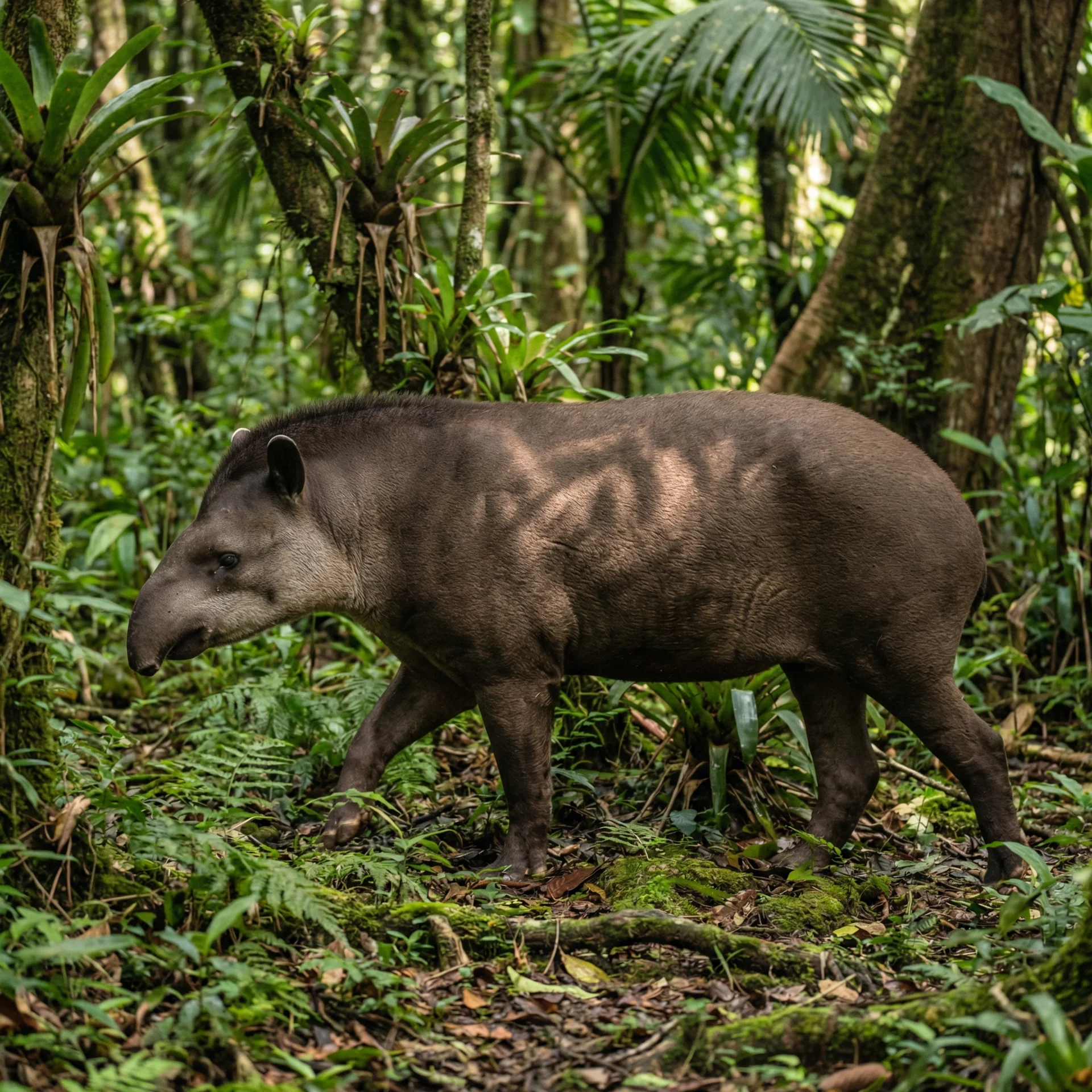
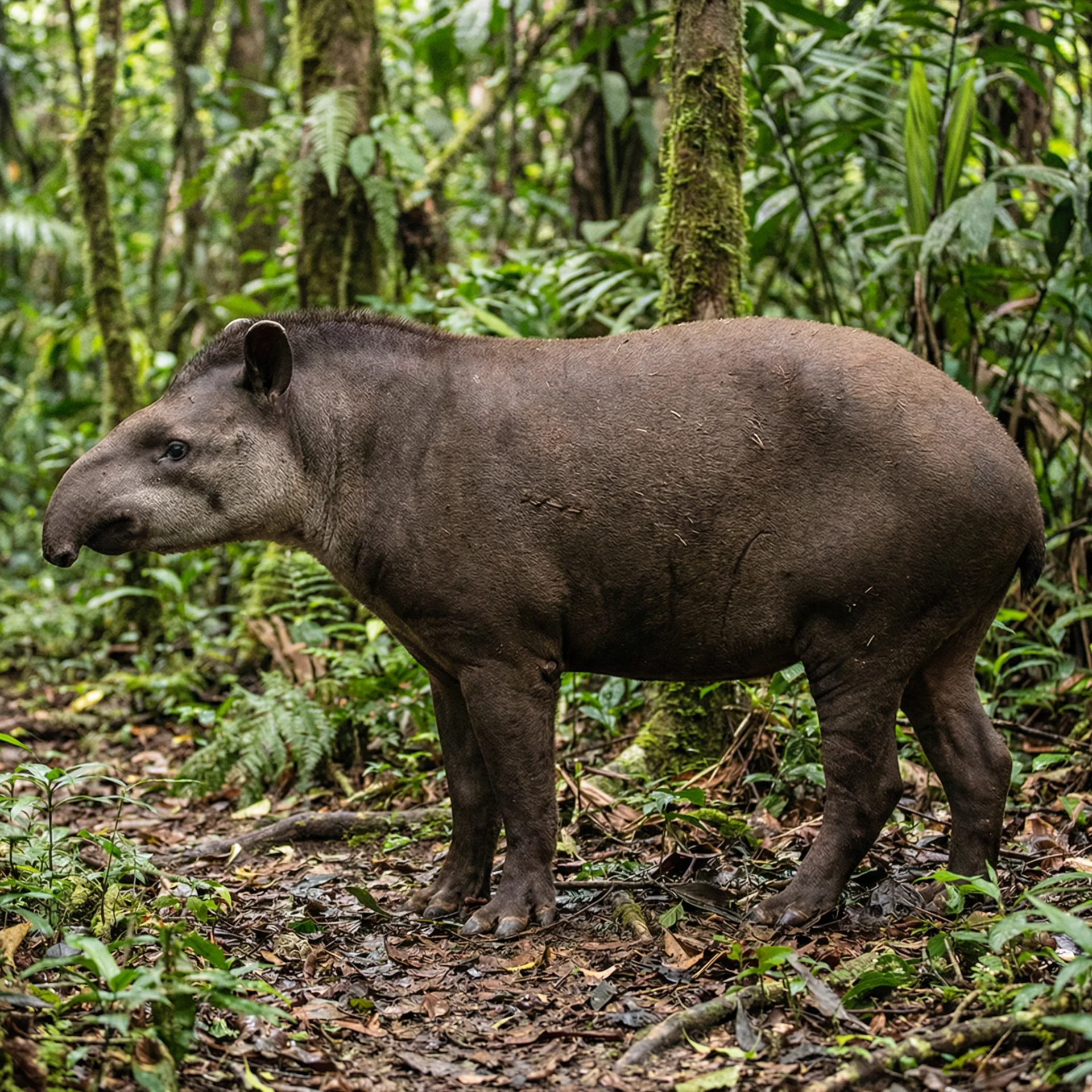
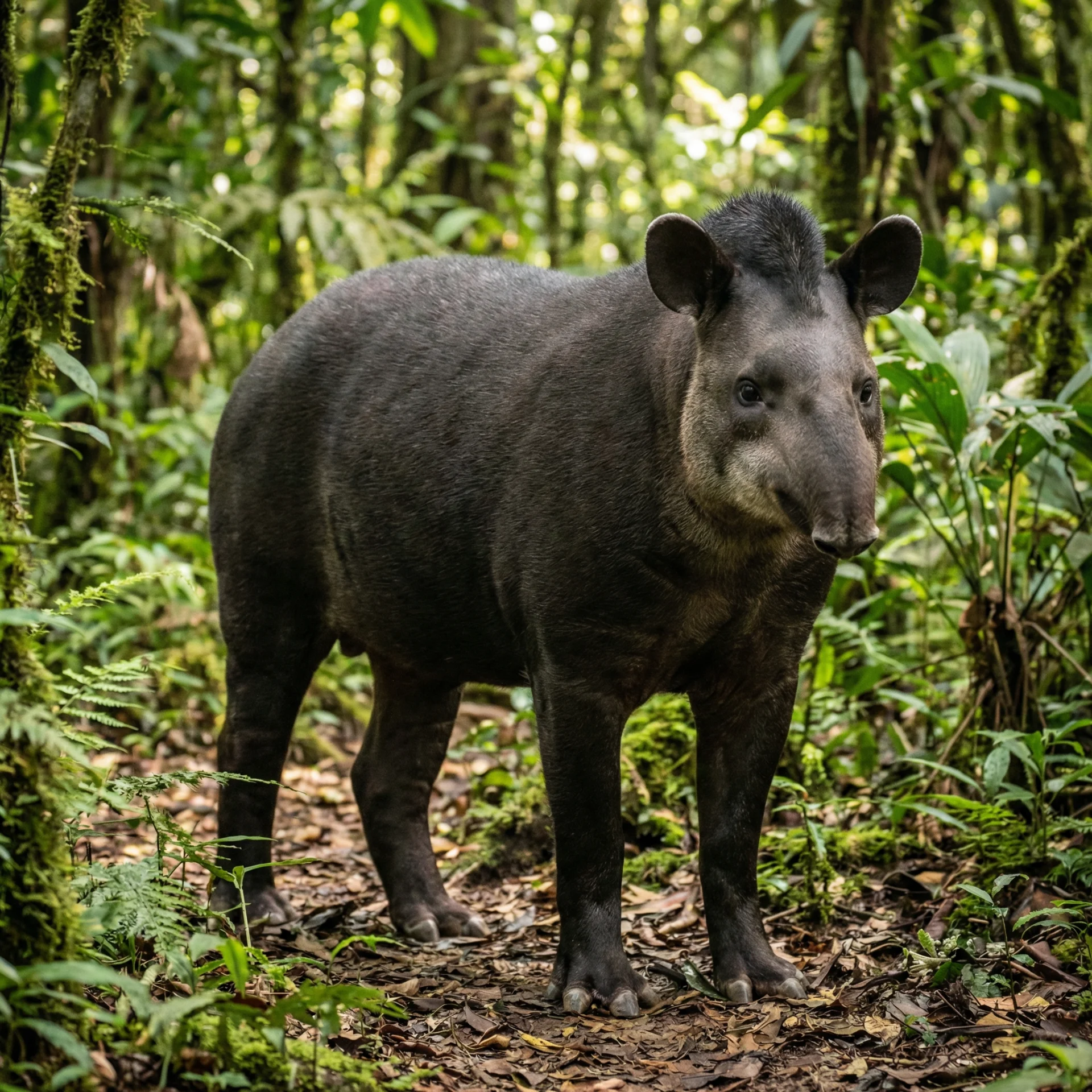
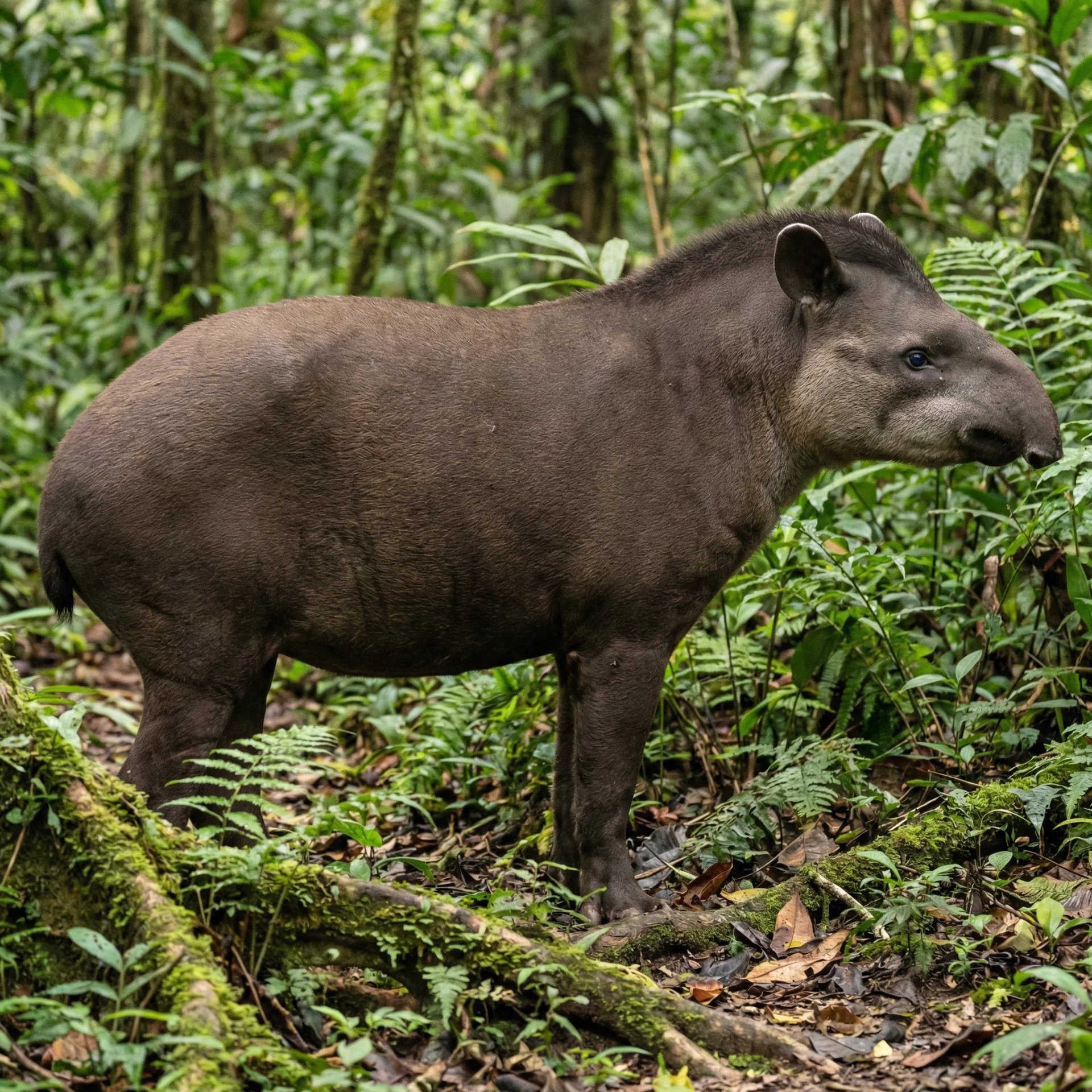
The South American tapir (Tapirus terrestris Linnaeus, 1758) is a large herbivorous mammal belonging to the family Tapiridae within the order Perissodactyla (odd-toed ungulates). It is the largest surviving native terrestrial mammal in South America. Also known as the Brazilian tapir, Amazonian tapir, lowland tapir, and maned tapir, it is called anta in Brazilian Portuguese (from the Tupi tapi'ira) and sachavaca (literally "bush cow," a mixed Quechua-Spanish term) in parts of the Andean lowlands. Adults attain a head-body length of approximately 1.8–2.5 m, a shoulder height of 77–108 cm, and a body mass ranging from 150 to 320 kg (average ca. 225 kg). The species is immediately recognizable by its short, flexible prehensile proboscis and the low, erect crest of coarse hair (mane) running from the crown down the back of the neck.

This species is distributed across tropical and subtropical lowlands east of the Andes, from Venezuela, Colombia, and the Guianas in the north, through Brazil—the core of its range—to Paraguay, Bolivia, Peru, Ecuador, and northern Argentina in the south. It inhabits a remarkably diverse array of biomes, including Amazonian rainforest, floodplains (várzea), swamps, the Atlantic Forest, Cerrado savanna, the Pantanal wetlands, dry Chaco woodlands, and montane forest. It shows a strong affinity for water and is an accomplished swimmer and diver. The IUCN Red List classifies this species as Vulnerable (VU) (Varela et al., 2019), with habitat destruction, poaching, livestock competition, and roadkill identified as the primary threats.

The South American tapir plays a pivotal ecological role as a keystone seed disperser in tropical forests. By consuming the fruits of hundreds of plant species and depositing intact seeds across its extensive home range via dung, it contributes fundamentally to forest regeneration and plant diversity. This ecological function has earned it the informal title of "gardener of the forest." Its low reproductive rate—a single offspring every two years after a gestation of approximately 13 months—makes population recovery inherently slow and amplifies the conservation significance of each individual.

1. Overview

Names and Etymology

The genus name Tapirus is a New Latin coinage derived from French tapir, itself borrowed from Old Tupi tapi'ira, the indigenous name originally referring specifically to this species. The specific epithet terrestris is Latin for "of the earth" or "terrestrial." When Linnaeus first described the species in 1758 in the tenth edition of Systema Naturae, he classified it as a terrestrial hippopotamus under the binomen Hippopotamus terrestris; it was later transferred to the genus Tapirus established by Brisson (1762).

In Brazil, the Tupi-derived common name anta is universally used. In Peru and other parts of the western Amazon, the Quechua-Spanish hybrid name sachavaca ("bush cow") predominates. English common names include South American tapir, Brazilian tapir, Amazonian tapir, lowland tapir, and maned tapir.

Taxonomic Status

The South American tapir is currently recognized as one of four extant species in the family Tapiridae (with T. pinchaque, T. bairdii, and T. indicus). Hershkovitz (1954) provisionally recognized two subspecies—the nominate T. t. terrestris and T. t. colombianus—but noted that the species was probably monotypic. The ASM Mammal Diversity Database includes T. kabomani Cozzuol et al., 2013 (the kabomani tapir, described from the southwestern Amazon) as a synonym of T. terrestris, reflecting the prevailing view that it does not warrant separate species status.

One-Sentence Summary

The largest native terrestrial mammal of South America and a keystone seed disperser essential to the regeneration and diversity of tropical forests.

2. Taxonomy and Phylogeny

Higher Classification

RankTaxonCommon Name
PhylumChordataChordates
ClassMammaliaMammals
OrderPerissodactylaOdd-toed ungulates
FamilyTapiridaeTapirs
GenusTapirusTapirs
SpeciesT. terrestrisSouth American tapir

The order Perissodactyla comprises three extant families: Equidae (horses), Rhinocerotidae (rhinoceroses), and Tapiridae (tapirs). The fossil record of Tapiridae extends back approximately 41 million years to the middle Eocene (American Museum of Natural History), while the genus Tapirus itself appears in the early Miocene, roughly 23 million years ago. Around 20 different Tapirus species have been identified from the fossil record of North America, Europe, and Asia (Hulbert, 2010).

Molecular Phylogenetics

A comprehensive mitochondrial DNA study by de Thoisy et al. (2010) revealed substantial phylogeographic structure within T. terrestris, with multiple clades estimated to have diverged between the mid-Pliocene and mid-Pleistocene (ca. 3–0.5 Ma). The Malayan tapir (T. indicus) represents the earliest-diverging lineage among extant tapirs. The Central American Baird's tapir (T. bairdii) split from the South American clade approximately 5 million years ago. Within South America, the mountain tapir (T. pinchaque) was found to have arisen within a paraphyletic T. terrestris complex comparatively recently, raising questions about the monophyly of T. terrestris as traditionally defined.

Cozzuol et al. (2013) recovered T. kabomani as the earliest-diverging of the three tapirs restricted to South America based on both morphological and molecular data, with an estimated divergence time of approximately 0.5 Ma from the T. terrestrisT. pinchaque clade. Morphological analysis suggested the extinct T. rondoniensis as a possible close relative of T. kabomani.

Subspecies and Geographic Variation

Hershkovitz (1954) provisionally recognized two subspecies:

SubspeciesDistributionNotes
T. t. terrestris (Linnaeus, 1758)Brazil, Guianas, Suriname, eastern VenezuelaNominate subspecies
T. t. colombianus (Hershkovitz, 1954)Northern and western ColombiaProvisionally recognized; validity debated

Subsequent studies have found minimal morphological and molecular differentiation between these forms, and most modern taxonomists treat the species as effectively monotypic.

The Kabomani Tapir Controversy

In 2013, Cozzuol et al. described Tapirus kabomani from the southwestern Brazilian Amazon as the first new perissodactyl discovered in over a century, attracting global attention. However, Voss, Helgen & Jansa (2014) challenged the species' validity, citing the lack of quantitative diagnostic criteria, overlap in skull morphology with T. terrestris, and minimal divergence in mitochondrial DNA sequences. Ruiz-García et al. (2016) further undermined the case by finding that tapirs matching the morphological description of T. kabomani carried only T. terrestris haplotypes. Dumbá et al.'s geometric morphometric analysis of skulls confirmed considerable morphological overlap between the two taxa, though T. kabomani could still be distinguished by its broad forehead. The IUCN Tapir Specialist Group (TSG) does not recognize T. kabomani as a distinct species, and the ASM Mammal Diversity Database treats it as a synonym of T. terrestris. In 2024, the International Commission on Zoological Nomenclature (ICZN) ruled that Tapirus pygmaeus van Roosmalen & van Hooft, 2013 holds priority over T. kabomani (Opinion 2503).

Taxonomic History

Linnaeus (1758) described this species as Hippopotamus terrestris in the tenth edition of Systema Naturae (p. 74). It was subsequently transferred to Tapirus following Brisson's (1762) establishment of the genus. Major synonyms include Tapir americanus Gmelin, 1788; Tapir maypuri Roulin, 1829; and Tapirus laurillardi Gray, 1868. The type locality was originally given as "South America," later restricted to Pernambuco, Brazil (Hershkovitz, 1954).

3. Morphology and Anatomy

External Appearance

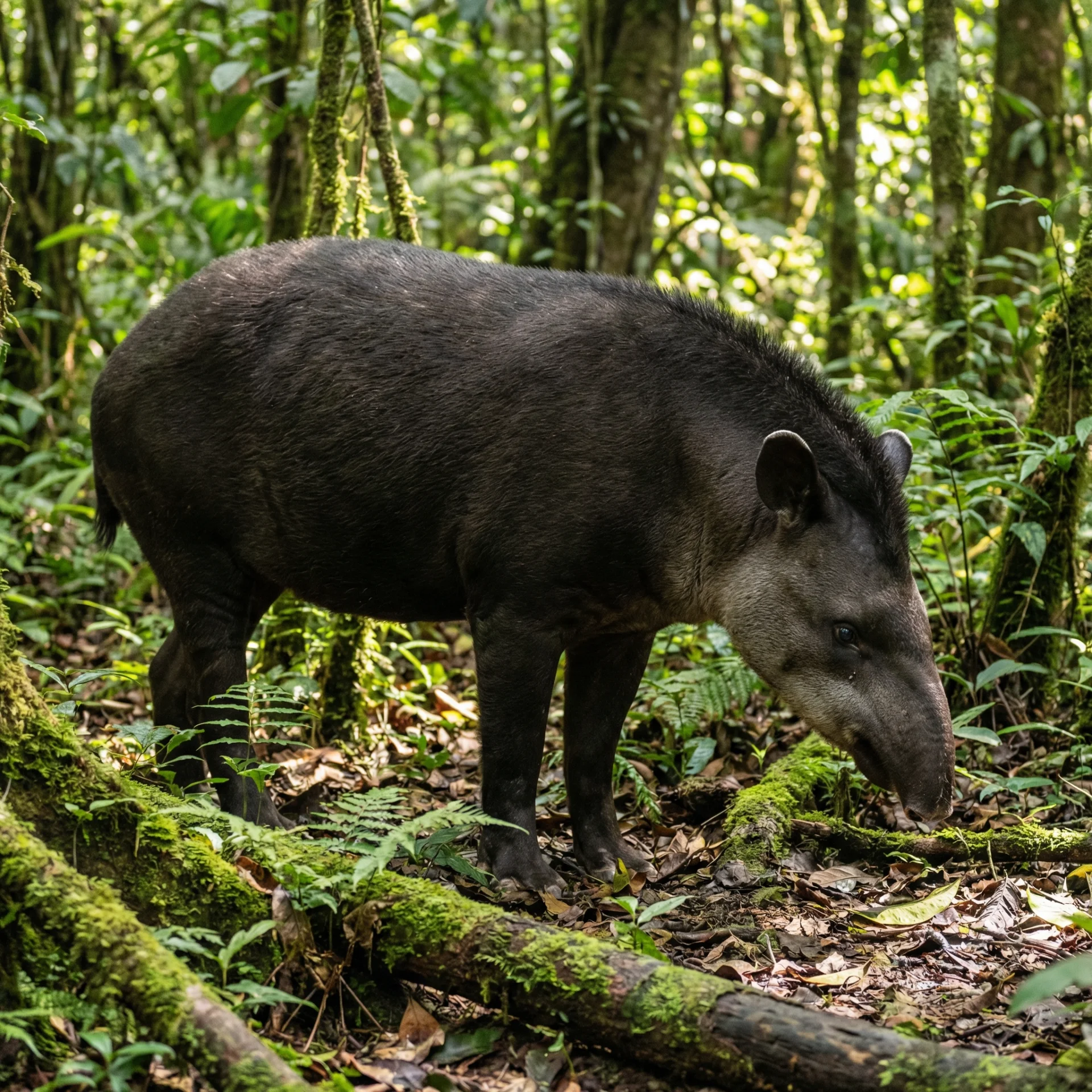
The South American tapir has a compact, robust body with relatively short, sturdy legs, a thick neck, and a rounded rump. The overall pelage color is dark brown to reddish-brown, with a paler face. The round, dark ears have conspicuous white rims. A low, erect crest of coarse hair extends along the sagittal crest from the crown to the back of the neck, giving rise to the common name "maned tapir." The tail is vestigial, measuring only 5–10 cm.

Neonates display a cryptic coat pattern of dark brown fur marked with white spots and horizontal stripes, which serve as camouflage on the forest floor. This juvenile pattern fades by approximately seven months of age.

Size

MeasurementRangeNotes
Head-body length191–242 cmFemales generally larger than males
Shoulder height77–118 cm (males 83–118 cm; females 83–113 cm)Padilla & Dowler (1994); GBIF
Body mass150–320 kg (average ca. 225 kg)Females typically heavier than males
Tail length5–10 cmVery short across all tapir species

Female South American tapirs are generally larger than males, exhibiting moderate sexual size dimorphism. Maximum body length has been recorded as 221 cm in females and 204 cm in males (Animal Diversity Web).

Key Anatomical Features

Skull and dentition: The skull possesses a prominent sagittal crest that creates a distinctive humped profile. The dental formula is I 3/3, C 1/1, P 4/3, M 3/3 = 42. The cheek teeth are lophodont (bearing transverse ridges), well adapted for grinding plant material. A diastema separates the canines from the premolars.

Proboscis: The most distinctive feature of tapirs is their short, flexible proboscis, composed entirely of soft tissue with markedly reduced bony and cartilaginous support compared to other ungulates (Witmer, Sampson & Solounias, 1999). Highly mobile and prehensile, it is used to grasp leaves, branches, and fruit, and can also serve as a snorkel when the animal is submerged.

Limbs and feet: The forefeet bear four toes (the outer toe is vestigial), while the hind feet have three toes, each equipped with a broad hoof that provides stable traction on soft, muddy substrates.

Digestive system: Like other perissodactyls, the South American tapir is a non-ruminant with a simple stomach. A well-developed cecum supports microbial hindgut fermentation of cellulose, a digestive strategy shared with horses and rhinoceroses.

4. Ecology and Behavior

Diet

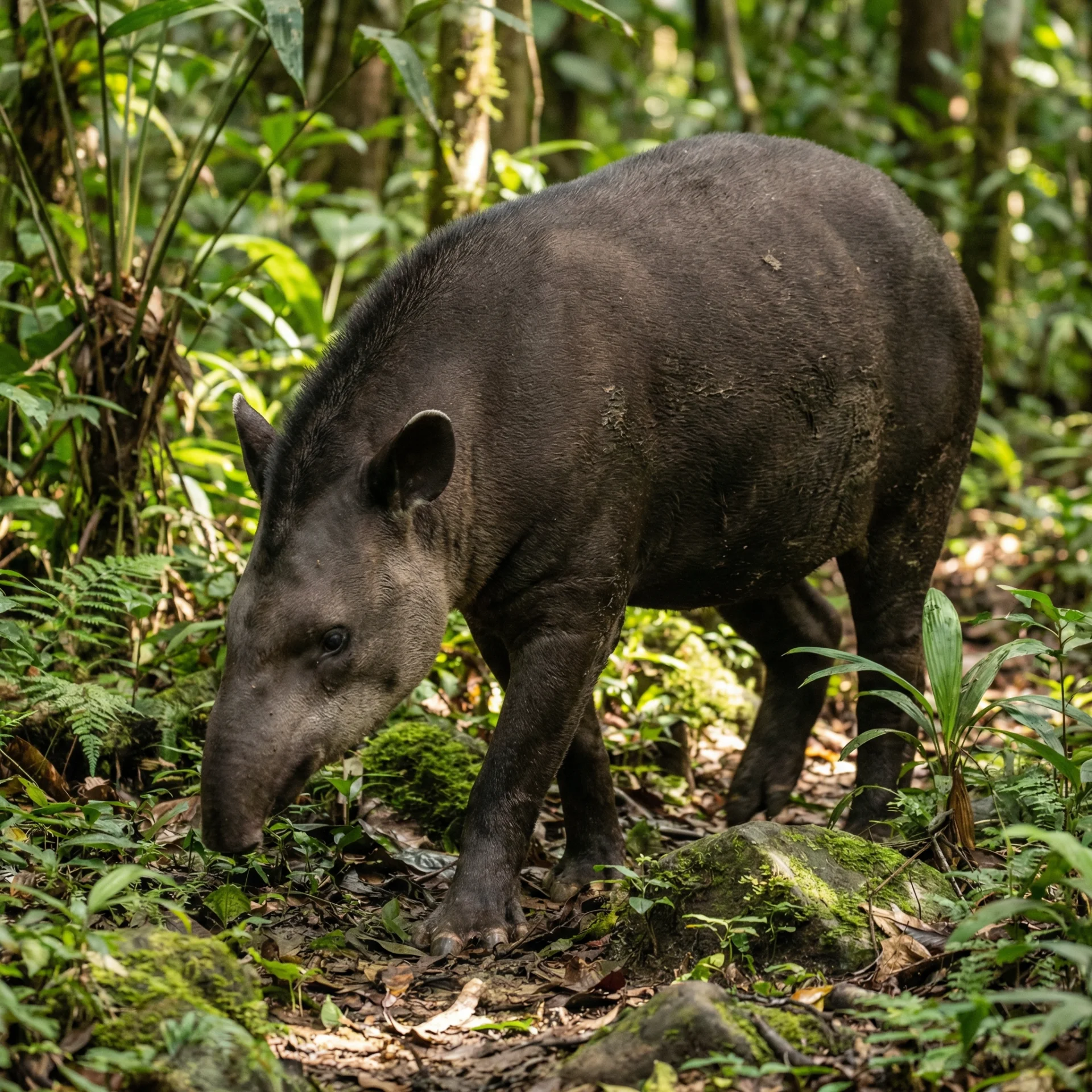
The South American tapir is an obligate herbivore that feeds on leaves, buds, shoots, young branches, fruits, grasses, aquatic plants, and seeds. It uses its prehensile proboscis to strip foliage and fruit from vegetation. Preferred food plants include mombins (Spondias spp.), genipap (Genipa americana), and moriche palm (Mauritia flexuosa) (Salas & Fuller, 1996; Animal Diversity Web). An integrated botanical-genetic-ethnobotanical study of tapir diet in French Guiana (Hibert et al., 2011) confirmed that the species consumes an exceptionally diverse array of plant species.

Stable carbon isotope analysis (δ¹³C) of fossil remains confirms a diet dominated by C3 plants (forest-derived vegetation) (Leoni et al., 2023).

Seed Dispersal Role

The South American tapir has been identified as a keystone seed disperser capable of distributing seeds from over 460 plant species (O'Farrill, Galetti & Campos-Arceiz, 2013). Most seeds pass through the digestive tract intact and are deposited across the animal's extensive home range in dung piles, facilitating long-distance seed dispersal. Fragoso & Huffman (2000) demonstrated this role at Maracá Island Ecological Reserve, Brazil, and Fragoso (2003) experimentally showed that tapir-mediated long-distance clumped dispersal significantly increased seed survival and seedling establishment.

Social Structure

The species is fundamentally solitary. Individuals are rarely seen together except during the mating period or when females are accompanied by dependent offspring. Despite limited vision, tapirs have a highly developed sense of smell, which is critical for territory marking and individual recognition.

Communication

South American tapirs employ a range of vocalizations: a high-pitched shriek expressing fear, distress, or pain; clicking sounds used for individual identification during the mating season; a nasal snort signaling aggression; and a puffing noise indicating irritation. Chemical communication is also important—individuals urinate at regular sites (latrines) and use secretions from facial glands to demarcate territorial boundaries.

Activity Patterns

The species is predominantly nocturnal. Camera-trap studies (Cruz et al., 2014) indicate that approximately 89% of activity records fall between 18:00 and 07:00 h. Tapirs rest in forest cover during the day and emerge at night to forage and move. Crepuscular activity has been documented in some open-habitat populations. A bimodal nocturnal activity pattern with two peaks has been observed in multiple study areas (Burs et al., 2022).

Home Range

Medici's (2010, 2011) 12-year radio-telemetry study in Brazil recorded home ranges of approximately 1.1–14.2 km², with substantial variation depending on habitat type and degree of fragmentation. In fragmented Atlantic Forest (Morro do Diabo State Park), average home ranges were approximately 4.7 km², notably larger than in contiguous habitats. A more recent GPS study (2022) estimated mean home range at approximately 8.31 km² (95% CI: 6.53–10.42 km²), with no significant difference detected between sexes or age groups.

Geophagy

South American tapirs regularly visit natural mineral licks (collpas) to consume clay (Montenegro, 1998). This geophagy is believed to serve two primary functions: neutralization of plant secondary metabolites (alkaloids and tannins) and supplementation of essential minerals such as sodium. Camera-trap monitoring shows that mineral lick visitation occurs year-round (Link, 2012; Griffiths et al., 2020).

Predators and Anti-Predator Behavior

Major natural predators of adults include the jaguar (Panthera onca), puma (Puma concolor), black caiman (Melanosuchus niger), Orinoco crocodile (Crocodylus intermedius), and green anaconda (Eunectes murinus). When threatened, tapirs typically flee into water or dense vegetation. If cornered, they are capable of defending themselves with a powerful bite. Their predominantly nocturnal habits are thought to reduce predation risk.
5. Reproduction and Life History

Breeding Season and Mating

The South American tapir can breed year-round, although a concentration of mating activity in April through June has been reported in some populations. The mating system has not been definitively established, but observations of males biting each other's feet in competition for estrous females suggest a polygynous arrangement.

Gestation and Birth

The gestation period is approximately 380–395 days (mean ca. 390 days, or roughly 13 months), which is long even among large mammals. The estrous cycle averages 50–80 days, with estrus lasting approximately 48 hours. A single offspring is produced per birth, weighing approximately 3.2–5.8 kg at birth.

Parental Care and Development

Neonates are precocial. Maternal care is exclusive; males play no role in rearing. Weaning is typically completed at 6–10 months of age, and most young become independent by approximately 18 months. Females generally reach sexual maturity at 2–3 years of age. The inter-birth interval is approximately two years. The oldest female recorded to produce offspring in captivity was 28 years old.

Lifespan

Wild lifespan is estimated at approximately 25–30 years, though direct long-term tracking data from wild populations remain limited. In captivity, individuals commonly reach 35 years, with a maximum recorded longevity of approximately 39.6 years (AnAge database).

6. Distribution and Habitat

Natural Range

The South American tapir is distributed across tropical and subtropical lowlands east of the Andes in South America. Its range encompasses Colombia, Venezuela, Guyana, Suriname, French Guiana, Ecuador, Peru, Bolivia, Brazil, Paraguay, and northern Argentina. It is absent from Chile and locations west of the Andean cordillera. Occasional vagrant individuals have been observed on the southern coast of Trinidad (having crossed a narrow sea channel from Venezuela), but no breeding population exists there.

In a notable conservation milestone, the species was observed in the state of Rio de Janeiro, Brazil, in 2024 for the first time since 1914, indicating that the state's forests may once again be capable of supporting populations of large mammals.

Habitat Types

The core habitat is tropical lowland moist forest (Amazonian rainforest), but the species also occupies floodplains (várzea), swamps, Atlantic Forest, Cerrado savanna, the Pantanal wetlands, dry Chaco woodlands, and montane forest. It has been recorded from sea level up to approximately 4,500 m elevation (Animal Diversity Web), though the highest population densities occur below approximately 2,000 m in areas with lush vegetation and annual rainfall of 2,000–4,000 mm.

The species shows a pronounced affinity for riparian zones and is consistently found near rivers, lakes, and wetlands.

Historical Range Changes

The distribution of T. terrestris has contracted significantly, particularly in the Atlantic Forest and Cerrado biomes. Medici et al. (2022) documented that the 48 confirmed tapir populations in the Atlantic Forest occupy only approximately 26,654 km², or about 1.78% of the species' original range within that biome. Teixeira et al. (2016) estimated that the Cerrado and Atlantic Forest together account for nearly half (48.19%) of total habitat loss across the species' range.

7. Conservation Status and Threats

IUCN Red List Assessment

The IUCN Red List classifies the South American tapir as Vulnerable (VU) (Varela et al., 2019). The species is listed in CITES Appendix II, which regulates international trade. The United States Fish and Wildlife Service (USFWS) has classified it as Endangered since 1970.

Population Estimate and Trend

No reliable estimate of total global wild population size exists for the South American tapir. In the Atlantic Forest specifically, Medici et al. (2022) estimated that approximately 2,665–15,992 individuals remain across 48 confirmed populations. The overall population trend is assessed as decreasing.

Major Threats

The most significant threats facing the South American tapir include the following. Habitat destruction and fragmentation driven by agricultural expansion, cattle ranching, urbanization, and infrastructure development (especially road construction) represent the most pervasive threat. Loss has been particularly severe in the Atlantic Forest and Cerrado. Illegal hunting for bushmeat continues throughout much of the range, providing a substantial protein source for rural communities. Additional threats include competition with livestock, disease transmission from domestic animals, roadkill mortality, and pesticide contamination (particularly in the Cerrado).

Population isolation is considered the most severe long-term threat. Medici et al. (2022) estimated that up to 93.8% of tapir populations in the Atlantic Forest are vulnerable to extinction within the next 100 years due to isolation.

Conservation Measures

The South American tapir occurs in numerous protected areas throughout its range and is legally protected from hunting in most range countries, though enforcement is often inadequate. The Lowland Tapir Conservation Initiative, led by Brazil's IPÊ (Instituto de Pesquisas Ecológicas), has conducted a long-term (30+ year) program of population monitoring, ecological research, and environmental education across the Atlantic Forest, Pantanal, Cerrado, and Amazon biomes. The IUCN SSC Tapir Specialist Group (TSG) coordinates international conservation efforts for all four extant tapir species.

8. Relationship with Humans

Economic Value and Use

Historically, the South American tapir has been an important source of bushmeat and hides for indigenous peoples and rural communities across South America, providing significant protein to local diets. In Brazil, there are historical accounts of tapirs being domesticated to pull plows and carry children. Today the species is maintained in numerous zoos worldwide and is a target species for ecotourism.

Cultural Significance

The tapir holds considerable symbolic importance in South American indigenous cultures. Among the Inga people of Colombia, the tapir is considered sacred, and an indigenous guardian program has been established specifically for tapir conservation (Mongabay, 2024). The Piapoco and other indigenous groups use the tapir as a clan animal. The Tupi-derived name anta is deeply embedded in Brazilian culture, and many Amazonian indigenous groups connect the tapir to creation myths. More broadly, in South American folklore, tapirs are associated with the creation of the earth.

In East Asia (Japan, China, and Korea), tapirs are associated with the mythological creature baku (貘), said to devour nightmares, and the word for tapir in these languages derives from the name of this legendary beast.

Ethnozoological Uses

In rural Brazil, folk medicine traditions include the use of ground tapir hooves to prepare a tea believed to treat cardiac ailments and epilepsy (Tapir Conservation journal).

9. Comparison with Related Species

The four extant tapir species are compared below:

SpeciesScientific NameDistributionWeight (kg)IUCN StatusKey Feature
South American tapirT. terrestrisSouth America, east of Andes150–320VULargest native land mammal of South America
Mountain tapirT. pinchaqueAndes highlands (Colombia–Peru)136–250ENSmallest tapir; adapted to high altitude with thick, woolly fur
Baird's tapirT. bairdiiMexico to Colombia (Central America)150–400ENLargest land mammal of Central America
Malayan tapirT. indicusSoutheast Asia (Malay Peninsula, Sumatra)250–540ENLargest extant tapir; distinctive black-and-white pelage

The South American tapir has the broadest geographic range of any living tapir species and is the second largest after the Malayan tapir. It is most closely related phylogenetically to the mountain tapir (T. pinchaque), but the two differ markedly in habitat preference (lowland vs. highland) and pelage (short mane vs. thick woolly coat).

10. Uncertainties and Common Misconceptions

Confirmed, Probable, and Hypothetical Findings

Confirmed: Largest native terrestrial mammal in South America; range spanning tropical and subtropical lowlands east of the Andes; IUCN VU; dental formula I 3/3, C 1/1, P 4/3, M 3/3 = 42; solitary and predominantly nocturnal; year-round reproduction; gestation of approximately 13 months; keystone seed disperser.

Probable/well-supported: T. kabomani is likely not a valid species but rather a regional variant or subspecies of T. terrestris (supported by TSG, ASM MDD, and multiple independent studies). The overall population is declining.

Hypothetical/uncertain: The total wild population size has not been reliably estimated across the full range. The wild lifespan estimate of 25–30 years is based on indirect evidence, as long-term individual tracking data from wild populations remain scarce. Home range size varies considerably (1.1–14.2 km²) depending on habitat, and a standardized range cannot yet be established. The mating system has not been conclusively determined.

Taxonomic and Ecological Uncertainties

The precise taxonomic interpretation of the phylogeographic sub-structure within T. terrestris (i.e., whether any clades warrant subspecific recognition) remains unresolved. Social behavior and interactions are also poorly understood and require further study (Pinho et al., 2014).

Common Misconceptions

Tapirs are sometimes mistakenly assumed to be related to elephants due to their proboscis; in fact, they belong to the order Perissodactyla and are more closely related to horses and rhinoceroses. The phrase "living fossil" is occasionally applied to tapirs, but while the family Tapiridae has an ancient lineage (ca. 41 million years), the extant species diverged relatively recently, during the Pleistocene. The body plan has been conserved, but the living species are not unchanged relics.

Fun Facts

💡

The South American tapir is the largest native terrestrial mammal in South America, weighing up to 320 kg, and is often called the 'last Neotropical megaherbivore.'

💡

Linnaeus originally described this species in 1758 as a 'terrestrial hippopotamus' (Hippopotamus terrestris) before it was reclassified into the genus Tapirus.

💡

The tapir's flexible proboscis is composed almost entirely of soft tissue with barely any bone or cartilage, functioning like a short elephant trunk that can grasp food and even serve as a snorkel underwater.

💡

South American tapirs can potentially disperse seeds from over 460 plant species, earning them the nickname 'gardeners of the forest' for their critical role in tropical forest regeneration.

💡

Tapirs have four toes on each front foot and three on each hind foot—a primitive trait that distinguishes them from their fellow perissodactyls: horses (one toe) and rhinoceroses (three toes).

💡

Newborn tapirs are covered in white spots and horizontal stripes on a dark brown coat, resembling a watermelon pattern, which provides camouflage on the dappled forest floor. This pattern fades by about seven months of age.

💡

South American tapirs are superb swimmers and divers, capable of walking along river bottoms and using their proboscis as a snorkel to breathe while submerged.

💡

With a gestation period of approximately 13 months (380–395 days) and only one calf born every two years, the South American tapir has one of the slowest reproductive rates among large herbivores.

💡

Tapirs regularly eat clay at natural mineral licks, a behavior called geophagy, which is thought to neutralize plant toxins and supplement essential minerals in their diet.

💡

In 2024, the South American tapir was observed in the Brazilian state of Rio de Janeiro for the first time in 110 years, symbolizing the recovery of the region's forests.

💡

The word 'tapir' comes from the Old Tupi indigenous term 'tapi'ira,' which originally referred specifically to this species (T. terrestris) in Brazil.

💡

In Japanese, Chinese, and Korean, the tapir shares its name with the mythological creature 'baku' (貘), a beast believed to devour nightmares.

FAQ

?What animals are the South American tapir most closely related to?

The South American tapir belongs to the order Perissodactyla (odd-toed ungulates) and is most closely related to horses (Equidae) and rhinoceroses (Rhinocerotidae). Despite a superficial resemblance due to its proboscis, it is not related to elephants, which belong to the entirely separate order Proboscidea. The family Tapiridae has a fossil record extending back approximately 41 million years.

?What is the purpose of the tapir's proboscis (trunk-like nose)?

The tapir's flexible proboscis is composed entirely of soft tissue and functions as a prehensile organ for grasping leaves, branches, and fruit. It is an example of convergent evolution with the elephant's trunk, though far shorter. The proboscis can also be used as a snorkel when the animal is submerged in water, allowing it to breathe while walking along river bottoms.

?Why is the South American tapir called the 'gardener of the forest'?

The South American tapir consumes fruits from hundreds of plant species and deposits intact seeds across its extensive home range via dung. This long-distance seed dispersal is critical for maintaining tropical forest plant diversity and facilitating forest regeneration. Studies have shown that tapir-mediated dispersal significantly increases seed survival and seedling establishment, earning the species its informal title of 'gardener of the forest.'

?What is the conservation status of the South American tapir?

The IUCN Red List classifies the South American tapir as Vulnerable (VU) based on the 2019 assessment by Varela et al. It is also listed in CITES Appendix II. Major threats include habitat destruction and fragmentation, illegal poaching for bushmeat, competition with livestock, and roadkill. In the Atlantic Forest specifically, tapir populations occupy only about 1.78% of their original range within that biome, with up to 93.8% of populations at risk of extinction from isolation.

?Can South American tapirs swim?

Yes, South American tapirs are excellent swimmers and divers. They show a strong preference for living near water and are frequently observed swimming in rivers and lakes. They can dive to feed on aquatic vegetation and walk along river bottoms. When pursued by predators, they often escape into water as a defensive strategy.

?Is the kabomani tapir (Tapirus kabomani) a separate species?

This remains a subject of scientific debate. Cozzuol et al. described it as a new species in 2013, but subsequent morphological and genetic analyses have raised serious doubts about its validity. The IUCN Tapir Specialist Group does not recognize it as a distinct species, and the ASM Mammal Diversity Database treats it as a synonym of T. terrestris. The prevailing scientific view is that it likely represents a regional variant or subspecies of the South American tapir.

?What are the natural predators of the South American tapir?

Major predators of adult South American tapirs include the jaguar (Panthera onca), puma (Puma concolor), black caiman (Melanosuchus niger), and green anaconda (Eunectes murinus). Jaguars and black caimans are considered the most significant, often attacking tapirs at night when the animals leave the water to rest on riverbanks.

?How long is the gestation period of the South American tapir?

The gestation period is approximately 380–395 days (about 13 months), which is long even among large mammals. Only a single offspring is produced per birth, and the inter-birth interval is approximately two years. This low reproductive rate makes population recovery slow and increases the conservation vulnerability of the species.

?Is the South American tapir nocturnal?

Predominantly, yes. Camera-trap studies (Cruz et al., 2014) show that about 89% of activity records occur between 18:00 and 07:00. Tapirs typically rest in forest cover during the day and emerge at night to forage and move. Some crepuscular activity has been documented in certain populations, and a bimodal nocturnal activity pattern with two peaks is commonly observed.

?Why do South American tapirs eat clay at mineral licks?

South American tapirs regularly visit natural mineral licks (known as collpas) to consume clay, a behavior called geophagy. This is believed to serve two main purposes: neutralizing plant toxins (alkaloids and tannins) ingested during feeding, and supplementing essential minerals such as sodium that may be deficient in their plant-based diet. Camera-trap monitoring confirms that mineral lick visits occur throughout the year.

📚References

  • Linnaeus, C. (1758). Systema Naturae per Regna Tria Naturae, Secundum Classes, Ordines, Genera, Species, cum Characteribus, Differentiis, Synonymis, Locis. Tomus I. Editio Decima, Reformata. Stockholm: L. Salvius. 824 pp.
  • Padilla, M. & Dowler, R.C. (1994). Tapirus terrestris. Mammalian Species, 481: 1–8. https://doi.org/10.2307/3504109
  • Varela, D., Flesher, K., Cartes, J.L., de Bustos, S., Chalukian, S., Ayala, G. & Richard-Hansen, C. (2019). Tapirus terrestris. The IUCN Red List of Threatened Species 2019: e.T21474A45174127. https://doi.org/10.2305/IUCN.UK.2019-1.RLTS.T21474A45174127.en
  • de Thoisy, B., da Silva, A.G., Ruiz-García, M., Tapia, A., Ramirez, O., Arana, M., Quse, V., Paz-y-Miño, C., Tobler, M., Pedraza, C. & Lavergne, A. (2010). Population history, phylogeography, and conservation genetics of the last Neotropical mega-herbivore, the lowland tapir (Tapirus terrestris). BMC Evolutionary Biology, 10: 278. https://doi.org/10.1186/1471-2148-10-278
  • Cozzuol, M.A., Clozato, C.L., Holanda, E.C., Rodrigues, F.H.G., Nienow, S., de Thoisy, B., Redondo, R.A.F. & Santos, F.R. (2013). A new species of tapir from the Amazon. Journal of Mammalogy, 94(6): 1331–1345. https://doi.org/10.1644/12-MAMM-A-169.1
  • Voss, R.S., Helgen, K.M. & Jansa, S.A. (2014). Extraordinary claims require extraordinary evidence: a comment on Cozzuol et al. (2013). Journal of Mammalogy, 95(4): 893–898. https://doi.org/10.1644/14-MAMM-A-054
  • Ruiz-García, M., Castellanos, A., Bernal, L.A., Pinedo-Castro, M., Kaston, F. & Shostell, J.M. (2016). Mitogenomics of the mountain tapir (Tapirus pinchaque, Tapiridae, Perissodactyla, Mammalia) in Colombia and Ecuador: Phylogeography and insights into the origin and systematics of the South American tapirs. Mammalian Biology, 81(2): 163–175. https://doi.org/10.1016/j.mambio.2015.11.001
  • Fragoso, J.M.V. & Huffman, J.M. (2000). Seed-dispersal and seedling recruitment patterns by the last Neotropical megafaunal element in Amazonia, the tapir. Journal of Tropical Ecology, 16(3): 369–385. https://doi.org/10.1017/S0266467400001462
  • O'Farrill, G., Galetti, M. & Campos-Arceiz, A. (2013). Frugivory and seed dispersal by tapirs: an insight on their ecological role. Integrative Zoology, 8(1): 4–17. https://doi.org/10.1111/j.1749-4877.2012.00316.x
  • Cruz, P., Paviolo, A., Bó, R.F., Thompson, J.J. & Di Bitetti, M.S. (2014). Daily activity patterns and habitat use of the lowland tapir (Tapirus terrestris) in the Atlantic Forest. Mammalian Biology, 79(6): 376–383. https://doi.org/10.1016/j.mambio.2014.06.003
  • Medici, E.P. (2010). Assessing the viability of lowland tapir populations in a fragmented landscape. PhD Thesis, University of Kent. 276 pp.
  • Medici, E.P., Flesher, K., Beisiegel, B.M., Keuroghlian, A., Desbiez, A.L.J., Gatti, A., et al. (2022). The distribution and conservation status of Tapirus terrestris in the South American Atlantic Forest. Neotropical Biology and Conservation, 17(1): 1–23. https://doi.org/10.3897/neotropical.17.e71867
  • Witmer, L.M., Sampson, S.D. & Solounias, N. (1999). The proboscis of tapirs (Mammalia: Perissodactyla): a case study in novel narial anatomy. Journal of Zoology, 249(2): 249–267. https://doi.org/10.1111/j.1469-7998.1999.tb00763.x
  • Hibert, F., Sabatier, D., Andrivot, J., Scotti-Saintagne, C., Gonzalez, S., Prévost, M.-F., et al. (2011). Botany, genetics and ethnobotany: a crossed investigation on the elusive tapir's diet in French Guiana. PLoS ONE, 6(10): e25850. https://doi.org/10.1371/journal.pone.0025850
  • Hershkovitz, P. (1954). Mammals of northern Colombia, preliminary report No. 7: Tapirs (genus Tapirus), with a systematic review of American species. Proceedings of the United States National Museum, 103(3329): 465–496.
  • Montenegro, O.L. (1998). The behavior of lowland tapir (Tapirus terrestris) at a natural mineral lick in the Peruvian Amazon. M.Sc. Thesis, University of Florida.
  • Grubb, P. (2005). Order Perissodactyla. In: Wilson, D.E. & Reeder, D.M. (eds.), Mammal Species of the World: A Taxonomic and Geographic Reference, 3rd ed. Johns Hopkins University Press, p. 634.
  • ICZN (2024). Opinion 2503 (Case 3650) – Tapirus pygmaeus van Roosmalen & van Hooft, 2013: confirmation of availability. Bulletin of Zoological Nomenclature, 81(1): 137–138. https://doi.org/10.21805/bzn.v81.a026
  • Pinho, G.M., da Silva, A.G., Hrbek, T., Venticinque, E.M. & Farias, I.P. (2014). Kinship and social behavior of lowland tapirs (Tapirus terrestris) in a central Amazon landscape. PLoS ONE, 9(3): e92507. https://doi.org/10.1371/journal.pone.0092507
  • Burs, K., Bertassoni, A., Tófoli, C.F. & Ferreguetti, A.C. (2022). Spatial and temporal adaptations of lowland tapirs (Tapirus terrestris) in fragmented landscapes of southeastern Brazil. Life, 13(1): 66. https://doi.org/10.3390/life13010066

Gallery

6 images
  • South American Tapir (Tapirus terrestris) 1
    South American Tapir

    South American Tapir · Herbivore

  • South American Tapir (Tapirus terrestris) 2
    South American Tapir

    South American Tapir · Herbivore

  • South American Tapir (Tapirus terrestris) 3
    South American Tapir

    South American Tapir · Herbivore

  • South American Tapir (Tapirus terrestris) 4
    South American Tapir

    South American Tapir · Herbivore

  • South American Tapir (Tapirus terrestris) 5
    South American Tapir

    South American Tapir · Herbivore

  • South American Tapir (Tapirus terrestris) 6
    South American Tapir

    South American Tapir · Herbivore

🔗Related Creatures