Lion
Carnivore Creature Type
Panthera leo
Scientific Name: "The generic name Panthera derives from classical Latin 'panthēra' and ancient Greek πάνθηρ (panthēr, 'panther' or 'leopard'). The specific epithet leo is Latin for 'lion,' cognate with Greek λέων (leōn). The common English name 'lion' traces through Old French and Latin leo to the same Greek root."
Physical Characteristics
Discovery
Habitat
보전·개체·수명

The lion (Panthera leo Linnaeus, 1758) is a large carnivorous felid of the genus Panthera, family Felidae. It is the second-largest living cat after the tiger, with males reaching head-body lengths of approximately 1.7–2.5 m and weights of 150–250 kg. The male's iconic mane — unique among all felids — is the most conspicuous example of sexual dimorphism in the cat family. Lions inhabit sub-Saharan Africa and a single population in India's Gujarat state, and are the only felid to form true social groups known as prides.
As of the 2023 IUCN Red List assessment, the lion is classified as Vulnerable (VU) (Nicholson et al., 2023). The inaugural IUCN Green Status assessment, published on 27 March 2025, classified the species as 'Largely Depleted' with a species recovery score of just 30% (range: 23–33%) (Nicholson et al., 2024). Wild population estimates for Africa vary considerably depending on the source: the IUCN Cat Specialist Group (CatSG) estimates approximately 22,000–25,000 adult and subadult lions (IUCN CatSG, 2025), while LionAid's 2025 synthesis places the figure at approximately 13,356 (LionAid, 2025). In India's Gir landscape, the 16th Asiatic Lion Census (May 2025) recorded 891 individuals — a 32.2% increase from 674 in 2020 (Gujarat Forest Department, 2025). By 2025, the lion's extant range had contracted to approximately 566,675 km², or roughly 6.1% of its historical range (IUCN CatSG, 2025), representing an ongoing catastrophic decline from an estimated 200,000+ individuals at the start of the 20th century.
Known as the "King of Beasts," the lion has served as a symbol of power, royalty, and courage since the civilizations of ancient Egypt, Mesopotamia, Greece, and Rome, and remains the most frequently depicted animal in European heraldry. The species' dramatic population collapse over the past century stands as one of the most urgent cases in modern wildlife conservation.
1. Overview
The generic name Panthera derives from the classical Latin panthēra and the ancient Greek πάνθηρ (panthēr, 'panther' or 'leopard'). A popular but debated folk etymology connects it to Greek πᾶν (pan, 'all') + θήρ (thēr, 'beast'), though a derivation from Sanskrit puṇḍarīka ('tiger') has also been proposed. The specific epithet leo is Latin for 'lion,' cognate with Greek λέων (leōn).
Carl Linnaeus first described the lion as Felis leo in the 10th edition of Systema Naturae (1758). Lorenz Oken transferred the species to the genus Panthera in 1816. The type locality is Constantia, South Africa.
The lion is currently recognized as a single valid species, Panthera leo, divided into two subspecies following the 2017 IUCN Cat Specialist Group taxonomic revision (Kitchener et al., 2017). Previously recognized subspecies such as the Barbary lion, Cape lion, Masai lion, and Transvaal lion are now treated as regional populations within these two subspecies. The lion occupies a unique position within Felidae as the only truly social species and the only species in which males develop a mane.
2. Taxonomy and Phylogeny
| Taxonomic Rank | Taxon |
|---|---|
| Kingdom | Animalia |
| Phylum | Chordata |
| Class | Mammalia |
| Order | Carnivora |
| Family | Felidae |
| Subfamily | Pantherinae |
| Genus | Panthera |
| Species | P. leo |
The common ancestor of the genus Panthera is estimated to have originated in Asia approximately 10.95 million years ago (95% CI: 8.58–13.85 Ma) (Davis et al., 2010). Molecular phylogenetic analyses consistently place the lion as sister to the leopard (P. pardus), with their divergence estimated at approximately 3.8–1.9 Ma. The jaguar (P. onca) forms the outgroup to the lion–leopard clade, while the tiger (P. tigris) and snow leopard (P. uncia) occupy more basal positions.
De Manuel et al. (2020, PNAS) reported that the cave lion (P. spelaea) and modern lion shared a common ancestor approximately 500,000 years ago, with no evidence of post-divergence hybridization. However, a January 2026 study in PNAS analyzing ancient DNA from Japanese cave lion specimens revised this divergence estimate significantly upward to approximately 1.85–1.89 Ma (95% CI: 1.23–2.93 Ma), suggesting a much deeper evolutionary separation between cave and modern lions than previously understood. Within modern lions, the two major lineages (northern and southern) separated approximately 70,000 years ago, with some evidence of subsequent gene flow.
A 2024 bioRxiv preprint reported that modern lion lineages diverged approximately 151,000 years ago, with both subspecies containing three distinct mitochondrial haplogroups. Mitogenomic research confirmed that the Asiatic lion is not an independent subspecies but a haplogroup within the Northern subspecies (P. l. leo), representing a lineage that left Africa at least approximately 31,000 years ago.
The 2017 IUCN Cat Specialist Group revision recognized two subspecies based on genetic evidence (Kitchener et al., 2017):
Northern lion (Panthera leo leo): Distributed across West Africa, Central Africa, historically North Africa, and India. The Asiatic lion (Gir Forest, India) is included within this subspecies. Listed as Endangered (EN) by the IUCN; mature individuals in West Africa number fewer than approximately 250. Males tend to have less developed manes. On the IUCN Green Status, the Northern lion has a species recovery score of just 22%, the lowest of the subspecies, and is regionally extinct in North Africa and Southwest Asia.
Southern lion (Panthera leo melanochaita): Distributed across southern and eastern Africa. Listed as Vulnerable (VU) by the IUCN. Includes populations in the Serengeti–Mara ecosystem, Kruger National Park, Okavango Delta, and other major protected areas. The majority of African lions belong to this subspecies.
The contact zone between the two subspecies occurs in Ethiopia, possibly extending into Sudan and South Sudan (Bertola et al., 2021, 2022). A 2024 study (Genome Biology and Evolution) revealed that lions in the Addis Ababa Zoo represent a genetically distinct population.
The oldest definitive lion fossils come from Laetoli and Olduvai Gorge in Tanzania and the Omo Valley in Ethiopia, dated to approximately 3.5–1.8 Ma. During the Pleistocene, lions were among the most widespread large terrestrial mammals on Earth, ranging across all of Africa, most of Eurasia (Britain to Siberia), and North America (Alaska to Mexico).
The cave lion (Panthera spelaea) appeared in Europe–Siberia approximately 370,000 years ago and went extinct approximately 13,000 years ago. Depictions in the cave paintings of Chauvet and Lascaux show animals with no mane or very small manes, indicating morphological differences from modern lions. The American lion (Panthera atrox) reached North America via the Bering Land Bridge approximately 340,000 years ago and went extinct approximately 11,000 years ago; it is estimated to have weighed 351–457 kg, considerably larger than any living lion.
3. Morphology and Anatomy
The lion is the second-largest felid and exhibits pronounced sexual dimorphism.
Males have a head-body length of approximately 1.7–2.5 m, tail length of approximately 0.9–1.05 m, shoulder height of approximately 1.0–1.2 m, and body mass of approximately 150–250 kg. Regional averages vary: southern African males average approximately 186.5–225 kg, East African males approximately 174.9 kg, and Indian males approximately 160–190 kg. The largest wild male on record weighed approximately 313 kg (1936, Transvaal, South Africa); in captivity, weights of up to approximately 375 kg have been reported.
Females have a head-body length of approximately 1.4–1.75 m, tail length of approximately 0.7–1.0 m, shoulder height of approximately 0.9–1.1 m, and body mass of approximately 110–180 kg. Southern African females average approximately 118–144 kg, East African females approximately 119.5 kg, and Indian females approximately 110–120 kg.
Southern African populations tend to be larger than East African populations on average, and Asiatic lions are slightly smaller than African lions.
The male mane — comprising long hair covering the head, neck, shoulders, and chest — is the lion's most iconic morphological feature. West & Packer (2002, Science) demonstrated that the mane is a product of sexual selection: females prefer males with darker, fuller manes. Dark manes serve as honest signals of high testosterone levels, good nutritional condition, and strong immune function. Mane length correlates with fighting success, and lighter-maned males are attacked more frequently by rivals.
The mane imposes thermoregulatory costs by impeding heat dissipation, which explains why males in hotter regions (Kenya's Tsavo, Senegal) tend to have less developed manes, while those in cooler regions (Serengeti Highlands, South African Highveld) have fuller manes. Mane development shows phenotypic plasticity: the same individual's mane can change in size and coloration depending on environmental conditions. Asiatic lion males generally have less developed manes than African lions, and Kenya's Tsavo region is well known for its "maneless" male lions.
Lions possess excellent nocturnal vision, aided by a tapetum lucidum (reflective layer behind the retina) that enhances sight in low-light conditions; their night vision is estimated to be approximately six times better than a human's. The pupils are round, binocular field of view is approximately 120°, and total field of view is approximately 270°. Color vision is dichromatic: lions can distinguish blue and green but have limited perception of red.
The audible frequency range is approximately 60–65,000 Hz — wider than a human's — and ears can rotate approximately 180° to pinpoint sound direction. Lions can detect prey sounds at distances of approximately 1.6 km. The vomeronasal organ (Jacobson's organ) detects pheromones and chemical signals via the flehmen response, used primarily to assess females' reproductive status.
Skull length measures approximately 33–42 cm in males and 27–33 cm in females. Canine teeth are approximately 6.4–7.6 cm long (crown height) and serve to seize prey and deliver killing bites to the cervical vertebrae or trachea. Carnassial teeth (upper fourth premolar and lower first molar) function as shearing blades. Bite force has been measured at approximately 650–1,000 psi (approximately 4,450 N), comparable to hyenas and tigers but lower than jaguars (approximately 1,500 psi).
The lion's roar is the most powerful vocalization among large felids: approximately 114 dB at 1 m, audible up to approximately 8 km, lasting approximately 40–90 seconds, in the low-frequency range of approximately 40–200 Hz. The Panthera hyoid apparatus is partially ossified, allowing great laryngeal flexibility, and the lion's vocal folds form a square shape that enables greater sound production. Lions are the only felid that roars in chorus; even young cubs contribute with their own mewing vocalizations. Roaring functions include territory advertisement, location communication among pride members, and social bonding.
4. Ecology and Behavior
Lions are the only truly social felid. The basic social unit — the pride — is a matrilineal group of related females and their offspring, accompanied by 1–4 adult males. Prides typically comprise 2–15 adult females, 1–7 males (usually a coalition of 2–4), and numerous cubs and subadults; large prides may number 30–40 individuals. Average pride sizes have been recorded at 11.3 in Kgalagadi Transfrontier Park, 11.8 in Kruger National Park, and 12.5 in Etosha National Park (Funston, 2011).
Females remain in their natal pride for life, engaging in cooperative hunting, communal nursing (alloparenting), and territory defense. Males leave the pride at 2–3 years of age, forming coalitions (of related or unrelated individuals, typically 2–4) to compete for pride tenure. Coalition males typically hold a pride for approximately 2–3 years before being displaced by younger, stronger rivals. When new males take over a pride, infanticide of existing cubs under approximately 9 months of age is common — a reproductive strategy that induces estrus in females and enables the new males to propagate their own genes more rapidly.
Prides occupy and defend fixed home ranges whose size varies greatly with prey density and habitat. In prey-rich environments such as the Serengeti, ranges span approximately 20–400 km²; in the Kgalagadi Transfrontier Park, approximately 266–4,532 km²; and in Etosha National Park, up to 2,075 km² (Stander, 1991). Territories are marked through urine and fecal scent-marking, claw raking on trees and soil, and roaring.
Lions are opportunistic carnivores and ambush predators that stalk prey before launching short-distance charges. Primary prey consists of medium-to-large ungulates (40–250 kg), with wildebeest, gemsbok, buffalo, giraffe, and zebra being preferred (Hayward & Kerley, 2005). In the Serengeti, buffalo, wildebeest, zebra, and warthog constitute approximately 90% of the lion's diet.
Females hunt cooperatively, assuming specialized roles described as "wings" and "centers" to encircle prey (Stander, 1992). Cooperative pride hunting achieves a success rate of approximately 30%, nearly double that of solitary hunts (approximately 17–19%). Nocturnal hunts are substantially more successful, with rates of 60–88%. Maximum running speed is approximately 70–80 km/h, but this cannot be sustained beyond 200–300 m. Males also hunt and are particularly effective at subduing large prey such as buffalo and in ambush hunting in dense vegetation. An adult lion can consume approximately 25–35 kg of meat in a single sitting.
Regional dietary specializations include elephants (Chobe, Botswana), Cape fur seals (Skeleton Coast, Namibia), and buffalo (Hwange, Zimbabwe). Lions are also active kleptoparasites, frequently stealing kills from other predators.
Lions communicate through vocal (roars, growls, meows), visual (posture, tail position, ear orientation), tactile (head rubbing, social grooming), and chemical (urine marking, flehmen response) signals. Roaring — audible up to 8 km — serves for territorial proclamation and location signaling among pride members.
Lions are primarily crepuscular to nocturnal, resting an average of 16–20 hours per day and being most active at dusk, night, and dawn. The spotted hyena (Crocuta crocuta) is the lion's primary competitor and occasional prey species; the two species engage in reciprocal kleptoparasitism. Lions also compete with and sometimes kill leopards, cheetahs, and African wild dogs (intraguild predation).
5. Reproduction and Life History
Lions have a polygynandrous mating system. Females reach sexual maturity at approximately 3–4 years; males at approximately 2–3 years, though breeding opportunities are typically limited until they secure pride tenure (usually after age 5). Females experience estrus lasting approximately 3–4 days; if mating is unsuccessful, estrus recurs approximately 2–3 weeks later. During estrus, copulation occurs every 20–30 minutes, totaling 20–50+ times per day.
Gestation lasts approximately 100–119 days (mean approximately 110 days), with litters of 1–6 cubs (mean 2–4). Birth weight is approximately 1.2–2.1 kg; eyes open at approximately 7–15 days. Cubs begin eating meat at approximately 3 months and are weaned by 6–7 months. In the wild, females typically breed no more than once every two years.
In the wild, females typically live approximately 15–16 years and males approximately 10–14 years. Males' shorter lifespan reflects the costs of territory competition, pride takeover battles, and the stresses of nomadic existence. The oldest wild male on record was Loonkito of Amboseli, Kenya, who lived to approximately 19 years (died 2023). In captivity, lions can survive 20+ years, with a maximum of approximately 26–29 years; the captive longevity record is held by Arjun at an Indian rescue center.
Cub mortality is extremely high: approximately 60–80% die before reaching 2 years of age. Principal causes are infanticide (by new incoming males), starvation, predation (by hyenas and leopards), and disease.
6. Distribution and Habitat
During the Pleistocene, lions ranged across all of Africa, most of Eurasia, and North America. In the historical period, they occurred in Greece (until approximately 100 BCE), the Balkans, the Middle East, North Africa (until the early 20th century), and throughout the Indian subcontinent. The last European lions disappeared approximately 2,000 years ago; the Barbary lion became extinct in the wild in the 1920s; and the last Asiatic lion in Iran was shot in 1942. Since 1500 CE, the lion has experienced the largest range contraction of any terrestrial carnivore.
In Africa, lions persist in fragmented populations across approximately 26 sub-Saharan countries. As of 2025, the IUCN CatSG estimates the extant range at approximately 566,675 km², representing just 6.1% of historical range — a continued decline from the 2023 Red List assessment figure of approximately 1,566,530 km² (7.4% of historical range) (IUCN CatSG, 2025; Nicholson et al., 2023). Tanzania holds the world's largest lion population (estimated 8,000–14,500 depending on source), followed by South Africa (approximately 3,284), Botswana (approximately 3,063), Kenya (approximately 2,515), and Zambia (approximately 2,349).
Key habitats include the Serengeti–Mara ecosystem (largest single population), the Okavango–Hwange ecosystem (Botswana/Zimbabwe), the Greater Kruger National Park ecosystem (South Africa), the Selous–Niassa ecosystem (Tanzania), and the Luangwa Valley (Zambia). Southern Africa holds approximately 47.6% of Africa's lions, Eastern Africa approximately 46.5%, Central Africa approximately 4.8%, and West Africa approximately 1.1%.
In West Africa, most populations number fewer than 50 individuals; the largest (approximately 187 lions) occurs in the W–Arly–Pendjari complex spanning Benin, Burkina Faso, and Niger.
In India, lions are confined to Gujarat state's Gir Forest and surrounding areas. The 16th Asiatic Lion Census (May 2025) recorded 891 individuals (330 females, 196 males, 140 subadults, 225 cubs), a 32.2% increase from 674 in 2020 (Gujarat Forest Department, 2025). Notably, only 394 of the 891 were found within the core Gir National Park and Wildlife Sanctuary; the majority now occupy areas outside protected boundaries, indicating range expansion into agricultural and peripheral wild landscapes covering approximately 35,000 km² (Mongabay-India, 2026).
Lions primarily inhabit savanna grasslands, bushveld, dry deciduous woodland, and semi-arid zones. They avoid closed tropical rainforest, likely because open habitat is essential for cooperative hunting tactics requiring clear sightlines. They occur from sea level up to approximately 4,200 m (Bale Mountains, Ethiopia; Mount Kilimanjaro, Tanzania). In arid environments such as the Kalahari, lions can obtain moisture from prey or from tsama melons. Asiatic lions in the Gir Forest inhabit dry deciduous forest, preferring the moistest areas with the densest canopy (Jhala et al., 2009).
7. Conservation Status and Threats
The lion is listed as Vulnerable (VU) on the IUCN Red List (Nicholson et al., 2023), on CITES Appendix II (Indian population on Appendix I), and as "Threatened" under the U.S. Endangered Species Act (ESA). The inaugural IUCN Green Status assessment (27 March 2025) classified the species as 'Largely Depleted' with a species recovery score of 30% (range: 23–33%) (Nicholson et al., 2024). The assessment divided the lion's indigenous range into ten spatial units: the species is most likely absent in two units, viable in only one, and present in the remaining seven. Without ongoing conservation efforts, the species was projected to become extirpated from three additional spatial units within the next decade. Notably, the lion's Conservation Legacy was rated 'High,' meaning that past conservation actions have been instrumental in preventing even greater declines. The Northern lion subspecies (P. l. leo) received a recovery score of just 22%.
| Region | Estimated Population | Trend | Source |
|---|---|---|---|
| Africa (IUCN CatSG) | ~22,000–25,000 (adults + subadults) | Decreasing | IUCN CatSG 2025 |
| Africa (IUCN/Panthera) | ~23,000–39,000 | Decreasing | IUCN 2023 |
| Africa (LionAid) | ~13,356 | Decreasing | LionAid 2025 |
| Eastern + Southern Africa (LionAid) | ~13,014 | Decreasing/Stable | LionAid 2025 |
| Western + Central Africa (LionAid) | ~342 | Critically Decreasing | LionAid 2025 |
| India (Gir) | 891 | Increasing (+32.2%) | Gujarat 2025 |
The considerable discrepancy between the IUCN CatSG estimate of approximately 22,000–25,000 and LionAid's approximately 13,000 reflects differences in survey methodology and regional data availability.
Habitat loss and fragmentation: Human population growth, agricultural expansion, and urbanization have eliminated over 90% of the lion's historical range. Remaining habitat is increasingly fragmented, isolating populations. Habitat loss is the most significant driver of lion decline.
Human–lion conflict: Retaliatory killing in response to livestock depredation is a primary direct cause of lion mortality. Pastoralists kill lions through poisoning, spearing, and shooting. According to WWF, retaliatory killing represents the single greatest direct threat to lions.
Poaching and illegal trade: Lion bones, teeth, claws, and skins are in demand for traditional medicine and ornamentation. Targeted poaching accounts for approximately 35% of known human-caused lion deaths (WWF), with Mozambique being particularly severely affected.
Prey base depletion: A 2025 study reported in Mongabay linked declines in herbivore prey populations directly to lion population declines across Africa.
Disease: Bovine tuberculosis, canine distemper virus (CDV), and feline immunodeficiency virus (FIV) affect lion populations. The 1994 Serengeti CDV outbreak killed approximately 1,000 lions (roughly one-third of the population), serving as a landmark case.
Climate change: Increasing drought frequency and intensity affect prey availability and water access; the 2023 IUCN assessment identified climate change as the most serious emerging global threat.
National parks and reserves across Africa are central to lion conservation. Well-managed, fenced reserves in particular show stable or increasing lion populations (Packer et al., 2013). Successful reintroductions include Mozambique's Zambezi Delta, Rwanda's Akagera, Chad's Zakouma, and Malawi's Liwonde and Majete.
The Asiatic lion recovery in India's Gir Forest is one of the most successful large carnivore conservation stories worldwide: from fewer than approximately 20 individuals in the early 20th century to 891 in 2025. However, concentration in a single site leaves the population vulnerable to disease and natural disasters; the Barda Wildlife Sanctuary is emerging as a potential second site.
Kenya's Lion Guardians program, which engages traditional Maasai warriors in lion monitoring and conflict mitigation, has gained international recognition. In 2025, the Endangered Wildlife Trust (EWT) reported conservation gains through new technologies and cross-border cooperation in southern Africa.
The chromosome-level lion genome assembly (Armstrong et al., 2020) revealed 38 chromosomes, approximately 19,550 protein-coding genes, approximately 42.5% repeat elements, and a genome size of approximately 2.4 Gb.
Dussex et al. (2025, Communications Biology) reported that the Ngorongoro Crater lion population faces genomic diversity loss due to constraints on gene flow. Habitat fragmentation-driven population isolation is causing inbreeding and reduced genetic diversity; forward simulations predict accelerating genomic erosion without management intervention. Asiatic lions exhibit extremely low genetic diversity due to a severe early-20th-century bottleneck (fewer than approximately 20 individuals), and disease susceptibility and reproductive problems remain major conservation challenges.
8. Relationship with Humans
The lion is one of the most powerful animal symbols in human cultural history: a symbol of strength, courage, royalty, and majesty spanning ancient Egypt (goddess Sekhmet), Mesopotamia (Ishtar Gate), Greece (Nemean lion), and Rome. In European heraldry, the lion is the most common animal charge. The epithet "King of Beasts" is used across cultures. In modern times, lions feature prominently in sports teams, national emblems (United Kingdom, Ethiopia, and others), and film (Disney's The Lion King).
The most famous case is the 1898 Tsavo man-eaters incident: two maneless male lions attacked railway workers during the construction of the Kenya–Uganda Railway over approximately nine months. Modern research estimates the death toll at 28–35 individuals (Yeakel et al., 2009). A 2024 study in Current Biology (de Flamingh et al.) extracted DNA from hair trapped in the two lions' broken teeth, identifying mitochondrial DNA from giraffe, human, oryx, waterbuck, wildebeest, and zebra. The absence of buffalo DNA supports the hypothesis that rinderpest-driven ungulate die-offs drove the lions to seek alternative prey. The study also confirmed, through shared maternal mitochondrial genomes, that the two lions were brothers.
Conflict between lions and humans is frequent wherever their ranges overlap, leading to retaliatory killing, poisoning, and poaching. This is especially severe in African agro-pastoral communities. Community-based conservation has emerged as a key strategy for mitigating conflict.
9. Lion vs. Tiger Comparison
The lion and tiger (Panthera tigris) are the two largest Panthera species and are frequently compared.
| Trait | Lion (P. leo) | Tiger (P. tigris) |
|---|---|---|
| Weight (male) | ~150–250 kg | ~180–300+ kg |
| Head-body length | ~1.7–2.5 m | ~1.8–2.8 m |
| Sociality | Pride (social group) | Solitary |
| Habitat | Savanna, grassland, bushveld | Tropical forest, deciduous forest, taiga |
| Distribution | Africa, India (Gir) | Asia (India to Russian Far East) |
| Bite force | ~650–1,000 psi | ~1,000–1,050 psi |
| Mane | Developed in males | Absent |
| Swimming ability | Capable but avoids water | Excellent |
| Hunting style | Cooperative (females) | Solitary ambush |
| IUCN status | Vulnerable (VU) | Endangered (EN) |
| Wild population | ~22,000–25,000 | ~4,500–5,500 |
Tigers are generally larger and more muscular, particularly in forelimb mass, making them specialized for solitary predation. Lions leverage their social structure for collective advantages in hunting large prey and defending territory.
10. Unresolved Questions and Uncertainties
The two-subspecies classification (P. l. leo and P. l. melanochaita) is broadly accepted in the scientific community based on extensive genetic evidence. The placement of the Asiatic lion within the Northern subspecies as a haplogroup, and the massive contraction of historical range (over 90% lost), are well-supported by multiple independent studies.
Population estimation remains the most significant unresolved issue. The gap between IUCN CatSG's approximately 22,000–25,000 estimate and LionAid's approximately 13,000 estimate is considerable, and many regions lack systematic surveys. Even for Tanzania alone, estimates diverge widely — from approximately 8,000 (WildAid, 2025) to approximately 14,500 (various tourism and conservation organizations). The long-term viability of West Africa's tiny populations (fewer than 342 individuals) remains uncertain.
The divergence time between cave lions and modern lions is now under active revision: de Manuel et al. (2020) estimated approximately 500,000 years, but a 2026 PNAS study using Japanese cave lion specimens suggests approximately 1.85–1.89 Ma, a substantially deeper divergence.
The long-term impacts of climate change on savanna ecosystems and lion distribution are under active investigation. Debates continue over optimal conservation strategies, including the roles of trophy hunting, captive lion breeding ("canned hunting"), and fenced reserves. Establishment of a second Asiatic lion population outside Gir (to reduce disease and catastrophe risk) has been discussed for decades but remains unrealized.
"Males don't hunt" is a widespread misconception; males actively hunt, particularly large prey such as buffalo and in densely vegetated environments. "Lions are always weaker than tigers" is an oversimplification; the two species occupy different ecological niches with different strategies, making direct comparisons of limited biological significance. The claim that the lion's roar is "the loudest animal sound" is inaccurate — blue whale vocalizations can reach approximately 188 dB.
11. Data Tables
Table 1. Lion Morphometric Data
| Measurement | Male | Female |
|---|---|---|
| Head-body length | 1.7–2.5 m | 1.4–1.75 m |
| Tail length | 0.9–1.05 m | 0.7–1.0 m |
| Shoulder height | 1.0–1.2 m | 0.9–1.1 m |
| Body mass (southern Africa avg.) | 186.5–225 kg | 118–144 kg |
| Body mass (East Africa avg.) | 174.9 kg | 119.5 kg |
| Body mass (India avg.) | 160–190 kg | 110–120 kg |
| Maximum wild body mass | ~313 kg | – |
| Skull length | 33–42 cm | 27–33 cm |
Table 2. Lion Range Change Over Time
| Year | Range (km2) | Percentage of Historical | Source |
|---|---|---|---|
| Historical | ~21,210,000 | 100% | IUCN 2023 |
| 2002 | ~2,460,986 | ~11.6% | IUCN 2023 |
| 2005 | ~2,339,000 | ~11.0% | IUCN 2023 |
| 2023 | ~1,566,530 | ~7.4% | IUCN 2023 |
| 2025 | ~566,675 | ~6.1% | IUCN CatSG 2025 |
Table 3. Estimated Lion Numbers by Country (Top 5)
| Country | Estimated Lion Population | Major Habitats |
|---|---|---|
| Tanzania | ~8,000–14,500 | Serengeti, Selous, Ngorongoro |
| South Africa | ~3,284 | Kruger, Kgalagadi, private reserves |
| Botswana | ~3,063 | Okavango Delta, Chobe |
| Kenya | ~2,515 | Masai Mara, Amboseli, Tsavo |
| Zambia | ~2,349 | Luangwa Valley, Kafue |
Table 4. Hunting Success Rates by Condition
| Condition | Success Rate | Source |
|---|---|---|
| Cooperative pride hunt | ~30% | PBS; Stander 1992 |
| Nocturnal hunt | 60–88% | Schaller 1972 |
| Diurnal solitary hunt | 17–19% | Stander 1992 |
12. References
- Armstrong, E.E., et al. (2020). Long live the king: chromosome-level assembly of the lion (Panthera leo) using linked-read, Hi-C, and long-read data. BMC Biology, 18(3). https://doi.org/10.1186/s12915-019-0734-5
- Bauer, H., Packer, C., Funston, P.F., Henschel, P., & Nowell, K. (2016). Panthera leo. The IUCN Red List of Threatened Species 2016: e.T15951A115130419.
- Bertola, L.D., et al. (2016). Phylogeographic patterns in Africa and high resolution delineation of genetic clades in the lion (Panthera leo). Scientific Reports, 6, 30807. https://doi.org/10.1038/srep30807
- Davis, B.W., Li, G., & Murphy, W.J. (2010). Supermatrix and species tree methods resolve phylogenetic relationships within the big cats, Panthera (Carnivora: Felidae). Molecular Phylogenetics and Evolution, 56(1), 64–76. https://doi.org/10.1016/j.ympev.2010.01.036
- de Flamingh, A., et al. (2024). Compacted hair in broken teeth reveals dietary prey of historic lions. Current Biology, 34(21), 5033–5039. https://doi.org/10.1016/j.cub.2024.09.029
- de Manuel, M., Barnett, R., Sandoval-Velasco, M., et al. (2020). The evolutionary history of extinct and living lions. Proceedings of the National Academy of Sciences, 117(20), 10927–10934. https://doi.org/10.1073/pnas.1919423117
- Dussex, N., et al. (2025). Constraints to gene flow increase the risk of genome erosion in the Ngorongoro Crater lion population. Communications Biology, 8, 640. https://doi.org/10.1038/s42003-025-07986-0
- Gujarat Forest Department. (2025). 16th Asiatic Lion Census 2025. Government of Gujarat, India.
- Hayward, M.W., & Kerley, G.I.H. (2005). Prey preferences of the lion (Panthera leo). Journal of Zoology, 267(3), 309–322. https://doi.org/10.1017/S0952836905007508
- IUCN SSC Cat Specialist Group. (2025). Living Species — Lion. https://www.catsg.org/living-species-lions
- Kitchener, A.C., et al. (2017). A revised taxonomy of the Felidae: The final report of the Cat Classification Task Force of the IUCN/SSC Cat Specialist Group. Cat News Special Issue, 11, 1–80.
- LionAid. (2025). A 2025 Synthesis of Lion Numbers in Africa and Range States' Capabilities to Conserve their Lion Populations. https://lionaid.org/news/2025/07/a-2025-synthesis-of-lion-numbers-in-africa-and-range-states-capabilities-to-conserve-their-lion-populations.htm
- Morrison, J.C., et al. (2007). Persistence of large mammal faunas as indicators of global human impacts. Journal of Mammalogy, 88(6), 1363–1380. https://doi.org/10.1644/06-MAMM-A-124R2.1
- Nicholson, S., Bauer, H., Strampelli, P., et al. (2023). Panthera leo. The IUCN Red List of Threatened Species 2023: e.T15951A231696234. https://doi.org/10.2305/IUCN.UK.2023-1.RLTS.T15951A231696234.en
- Nicholson, S., et al. (2024). Panthera leo (Green Status assessment). The IUCN Red List of Threatened Species 2024: e.T15951A1595120251.
- Packer, C., Loveridge, A., Canney, S., et al. (2013). Conserving large carnivores: dollars and fence. Ecology Letters, 16(5), 635–641. https://doi.org/10.1111/ele.12091
- Stander, P.E. (1992). Cooperative hunting in lions: the role of the individual. Behavioral Ecology and Sociobiology, 29(6), 445–454. https://doi.org/10.1007/BF00170175
- West, P.M., & Packer, C. (2002). Sexual selection, temperature, and the lion's mane. Science, 297(5585), 1339–1343. https://doi.org/10.1126/science.1073257
- Yeakel, J.D., Patterson, B.D., Fox-Dobbs, K., et al. (2009). Cooperation and individuality among man-eating lions. Proceedings of the National Academy of Sciences, 106(45), 19040–19043. https://doi.org/10.1073/pnas.0905309106
- Nicholson, S., et al. (2025). Green Status assessment of the lion. Endangered Wildlife Trust. https://ewt.org/iucn-green-status-lion-conservation/
- Hirata, D., et al. (2026). The Japanese Archipelago sheltered cave lions, not tigers, during the Late Pleistocene. Proceedings of the National Academy of Sciences, 123(4). https://doi.org/10.1073/pnas.2523901123
Fun Facts
Lions spend an average of 16–20 hours per day sleeping or resting, and are most active at dusk, night, and dawn — an energy-conservation strategy that also avoids the heat of midday.
A lion's roar reaches 114 dB and carries up to 8 km. This is possible because the lion's vocal folds form a unique square shape rather than a triangle, producing the most powerful vocalization of any felid.
Lions are the only cat species that roar in chorus — and even young cubs join in with their own kitten-like mewing.
Lion cubs are born with spotted rosettes that serve as camouflage in brush. These markings fade with age, though faint spots may persist into adulthood in some individuals.
The lions of Namibia's Skeleton Coast are the only known population to hunt Cape fur seals, cormorants, and flamingos along the shoreline — adapted to survive in an extreme desert-meets-ocean environment.
Lions survived in Greece and the Balkans until approximately 2,000 years ago. The myth of the Nemean lion slain by Heracles reflects genuine folk memory of European lions.
A 2024 study extracted DNA from hair trapped in the broken teeth of the 1898 Tsavo man-eating lions, identifying prey species including giraffe, human, oryx, waterbuck, wildebeest, and zebra — and confirmed via maternal mitochondrial genomes that the two lions were brothers.
Tanzania holds the world's largest lion population — concentrated in ecosystems including the Serengeti, Selous, and Ngorongoro — making it the single most important country for the species' global survival.
Male lions in Kenya's Tsavo region are famously maneless or nearly so. This reflects phenotypic plasticity driven by heat: the same individual can grow a larger or smaller mane depending on environmental temperature.
The 2025 IUCN Green Status — the first ever for lions — rated them 'Largely Depleted' with a recovery score of only 30%. Without past conservation efforts, the species would have gone extinct in at least three additional regions.
India's Asiatic lions plummeted to fewer than approximately 20 individuals in the early 1900s but recovered to 891 by the 2025 census — one of the greatest large-carnivore conservation success stories in history.
Despite a reputation for avoiding water, lions are capable swimmers. The lions of Botswana's Okavango Delta regularly wade and swim through floodwaters to reach prey on islands.
FAQ
The lion has been revered since antiquity as a symbol of power, courage, and royalty, owing to its imposing physical presence, the male's majestic mane (reminiscent of a crown), and its status as an apex predator in African ecosystems with virtually no natural enemies. This symbolism is traceable from ancient Egyptian, Greek, and Roman civilizations through to medieval European heraldry, where the lion is the most frequently depicted animal.
Yes — the widespread belief that males do not hunt is a misconception. While females conduct the majority of hunts, male lions actively participate, particularly when subduing large prey such as buffalo (where their greater size and strength are essential) and when ambush-hunting in dense vegetation. Males' primary role is defending territory and the pride against rival coalitions, but they are effective hunters in their own right.
In the wild, the two species occupy different habitats and virtually never encounter each other. Historical accounts and physical comparisons suggest that tigers, which are generally larger (up to 300+ kg vs. 250 kg), more muscular in the forelimbs, and specialized for solitary combat, may have an advantage in one-on-one encounters. However, lions are adapted for group combat through their social structure, which would yield different outcomes in group scenarios. The two species evolved under different ecological pressures, making direct comparisons of limited biological significance.
The mane is a product of sexual selection. Research by West & Packer (2002, Science) demonstrated that darker, fuller manes function as 'honest signals' of high testosterone, good nutrition, and strong immune function. Females preferentially select dark-maned males as mates. In male-male competition, lighter-maned individuals are attacked more frequently. However, manes impose thermoregulatory costs, which is why males in hot environments (e.g., Kenya's Tsavo) tend to have reduced or absent manes — illustrating the evolutionary trade-off between the costs and benefits of this trait.
Lions are classified as Vulnerable (VU) on the IUCN Red List and were rated 'Largely Depleted' in the inaugural 2025 IUCN Green Status assessment, with a recovery score of just 30%. From an estimated 200,000+ individuals at the start of the 20th century, numbers have fallen to approximately 22,000–25,000 (IUCN CatSG) or as few as approximately 13,000 (LionAid). West African populations (approximately 342 individuals) are listed as Endangered. Over 90% of the lion's historical range has been lost. Habitat destruction, human–lion conflict, and poaching are the principal drivers.
Asiatic lions are found only in and around the Gir Forest in Gujarat state, India. The 2025 census counted 891 individuals — a remarkable recovery from fewer than approximately 20 in the early 20th century, making it one of the most successful large carnivore conservation stories. Notably, the majority of Asiatic lions now live outside the core protected area, having expanded across a landscape of approximately 35,000 km2 that includes agricultural and peripheral wild lands.
A lion's roar can carry up to approximately 8 km (5 miles). At 1 m distance, it reaches approximately 114 dB — comparable to a rock concert. The sound is generated in the low-frequency range of 40–200 Hz, made possible by a partially cartilaginous hyoid apparatus and square-shaped vocal folds — anatomical features unique among felids. Lions are the only cat species that roar in chorus; even young cubs participate with their own mewing calls.
Cooperative pride hunts achieve a success rate of approximately 30% — nearly double that of solitary hunts (approximately 17–19%). During nocturnal hunts, success rates rise dramatically to 60–88%. Lions can sprint at up to approximately 70–80 km/h but cannot sustain this beyond 200–300 m, relying instead on stealth approach followed by short-distance charges — classic ambush predator strategy.
Lion cub mortality is extremely high: approximately 60–80% die before reaching 2 years of age. The principal causes are infanticide by incoming males following pride takeover, starvation, predation by hyenas and leopards, and disease. This high mortality rate is part of the evolutionary context for large litter sizes (average 2–4 cubs) and communal nursing among pride females.
In the wild, females typically live approximately 15–16 years, while males average approximately 10–14 years. Males' shorter lifespan reflects the toll of territory competition, pride takeover battles, and the stresses of nomadic periods. The oldest known wild male was Loonkito in Amboseli, Kenya, who survived to approximately 19 years. In captivity, lions can live 20+ years, with recorded maxima of approximately 26–29 years.
Gallery
4 images Lion
LionLion · Carnivore
 Lion
LionLion · Carnivore
 Lion
LionLion · Carnivore
 Lion
LionLion · Carnivore
🔗Related Creatures

Tiger
Panthera tigris
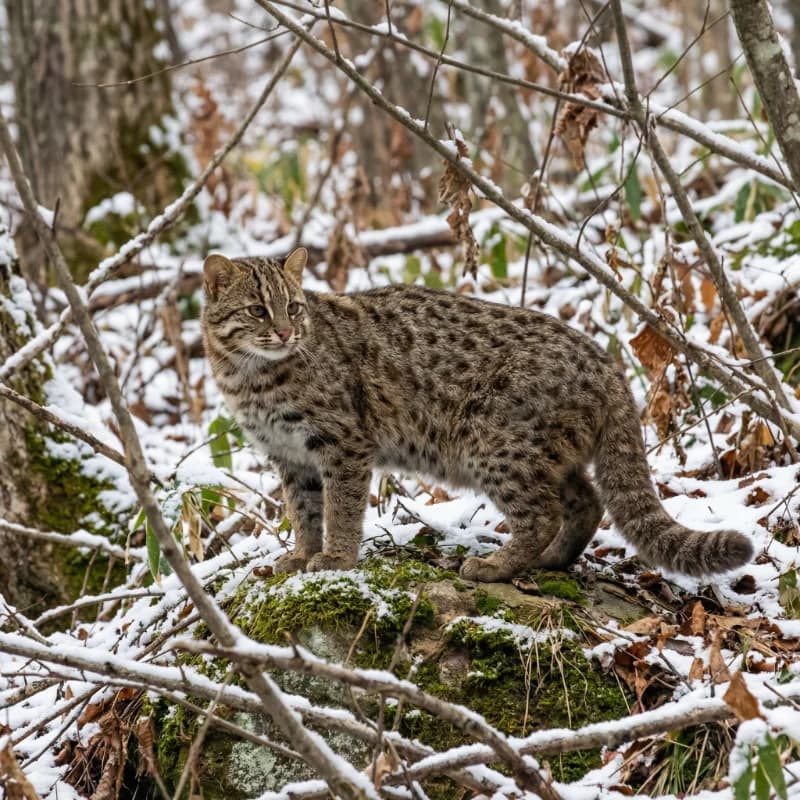
Amur Leopard Cat
Prionailurus bengalensis euptilura
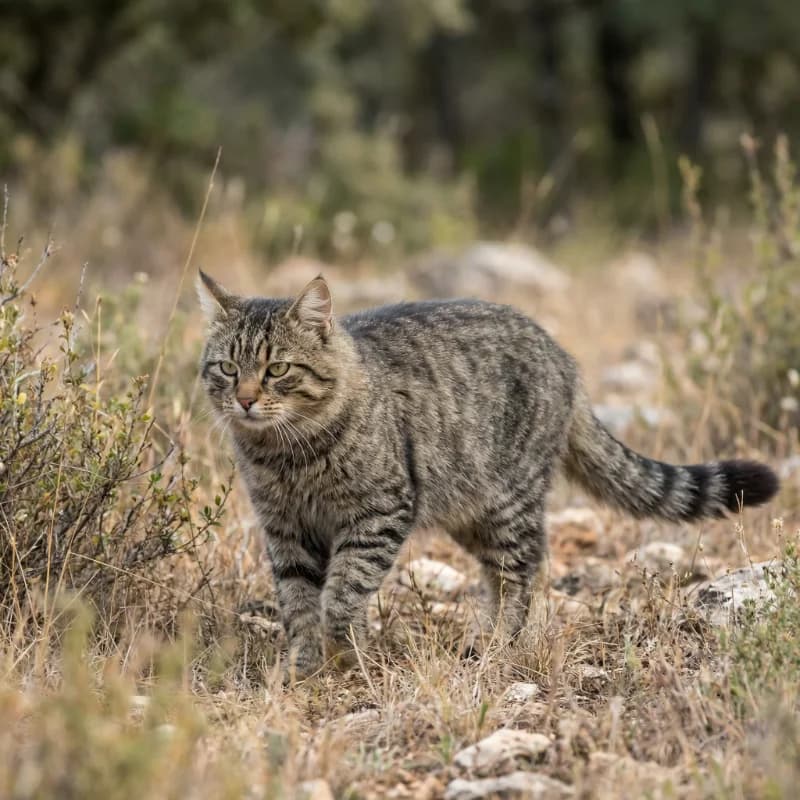
Domestic Cat
Felis catus
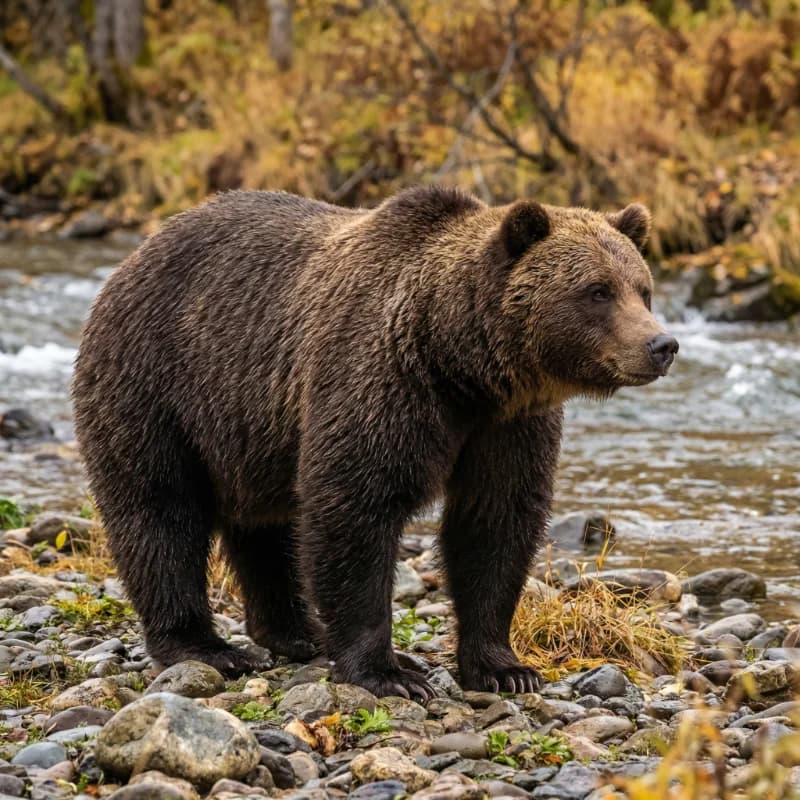
Brown Bear
Ursus arctos

Domestic Dog
Canis lupus familiaris
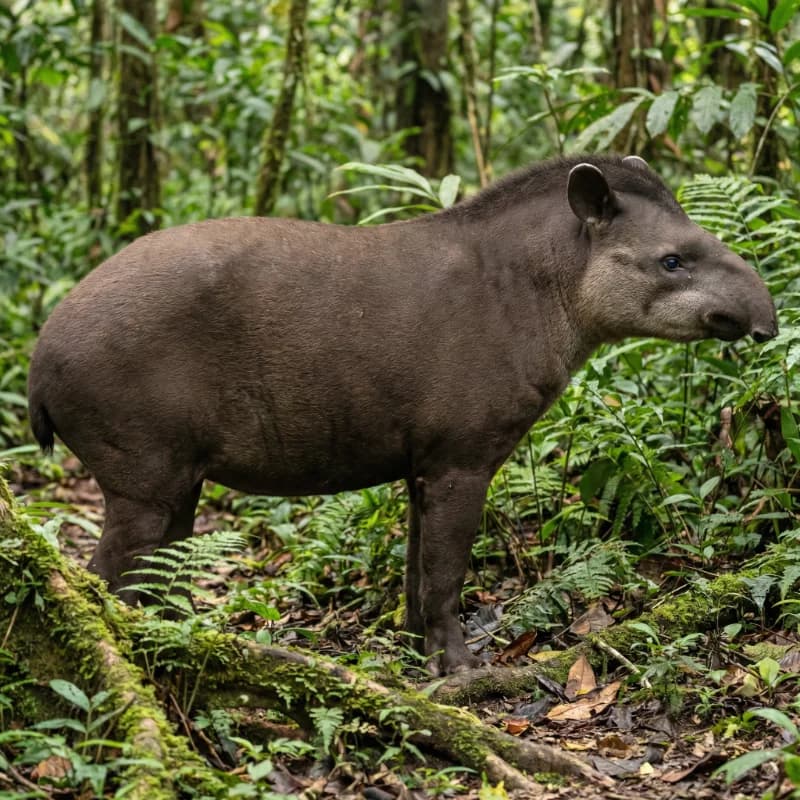
South American Tapir
Tapirus terrestris

Giant Pacific Octopus
Enteroctopus dofleini

Deinonychus
Deinonychus antirrhopus