Brown Bear

Cretaceous Period Omnivore Creature Type

Ursus arctos

Scientific Name: "Ursus (bear, Latin) + arctos (bear, Ancient Greek arktos) — a tautological binomial meaning 'bear bear'"

🕐Cretaceous Period
🍽️Omnivore
🛡️LC

Physical Characteristics

📏
Size
1.4~2.8m
⚖️
Weight
80~680kg
📐
Height
1.5m

Discovery

📅
Discovery Year
1758Year
👤
Discoverer
Linnaeus
📍
Discovery Location
Northern Sweden (type locality restricted by Thomas, 1911)

Habitat

🗺️
Native range
Holarctic: Eurasia (western Europe to eastern Siberia, Kamchatka, Hokkaido; south to the Himalayas, Iran, and Gobi Desert) and North America (Alaska, western Canada, northwestern United States). Largest populations: Russia 100,000+, United States ~33,000, Canada ~25,000, Europe ~15,400–20,500.
🌿
Habitat
Extremely diverse: temperate and boreal forests (taiga, mixed woodland), tundra, alpine meadows, coastal zones, desert margins (Gobi bear), chaparral, scrubland. Primarily associated with forested habitats; dense vegetative cover for daytime resting is a critical habitat requirement.
⛰️
Elevation range
Sea level to approximately 5,000 m

보전·개체·수명

📋
보전 상태
Least Concern (LC) — IUCN 2017 assessment. Species globally stable, but several populations critically imperiled: Himalayan brown bear (CR), Marsican brown bear (~40–50 individuals), Gobi bear (extremely few).
📊
개체 수 추정
200000
📈
개체 수 추세
stable
🦁
수명(야생)
25Year
🏠
수명(사육)
50Year
Brown Bear (Ursus arctos) restoration

The brown bear (Ursus arctos Linnaeus, 1758) is a large omnivorous mammal of the order Carnivora and the family Ursidae, native to Eurasia and North America. It holds the distinction of being the most widely distributed bear species on Earth, ranging from the Iberian Peninsula and Scandinavia in western Europe across Siberia and the Himalayas to Japan, and from Alaska through western Canada into pockets of the northwestern United States. A profoundly sexually dimorphic species, adult males are 1.2 to 2.2 times heavier than females, and body mass varies spectacularly—from around 80 kg in small desert-dwelling populations to over 680 kg in the massive Kodiak bears of coastal Alaska—making the brown bear among the most morphologically variable of all mammals.

Taxonomically, the species was first described by Carl Linnaeus in the 1758 tenth edition of Systema Naturae, with the type locality subsequently restricted to northern Sweden (Thomas, 1911). Its binomial name, Ursus arctos, combines the Latin ursus (bear) and the Ancient Greek arktos (bear), amounting to a tautological 'bear bear.' Molecular phylogenetics places the brown bear as the sister taxon to the polar bear (U. maritimus), with their divergence estimated at approximately 500,000 to 1 million years ago based on nuclear genome analyses, though intermittent gene flow between the two species has been documented well after initial speciation (Liu et al., 2014; Cahill et al., 2013). The IUCN Red List classifies the species globally as Least Concern (LC) as of its 2017 assessment, yet this overarching status belies the precarious condition of several isolated populations, including the Critically Endangered Himalayan brown bear (U. a. isabellinus), which occupies a mere 2% of its historical range, and the Marsican brown bear population of central Italy, estimated at only 40–50 individuals.

The brown bear is a quintessential omnivore: plants constitute roughly 90% of its diet across most populations, yet it demonstrates extraordinary dietary plasticity—coastal populations in Alaska and Kamchatka rely heavily on spawning salmon as a primary protein and fat source. Its behavioral repertoire includes winter dormancy (often loosely termed hibernation), tool use, complex dominance hierarchies at concentrated food sources, and exceptionally large brains relative to body size, facilitating high cognitive abilities. For millennia, this species has occupied a central place in human culture as an object of reverence, fear, mythology, and art, and today it remains one of the world's foremost charismatic megafauna, serving as both a flagship species for large carnivore conservation and a cornerstone of wildlife ecotourism.

1. Overview

Name and Etymology

The scientific name Ursus arctos is a tautological binomial derived from Latin ursus (bear) and Ancient Greek ἄρκτος/arktos (bear), effectively meaning 'bear bear.' The English common name 'brown bear' refers to the typical pelage coloration. The alternative name 'bruin' derives from Middle Dutch bruun or bruyn (brown), originating from the medieval fable History of Reynard the Fox translated by William Caxton. In North America, inland populations are widely known as 'grizzly bears,' a name stemming from the grizzled (silver-tipped) appearance of their shoulder and back fur. In the mid-19th-century United States, the brown bear earned nicknames such as 'Old Ephraim' and 'Moccasin Joe.' The word 'Arctic' itself derives from the same Greek root arktos, referring to the constellation Ursa Major (the Great Bear) that dominates the northern sky.

Taxonomic Status

The brown bear has been continuously recognized as a valid species since Linnaeus's original 1758 description. Subspecific taxonomy has been described as 'formidable and confusing,' with as many as 90 subspecies historically proposed (Pasitschniak-Arts, 1993). As of 2005, the scientific community generally recognizes approximately 15 extant or recently extinct subspecies (Wozencraft, 2005). A 2008 DNA analysis identified as few as five main clades comprising all extant brown bears, while a 2017 phylogenetic study revealed nine clades including one representing polar bears (Kumar et al., 2017). DNA evidence demonstrates that most North American brown bear populations, excluding the Kodiak Archipelago population, are part of a single interconnected population system, suggesting many named 'subspecies' are more accurately described as ecotypes shaped by environmental conditions rather than genetic isolation.

One-Line Summary

The brown bear is a Holarctic omnivorous megacarnivoran rivaled in size only by the polar bear, exhibiting extreme morphological variation and remarkable dietary and habitat flexibility across its vast range.

2. Taxonomy and Phylogeny

Higher Classification

The higher taxonomic hierarchy of the brown bear is as follows: Kingdom Animalia → Phylum Chordata → Class Mammalia → Order Carnivora → Family Ursidae → Subfamily Ursinae → Genus Ursus → Species U. arctos. The family Ursidae is divided into three subfamilies; the Ursinae, to which the brown bear belongs, includes four Ursus species (brown bear, polar bear, American black bear, Asiatic black bear) alongside the sun bear (Helarctos malayanus) and sloth bear (Melursus ursinus).

Molecular Phylogenetics

Analyses of complete mitochondrial DNA sequences (Yu et al., 2007) and nuclear genome data (Kumar et al., 2017) consistently recover the brown bear and polar bear (U. maritimus) as sister taxa. Estimated divergence times vary considerably depending on the molecular markers and methods employed: mitochondrial DNA studies have yielded dates ranging from 150,000 to over 1 million years ago, while nuclear genome analyses favor a divergence around 500,000 to 1 million years ago, with evidence of substantial post-divergence gene flow (Liu et al., 2014; Cahill et al., 2013). Brown bears on the ABC Islands (Admiralty, Baranof, and Chichagof) of Alaska's Alexander Archipelago carry polar bear mitochondrial DNA, a relic of a Pleistocene polar bear population that was subsequently absorbed by brown bears through male-mediated gene flow.

MtDNA phylogeography has revealed that brown bears across their global range fall into at least five major clades, some of which coexist in certain regions (Servheen et al., 1999). In Europe, two main mitochondrial lineages have been identified: an eastern lineage comprising Russian, northern Scandinavian, and eastern European populations, and a western lineage composed of Iberian, southern Scandinavian, and Italian–Balkan subgroups (Valdiosera et al., 2007).

Subspecies and Geographic Variation

As of 2005, approximately 15 extant or recently extinct subspecies are recognized (Wozencraft, 2005). The following table summarizes the major subspecies:

SubspeciesCommon NamePrimary DistributionNotes
U. a. arctosEurasian brown bearEurope, western Russia, CaucasusNominate subspecies
U. a. beringianusKamchatkan brown bearKamchatka Peninsula, Sea of Okhotsk coastLargest Eurasian subspecies
U. a. collarisEast Siberian brown bearYenisei River to Chukchi PeninsulaIntermediate size
U. a. gobiensisGobi bearGobi Desert, MongoliaExtremely rare, desert-adapted
U. a. isabellinusHimalayan brown bearNepal, northern India, PakistanCritically Endangered, 2% of former range
U. a. lasiotusUssuri brown bearRussian Far East, Manchuria, Hokkaido, Korean PeninsulaVery dark pelage, highly variable size
U. a. pruinosusTibetan blue bearTibetan PlateauDistinctive pale neck collar
U. a. syriacusSyrian brown bearSouthwest Asia, southern CaucasusSmall-bodied, pale coloration
U. a. horribilisGrizzly bearInterior North AmericaBest-known subspecies
U. a. middendorffiKodiak bearKodiak Archipelago, AlaskaLargest subspecies; males average 357 kg
U. a. gyasAlaska Peninsula brown bearCoastal AlaskaPossibly synonymous with middendorffi
U. a. sitkensisABC Islands bearAdmiralty, Baranof, Chichagof IslandsCarries polar bear mtDNA
U. a. stikeenensisStikine brown bearNorthwestern British ColumbiaMay belong within horribilis
U. a. dalliDall Island brown bearDall Island, AlaskaTaxonomic status uncertain
U. a. crowtheri (extinct)Atlas bearAtlas Mountains, North AfricaExtinct ca. 1890

DNA analyses indicate that genetic differentiation between many named subspecies is weak or absent, particularly among North American mainland populations. The Kodiak Archipelago population represents the only clearly isolated North American clade, likely isolated since the end of the last Ice Age. Consequently, many taxonomic designations are increasingly viewed as ecotypes driven by environmental factors rather than genuine phylogenetic divergence.

Taxonomic History

Following Linnaeus's original description in 1758, an extraordinary proliferation of subspecific names ensued, with over 90 names assigned based primarily on geographic variation in body size and pelage color. Rausch (1963) brought order to North American taxonomy through craniometric analysis. Wozencraft (2005) standardized the current framework of approximately 15 subspecies in the third edition of Mammal Species of the World. Ongoing molecular studies continue to challenge the validity of many subspecific designations, and a further reduction in recognized subspecies is widely anticipated.

3. Morphology and Anatomy

External Appearance

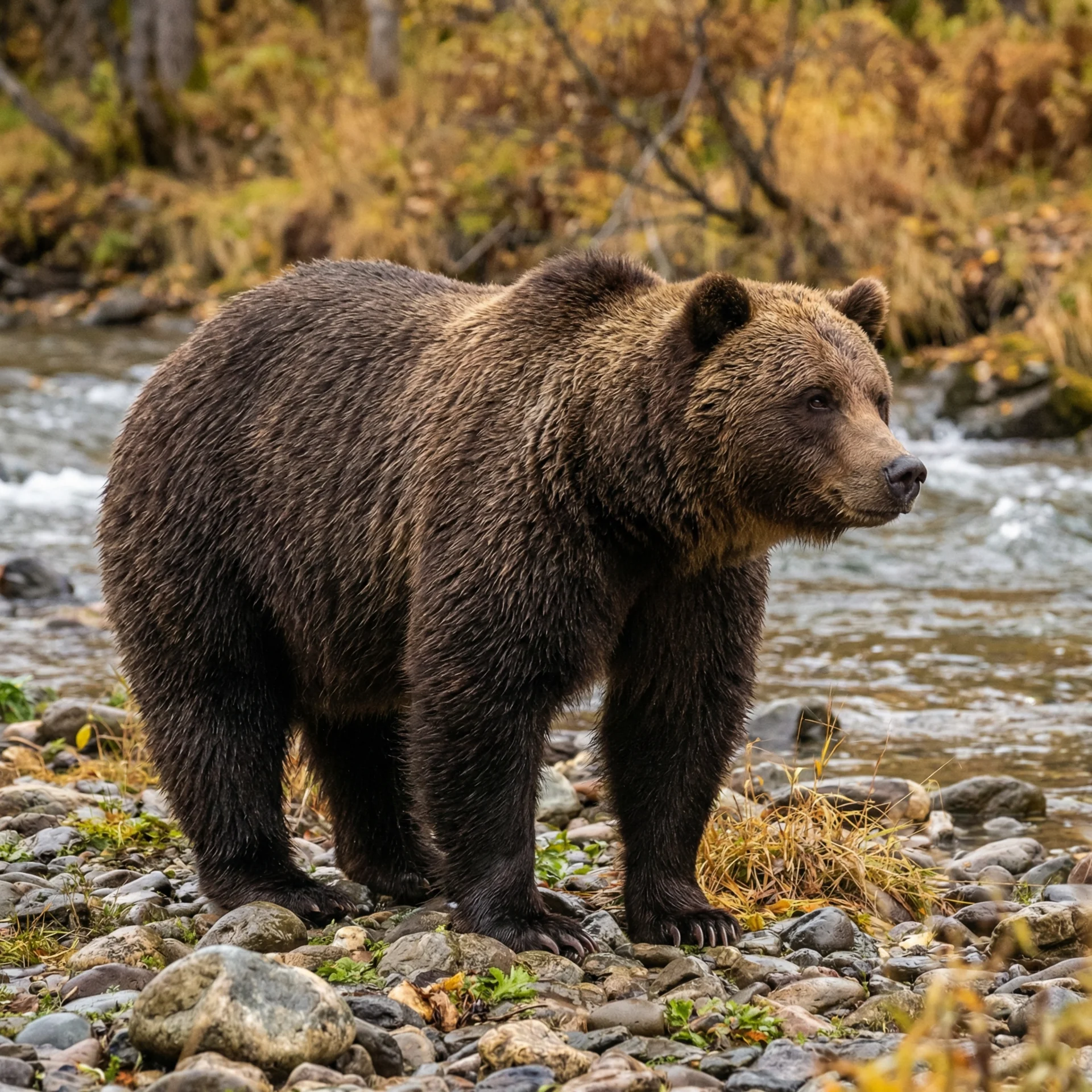
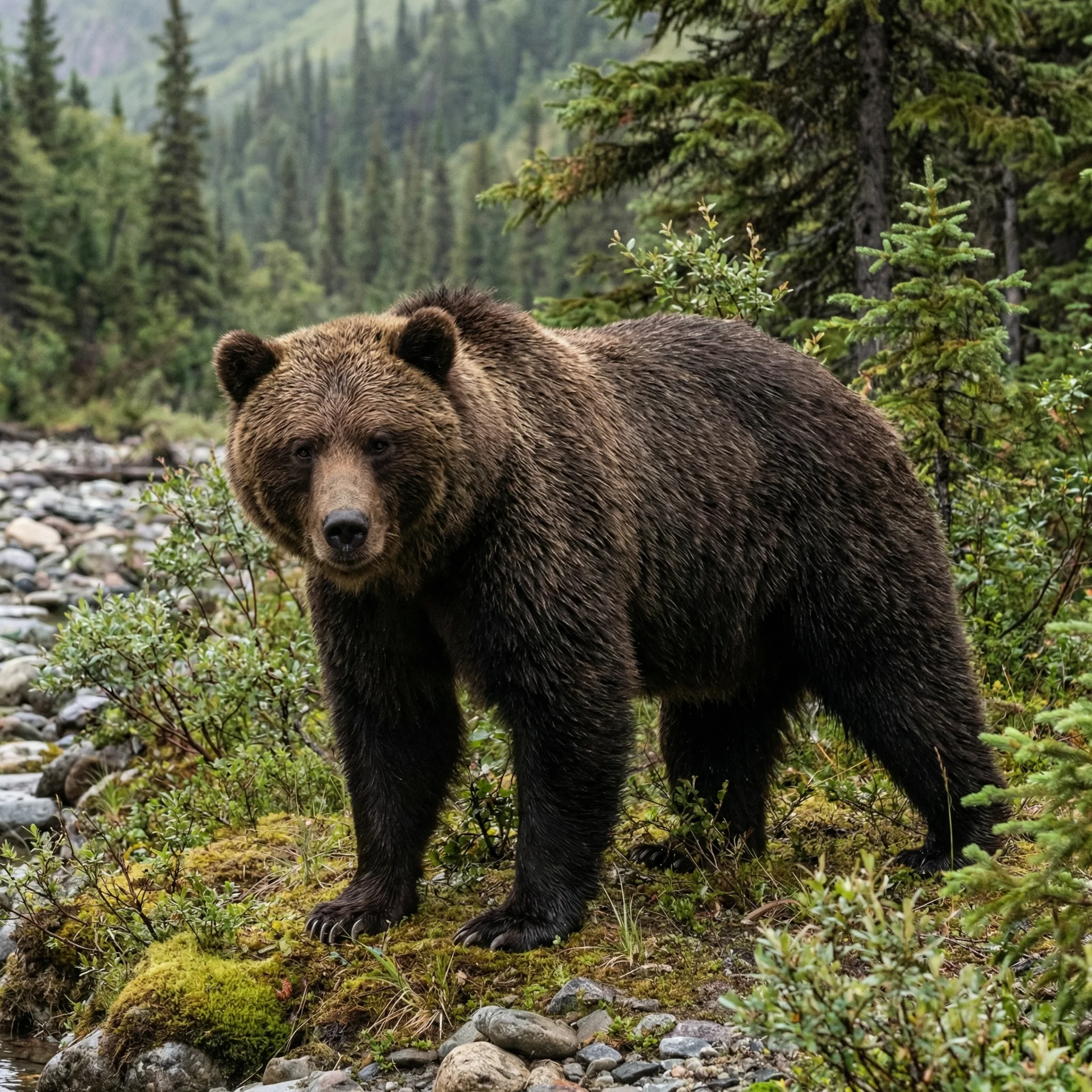
The most distinctive morphological feature of the brown bear is its prominent muscular shoulder hump, composed of well-developed muscles overlying the scapula that provide powerful digging capability—a feature unique among bears. Pelage color is highly variable, ranging from cream and blonde through cinnamon and reddish-brown to dark chocolate or nearly black, even within the same population. Grizzly bears are characterized by silver-tipped guard hairs on the shoulders and back that create a 'grizzled' or frosted appearance. The ears are small and rounded, the snout is concave ('dished') in profile—a useful field mark distinguishing them from American black bears—and the tail is short (6.5–21 cm).

Body Size

Body size in the brown bear exhibits extreme variation correlated with subspecies, latitude, sex, and, most critically, food availability. Across the entire species, head-and-body length ranges from approximately 1.4 to 2.8 m, body mass from approximately 80 to 680 kg (wild maximum record), and shoulder height from approximately 0.7 to 1.5 m. Sexual dimorphism is pronounced: males are on average 8–10% longer than females and can weigh up to twice as much in some populations.

The Kodiak bear (U. a. middendorffi) is the largest recognized subspecies. Mature males range from 168 to 675 kg, with spring–fall average body mass around 357 kg; females average approximately 224 kg (SDZWA Fact Sheet). According to the Guinness Book of World Records, the average male Kodiak measures 2.44 m in total length with a shoulder height of 1.33 m. The largest verified wild specimen was a 751 kg male killed at English Bay, Kodiak Island, in the fall of 1894. In captivity, a Kodiak bear named Clyde reportedly reached approximately 966 kg (2,130 lb) at the Dakota Zoo before his death in 1987.

At the opposite extreme, the Himalayan brown bear averages only about 70 kg (females) and 135 kg (males) in Pakistan, and Gobi bears have been reported as small as 1 m in head-and-body length, potentially the smallest brown bears in linear dimensions. This dramatic size variation is driven primarily by environmental conditions, particularly food access, rather than genetic differences between subspecies (Pasitschniak-Arts, 1993; Feldhamer et al., 2003).

Key Anatomical Features

The skull is large and broad, with an intercanine distance of approximately 6–8 cm. The dentition reflects an omnivorous diet: canines are long, but the first three premolars are reduced or absent, molars are broad and flat for grinding plant material, and the typical carnivoran carnassial shear is poorly developed. The feet are plantigrade, with forepaws reaching up to 21 cm wide and 36 cm long. The long, slightly curved front claws (5–10 cm) are specialized for digging rather than climbing; adult brown bears are generally unable to climb trees, unlike black bears. The digestive tract resembles that of other carnivorans but is proportionally longer, providing greater surface area for plant nutrient absorption. Remarkably, brown bears can finely regulate blood calcium levels during dormancy, preventing arterial plaque accumulation despite extreme seasonal weight fluctuations (Gamble, 2006).

Sensory Capabilities

The sense of smell is exceptionally acute—brown bears can detect a rotting carcass from over 3 km away. Hearing is comparable to human levels, while eyesight is relatively poor.

4. Ecology and Behavior

Diet

The brown bear is a consummate omnivore. Across most populations, plant material—including grasses, sedges, roots, bulbs, berries, nuts, and fungi—constitutes approximately 90% of the diet. Animal prey ranges from insects and moth larvae to rodents, marmots, ground squirrels, ungulate calves (moose, elk, caribou, mountain sheep), and carrion. In coastal Alaska and Kamchatka, spawning salmon serve as a critical protein and fat source; salmon access is strongly correlated with body size and population productivity (Hilderbrand et al., 1999). Dietary composition shifts markedly with season: in autumn, bears enter a hyperphagia phase, consuming up to approximately 20,000 kcal per day—or over 30 salmon daily in productive streams—to accumulate the fat reserves necessary for winter dormancy.

Social Structure

Brown bears are predominantly solitary outside the mating season and the mother–cub bond. No lasting social bonds form between adults. However, large aggregations of dozens of individuals may form at concentrated food sources such as salmon streams, where size-based dominance hierarchies are established and maintained through agonistic interactions. The highest-ranking individuals are large adult males; the most aggressive are females with cubs; and the lowest-ranking are subadults.

Activity Patterns

Brown bears are primarily crepuscular, foraging during morning and evening hours and resting in dense cover during the day. However, they are behaviorally flexible and may be active at any hour. They often excavate shallow depressions as day beds.

Winter Dormancy

Brown bears enter a period of winter inactivity typically from October–December through March–May, depending on latitude, climate, and individual condition. In southern populations, this period may be very brief or absent altogether. Unlike true hibernators such as ground squirrels, brown bears experience only a modest reduction in body temperature (a few degrees Celsius) during dormancy—a state more accurately described as shallow torpor or winter sleep. They can be aroused relatively easily by disturbance. Nevertheless, metabolic rate, heart rate, and respiratory rate decrease dramatically, and bears neither eat, drink, nor defecate for up to six months. Females with young may lose up to 43% of their body mass during denning (Garshelis, 2009). Most bears excavate their own dens on sheltered slopes, beneath large stones or among mature tree roots; some den sites are reused for multiple years.

Home Range and Movement

Home ranges average 73–414 km² but can reach 2,600 km². Male ranges are approximately seven times larger than female ranges. Ranges overlap extensively, with no strong evidence of territorial defense. Seasonal movements of hundreds of kilometers are documented, typically to reach autumn food resources such as salmon streams or berry-rich areas.

Communication

Communication occurs primarily through olfactory (chemical) and acoustic channels. Bears scratch and rub against trees and other landmarks to signal territorial boundaries and reproductive status. Moaning vocalizations are commonly heard during foraging.

Predators and Defense

Adult brown bears have virtually no natural predators owing to their massive size and aggression. Cubs may rarely be killed by other bears, wolves, or cougars, but such events are uncommon. Humans have historically been—and remain—the primary threat.
5. Reproduction and Life History

Mating Season and Mating System

Breeding occurs from May to July. Females exhibit estrus for 10–30 days, and males may fight vigorously over access to receptive females, guarding them for one to three weeks. The mating system is polygynandrous (promiscuous): both sexes mate with multiple partners during a single breeding season.

Delayed Implantation and Gestation

Fertilized eggs develop to the blastocyst stage, after which uterine implantation is delayed for approximately five months. Implantation typically occurs in November, coinciding with the onset of winter dormancy. A true gestation of approximately six to eight weeks follows, with total gestation (including pre-implantation delay) ranging from 180 to 266 days. Births occur from January to March, usually while the mother is still in the den.

Birth and Parental Care

Cubs are born altricial—blind, hairless, and nearly helpless—weighing only 340–680 g (roughly 1/500th of the mother's mass). The typical litter size is two (range: 1–4). By three months, cubs weigh approximately 15 kg; by six months, approximately 25 kg. Lactation continues for 18–30 months, although cubs begin consuming solid food at about five months. Cubs remain with their mother for a minimum of two years (typically three to four), after which the female enters estrus again. Interbirth intervals range from two to four years. Males provide no parental care.

Lifespan

Wild brown bears live an average of 20–30 years, with an estimated mean of 25 years in minimally hunted populations. The oldest confirmed wild reproductive female was 28 years old. In captivity, brown bears have survived up to 50 years.

Growth and Maturation

Sexual maturity is reached at four to six years of age, but physical growth continues until 10–11 years. Females typically produce their first litter at five to six years (up to eight or more years in some boreal populations). Peak reproductive productivity occurs at approximately eight to nine years of age, and the reproductive lifespan can extend from 3 to 29 years.

6. Distribution and Habitat

Natural Range

The brown bear has a Holarctic distribution—the broadest of any living bear. In Eurasia, it ranges from western Europe (Iberian Peninsula, Scandinavia, Italian Apennines) through Russia, the Caucasus, Central Asia, the Himalayas, Iran, and Mongolia to the Russian Far East, Hokkaido (Japan), and formerly the Korean Peninsula. In North America, it occurs in Alaska, western Canada (Yukon, Northwest Territories, British Columbia, western Alberta), and small pockets of the northwestern United States (Montana, Wyoming, Idaho—primarily the Greater Yellowstone Ecosystem). Russia supports the largest national population at over 100,000 individuals, followed by the United States (approximately 33,000), Canada (approximately 25,000), and Europe (approximately 15,400–20,500).

Habitat Types

Habitat use is extraordinarily diverse, spanning desert margins, chaparral, temperate and boreal forests, alpine meadows, tundra, and coastal zones at elevations from sea level to approximately 5,000 m. In North America, brown bears tend to prefer open landscapes—tundra, alpine meadows, coastlines—while in Siberia they are primarily forest dwellers, and in Europe they are largely restricted to mountainous woodlands. The critical habitat requirement across all populations is access to dense vegetative cover for daytime resting. Proximity to seasonally abundant, high-calorie food sources (e.g., salmon streams, berry patches, ungulate calving grounds) is a strong predictor of habitat quality and body size.

Historical Range Changes

Historically, the brown bear ranged across most of Europe, North Africa (Atlas Mountains), the Middle East, and North America as far south as central Mexico. The species now occupies an estimated 2% of its former range in the contiguous United States and has been extirpated from North Africa (Atlas bear, ca. 1890), California (California grizzly, 1922), Mexico (Mexican grizzly, 1960s), and much of western and central Europe. European populations underwent severe fragmentation during the 19th and 20th centuries but have shown partial recovery in recent decades due to legal protection and reintroduction programs.

7. Conservation Status and Threats

IUCN Red List Assessment

Globally, the brown bear is listed as Least Concern (LC) on the IUCN Red List (McLellan et al., 2017). The total world population is estimated at approximately 200,000 individuals (approximately 110,000 mature individuals), with an overall stable population trend. However, this global assessment masks substantial variation at the population level.

Imperiled Populations

The Himalayan brown bear (U. a. isabellinus) is critically endangered, occupying only 2% of its former range and facing severe poaching pressure for body parts. The Marsican brown bear of the Italian Apennines numbers only approximately 40–50 individuals and is threatened by genetic erosion, road mortality, and illegal killing. The Cantabrian and Pyrenean populations in Spain and France are small and partially dependent on bears reintroduced from Slovenia. The Gobi bear, restricted to a few desert oases in Mongolia, survives in extremely low numbers. Several isolated populations across southern Europe and Central Asia face analogous threats.

Major Threats

Habitat loss and degradation—driven by logging, road construction, resort and residential development, and agricultural conversion—constitute the most pervasive threat across the species' range. Poaching remains significant, particularly fueled by demand for bear gall bladders, paws, and other body parts in the traditional Asian medicine market (no medicinal efficacy has been scientifically demonstrated). Retaliatory killing in response to livestock depredation persists despite evidence that actual economic impact is minimal. Climate change is an emerging concern: modeling studies project significant habitat suitability declines in Central Asia and the Asian Highlands under warming scenarios, and altered seasonality may disrupt hibernation timing and food resource phenology.

Conservation Measures

The brown bear is listed under CITES Appendix II (with certain populations on Appendix I), regulating international trade. Most range states afford legal protection. In Europe, active reintroduction programs (e.g., Slovenian bears introduced to the Pyrenees) and EU Habitats Directive protections have contributed to population recovery in several regions—European brown bear numbers reached approximately 20,500 by 2023. In the United States, grizzly bears in the Greater Yellowstone Ecosystem have been protected under the Endangered Species Act (ESA), with the population recovering to over 1,000 individuals in the broader region; delisting proposals have been subject to ongoing legal and scientific debate.

8. Relationship with Humans

Economic Value and Use

Brown bears have long been pursued as big-game trophies and are currently subject to regulated sport hunting throughout much of their range. Historically, they were hunted for meat and hides, but commercial demand for these products is now low. Bear body parts—especially gall bladders—command high prices in the traditional Asian medicine trade, despite a complete absence of scientific evidence for their medicinal efficacy. Today, the most significant economic contribution of brown bears is through wildlife ecotourism, particularly in Alaska, Kamchatka, Yellowstone, and Scandinavia, where bear-viewing tourism generates substantial revenue.

Cultural Symbolism

The brown bear is among the most culturally significant animals in human history—a premier example of charismatic megafauna. In Greek mythology, the goddess Artemis was closely associated with bears, and the Greek word arktos gave its name to the constellations Ursa Major and Ursa Minor, as well as to the Arctic itself. In Celtic culture, the bear goddess Artio was venerated, and the name of the legendary King Arthur may derive from a Celtic word for bear. In Slavic tradition, the bear embodied Veles, god of nature and the underworld. Among the Sámi and Finns, the bear was revered as 'king of the forest,' the subject of elaborate ceremonial bear hunts and feasts. Indigenous peoples of North America regarded the bear as a powerful spirit animal symbolizing healing, strength, and wisdom. The bear's emergence from winter dormancy has been universally interpreted as a symbol of rebirth and renewal.

Human–Wildlife Conflict

Brown bear attacks on humans, though widely publicized, are statistically rare. Most attacks are defensive responses by females with cubs or individuals surprised at close range. Livestock depredation—primarily cattle and sheep—has historically been the leading cause of persecution and population decline, though actual economic losses to the livestock industry are generally assessed as negligible.

9. Uncertainties and Misconceptions

Summary of Evidence Levels

The taxonomic placement of the brown bear (family Ursidae, subfamily Ursinae, genus Ursus) and its fundamental ecological characteristics (omnivory, winter dormancy, largely solitary social structure) are firmly established. The sister-taxon relationship with the polar bear is well supported by multiple independent lines of molecular evidence. The exact timing of their divergence remains debated, with nuclear genome estimates of 500,000–1 million years representing the current mainstream view, though mtDNA-based estimates diverge considerably. The taxonomic validity of many named subspecies is increasingly questioned, particularly for North American mainland forms.

Outstanding Uncertainties

The global population estimate of approximately 200,000 carries substantial uncertainty, particularly for Russian and Central Asian populations where monitoring capacity is limited. The taxonomic status of the Gobi bear (whether it merits distinct subspecific recognition) and the precise distribution limits of the Tibetan blue bear remain data-deficient. The long-term effects of climate change on hibernation phenology, food web dynamics, and habitat suitability are areas of active but early-stage research.

Common Misconceptions

The brown bear is frequently perceived as an obligate carnivore; in reality, approximately 90% of its diet is plant-based across most populations. Winter dormancy is often conflated with true hibernation—brown bears experience only modest body temperature decreases (a few degrees Celsius) and can be readily aroused, unlike true hibernators such as ground squirrels. The terms 'grizzly bear' and 'brown bear' are sometimes mistakenly treated as referring to separate species; the grizzly is a subspecies (or ecotype) of the brown bear, not a distinct species.

10. Comparison with Related and Similar Species

The following table compares the brown bear with its closest relative and with two species that may cause identification confusion in areas of range overlap.

FeatureBrown Bear (U. arctos)Polar Bear (U. maritimus)American Black Bear (U. americanus)Asiatic Black Bear (U. thibetanus)
Weight (kg)80–680350–70040–25050–200
Head-body length (m)1.4–2.81.8–2.51.2–1.91.2–1.9
PelageCream to near-blackWhite to pale yellowBlack, brown, or blondeBlack with white chest V
Shoulder humpProminentAbsentAbsentAbsent
Primary habitatDiverse (forest to tundra)Arctic sea iceForestForest
DietOmnivore (90% plant)Carnivore (seals)OmnivoreOmnivore
IUCN statusLCVULCVU
DistributionHolarcticArcticNorth AmericaEast and South Asia

Brown bears and polar bears are sister species, and fertile hybrids—termed 'grolar bears' or 'pizzly bears'—have been documented in both wild and captive settings (Davis, 1950). Climate-driven northward expansion of brown bear range and southward retreat of polar bear habitat may increase hybridization frequency in the future.

Fun Facts

💡

The scientific name Ursus arctos is a tautology—both words mean 'bear' in Latin and Greek respectively, making it literally 'bear bear.'

💡

During winter dormancy, brown bears can go up to six months without eating, drinking, or defecating, while precisely regulating calcium metabolism to avoid arterial plaque buildup despite extreme weight fluctuations.

💡

A Kodiak bear's front paw can measure up to 21 cm wide and 36 cm long—roughly the diameter of an NBA basketball.

💡

Relative to body size, brown bears have exceptionally large brains, enabling complex cognitive abilities including documented tool use.

💡

A brown bear's sense of smell is so acute that it can detect a rotting carcass from over 3 km (nearly 2 miles) away, rivaling that of a bloodhound.

💡

Fertile hybrids between brown bears and polar bears—called 'grolar bears' or 'pizzly bears'—have been confirmed in the wild and may become more common as climate change alters species ranges.

💡

During the autumn hyperphagia phase, a brown bear may consume over 20,000 calories per day—equivalent to roughly 40 hamburgers—and can eat more than 30 salmon daily in productive streams.

💡

Brown bear cubs weigh only 340–680 grams at birth—approximately 1/500th of their mother's mass—and are born blind, hairless, and helpless during the mother's winter sleep.

💡

The word 'Arctic' derives from the Greek arktos (bear)—the same root as the brown bear's species name—referring to the Great Bear constellation (Ursa Major) that dominates the northern sky.

💡

The legendary King Arthur's name may derive from a Celtic word meaning 'bear,' and across European cultures the brown bear has served as a symbol of royal power, courage, and sovereignty.

💡

The heaviest brown bear ever recorded in captivity was a Kodiak bear named Clyde at the Dakota Zoo in North Dakota, who reportedly weighed approximately 966 kg (2,130 lb) at the time of his death in 1987.

💡

Despite weighing up to 680 kg in the wild, brown bears can sprint at 48–56 km/h (30–35 mph) over short distances, fast enough to outrun a horse—and they are also powerful swimmers.

FAQ

?Are grizzly bears and brown bears the same species?

Yes. The grizzly bear is a common name for the inland North American populations of the brown bear (Ursus arctos), typically classified as the subspecies U. a. horribilis. The name 'grizzly' refers to the silver-tipped ('grizzled') appearance of the shoulder and back fur. Kodiak bears, Alaska Peninsula brown bears, and all other named brown bear subspecies also belong to the same species.

?Are brown bears carnivores or herbivores?

While taxonomically classified in the order Carnivora, brown bears are functionally omnivorous. Across most populations, approximately 90% of the diet consists of plant material—grasses, roots, berries, nuts, and tubers. The remaining 10% comprises insects, fish (especially salmon), rodents, ungulate calves, and carrion. However, in coastal Alaska and Kamchatka, spawning salmon can comprise a much larger proportion of the diet.

?Do brown bears truly hibernate?

Brown bear winter dormancy is more accurately described as shallow torpor or winter sleep, rather than true hibernation. Body temperature drops only a few degrees Celsius (unlike true hibernators such as ground squirrels, whose temperatures plummet near freezing), and bears can be aroused relatively easily. However, metabolic rate, heart rate, and respiration decrease dramatically, and bears neither eat, drink, nor defecate for up to six months—a physiologically remarkable state.

?What is the largest subspecies of brown bear?

The Kodiak bear (Ursus arctos middendorffi) is generally recognized as the largest subspecies. Mature males average approximately 357 kg (spring–fall mean) and can exceed 675 kg in fall. The largest verified wild specimen weighed 751 kg (1,656 lb), killed on Kodiak Island in 1894. In captivity, a Kodiak bear named Clyde reportedly reached approximately 966 kg (2,130 lb). Together with the polar bear, the Kodiak is considered the largest extant terrestrial carnivoran.

?Can brown bears climb trees?

Cubs and juveniles can climb trees, but adult brown bears generally cannot. Their heavy body weight and long, slightly curved claws are specialized for digging rather than climbing—unlike the shorter, more sharply curved claws of the American black bear, which is an adept climber throughout life. This distinction can be an important factor in bear safety recommendations.

?What is the IUCN conservation status of the brown bear?

The brown bear is globally classified as Least Concern (LC) on the IUCN Red List (2017 assessment), with an estimated total population of approximately 200,000 individuals (~110,000 mature). However, population-level status varies dramatically: the Himalayan brown bear is Critically Endangered, the Marsican brown bear of Italy numbers only ~40–50 individuals, and the Gobi bear survives in extremely small numbers.

?Can brown bears and polar bears hybridize?

Yes. As sister species, brown bears and polar bears can produce fertile hybrid offspring known as 'grolar bears' or 'pizzly bears,' documented in both wild and captive settings (Davis, 1950). With climate change driving polar bear habitat southward and brown bear range northward, wild hybridization events may become more frequent in the future.

?How fast can a brown bear run?

Despite their massive bulk, brown bears can sprint at approximately 48–56 km/h (30–35 mph) over short distances. This is sufficient to outrun a horse in a short sprint and easily overtake an American black bear. Brown bears are also powerful swimmers.

?Why does the scientific name mean 'bear bear'?

The binomial Ursus arctos combines the Latin word ursus (bear) with the Ancient Greek word arktos (bear). Linnaeus coined this name in 1758, drawing on both classical languages. The tautological result—literally 'bear bear'—reflects naming conventions of the era. Incidentally, the word 'Arctic' itself derives from the same Greek arktos, referring to the Great Bear constellation (Ursa Major) visible in the northern sky.

?How many subspecies of brown bear are there?

Approximately 15 extant or recently extinct subspecies are recognized as of 2005 (Wozencraft, Mammal Species of the World, 3rd ed.), though historically over 90 names have been proposed. DNA analyses suggest that many named subspecies lack meaningful genetic differentiation and are better described as ecotypes shaped by local environmental conditions. The number of recognized subspecies is expected to decrease as molecular taxonomy advances.

📚References

  • Linnaeus, C. (1758). Systema Naturae, 10th ed., vol. 1, p. 47. Holmiae: Laurentius Salvius.
  • McLellan, B. N., Proctor, M. F., Huber, D. & Michel, S. (2017). Ursus arctos. The IUCN Red List of Threatened Species 2017: e.T41688A121229971. https://doi.org/10.2305/IUCN.UK.2017-3.RLTS.T41688A121229971.en
  • Pasitschniak-Arts, M. (1993). Ursus arctos. Mammalian Species, 439, 1–10. https://doi.org/10.2307/3504138
  • Wozencraft, W. C. (2005). Ursus arctos. In Wilson, D. E. & Reeder, D. M. (eds.), Mammal Species of the World, 3rd ed., pp. 588–589. Johns Hopkins University Press.
  • Kumar, V., Lammers, F., Bidon, T., Pfenninger, M., Kolter, L., Nilsson, M. A. & Janke, A. (2017). The evolutionary history of bears is characterized by gene flow across species. Scientific Reports, 7, 46487. https://doi.org/10.1038/srep46487
  • Yu, L., Li, Y.-W., Ryder, O. A. & Zhang, Y.-P. (2007). Analysis of complete mitochondrial genome sequences increases phylogenetic resolution of bears (Ursidae). BMC Evolutionary Biology, 7, 198. https://doi.org/10.1186/1471-2148-7-198
  • Hilderbrand, G. V., Schwartz, C. C., Robbins, C. T., Jacoby, M. E., Hanley, T. A., Arthur, S. M. & Servheen, C. (1999). The importance of meat, particularly salmon, to body size, population productivity, and conservation of North American brown bears. Canadian Journal of Zoology, 77, 132–138. https://doi.org/10.1139/z98-195
  • Cahill, J. A., Green, R. E., Fulton, T. L., Stiller, M., Jay, F., Ovsyanikov, N., ... & Shapiro, B. (2013). Genomic evidence for island population conversion resolves conflicting theories of polar bear evolution. PLoS Genetics, 9(3), e1003345. https://doi.org/10.1371/journal.pgen.1003345
  • Liu, S., Lorenzen, E. D., Fumagalli, M., Li, B., Harris, K., Xiong, Z., ... & Wang, J. (2014). Population genomics reveal recent speciation and rapid evolutionary adaptation in polar bears. Cell, 157(4), 785–794. https://doi.org/10.1016/j.cell.2014.03.054
  • Rausch, R. L. (1963). Geographic variation in size in North American brown bears, Ursus arctos L., as indicated by condylobasal length. Canadian Journal of Zoology, 41, 33–45. https://doi.org/10.1139/z63-005
  • Feldhamer, G. A., Thompson, B. C. & Chapman, J. A. (2003). Wild Mammals of North America: Biology, Management, and Conservation. Johns Hopkins University Press.
  • Swenson, J. E., Adamič, M., Huber, D. & Stokke, S. (2007). Brown bear body mass and growth in northern and southern Europe. Oecologia, 153, 37–47. https://doi.org/10.1007/s00442-007-0715-1
  • Heptner, V. G. & Naumov, N. P. (eds.) (1998). Mammals of the Soviet Union, Vol. II, Part 1a: Sirenia and Carnivora. Science Publishers.
  • Garshelis, D. L. (2009). Family Ursidae (Bears). In Wilson, D. E. & Mittermeier, R. A. (eds.), Handbook of the Mammals of the World, Vol. 1, pp. 448–497. Lynx Edicions.
  • Servheen, C., Herrero, S. & Peyton, B. (1999). Bears: Status Survey and Conservation Action Plan. IUCN/SSC Bear Specialist Group.
  • Valdiosera, C. E., García, N., Anderung, C., Dalén, L., et al. (2007). Staying out in the cold: Glacial refugia and mitochondrial DNA phylogeography in ancient European brown bears. Molecular Ecology, 16, 5140–5148. https://doi.org/10.1111/j.1365-294X.2007.03590.x
  • Thomas, O. (1911). The mammals of the tenth edition of Linnaeus; an attempt to fix the types of the genera and the exact bases and localities of the species. Proceedings of the Zoological Society of London, 1911, 120–158.
  • Craighead, J. J., Sumner, J. S. & Mitchell, J. A. (1995). The Grizzly Bears of Yellowstone: Their Ecology in the Yellowstone Ecosystem, 1959–1992. Island Press.

Gallery

2 images
  • Brown Bear (Ursus arctos) 1
    Brown Bear

    Brown Bear · Cretaceous Period · Omnivore

  • Brown Bear (Ursus arctos) 2
    Brown Bear

    Brown Bear · Cretaceous Period · Omnivore

🔗Related Creatures