Oviraptor
Cretaceous Period Omnivore Creature Type
Oviraptor philoceratops
Scientific Name: "Oviraptor (Latin ovum 'egg' + raptor 'seizer/thief' = 'egg thief') + philoceratops (Greek philos 'fond of' + ceratops 'horned face' = 'fond of ceratopsians')"
Local Name: Oviraptor
Physical Characteristics
Discovery
Habitat

Oviraptor philoceratops Osborn, 1924 is a small feathered theropod dinosaur from the Late Cretaceous (Campanian, approximately 75–71 Ma) of what is now the southern Gobi region of Mongolia. It belongs to the family Oviraptoridae within the clade Oviraptorosauria. The first remains were collected in 1923 during the Third Central Asiatic Expedition led by Roy Chapman Andrews, from the reddish sandstones of the Djadokhta Formation at the Bayn Dzak locality — famously known as the Flaming Cliffs. The following year, Henry Fairfield Osborn formally described the genus and type species, erecting Oviraptor philoceratops based on the holotype AMNH 6517, a partial skeleton comprising a badly crushed skull, partial cervical and dorsal vertebrae, the furcula with the left arm and partial hands, the left ilium, and some ribs (Osborn, 1924).
The name Oviraptor — meaning 'egg thief' — reflects one of the most famous misinterpretations in the history of paleontology. The holotype was found lying directly atop a nest of approximately 15 eggs (AMNH 6508), with the skull separated from the eggs by only about 10 cm of sediment. Osborn interpreted this as evidence that the animal had been caught in the act of raiding a Protoceratops nest. However, the discovery of an oviraptorid embryo inside an egg of the same type in 1994 by Norell and colleagues demonstrated that the eggs actually belonged to Oviraptor itself, and the individual had been brooding its own nest when it was buried — likely by a sandstorm (Norell et al., 1994; Dong & Currie, 1996). Remarkably, Osborn himself had cautioned in his original 1924 paper that the name might reflect an incorrect perception of the animal's habits.
The adult Oviraptor was a relatively small oviraptorid, estimated at 1.6–2 m (5.2–6.6 ft) in total length with a body mass of approximately 33–40 kg (73–88 lb) (Werner & Griebeler, 2013; Paul, 2016; Campione & Evans, 2020). It was characterized by toothless, parrot-like jaws covered in a keratinous beak (rhamphotheca), a broad lower jaw, well-developed elongated forelimbs ending in three fingers with curved claws, and — based on close relatives — a tail terminating in a pygostyle that supported a fan of feathers. A reinterpretation of the holotype skull by Clark et al. (2002) revealed that Oviraptor had a relatively elongated maxilla and dentary compared to other oviraptorids, a more primitive condition suggesting it occupied a basal position within the Oviraptoridae.
Overview
Name and Etymology
The generic name Oviraptor is derived from Latin ovum ('egg') and raptor ('seizer' or 'thief'), meaning 'egg seizer.' The specific epithet philoceratops combines Greek philos ('fond of') and ceratops ('horned face'), intended by Osborn to convey a supposed 'fondness for ceratopsian eggs' — referring to his initial hypothesis that the animal was preying on a nest belonging to Protoceratops or another ceratopsian (Osborn, 1924). This interpretation was overturned in the 1990s, but under the rules of the International Code of Zoological Nomenclature, the name remains unchanged.
Taxonomic Status
Oviraptor philoceratops is currently a valid taxon. Osborn (1924) originally placed Oviraptor within the Ornithomimidae based on its toothless beak, but Barsbold (1976) recognized sufficient anatomical differences to erect a new family, the Oviraptoridae, with Oviraptor as the type genus. A number of specimens previously referred to Oviraptor have since been reassigned: MPC-D 100/20 and 100/21 were transferred to Conchoraptor (Barsbold, 1986); 'O. mongoliensis' (MPC-D 100/32a) was separated as Rinchenia mongoliensis (Osmólska et al., 2004); and the well-preserved specimen MPC-D 100/42, which for decades served as the primary depiction of Oviraptor in the scientific literature and popular media, was shown by Clark et al. (2002) to share more cranial features with Citipati than with Oviraptor. The earlier name 'Fenestrosaurus philoceratops,' also coined by Osborn, was discredited.
Key Significance
Oviraptor is a small, feathered Late Cretaceous theropod whose unjust name as an 'egg thief' became emblematic of how initial fossil interpretations can be dramatically overturned by new evidence — in this case revealing a devoted parent brooding its own nest.
Stratigraphy and Paleoenvironment
Age
The remains of Oviraptor come from the lower Bayn Dzak Member of the Djadokhta Formation in southern Mongolia. Magnetostratigraphic analyses constrain the age of the Djadokhta Formation to the middle–late Campanian stage, approximately 75–71 Ma (Dashzeveg et al., 2005). Earlier proposals ranging from Cenomanian to earliest Maastrichtian have been superseded by more precise magnetostratigraphic and faunal correlation data.
Formation and Lithology
The Djadokhta Formation is subdivided into a lower Bayn Dzak Member and an upper Turgrugyin Member. Oviraptor is known exclusively from the Bayn Dzak Member. The formation consists predominantly of moderate reddish-orange to pale orange, fine- to medium-grained sandstones, largely interpreted as aeolian (wind-deposited dune) deposits. Interbedded fluvial sandstones, minor mudstones, and calcareous nodules (caliche) are also present, reflecting intermittent alluvial processes in an otherwise sand-dominated setting (Dashzeveg et al., 2005; Dingus et al., 2008).
Paleoenvironment
The depositional environment of the Djadokhta Formation is interpreted as a semiarid landscape dominated by sand dunes and steppe plains, broadly analogous to the modern Gobi Desert. The region was drained by intermittent streams and experienced seasonal moisture. Periodic dust storms and sandstorms are inferred to have been a common hazard — and indeed the rapid burial that these events caused is considered the primary reason for the exceptional preservation of many Djadokhta specimens, including the Oviraptor holotype brooding atop its nest (Loope et al., 1998; Dashzeveg et al., 2005). At the Ukhaa Tolgod locality, short-lived water bodies have been documented based on fluvial sedimentary evidence, indicating that the arid environment was not uniformly dry across the formation.
Specimens and Diagnosis
Holotype
The holotype AMNH 6517 (American Museum of Natural History) consists of a badly crushed and distorted skull (preserved length approximately 17.9 cm, with the premaxillary region missing), partial cervical and dorsal vertebrae, the furcula, a fused scapulocoracoid (with damaged coracoid), the left humerus, radius, ulna, and partial hands, the left ilium, and several ribs (Osborn, 1924; Clark et al., 2002). The posterior portion of the skeleton — including most of the tail and hindlimbs — was not preserved. The associated nest AMNH 6508 contains approximately 15 elongatoolithid eggs, each about 14 cm long (with possible taphonomic compression of up to 2 cm) (Clark et al., 1999).
Juvenile Specimen
In 2018, Norell et al. reported a second specimen of Oviraptor: AMNH 33092, comprising a right tibia (5.87 cm long) and metatarsals III and IV from a nestling or very small juvenile. This specimen was found in direct association with the holotype and the nest AMNH 6508, providing additional evidence that the holotype was a parent tending its own nest and offspring (Norell et al., 2018).
Diagnostic Features
Key diagnostic characters of Oviraptor philoceratops, based on the holotype reinterpretation by Clark et al. (2002), include: a relatively elongated maxilla and dentary compared to other oviraptorids, resulting in a more extended snout — interpreted as a plesiomorphic (ancestral) condition; the presence of a midline keel on the anterior surface of the hypocleidium of the furcula, a feature unique among oviraptorids (Nesbitt et al., 2009); and indications of a cranial crest based on the fused parietal and frontal surfaces, though the crest itself is not preserved in the holotype.
| Specimen | Composition | Locality / Formation | Reference |
|---|---|---|---|
| AMNH 6517 (holotype) | Crushed skull, partial cervicals and dorsals, furcula, left arm and partial hands, left ilium, ribs | Bayn Dzak, Djadokhta Fm. | Osborn (1924); Clark et al. (2002) |
| AMNH 6508 (nest) | ~15 elongatoolithid eggs (each ~14 cm long) | Bayn Dzak, Djadokhta Fm. | Clark et al. (1999) |
| AMNH 33092 (juvenile) | Right tibia, metatarsals III and IV | Bayn Dzak, Djadokhta Fm. | Norell et al. (2018) |
Morphology and Function
Body Size
Oviraptor was a small theropod, estimated at 1.6–2 m in total length and 33–40 kg in body mass (Werner & Griebeler, 2013; Paul, 2016; Campione & Evans, 2020). Hip height is estimated at approximately 0.5–0.7 m based on proportions of comparable oviraptorids such as Citipati and Khaan, with a maximum head height of roughly 0.8–1 m. Because the holotype lacks the posterior skeleton, size estimates rely partially on scaling from better-known relatives.
Skull
The skull was short and deep, with large fenestrae and a preserved length of about 17.9 cm — though the actual length was likely greater given the loss of the premaxillary region. Both upper and lower jaws were completely toothless and bore a robust, parrot-like keratinous beak (rhamphotheca). The curvature of the dentary tip was less pronounced than in more derived oviraptorids like Citipati. The palate was rigid, extending below the jaw line, and likely bore a pair of downward-directed, tooth-like projections as in other oviraptorids. The lower jaw is a short, deep bone measuring approximately 19.5 cm. The dorsal surfaces of the fused parietal and frontal bones indicate the probable presence of a cranial crest supported by the nasal and premaxillae, but the crest itself is almost entirely absent from the preserved material (Clark et al., 2002).
Forelimbs and Hands
The forelimbs were relatively elongated and well-developed. The scapula measures 23 cm in length, and the scapulocoracoid is fused in the holotype. The furcula is V-shaped with an interclavicular angle of approximately 90° and bears a distinctive elongate, spike-like hypocleidium with a midline keel on its anterior surface — a feature not found in other oviraptorids (Nesbitt et al., 2009). The phalangeal formula was 2-3-4, with three slender, bird-like fingers each terminating in laterally compressed, recurved unguals (claw bones). Unlike some oviraptorids, Oviraptor did not exhibit a reduction of the second and third fingers relative to the first (Osborn, 1924; Balanoff & Norell, 2012).
Tail and Feathering
Although the tail is not preserved in the holotype, evidence from closely related oviraptorids indicates that the tail was relatively short and terminated in a pygostyle — a fused bony structure known to support a fan of feathers in modern birds and inferred to have done so in oviraptorosaurs (Persons et al., 2014). The forelimbs were also likely covered in elongated pennaceous feathers, which would have served to shelter the eggs during brooding, as demonstrated by the posture of the Citipati nesting specimen — found with its forelimbs extended over the nest periphery (Hopp & Orsen, 2004; Norell et al., 1995). The pronounced musculature and flexibility of oviraptorosaur tails have also been interpreted as adaptations for courtship display behavior.
Diet and Ecology
Dietary Debate
The diet of Oviraptor has been a subject of ongoing debate since its discovery. The major hypotheses, in chronological order, are summarized below:
(1) Egg-eating (ovivory) hypothesis (Osborn, 1924): Initially proposed based on the close association of the holotype with a nest presumed to belong to Protoceratops. This was effectively overturned when the nest was demonstrated to be the animal's own.
(2) Mollusk-crushing (durophagy) hypothesis (Barsbold, 1977): Barsbold argued that the robust lower jaws and beak were powerful enough to crush mollusk shells, and proposed a semiaquatic lifestyle. Smith (1990) rejected this, finding no evidence of aquatic forelimb specialization and noting that the jaws preserve shearing rather than crushing surfaces.
(3) Herbivory / omnivory hypothesis (Longrich et al., 2010): Durophagous animals typically develop teeth with broad crushing surfaces, which oviraptorids lack. The pointed dentary bones suggest a sharp-edged rhamphotheca used for shearing. Furthermore, most oviraptorids, including Oviraptor, are found in arid to semiarid sediments where mollusks would have been scarce. Cranial similarities to herbivorous dicynodonts, parrots, and tortoises led to the suggestion that plant material formed the bulk of the diet.
(4) Frugivory / hard-object feeding hypothesis (Funston et al., 2018): The stocky rostrum and robust jaws suggest a strong nipping bite similar to that of parrots, consistent with processing fruits, nuts, and hard seeds.
(5) Direct evidence — lizard remains in body cavity (Norell et al., 1995): Fragmented remains of a lizard were found within the body cavity of the holotype, providing direct evidence that Oviraptor was at least partially carnivorous.
In summary, the available evidence most strongly supports classification of Oviraptor as an omnivore, with a versatile parrot-like beak capable of processing a range of food items from plant material and hard seeds to small vertebrates.
Brooding Behavior
The discovery of the Oviraptor holotype atop its nest, combined with the subsequent findings of oviraptorid nesting specimens from the 1990s onward, provides some of the most compelling evidence for parental care in non-avian dinosaurs. Key milestones include: the 1994 discovery of an oviraptorid embryo within an egg of the same type as the holotype nest (Norell et al., 1994); the 1995 report of a Citipati specimen preserved in an avian-like brooding posture over a nest (Norell et al., 1995); and the 1996 description of an oviraptorid on a nest from Bayan Mandahu (Dong & Currie, 1996). The brooding posture closely resembles that of modern ratite birds (e.g., ostriches), with the arms extended over the nest periphery and the body in contact with the eggs. Varricchio et al. (2008) argued that the relatively large clutch sizes of oviraptorids and troodontids are most similar to those of modern birds practicing polygamous mating with extensive paternal (male) care, such as ratites.
The 2018 report of the juvenile specimen AMNH 33092 in direct association with the holotype and nest further strengthens the interpretation that the holotype was a parent actively tending both eggs and offspring (Norell et al., 2018).
Ecological Niche
Oviraptor occupied the niche of a small-to-medium omnivorous theropod within the semiarid Djadokhta ecosystem. It coexisted with a diverse fauna including the herbivorous ceratopsian Protoceratops, the ankylosaurid Pinacosaurus, the carnivorous dromaeosaurid Velociraptor, the troodontid Saurornithoides, and numerous lizard and mammal species.
Distribution and Paleogeography
Known Localities
Confirmed occurrences of Oviraptor are restricted to the Bayn Dzak locality of the Djadokhta Formation in Ömnögovi Province, southern Mongolia. The present-day coordinates of the Flaming Cliffs are approximately 44.14°N, 103.72°E. A nesting oviraptorid specimen from the Bayan Mandahu Formation of Inner Mongolia, China (IVPP V9608) was referred to Oviraptor by Dong and Currie (1996), but Longrich et al. (2010) noted several anatomical differences — particularly in hand phalangeal proportions — and concluded that this specimen represents an indeterminate species not referable to Oviraptor.
Paleogeographic Context
During the Campanian (approximately 75–71 Ma), the Gobi region of Mongolia occupied a mid-latitude continental interior position broadly comparable to its present location. The paleoclimate was notably warmer globally than today, but geochemical analyses of eggshell and tooth enamel from the Djadokhta Formation indicate significantly arid conditions at this locality, consistent with a dry dune environment (Fricke et al., 2012). The shift toward more humid fluvial conditions seen in the overlying Nemegt Formation reflects a climatic transition that occurred later in the Campanian into the Maastrichtian.
Phylogeny and Classification
Position within Oviraptoridae
Clark et al. (2002), in their reinterpretation of the holotype skull, confirmed that Oviraptor possesses a relatively elongated maxilla and dentary — traits that are less pronounced in more derived oviraptorids. This was interpreted as a plesiomorphic condition, suggesting that Oviraptor occupies a position near the base of the Oviraptoridae. This basal placement was corroborated by the phylogenetic analysis of Funston et al. (2020), which recovered Oviraptor as diverging before the more derived clades Citipatiinae and Heyuanninae, and before Yulong. The simplified topology recovered was: (Nankangia, (Oviraptor, (Yulong, (Citipatiinae, Heyuanninae)))).
Reassignment of Previously Referred Material
The taxonomic history of Oviraptor is complicated by the fact that numerous specimens once attributed to this genus have been reassigned. Barsbold (1976, 1981) referred six additional specimens to Oviraptor, but most were subsequently transferred: MPC-D 100/20 and 100/21 became the holotype material of Conchoraptor (Barsbold, 1986); 'Oviraptor mongoliensis' (MPC-D 100/32a) was formally named Rinchenia mongoliensis (Osmólska et al., 2004); and the well-known specimen MPC-D 100/42, long considered the definitive representation of Oviraptor, was shown to be more closely related to Citipati (Clark et al., 2002). As a result, our knowledge of Oviraptor itself rests on remarkably limited material — essentially the holotype, its associated nest, and the juvenile hindlimb.
Restoration and Uncertainty
Confirmed, Probable, and Hypothetical
Confirmed: Small oviraptorid theropod with toothless beak; distinctive midline keel on the furcula hypocleidium; relatively elongated maxilla and dentary compared to other oviraptorids; found atop its own nest (direct evidence of brooding behavior); lizard remains in the body cavity (direct evidence of at least partial carnivory).
Probable: Presence of a cranial crest (inferred from parietal and frontal surfaces, but crest itself not preserved); pygostyle and tail feather fan (based on close relatives); feathered forelimbs; body mass in the 33–40 kg range.
Hypothetical/Uncertain: Precise dietary proportions (plant vs. animal matter); social behavior (whether Oviraptor lived in groups); use of tail feathers in courtship display; whether paternal or biparental care was practiced; running speed.
Popular Media vs. Scientific Reality
The most widespread misconceptions about Oviraptor include: (1) The tall-crested restoration commonly used in popular media and museum displays is actually based on specimen MPC-D 100/42, which belongs to Citipati or an undetermined genus — Oviraptor itself does not preserve a tall crest; (2) The 'egg thief' narrative, though overturned in the 1990s, persists in public perception; (3) The size of Oviraptor is sometimes exaggerated — it was a small dinosaur, under 2 m in length and roughly the size of a medium-large dog.
Comparison with Related Taxa
| Taxon | Length (m) | Mass (kg) | Locality / Formation | Crest | Key Differences |
|---|---|---|---|---|---|
| Oviraptor | 1.6–2.0 | 33–40 | Mongolia, Djadokhta Fm. | Probable (not preserved) | Relatively elongated snout; midline keel on furcula |
| Citipati | ~2.5–3.0 | ~75–100 | Mongolia, Djadokhta Fm. | Tall crest (confirmed) | Larger body size; tall crest; shorter, deeper snout |
| Khaan | ~1.2 | ~13 | Mongolia, Djadokhta Fm. | Absent | Smaller; different finger proportions |
| Conchoraptor | ~1.5–2.0 | ~20–30 | Mongolia, Nemegt/Baruungoyot Fm. | Absent | Crestless; different dentary morphology |
| Rinchenia | ~1.5–2.0 | Unknown | Mongolia, Nemegt Fm. | Tall dome-shaped crest | Originally O. mongoliensis; distinct cranial morphology |
Fun Facts
FAQ
📚References
- Osborn, H. F. (1924). Three new Theropoda, Protoceratops zone, central Mongolia. American Museum Novitates, 144: 1–12. hdl:2246/3223
- Barsbold, R. (1976). A new Late Cretaceous family of small theropods (Oviraptoridae n. fam.) in Mongolia. Doklady Akademii Nauk SSSR, 226(3): 685–688.
- Barsbold, R. (1977). Kinetism and peculiarity of the jaw apparatus of oviraptors (Theropoda, Saurischia). Soviet-Mongolian Paleontological Expedition, Trudy, 4: 37–47.
- Norell, M. A., Clark, J. M., Dashzeveg, D., Barsbold, R., Chiappe, L. M., Davidson, A. R., McKenna, M. C., Altangerel, P. & Novacek, M. J. (1994). A theropod dinosaur embryo and the affinities of the Flaming Cliffs dinosaur eggs. Science, 266(5186): 779–782. doi:10.1126/science.266.5186.779
- Norell, M. A., Clark, J. M., Chiappe, L. M. & Dashzeveg, D. (1995). A nesting dinosaur. Nature, 378(6559): 774–776. doi:10.1038/378774a0
- Norell, M. A., Gaffney, E. S. & Dingus, L. (1995). Discovering Dinosaurs in the American Museum of Natural History. Knopf Inc., p. 225.
- Dong, Z. & Currie, P. J. (1996). On the discovery of an oviraptorid skeleton on a nest of eggs at Bayan Mandahu, Inner Mongolia. Canadian Journal of Earth Sciences, 33(4): 631–636. doi:10.1139/e96-046
- Clark, J. M., Norell, M. A. & Chiappe, L. M. (1999). An oviraptorid skeleton from the Late Cretaceous of Ukhaa Tolgod, Mongolia, preserved in an avianlike brooding position over an oviraptorid nest. American Museum Novitates, 3265: 1–36.
- Clark, J. M., Norell, M. A. & Rowe, T. (2002). Cranial anatomy of Citipati osmolskae (Theropoda, Oviraptorosauria), and a reinterpretation of the holotype of Oviraptor philoceratops. American Museum Novitates, 3364: 1–24. doi:10.1206/0003-0082(2002)364<0001:CAOCOT>2.0.CO;2
- Osmólska, H., Currie, P. J. & Barsbold, R. (2004). Oviraptorosauria. In: Weishampel, D. B., Dodson, P. & Osmólska, H. (eds.) The Dinosauria (2nd ed.), pp. 165–183. University of California Press.
- Dashzeveg, D., Dingus, L., Loope, D. B., Swisher III, C. C., Dulam, T. & Sweeney, M. R. (2005). New stratigraphic subdivision, depositional environment, and age estimate for the Upper Cretaceous Djadokhta Formation. American Museum Novitates, 3498: 1–31.
- Hopp, T. P. & Orsen, M. J. (2004). Dinosaur brooding behavior and the origin of flight feathers. In: Currie, P. J. et al. (eds.) Feathered Dragons, pp. 234–250. Indiana University Press.
- Varricchio, D. J., Moore, J. R., Erickson, G. M., Norell, M. A., Jackson, F. D. & Borkowski, J. J. (2008). Avian paternal care had dinosaur origin. Science, 322(5909): 1826–1828. doi:10.1126/science.1163245
- Nesbitt, S. J., Turner, A. H., Spaulding, M., Conrad, J. L. & Norell, M. A. (2009). The theropod furcula. Journal of Morphology, 270(7): 856–879. doi:10.1002/jmor.10724
- Longrich, N. R., Currie, P. J. & Dong, Z. (2010). A new oviraptorid (Dinosauria: Theropoda) from the Upper Cretaceous of Bayan Mandahu, Inner Mongolia. Palaeontology, 53(5): 945–960. doi:10.1111/j.1475-4983.2010.00968.x
- Balanoff, A. M. & Norell, M. A. (2012). Osteology of Khaan mckennai (Oviraptorosauria, Theropoda). Bulletin of the American Museum of Natural History, 372: 1–77. doi:10.1206/803.1
- Werner, J. & Griebeler, E. M. (2013). New insights into non-avian dinosaur reproduction and their evolutionary and ecological implications. PLOS ONE, 8(8): e72862. doi:10.1371/journal.pone.0072862
- Persons, W. S., Currie, P. J. & Norell, M. A. (2014). Oviraptorosaur tail forms and functions. Acta Palaeontologica Polonica, 59(3): 553–567. doi:10.4202/app.2012.0093
- Paul, G. S. (2016). The Princeton Field Guide to Dinosaurs (2nd ed.), p. 178. Princeton University Press.
- Funston, G. F., Mendonca, S. E., Currie, P. J. & Barsbold, R. (2018). Oviraptorosaur anatomy, diversity and ecology in the Nemegt Basin. Palaeogeography, Palaeoclimatology, Palaeoecology, 494: 101–120. doi:10.1016/j.palaeo.2017.10.023
- Norell, M. A., Balanoff, A. M., Barta, D. E. & Erickson, G. M. (2018). A second specimen of Citipati osmolskae associated with a nest of eggs from Ukhaa Tolgod, Omnogov Aimag, Mongolia. American Museum Novitates, 3899: 1–44. doi:10.1206/3899.1
- Funston, G. F., Tsogtbaatar, C., Tsogtbaatar, K., Kobayashi, Y., Sullivan, C. & Currie, P. J. (2020). A new two-fingered dinosaur sheds light on the radiation of Oviraptorosauria. Royal Society Open Science, 7(10): 201184. doi:10.1098/rsos.201184
- Campione, N. E. & Evans, D. C. (2020). The accuracy and precision of body mass estimation in non-avian dinosaurs. Biological Reviews, 95(6): 1759–1797. doi:10.1111/brv.12638
- Fricke, H. C., Rogers, R. R. & Backlund, R. (2012). Dinosaur eggshell and tooth enamel geochemistry as an indicator of Mongolian Late Cretaceous paleoenvironments. Palaeogeography, Palaeoclimatology, Palaeoecology, 370: 158–166.
Gallery
5 images Oviraptor
Oviraptor · Cretaceous Period · Omnivore
 Oviraptor
Oviraptor · Cretaceous Period · Omnivore
 Oviraptor
Oviraptor · Cretaceous Period · Omnivore
 Oviraptor
Oviraptor · Cretaceous Period · Omnivore
 Oviraptor
Oviraptor · Cretaceous Period · Omnivore
🔗Related Creatures
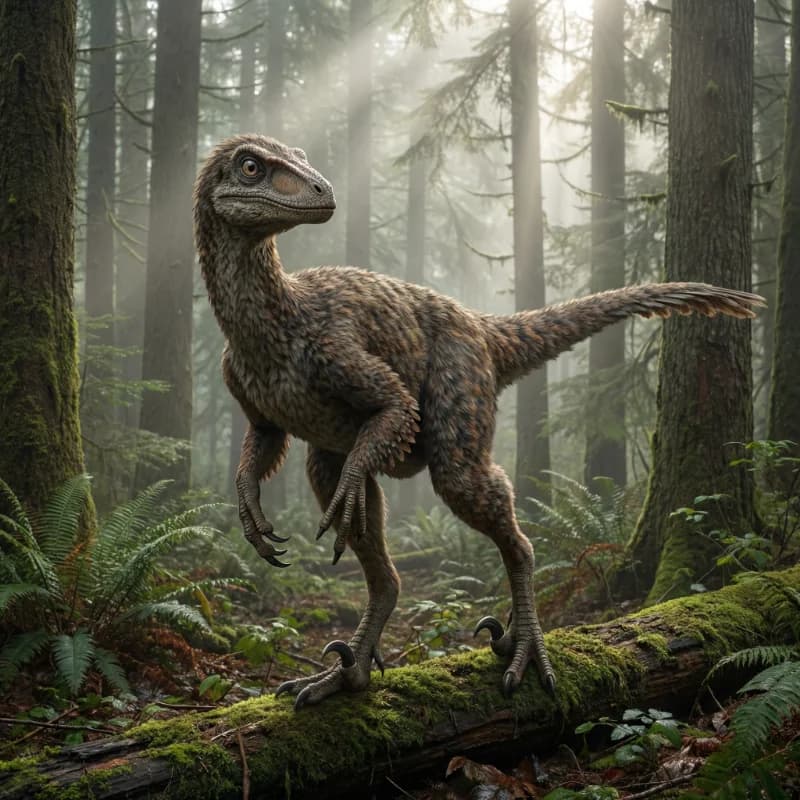
Troodon
Troodon formosus
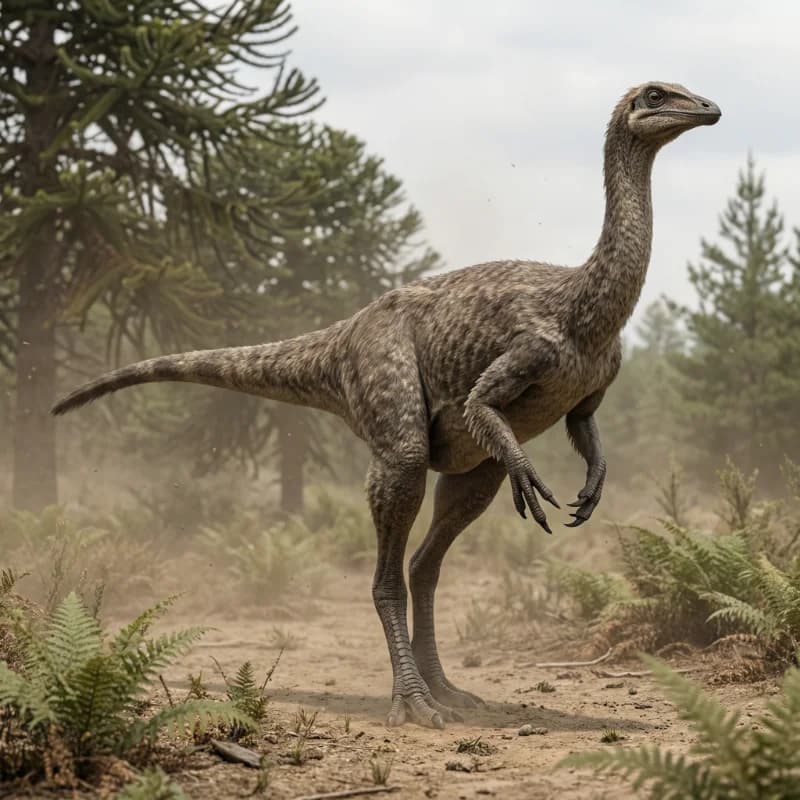
Struthiomimus
Struthiomimus altus
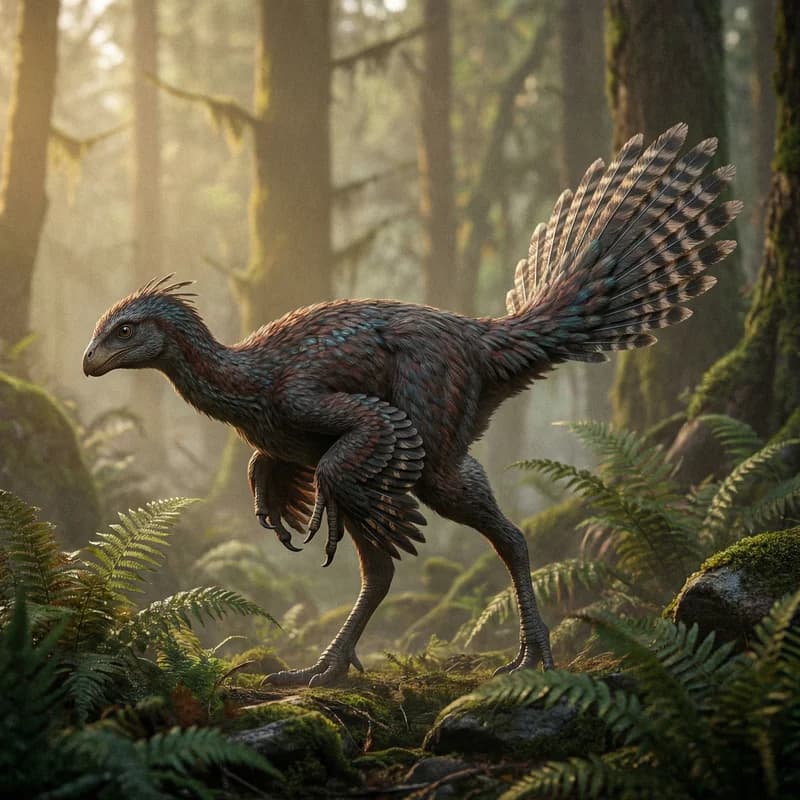
Caudipteryx
Caudipteryx zoui
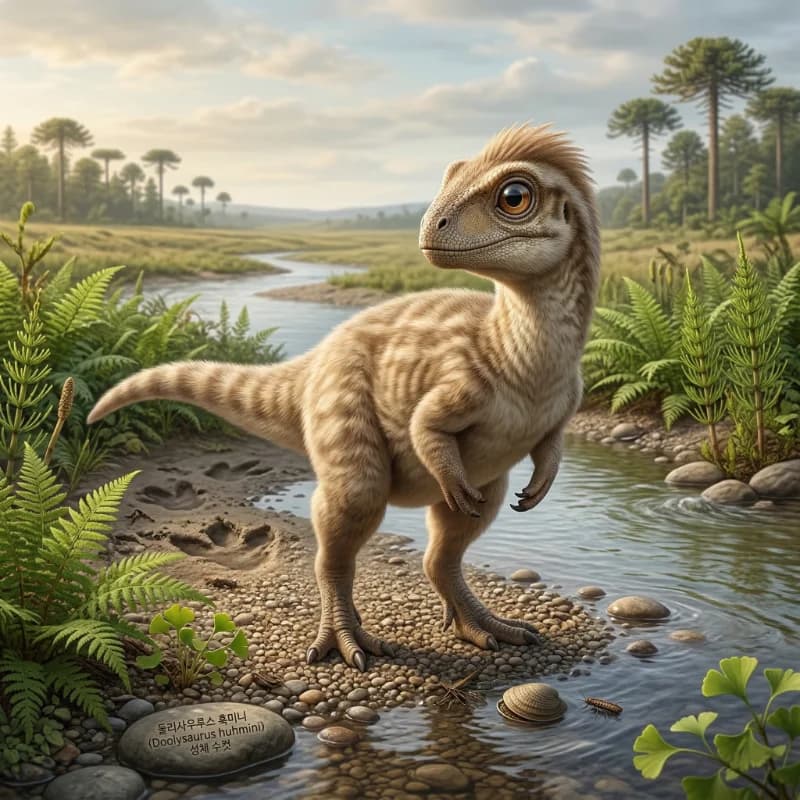
Doolysaurus
Doolysaurus huhmini
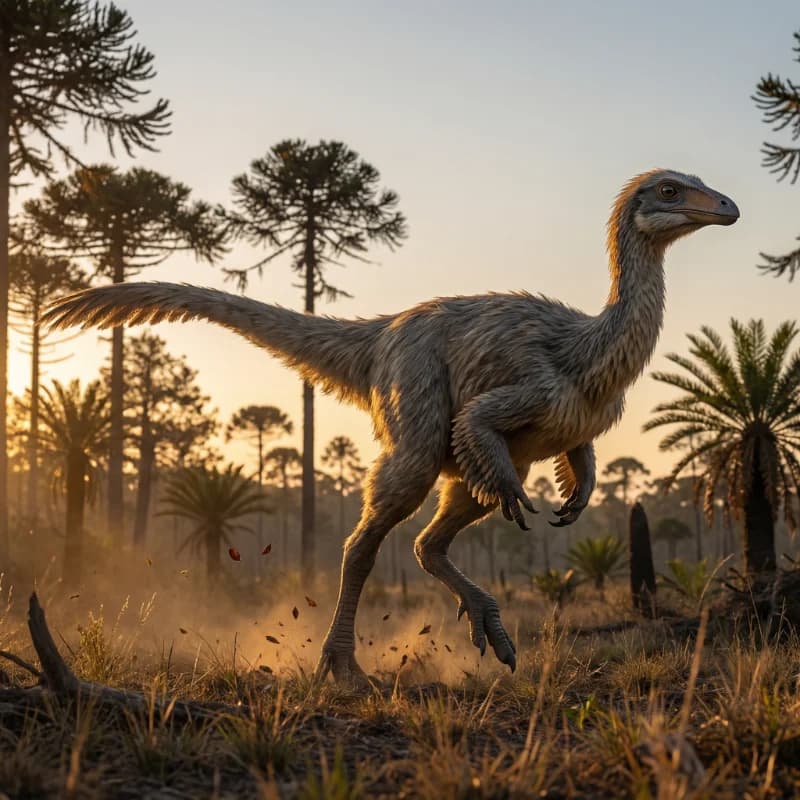
Arkansaurus
Arkansaurus fridayi
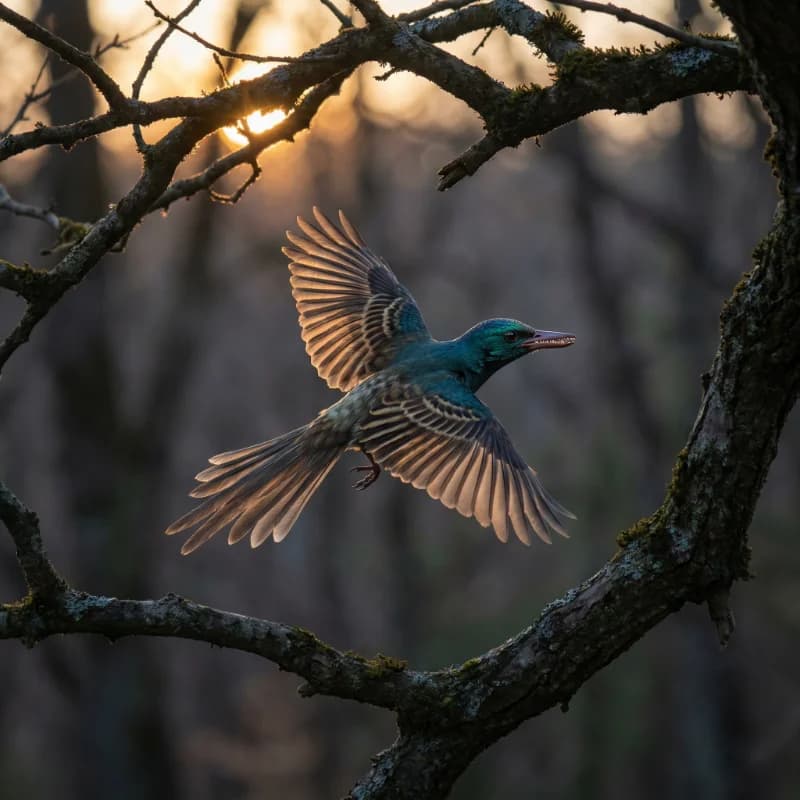
Longipteryx
Longipteryx chaoyangensis
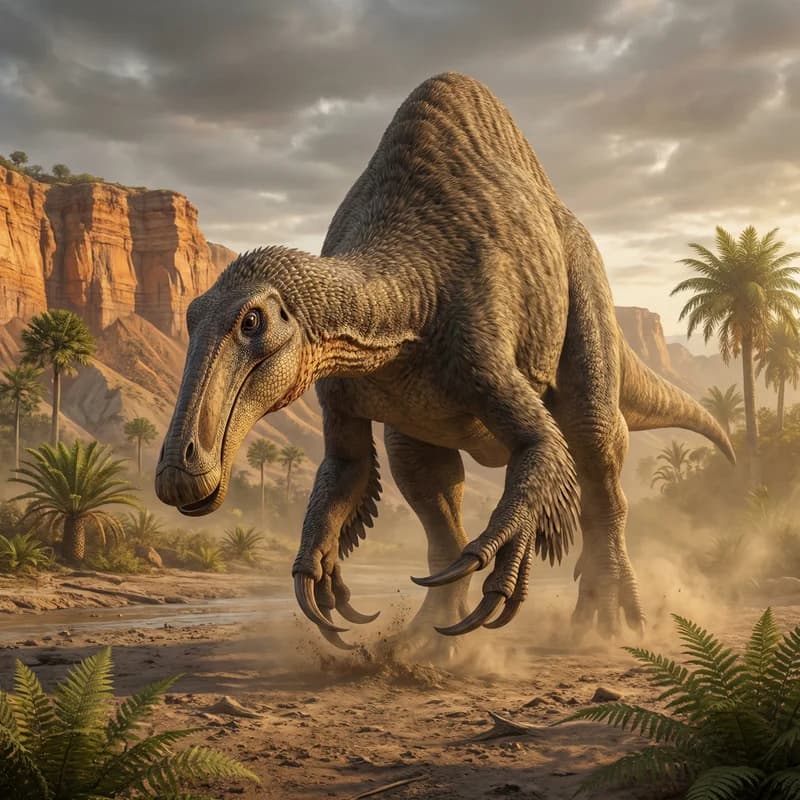
Deinocheirus
Deinocheirus mirificus

Gallimimus
Gallimimus bullatus