Troodon
Cretaceous Period Omnivore Creature Type
Troodon formosus
Scientific Name: "From Ancient Greek troo (τρώω, 'to wound') + odon (ὀδών, 'tooth') = 'wounding tooth'. The specific epithet formosus is Latin for 'beautiful'. Leidy (1856) named it in reference to the distinctive serrated tooth of the holotype."
Local Name: Troodon
Physical Characteristics
Discovery
Habitat

Troodon formosus Leidy, 1856 is a small theropod dinosaur from the Late Cretaceous Campanian stage (approximately 77.5–74.5 Ma), belonging to the family Troodontidae, subfamily Troodontinae. It was named by Joseph Leidy in 1856 based on a single tooth (ANSP 9259) collected by Ferdinand Hayden in 1855 from the Judith River badlands of central Montana, making it one of the earliest dinosaurs named from North America. The genus name derives from Ancient Greek troo ('to wound') and odon ('tooth'), meaning 'wounding tooth', while the specific epithet formosus is Latin for 'beautiful'.
Troodon is most widely known for possessing the highest brain-to-body-weight ratio (encephalization quotient, or EQ, estimated at approximately 5.8) among non-avian dinosaurs (Hopson, 1980). Its skull bore very large, forward-facing orbits estimated at 52 mm in diameter (Russell, 1969), providing binocular vision of approximately 45–60° and suggesting nocturnal or crepuscular activity. Morphometric analysis of its tooth serrations indicates greater similarity to those of herbivorous reptiles than to those of typical carnivorous theropods, suggesting a possibly omnivorous diet (Holtz et al., 1998). Egg, nest, and embryonic fossils from the Two Medicine Formation have provided some of the best direct evidence for avian-like reproductive behavior in non-avian dinosaurs, including communal nesting and paternal brooding (Varricchio et al., 1997, 2008; Tagliavento et al., 2023).
Taxonomically, Troodon has an extraordinarily complex history. Because the holotype is a single tooth, several researchers have considered the genus a nomen dubium (doubtful name) since 2011 (Zanno et al., 2011; Evans et al., 2017; van der Reest & Currie, 2017), and specimens formerly assigned to Troodon were redistributed to Stenonychosaurus inequalis and Latenivenatrix mcmasterae. However, in 2025, Varricchio and colleagues proposed the multi-individual bonebed specimen MOR 553 from the Two Medicine Formation as a neotype for T. formosus, reaffirming its validity and treating Stenonychosaurus as a junior synonym. A formal petition to the International Commission on Zoological Nomenclature (ICZN) is being prepared, and this remains one of the most actively debated taxonomic questions in modern paleontology.
Overview
Name and etymology
The genus name Troodon comes from the Ancient Greek τρώω (troo, 'to wound') and ὀδών (odon, 'tooth'), referring to the distinctive serrated teeth of the holotype. The specific name formosus is Latin for 'beautiful'. Leidy (1856) originally spelled the name Troödon with a diaeresis, which was formally emended to Troodon by Sauvage in 1876. Leidy initially classified the specimen as a lacertian (lizard), describing it as a new lacertian with the full name meaning 'beautiful wounding tooth'.
Taxonomic status
Troodon's classification has changed dramatically over the past 165 years. It was originally described as a lizard (Leidy, 1856), then reassigned as a megalosaurid dinosaur (Nopcsa, 1901), then considered synonymous with the pachycephalosaur Stegoceras (Gilmore, 1924), and finally confirmed as a theropod by Sternberg (1945). Currie (1987) established the modern species concept by synonymizing Stenonychosaurus inequalis, Polyodontosaurus grandis, and Pectinodon bakkeri under T. formosus. This broad synonymy was widely adopted for about 30 years but has been challenged since 2011. Currently, two opposing views coexist: (1) T. formosus is a nomen dubium due to the undiagnostic holotype tooth (Zanno et al., 2011; Evans et al., 2017), and (2) T. formosus should be preserved through designation of a neotype (Varricchio et al., 2025).
Key significance
Troodon is one of the earliest dinosaurs named from North America, possesses the highest known EQ among non-avian dinosaurs, and provides some of the most detailed direct evidence for avian-like nesting behavior in Mesozoic theropods. Its taxonomic controversy is a textbook case of the challenges inherent in naming taxa from fragmentary material.
Temporal range, stratigraphy, and depositional environment
Temporal range
The confirmed temporal range of Troodon spans the Campanian stage of the Late Cretaceous, approximately 77.5–74.5 Ma (Rogers et al., 2025). The holotype from the Judith River Formation corresponds to an age of approximately 77.5–76.5 Ma (Arbour et al., 2009). Troodon-like teeth and partial braincases from the Prince Creek Formation of Alaska extend the possible range into the late Campanian to Maastrichtian (approximately 73–69 Ma; Fiorillo et al., 2009), although whether these high-latitude specimens represent T. formosus or a distinct taxon remains uncertain.
Recent U-Pb dating of the Two Medicine Formation confirms that the Flag Butte Member, which yields the most abundant Troodon material, was deposited between 76.99 and 74.78 Ma (Rogers et al., 2025). Embryonic and small juvenile specimens (MOR 246, MOR 430) date to approximately 77–76.5 Ma, while adult specimens (MOR 553, MOR 748) cluster around 75 Ma.
Formations and lithology
Troodon is known from multiple formations across western North America, each with distinctive lithological characteristics.
| Formation | Region | Age (Ma) | Dominant lithology | Key specimens |
|---|---|---|---|---|
| Judith River Fm. | Montana, USA | ~77.5–76.5 | Mudstone, siltstone, sandstone, coal, bentonite | Holotype ANSP 9259 |
| Two Medicine Fm. (Flag Butte Mbr.) | Montana, USA | ~77–74.8 | Sandstone, mudstone, lacustrine carbonate, bentonite | MOR 553 (proposed neotype), MOR 748, MOR 246 |
| Dinosaur Park Fm. | Alberta, Canada | ~76.5–75 | Sandstone, mudstone, organic-rich mudstone | Stenonychosaurus/Latenivenatrix specimens |
| Oldman Fm. | Alberta, Canada | ~77.5–76.5 | Sandstone, mudstone | CMN 12340 (Russell, 1969) |
| Prince Creek Fm. | Alaska, USA | ~73–69 | Sandstone, mudstone, gypsum, pyrite | Large teeth, partial braincases |
Paleoenvironment
The Two Medicine Formation was deposited on the western shore of the Western Interior Seaway in a semi-arid to sub-humid inland setting. The Egg Mountain locality, where Troodon nests and embryos were found, represents an alkaline lacustrine carbonate interval atop a 10–15-meter sequence dominated by lacustrine deposition (Shelton, 2007). The Judith River Formation represents regressive coastal floodplain to fluvial environments characterized by alternating mudstone, siltstone, sandstone, and coal beds. The Prince Creek Formation of northern Alaska preserves a high-latitude paleoenvironment (paleolatitude exceeding 70°N) with approximately 120 days of polar winter darkness, mean annual temperatures of approximately 2–12°C, and a flora dominated by trees, shrubs, herbs, and angiosperms (Druckenmiller et al., 2021).
Specimens and diagnostic features
Holotype
The holotype ANSP 9259 is a single tooth from the Judith River Formation, Montana, described by Leidy (1856, 1860). It is a compressed, curved, conical crown with trenchant edges, the outer side being more convex than the inner, with prominent apically oriented serrations. It is housed at the Academy of Natural Sciences of Drexel University (ANSP) in Philadelphia.
Key referred specimens
| Specimen | Institution | Elements preserved | Formation | Reference |
|---|---|---|---|---|
| ANSP 9259 (holotype) | ANSP, Philadelphia | Single tooth | Judith River Fm. | Leidy (1856) |
| CMN 8539 (Stenonychosaurus holotype) | CMN, Ottawa | Foot, partial hand, caudal vertebrae | Dinosaur Park Fm. | Sternberg (1932) |
| CMN 12340 | CMN, Ottawa | Partial skeleton (cranial and limb elements) | Oldman Fm. | Russell (1969) |
| MOR 553 (proposed neotype) | MOR, Bozeman | Multi-individual bonebed (cranial, axial, appendicular elements) | Two Medicine Fm. | Varricchio et al. (2025) |
| MOR 748 | MOR, Bozeman | Partial adult skeleton with egg clutch | Two Medicine Fm. | Varricchio et al. (1997) |
| MOR 246 | MOR, Bozeman | Eggs with embryos | Two Medicine Fm. | Horner & Weishampel (1988) |
| MOR 430 | MOR, Bozeman | Small juvenile partial skeleton | Two Medicine Fm. | Varricchio et al. (2025) |
Revised diagnosis
Varricchio et al. (2025) provided the following combination of diagnostic features distinguishing Troodon formosus from other troodontids: (1) maxilla with anteriorly larger, more broadly rounded maxillary fenestra; (2) low-angled nasal process with a stepped anterior portion; (3) 23 maxillary teeth; (4) large palatal shelf extending posteriorly along the midline to the posterior limit of the maxillary fenestra; (5) more pronounced basioccipital tubera (Currie, 1985); (6) L-shaped to triangular frontal with a flat, shallowly anteroposteriorly rippled nasofrontal contact (van der Reest & Currie, 2017); (7) relatively short metatarsus (metatarsal III/femur length ratio of approximately 0.66 in adults) with a flat to convex anterior surface and triangular to oval-shaped extensor fossa on metatarsal III.
Limitations of the holotype
The fundamental problem with T. formosus is that the holotype is a single tooth. Larson & Currie (2013) demonstrated that troodontid teeth are not diagnostic below the family level, making it impossible to distinguish the holotype from other troodontid taxa using dental morphology alone. This is the primary reason some researchers consider Troodon a nomen dubium. Varricchio et al. (2025) address this by proposing MOR 553 as a neotype, arguing that it satisfies the ICZN principles of universality, priority, and stability, and are preparing a formal petition to the ICZN.
Morphology and functional anatomy
Body size
Adult Troodon (= Stenonychosaurus) measured approximately 2–2.5 m in total length, with an estimated body mass of approximately 35–50 kg and a hip height of approximately 0.9 m (Russell, 1969; Varricchio et al., 1997). The body was lightly built and streamlined. Notably, teeth from the Prince Creek Formation of Alaska are significantly larger than those from more southern localities, providing evidence that high-latitude populations attained larger average body size, consistent with Bergmann's rule (Fiorillo, 2008).
Skull and brain
The most striking anatomical feature of Troodon is its exceptionally large brain relative to body size. Its encephalization quotient (EQ) has been estimated at approximately 5.8, the highest known among non-avian dinosaurs (Hopson, 1980). The orbital diameter was estimated at approximately 52 mm (Russell, 1969), and the two eyes were oriented with a forward slope of approximately 40°, providing a binocular field of approximately 45–60° (Stevens, 2006). This anatomy has been interpreted as an adaptation for nocturnal or crepuscular activity. The braincase shows well-developed optic lobes, consistent with the emphasis on visual processing.
Dentition
The maxilla bore approximately 23 teeth. The teeth are small, curved, and bear distinctive apically oriented serrations on both mesial and distal carinae. Holtz et al. (1998) demonstrated through morphometric analysis that these serrations are more similar to those of herbivorous reptiles than to typical carnivorous theropod teeth, suggesting an omnivorous diet. Wear pattern analysis of Alaskan Troodon teeth indicates a diet of soft foods, inconsistent with bone-chewing, invertebrate exoskeletons, or tough plant material (Fiorillo, 2008).
Limbs and locomotion
The hindlimbs were long and gracile, adapted for cursorial locomotion. The second pedal digit bore an enlarged, retractable sickle claw characteristic of paravian theropods. The metatarsus was relatively short (metatarsal III/femur ratio of approximately 0.66), with the third metatarsal having a flat to slightly convex anterior face (Varricchio et al., 2025). The forelimbs were relatively short but bore sharp claws on three digits. Studies on the related troodontid Linhevenator suggest that derived troodontids may have convergently evolved enlarged second pedal unguals similar to those of dromaeosaurids, potentially as a predatory adaptation (Xu et al., 2011).
Integument
No direct feather impressions are known from Troodon. However, closely related troodontids such as Anchiornis, Jinfengopteryx, and Mei long preserve well-defined feathered integument, making it virtually certain that Troodon was also feathered, at least with simple filamentous plumage and likely with pennaceous feathers on the forelimbs and tail.
Diet and paleoecology
Evidence for diet
Multiple lines of evidence bear on the diet of Troodon. First, tooth serration morphometrics indicate similarity to herbivorous reptiles rather than carnivorous theropods (Holtz et al., 1998). Second, wear patterns on Alaskan teeth suggest a diet of soft foods (Fiorillo, 2008). Third, gastric pellets discovered at the Egg Mountain locality in the Two Medicine Formation contain remains of the early mammal Alphadon, providing direct evidence that Troodon hunted small mammals (Freimuth, 2021). Taken together, these data support an omnivorous diet encompassing small vertebrates, insects, and possibly some plant material.
Reproductive biology
The egg, nest, and embryo record of Troodon from the Two Medicine Formation is among the most important in vertebrate paleontology for understanding non-avian dinosaur reproduction. Varricchio et al. (1997) documented that Troodon, estimated at approximately 50 kg body mass, produced two eggs simultaneously at daily or longer intervals. Complete clutches contain up to 24 eggs. Tagliavento et al. (2023) used clumped isotope thermometry on Troodon eggshells from the Oldman Formation and found that egg calcification was slower than in modern birds but faster than in typical reptiles, resembling a reptile-like pattern. They inferred that Troodon retained two functional ovaries (unlike the single ovary of modern birds), which would have limited individual egg production to approximately 4–6 eggs. Given that clutches contain up to 24 eggs, the authors concluded that multiple females contributed to a single nest, indicating communal nesting behavior analogous to that of modern ostriches.
Varricchio et al. (2018) estimated the incubation period of Troodon at approximately 74 days, intermediate between avian (predicted: approximately 44.4 days) and reptilian (predicted: approximately 107.3 days) values. Varricchio et al. (2008) presented bone histological evidence from the clutch-associated adult MOR 748 suggesting that brooding was performed by males (paternal care), a behavior also inferred for oviraptorid dinosaurs and consistent with the phylogenetic hypothesis that paternal care is ancestral to modern avian lineages.
Ecological role
Troodon occupied the niche of a small-to-medium omnivorous/carnivorous predator in Late Cretaceous North American ecosystems. In the Prince Creek Formation of Alaska, Troodon-type teeth constitute approximately two-thirds of all theropod specimens, making it by far the most common theropod in that high-latitude assemblage (Fiorillo & Gangloff, 2000). This contrasts sharply with more southern deposits in Montana, where troodontid teeth comprise only about 6% of theropod material. This disparity, combined with evidence that Troodon was more abundant during cooler climatic intervals such as the early Maastrichtian, suggests that Troodon may have been ecologically favored in cooler climates (Fiorillo & Gangloff, 2000).
Geographic distribution and paleogeography
Distribution
Confirmed and probable Troodon occurrences span a wide north-south range across western North America. The southern limit is marked by Troodon-type teeth from the Javelina Formation of Texas and the Naashoibito Member of the Ojo Alamo Formation in New Mexico (Langston et al., 1989; Weil & Williamson, 2000), although whether these represent T. formosus or distinct taxa is uncertain. The northern limit extends to the North Slope of Alaska (Prince Creek Formation). This represents one of the broadest geographic ranges among Late Cretaceous troodontids.
Paleogeographic context
PBDB paleocoordinate data place Troodon's localities at approximately 59–70°N paleolatitude during the Campanian. The Alaskan specimens correspond to paleolatitudes exceeding 70°N, well within the Cretaceous Arctic Circle. These populations would have experienced approximately 120 days of polar winter darkness (Druckenmiller et al., 2021). The prevalence of Troodon in such extreme high-latitude environments strongly implies a significant degree of endothermy, consistent with its inferred feathered integument and active predatory lifestyle.
Phylogenetics and taxonomic controversies
Phylogenetic position
In the phylogenetic analysis of Zanno et al. (2011), Troodon was recovered as one of the most derived members of Troodontidae, forming a clade with Zanabazar, Saurornithoides, and Talos within the subfamily Troodontinae. Varricchio et al. (2025) updated the character matrix of van der Reest & Currie (2017) (93 taxa, 366 characters) with extensive new scoring from MOR 553 (118 previously missing characters rescored, 16 revised). Both parsimony (TNT) and Bayesian (MrBayes) analyses recovered Troodon in a derived position within Troodontinae, consistent with previous results.
Core taxonomic disputes
The current debate revolves around three interconnected questions.
First, is Troodon formosus a valid genus and species? Zanno et al. (2011) and Evans et al. (2017) argue that the holotype tooth is undiagnostic below the family level, rendering it a nomen dubium. Varricchio et al. (2018, 2025) counter that the ICZN principles of priority and stability favor retaining T. formosus and propose a neotype (MOR 553) to anchor the species concept.
Second, are Stenonychosaurus inequalis and T. formosus synonymous? Currie's (1987) synonymy was based on tooth and jaw morphology, but Cullen et al. (2021) pointed out that this hypothesis was never directly tested and that later research showed troodontid teeth are not diagnostic below the family level. Varricchio et al. (2025) found that out of 27 characters scorable for the S. inequalis holotype (CMN 8539), none differs from the Two Medicine Formation sample, supporting synonymy.
Third, is Latenivenatrix mcmasterae a valid species? Erected by van der Reest & Currie (2017) for Dinosaur Park Formation troodontids with a more right-triangular frontal, it was subsequently synonymized with S. inequalis by Cullen et al. (2021) based on morphometric and stratigraphic overlap of frontal morphology. Varricchio et al. (2025) follow this synonymy.
Reconstruction and uncertainty
Confirmed
Troodon is a small troodontid theropod with a proportionally large brain, large forward-facing orbits providing binocular vision, an enlarged sickle claw on the second pedal digit, and distinctively serrated teeth. Eggs, embryos, nests, and clutch-associated adults from the Two Medicine Formation directly document much of its reproductive biology.
Strongly supported but not definitively confirmed
Feathered integument (inferred from close relatives), omnivorous diet (supported by tooth morphometrics, wear patterns, and gastric pellet evidence), nocturnal/crepuscular behavior (inferred from orbital morphology and scleral ring data), and paternal brooding (supported by bone histology) are well-supported hypotheses, though direct evidence from Troodon itself is limited for some of these.
Hypothetical or speculative
The application of Bergmann's rule to Alaskan populations, estimated running speeds of 30–40 km/h, and complex social behaviors such as pack hunting remain at the level of speculation or untested inference.
Popular media vs. science
Troodon is frequently depicted as the 'smartest dinosaur' in popular media, but the encephalization quotient is merely a ratio of brain size to body weight, not a direct measure of cognitive ability. Comparisons with mammalian or avian intelligence have significant methodological limitations. Additionally, the 'dinosauroid' thought experiment published by Russell & Séguin (1982), which imagined a hypothetical humanoid descendant of Troodon, was a purely speculative exercise but is sometimes misrepresented as a scientific prediction in popular culture.
Comparison with related and contemporary taxa
| Genus | Family | Age | Region | Length (m) | Mass (kg) | Notable features |
|---|---|---|---|---|---|---|
| Troodon | Troodontidae | Campanian, ~77.5–74.5 Ma | North America | 2–2.5 | 35–50 | Highest known EQ among non-avian dinosaurs, communal nesting |
| Saurornithoides | Troodontidae | Campanian, ~75 Ma | Asia (Mongolia) | ~2 | ~25–30 | Asian sister taxon, similar cranial morphology |
| Zanabazar | Troodontidae | Maastrichtian, ~70 Ma | Asia (Mongolia) | ~2.5 | ~30–40 | Most derived Asian troodontid |
| Talos | Troodontidae | Campanian, ~76 Ma | North America (Utah) | ~2 | ~30 | Injured second pedal digit in holotype |
| Dromaeosaurus | Dromaeosauridae | Campanian, ~76.5 Ma | North America | ~2 | ~15 | Contemporary dromaeosaurid predator |
Fun Facts
FAQ
📚References
- Leidy, J. (1856). Notices of remains of extinct reptiles and fishes, discovered by Dr. F. V. Hayden in the badlands of the Judith River, Nebraska Territory. Proceedings of the Academy of Natural Sciences of Philadelphia, 8, 72–73.
- Currie, P. J. (1987). Theropods of the Judith River Formation. Occasional Paper of the Tyrrell Museum of Palaeontology, 3, 52–60.
- Russell, D. A. (1969). A new specimen of Stenonychosaurus from the Oldman Formation (Cretaceous) of Alberta. Canadian Journal of Earth Sciences, 6, 595–612.
- Varricchio, D. J., Jackson, F. D., Borkowski, J. J., & Horner, J. R. (1997). Nest and egg clutches of the dinosaur Troodon formosus and the evolution of avian reproductive traits. Nature, 385, 247–250. https://doi.org/10.1038/385247a0
- Zanno, L. E., Varricchio, D. J., O'Connor, P. M., Titus, A. L., & Knell, M. J. (2011). A new troodontid theropod, Talos sampsoni gen. et sp. nov., from the Upper Cretaceous Western Interior Basin of North America. PLoS ONE, 6(9), e24487. https://doi.org/10.1371/journal.pone.0024487
- Evans, D. C., Cullen, T. M., Larson, D. W., & Rego, A. (2017). A new species of troodontid theropod (Dinosauria: Maniraptora) from the Horseshoe Canyon Formation (Maastrichtian) of Alberta, Canada. Canadian Journal of Earth Sciences, 54(8), 813–826. https://doi.org/10.1139/cjes-2017-0034
- van der Reest, A. J., & Currie, P. J. (2017). Troodontids (Theropoda) from the Dinosaur Park Formation, Alberta, with a description of a unique new taxon: implications for deinonychosaur diversity in North America. Canadian Journal of Earth Sciences, 54(9), 919–935. https://doi.org/10.1139/cjes-2017-0031
- Varricchio, D. J., Hogan, J. D., & Gardner, J. D. (2025). Troodontid specimens from the Cretaceous Two Medicine Formation of Montana (USA) and the validity of Troodon formosus. Journal of Paleontology, 99(1), 219–240. https://doi.org/10.1017/jpa.2024.67
- Holtz, T. R., Brinkman, D. L., & Chandler, C. L. (1998). Denticle morphometrics and a possibly omnivorous feeding habit for the theropod dinosaur Troodon. Gaia, 15, 159–166.
- Fiorillo, A. R. (2008). On the occurrence of exceptionally large teeth of Troodon (Dinosauria: Saurischia) from the Late Cretaceous of Northern Alaska. Palaios, 23, 322–328.
- Fiorillo, A. R., & Gangloff, R. A. (2000). Theropod teeth from the Prince Creek Formation (Cretaceous) of Northern Alaska, with speculations on Arctic dinosaur paleoecology. Journal of Vertebrate Paleontology, 20(4), 675–682.
- Varricchio, D. J., Moore, J. R., Erickson, G. M., Norell, M. A., Jackson, F. D., & Borkowski, J. J. (2008). Avian paternal care had dinosaur origin. Science, 322(5909), 1826–1828. https://doi.org/10.1126/science.1163245
- Varricchio, D. J., Kundrát, M., & Hogan, J. (2018). An intermediate incubation period and primitive brooding in a theropod dinosaur. Scientific Reports, 8, 12454. https://doi.org/10.1038/s41598-018-30085-6
- Tagliavento, M., Davies, A. J., Bernecker, M., & Fiebig, J. (2023). Evidence for heterothermic endothermy and reptile-like eggshell mineralization in Troodon, a non-avian maniraptoran theropod. PNAS, 120(15), e2213987120. https://doi.org/10.1073/pnas.2213987120
- Cullen, T. M., Zanno, L., Larson, D. W., Todd, E., Currie, P. J., & Evans, D. C. (2021). Anatomical, morphometric, and stratigraphic analyses of theropod biodiversity in the Upper Cretaceous (Campanian) Dinosaur Park Formation. Canadian Journal of Earth Sciences, 58(9), 870–884. https://doi.org/10.1139/cjes-2020-0145
- Rogers, R. R., Horner, J. R., Ramezani, J., Roberts, E. M., & Varricchio, D. J. (2025). Updating the Upper Cretaceous (Campanian) Two Medicine Formation of Montana: Lithostratigraphic revisions, new CA-ID-TIMS U-Pb ages, and a calibrated framework for dinosaur occurrences. GSA Bulletin, 137(1–2), 315–340.
- Freimuth, W. (2021). Mammal-bearing gastric pellets potentially attributable to Troodon formosus at the Cretaceous Egg Mountain locality, Two Medicine Formation, Montana, USA. Palaeontology, 64(5), 699–725. https://doi.org/10.1111/pala.12546
- Druckenmiller, P. S., Erickson, G. M., Brinkman, D., Brown, C. M., & Eberle, J. J. (2021). Nesting at extreme polar latitudes by non-avian dinosaurs. Current Biology, 31(16), 3469–3478. https://doi.org/10.1016/j.cub.2021.05.041
- Fiorillo, A. R., Tykoski, R. S., Currie, P. J., McCarthy, P. J., & Flaig, P. (2009). Description of two partial Troodon braincases from the Prince Creek Formation (Upper Cretaceous), North Slope Alaska. Journal of Vertebrate Paleontology, 29(1), 178–187.
- Xu, X., Tan, Q., Sullivan, C., Han, F., & Xiao, D. (2011). A short-armed troodontid dinosaur from the Upper Cretaceous of Inner Mongolia and its implications for troodontid evolution. PLoS ONE, 6(9), e22916. https://doi.org/10.1371/journal.pone.0022916
- Larson, D. W., & Currie, P. J. (2013). Multivariate analyses of small theropod dinosaur teeth and implications for paleoecological turnover through time. PLoS ONE, 8(1), e54329. https://doi.org/10.1371/journal.pone.0054329
- Sternberg, C. M. (1932). Two new theropod dinosaurs from the Belly River Formation of Alberta. Canadian Field-Naturalist, 46, 99–105.
- Russell, D. A., & Séguin, R. (1982). Reconstruction of the small Cretaceous theropod Stenonychosaurus inequalis and a hypothetical dinosauroid. Syllogeus, 37, 1–43.
- Stevens, K. A. (2006). Binocular vision in theropod dinosaurs. Journal of Vertebrate Paleontology, 26(2), 321–330.
Gallery
5 images Troodon
Troodon · Cretaceous Period · Omnivore
 Troodon
Troodon · Cretaceous Period · Omnivore
 Troodon
Troodon · Cretaceous Period · Omnivore
 Troodon
Troodon · Cretaceous Period · Omnivore
 Troodon
Troodon · Cretaceous Period · Omnivore
🔗Related Creatures
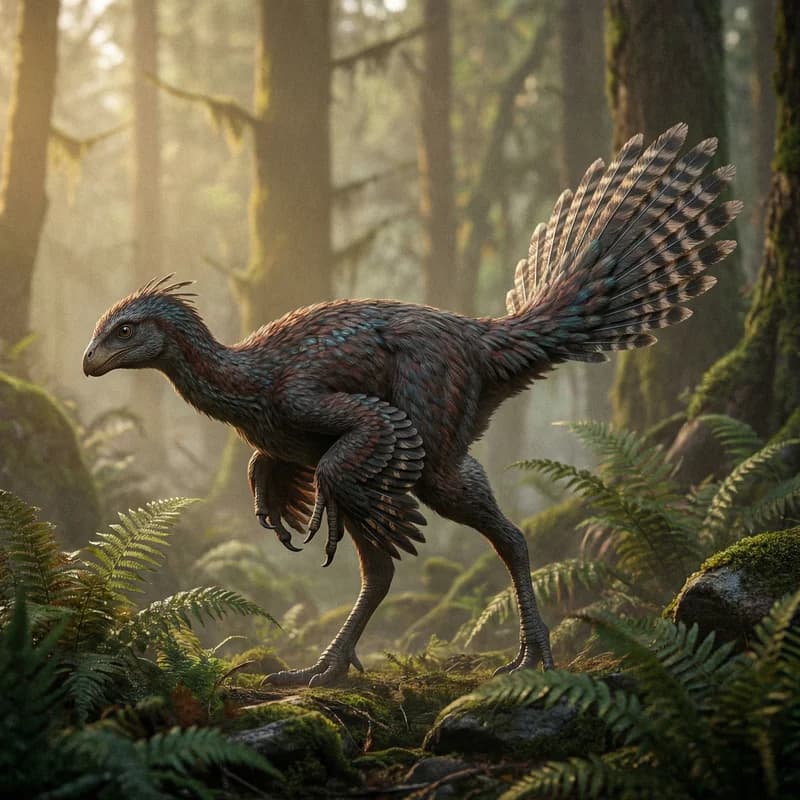
Caudipteryx
Caudipteryx zoui
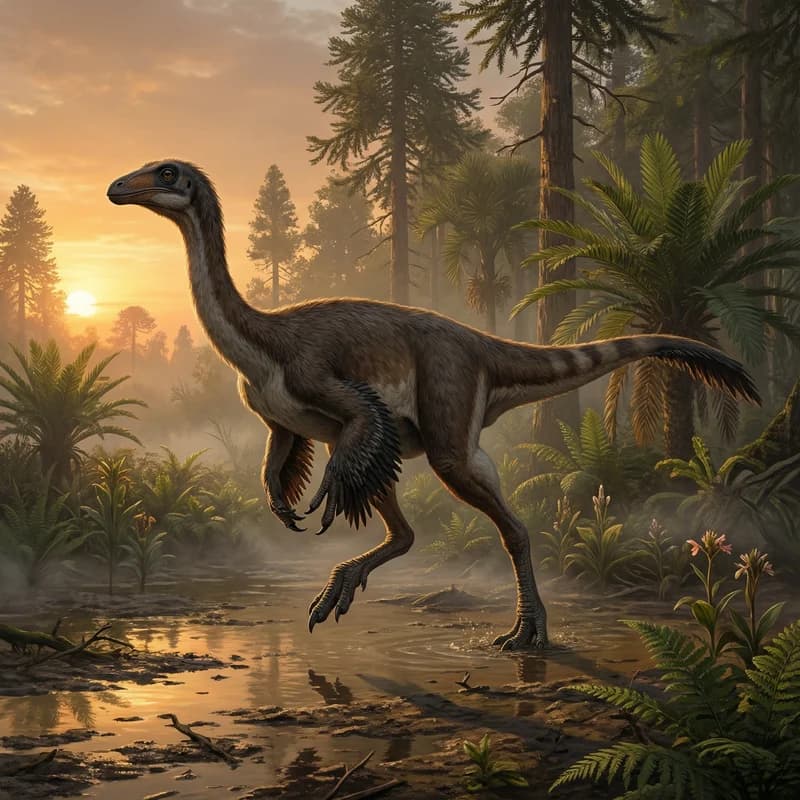
Ornithomimus
Ornithomimus velox
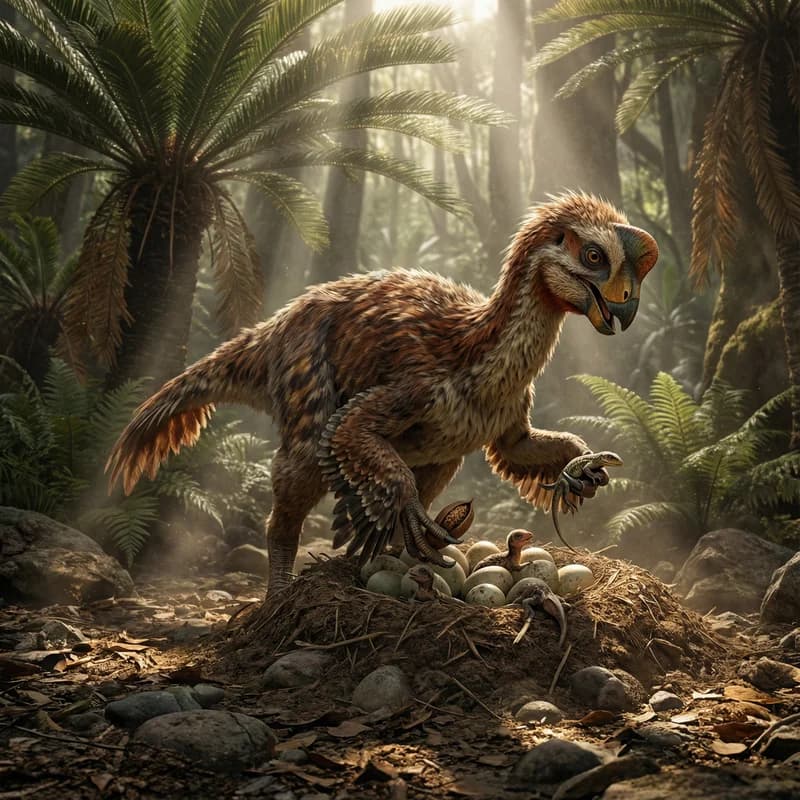
Oviraptor
Oviraptor philoceratops
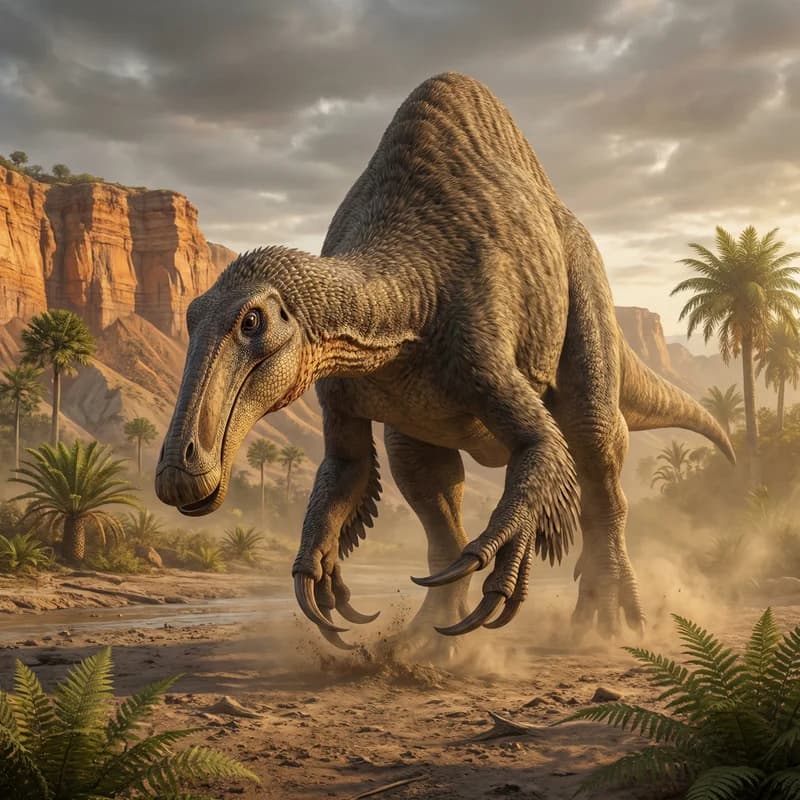
Deinocheirus
Deinocheirus mirificus
Doolysaurus
Doolysaurus huhmini
Longipteryx
Longipteryx chaoyangensis

Gallimimus
Gallimimus bullatus
Arkansaurus
Arkansaurus fridayi