Giant Pacific Octopus
Carnivore Creature Type
Enteroctopus dofleini
Scientific Name: "Enteroctopus from Greek 'enteron' (intestine) + 'oktōpous' (eight-footed); dofleini honours German zoologist Franz Theodor Doflein (1873–1924)"
Physical Characteristics
Discovery
Habitat
보전·개체·수명

The giant Pacific octopus (Enteroctopus dofleini Wülker, 1910) is a large marine cephalopod in the family Enteroctopodidae and the largest living octopus species on Earth. Adults typically weigh around 15 kg (33 lb) with an arm span of up to 4.3 m (14 ft), though larger individuals exceeding 50 kg (110 lb) with radial spans of 6 m (20 ft) are documented (Cosgrove, 2009). The largest scientifically verified live-weighed specimen was approximately 71 kg (156 lb), while an anecdotal record claims 272 kg (600 lb) and a 9.6 m (32 ft) arm span (Guinness World Records).
This species inhabits coastal waters throughout the North Pacific, from Baja California, Mexico, northward along the west coast of the United States (California, Oregon, Washington) and Alaska (including the Aleutian Islands) and British Columbia, Canada, then across the northern Pacific to the Russian Far East (Kamchatka, Sea of Okhotsk), the Korean Peninsula, Japan, the East China Sea, and the Yellow Sea (Cosgrove, 2009; Wikipedia). It occurs from the intertidal zone to depths of approximately 2,000 m (6,600 ft), but most individuals are found at 5–300 m in cold, oxygen-rich waters.
The IUCN Red List classifies this species as Least Concern (LC) (Allcock, Taite & Allen, 2018). Global population size is unknown due to the species' solitary, cryptic habits and vast range (Ocean Conservancy). The giant Pacific octopus is renowned for its three hearts, copper-based blue blood, decentralized nervous system with approximately 500 million neurons, and cognitive abilities that rank it among the most intelligent invertebrates ever studied.
1. Overview
The genus name Enteroctopus derives from the Greek words 'ἔντερον' (enteron, 'intestine') and 'ὀκτώπους' (oktōpous, 'eight-footed'). The specific epithet dofleini honours the German zoologist Franz Theodor Doflein (1873–1924), who studied Japanese marine fauna (Hansson, 1997). Common names include 'giant Pacific octopus,' 'North Pacific giant octopus' (English), 'ミズダコ' (mizudako, 'water octopus,' Japanese), '대왕문어' (daewang-muneo, Korean), and 'Осьминог Дофлейна' (Russian).
The species was first described in 1910 by Gerhard Wülker of Leipzig University in Über Japanische Cephalopoden as Polypus dofleini (Wülker, 1910). It was subsequently placed in Octopus, Paroctopus, and other genera before being transferred to Enteroctopus by Eric Hochberg in 1998 (Hochberg, 1998; Anderson, 2001). The World Register of Marine Species (WoRMS) and the Ocean Biodiversity Information System (OBIS) currently place this species in the family Enteroctopodidae, though some older references list it under Octopodidae.
The giant Pacific octopus is the world's largest octopus species, an extraordinarily intelligent cold-water predator with three hearts, blue blood, and a decentralized nervous system that allows each of its eight arms to act semi-independently.
2. Taxonomy and Phylogeny
| Rank | Taxon |
|---|---|
| Kingdom | Animalia |
| Phylum | Mollusca |
| Class | Cephalopoda |
| Subclass | Coleoidea |
| Superorder | Octopodiformes |
| Order | Octopoda |
| Suborder | Incirrata |
| Family | Enteroctopodidae |
| Genus | Enteroctopus |
| Species | E. dofleini (Wülker, 1910) |
The classification history of this species is complex. After Wülker's (1910) original description as Polypus dofleini, it was transferred through Octopus dofleini, Paroctopus dofleini, and other combinations. Pickford (1964) recognised three subspecies: E. d. dofleini (far-western North Pacific), E. d. apollyon (Bering Sea to Gulf of Alaska), and E. d. martini (eastern range). The validity of these subspecies remains debated.
Toussaint et al. (2012) used mitochondrial DNA and nuclear microsatellite markers from Prince William Sound, Alaska, to present evidence of genetically segregated cryptic speciation within populations currently assigned to E. dofleini. This finding suggests that what is presently treated as a single species may in fact comprise multiple species or subspecies, a matter requiring further research. DNA analysis has hinted at three potential lineages corresponding to Japanese, Alaskan, and Puget Sound populations (Wikipedia).
Known synonyms include Octopus punctatus Gabb, 1862; Polypus apollyon Berry, 1912; Polypus gilbertianus Berry, 1912; Octopus madokai Berry, 1921; and Paroctopus asper Akimushkin, 1963 (WoRMS).
The genus Enteroctopus also includes the Patagonian giant octopus (E. megalocyathus, coasts of Chile and Argentina), the southern giant octopus (E. magnificus, South Africa), and E. zealandicus (New Zealand). The seven-arm octopus (Haliphron atlanticus) is the only other contender for the title of largest octopus by mass, based on an incomplete 61 kg carcass with an estimated live mass of 75 kg (O'Shea, 2004).
Barry et al. (2013) analysed COI gene sequences and microsatellites from Alaskan populations and found spatial genetic structure and low haplotype diversity, suggesting limited gene flow between regional populations. Larson et al. (2015) confirmed multiple paternity in populations from Oregon, Washington, and the southeast coast of Vancouver Island using microsatellite data.
3. Morphology and Anatomy
The default body colour is reddish-brown to brown, but the animal can alter its colour, pattern, and skin texture within milliseconds using thousands of chromatophores, iridophores, and leucophores distributed across its skin. Remarkably, the species is believed to be colour-blind (possessing only a single type of photoreceptor in its eyes), yet it produces camouflage that precisely matches its surroundings. One hypothesis invokes dermal photoreceptors — light-sensitive proteins in the skin itself — but this remains unconfirmed.
The mantle is sac-shaped and houses the brain, reproductive organs, digestive system, and gills. Eight muscular arms radiate from the head, each bearing two rows of suckers.
This is the largest octopus species by both weight and arm span. Typical adults weigh approximately 15 kg with an arm span of about 4.3 m (Smithsonian National Zoological Park). Larger individuals weigh 50 kg or more with arm spans exceeding 6 m (Cosgrove, 2009). The largest scientifically verified live-weighed individual was approximately 71 kg (156 lb) (Seattle Aquarium). The often-cited record of 272 kg (600 lb) and 9.6 m (32 ft) arm span is anecdotal and lacks independent scientific verification (Guinness World Records).
The largest suckers measure about 6.4 cm (2.5 in) in diameter and can each support roughly 16 kg (35 lb) of weight (Parker, cited in Cosgrove, 2009). Hatchlings weigh approximately 0.03 g (the size of a grain of rice) and grow at a rate of roughly 0.9% body mass per day (Cosgrove, 2009).
The giant Pacific octopus possesses three hearts. Two branchial hearts pump blood through the gills for oxygenation, while one systemic heart circulates oxygenated blood to the rest of the body. The systemic heart ceases beating during swimming, making jet propulsion extremely energy-costly; consequently, the animal prefers crawling along the seabed using its arms.
The blood is blue because it uses haemocyanin, a copper-based respiratory pigment, rather than the iron-based haemoglobin found in vertebrates. Haemocyanin is more efficient at transporting oxygen in cold, low-oxygen environments, but its overall oxygen-carrying capacity is lower, which constrains the species to cool, oxygen-rich waters (Cosgrove, 2009).
The nervous system contains approximately 500 million neurons (comparable to a dog), with roughly two-thirds of these located in the arm ganglia rather than the central brain (NHM London; Courage, 2013). The central brain forms a doughnut shape around the oesophagus and features folded lobes (a hallmark of neural complexity) with distinct visual and tactile memory centres. Each arm's ganglia allow it to move, explore, taste, and respond to stimuli semi-independently of the central brain.
The large eyes on either side of the head can form complex images and function well in low-light conditions. Each sucker contains thousands of chemoreceptors, enabling the arms to simultaneously touch and taste objects — effectively allowing the octopus to 'taste' whatever it handles.
Beyond chromatophore-driven camouflage, the species can raise papillae (small bumps) on its skin to mimic the texture of rocks, coral, or algae. When threatened, it squirts a cloud of ink to obscure a predator's vision and propels itself backward via jet propulsion through its siphon. As a soft-bodied animal, its only rigid structure is its chitinous beak, meaning it can squeeze through any opening its beak can fit through. Arm autotomy (self-amputation) and subsequent regeneration have also been documented.
4. Ecology and Behaviour
The giant Pacific octopus is a generalist predator that consumes a wide range of prey including shrimp, crabs, scallops, abalones, cockles, clams, snails, lobsters, fish, squid, and other octopuses (ADW; Oceana). It has been observed catching spiny dogfish sharks (Squalus acanthias) up to 1.2 m long in captivity, and wild midden analysis has confirmed predation on small sharks (Walla Walla University). In 2012, a wild individual was photographed attacking and drowning a seagull (Young, 2012).
Prey is captured with the suckers, then either pried apart with the arms, crushed with the chitinous beak, or drilled with the radula and injected with venomous saliva to paralyse the prey before consumption.
This is an exclusively solitary species. Individuals spend approximately 94% of their time stationary or concealed within dens, camouflaged in kelp, or blended into their environment (Scheel & Bisson, 2012). Activity occurs throughout the day but increases from midnight to early morning. When not resting, they engage in grooming, feeding, sleeping, and den maintenance.
Den-to-den relocations average approximately 13.2 m, and the animals show strong fidelity to individual dens, often occupying the same shelter for at least a month (Hartwick et al., 1984; Scheel & Bisson, 2012). Movements are non-random, reflecting a sophisticated level of habitat selection that favours dense kelp cover and rocky terrain, likely optimising foraging efficiency while minimising predator exposure.
Dens include caves, spaces dug beneath boulders, rock crevices, and even anthropogenic debris such as bottles, tyres, pipes, and barrels (High, 1976; Scheel & Bisson, 2012). Den size is minimal — just large enough for the octopus to fit inside and turn around, determined ultimately by beak size since the soft body can compress through openings as narrow as two inches (High, 1976). Prey remains (shells, carapaces) accumulate outside the entrance, forming a distinctive refuse pile called a midden that scientists use to locate dens and study diet (Vincent et al., 1998).
Jet propulsion through the siphon allows rapid swimming in open water, but the animal typically crawls along the seafloor with its arms. In the western Pacific off Japan, seasonal migration coincides with temperature changes: individuals move to shallower waters in early summer and winter and offshore in late summer and winter (Scheel & Bisson, 2012). No such migratory pattern has been documented in Alaskan or northeastern Pacific populations.
Navigation relies on visual landmarks including cliff edges, substrate types, and topography (Alves et al., 2008), and larger individuals move farther than smaller ones.
Major predators of adults include harbour seals, sea otters, sperm whales, and Pacific sleeper sharks (Somniosus pacificus) (Sigler et al., 2006). Paralarvae and juveniles are preyed upon by a wide variety of zooplankton feeders, fish, and seabirds. The species is also parasitised by the mesozoan Dicyemodeca anthinocephalum, which inhabits its renal appendages (Furuya & Tsuneki, 2003).
Defensive strategies include ink ejection, jet-propelled escape, rapid camouflage, and retreating into tight crevices inaccessible to predators.
The giant Pacific octopus is ranked among the most intelligent invertebrates (Anderson, 2005). Documented cognitive abilities include maze navigation and problem-solving, unscrewing childproof bottles, tool use, individual recognition of human caretakers with differentiated responses (water-jetting, skin texture changes) (Anderson et al., 2010), disassembling equipment, and opening tank valves in laboratory and aquarium settings (Courage, 2013).
Some researchers report evidence of motor play and individual personalities (Mather & Kuba, 2013). In aquariums, the species has earned a reputation as a notorious escape artist, capable of compressing its body through remarkably small openings.
5. Reproduction and Life History
The giant Pacific octopus is semelparous — it reproduces only once in its lifetime and dies afterward. Sexual maturity is reached at approximately 1–2 years of age (California Sea Grant). Gonadal maturation is regulated by the optic gland, which functions analogously to the vertebrate pituitary gland. When the optic gland is surgically removed, females cease brooding, resume feeding, gain weight, and live significantly longer (Wodinsky, 1977).
During mating, the male uses his hectocotylus (a specialised third right arm, the distal approximately 10 cm of which lacks suckers) to transfer a spermatophore exceeding 1 m in length into the female's mantle cavity (Flory, 2007). Each spermatophore may contain over four billion sperm (The Marine Detective). The female stores the spermatophore in her spermatheca until she is ready to fertilise her eggs; one female at the Seattle Aquarium retained a spermatophore for seven months before spawning (Courage, 2013).
Egg-clutch analysis has revealed evidence of both polygyny and polyandry, indicating that both sexes may mate with multiple partners (Larson et al., 2015).
Near the end of her life, the female attaches approximately 120,000–400,000 eggs to the ceiling of her den (Cosgrove, 2009; SeaDoc Society). Eggs are coated in chorion and arranged in grape-like clusters. Some sources report lower estimates of 20,000–100,000 eggs (ADFG; ADW), while a Gulf of Alaska study estimated 41,600–239,000 eggs (mean approximately 106,800) per female (Conrath & Conners, 2014). Variation likely reflects differences in female size, geographic region, and estimation methodology.
The female broods the eggs for the entire incubation period (approximately 6 months or longer), continuously blowing water over them for aeration and grooming them to remove algae and growths, while defending them against predators. Throughout this period, she does not feed at all, subsisting entirely on her body fat reserves. She typically dies shortly after the eggs hatch (Courage, 2013).
Hatchlings (paralarvae) are approximately the size of a grain of rice (about 0.03 g). They swim to the surface and live as plankton for a period of weeks to months before settling to the benthos and beginning rapid growth. Annual growth follows a biphasic pattern: faster from July to December and slower from January to June (Robinson & Hartwick, 1986).
The giant Pacific octopus lives approximately 3–5 years, considerably longer than most other octopus species (typically 1–2 years) (Cosgrove, 2009; California Sea Grant). Following reproduction, both sexes enter senescence, characterised by reduced appetite, retraction of skin around the eyes (giving them a more pronounced appearance), increased but uncoordinated activity, and white lesions across the body. The senescent phase typically lasts one to two months, though research indicates that early senescence-related changes (including altered somatosensation) may begin at the onset of reproductive behaviour (Holst et al., 2022; Anderson et al., 2002). Late-stage senescence is associated with declining neuronal and epithelial cell density, resulting in insensitivity to touch (Holst et al., 2022).
6. Distribution and Habitat
The giant Pacific octopus ranges throughout the coastal North Pacific. In the eastern Pacific, it occurs from southern Baja California, Mexico, northward along the United States' west coast (California, Oregon, Washington), Alaska (including the Aleutian Islands), and British Columbia, Canada. In the western Pacific, it occurs along the Russian Far East (Kamchatka Peninsula, Sea of Okhotsk, Sakhalin), Japan, the Korean Peninsula, the East China Sea, and the Yellow Sea (Cosgrove, 2009; Wikipedia; ADFG).
This is a cold-water species that favours cool, oxygen-rich coastal waters. Optimal water temperature is approximately 8–12°C (46–54°F), and it generally occurs in waters below about 15.5°C (60°F) (Cosgrove, 2009; Monterey Bay Aquarium). Depth range extends from the intertidal zone (0 m) to approximately 2,000 m (6,600 ft), though the majority of individuals inhabit depths of 5–300 m (ADW; Wikipedia).
Preferred habitats include rocky substrates with boulders, kelp forests, coral reefs, and soft substrates of mud, sand, and gravel. Higher densities occur near dense kelp canopy, which provides both foraging opportunities and cover from predators. The animal constructs dens in rock crevices, caves, under boulders, and in anthropogenic debris.
Rising sea temperatures pose a significant concern for this species. Because haemocyanin is an inefficient oxygen carrier, the giant Pacific octopus is constrained to cold, oxygen-rich water. Warming may force populations into deeper, cooler water or compress available habitat between warmer surface waters and expanding dead zones. In Washington's Hood Canal, annual autumn dead zones caused by decomposing phytoplankton and macroalgae reduce dissolved oxygen to as low as 2 ppm (normal: 7–9 ppm), and these dead zones have been increasing in size (Courage, 2013). Ocean acidification (pH reduction from 8.0 towards 7.7–7.5) could reduce haemocyanin's oxygen-carrying capacity to life-threatening levels and diminish calcifying prey populations (Courage, 2013).
7. Conservation Status and Threats
The giant Pacific octopus is listed as Least Concern (LC) on the IUCN Red List (Allcock, Taite & Allen, 2018). It is not listed under CITES or the U.S. Endangered Species Act (ESA).
| Authority | Status | Notes |
|---|---|---|
| IUCN Red List | LC (Least Concern) | Assessed 2018 |
| CITES | Not listed | No international trade regulation |
| U.S. ESA | Not listed | No federal protection |
Global population size is unknown. The species' solitary, cryptic habits make abundance estimation extremely difficult (Ocean Conservancy). In a 25 km² study area in Prince William Sound, Alaska, an estimated 2,789–3,755 individuals were recorded (Brewer, 2012). Puget Sound populations are not considered threatened, though the Washington Fish and Wildlife Commission adopted harvest protections at seven sites following public outcry over legal harvesting.
Primary threats include bycatch, habitat degradation, climate change, and pollution.
Bycatch: The species is not directly targeted by commercial fisheries, but is incidentally caught in pot-gear fisheries for cod, crab, and shrimp. The North Pacific Fishery Management Council (NPFMC) established octopus management complexes in the Bering Sea and Gulf of Alaska in 2011, setting annual catch limits (ACLs) and overfishing limits (OFLs) (Conrath & Conners, 2014). A 2017 NOAA study confirmed that giant Pacific octopuses exhibit high post-bycatch survival rates.
Climate change: Warmer water increases metabolic rate, accelerates egg development (potentially creating mismatches with food availability timing), and may shorten lifespan by up to 20% (Forsythe & Hanlon, 1988). Ocean acidification threatens both the animal's respiratory physiology and its calcifying prey base.
Pollution: High concentrations of heavy metals and PCBs have been detected in tissues and digestive glands, likely bioaccumulated through preferred prey such as red rock crabs (Cancer productus) (Scheel & Anderson, 2012).
In Alaska, the NPFMC manages the octopus complex through annual catch limits, and the Alaska Department of Fish and Game (ADFG) conducts population monitoring. Long-term monitoring via targeted visual surveys has been conducted in Prince William Sound since 1995. In Washington State, REEF.org diver surveys track population trends. The Monterey Bay Aquarium Seafood Watch programme lists the giant Pacific octopus in either the 'Buy' or 'Buy, but be aware of concerns' categories depending on catch location.
8. Human Interactions
The giant Pacific octopus is consumed in Japan, Korea, Alaska, and elsewhere. In Japan it is called mizudako (水蛸, 'water octopus'), a name referencing its soft, moist flesh, and is used in takoyaki, sushi, and sashimi. In Korea it is eaten raw (hoe) or blanched (sukhoe). It was historically used as bait in Pacific halibut fisheries, though this practice has declined (ADFG; ADW). Global commercial cephalopod landings total approximately 3.3 million tonnes annually, valued at about US$6 billion (Cosgrove, 2009). Seafood mislabelling is a significant concern in the cephalopod trade, and a multiplex PCR assay has been developed to distinguish this species from the big blue octopus and common octopus (Lee et al., 2022).
In the mythology of the Kwakwaka'wakw people of the Pacific Northwest, the octopus serves the undersea chief Kumugwe' and symbolises great wealth. In Japanese Ainu folklore, Akkorokamui is a colossal octopus monster said to inhabit Uchiura Bay, Hokkaido — analogous to the Nordic Kraken — which, having shown restraint and compassion, became a healing kami (spirit).
The species is displayed at major aquariums worldwide, including Monterey Bay Aquarium, Seattle Aquarium, Georgia Aquarium, and Vancouver Aquarium, where its intelligence, personality, and camouflage abilities make it a perennial public favourite. Enrichment activities, puzzle-solving demonstrations, and documented escape attempts serve both public education and cognitive research (Kirby et al., 2023).
The giant Pacific octopus is an important model organism for neuroscience, behavioural ecology, and cognition research. Its decentralized nervous system, complex learning abilities, tool use, individual personality traits, and the hormonal regulation of senescence via the optic gland all attract significant research attention (Wodinsky, 1977; Holst et al., 2022; Mather & Kuba, 2013).
9. Uncertainties and Open Questions
Confirmed facts include the species' status as the largest living octopus, its possession of three hearts and copper-based blue blood, its semelparous reproductive strategy, and its IUCN LC classification. The probable but not fully resolved proposition is that the species may comprise multiple cryptic species or subspecies (Toussaint et al., 2012). Hypothetical aspects include the precise mechanism by which the apparently colour-blind animal achieves accurate chromatic camouflage, the specific physiological cascade that triggers post-reproductive senescence, and the long-term impacts of climate change on distribution and population dynamics.
Key unresolved questions include the taxonomic status of regional populations (single species versus species complex), the global population size and trend, the mechanism of colour-accurate camouflage in a colour-blind animal, the exact physiological pathway triggering senescence, and the quantitative effects of ocean warming and acidification on reproduction, survival, and distribution.
The species' size is frequently exaggerated in popular media. The 272 kg / 9.6 m record is anecdotal; the largest verified live-weighed individual was 71 kg. The popular description of 'nine brains' is a simplification — the animal has one central brain and eight arm ganglia forming a single integrated nervous system. The neuron count of approximately 500 million is roughly comparable to that of a dog, not to a human brain's approximately 86 billion.
10. Comparative Table: Related and Similar Species
| Species | Scientific Name | Max Weight | Max Arm Span | Distribution | IUCN |
|---|---|---|---|---|---|
| Giant Pacific octopus | Enteroctopus dofleini | ~71 kg (verified), 272 kg (anecdotal) | ~6 m (typical large), 9.6 m (anecdotal) | Coastal North Pacific | LC |
| Seven-arm octopus | Haliphron atlanticus | ~75 kg (estimated) | ~3.5 m | Global deep sea | DD |
| Patagonian giant octopus | Enteroctopus megalocyathus | ~8 kg | ~1 m | Southern South America | NE |
| Common octopus | Octopus vulgaris | ~10 kg | ~1.3 m | Mediterranean, E. Atlantic | LC |
The seven-arm octopus (Haliphron atlanticus) is the only serious contender for the title of largest octopus by mass, based on a 61 kg incomplete carcass with an estimated live mass of 75 kg (O'Shea, 2004). However, in typical adult size and arm span, the giant Pacific octopus clearly exceeds all other species.
11. Data Tables
Table 1. Morphometric Summary
| Measurement | Typical Range | Max Verified Record | Max Anecdotal Record | Unit |
|---|---|---|---|---|
| Body weight | ~15–50 | 71 | 272 | kg |
| Arm span | ~4.3–6 | — | ~9.6 | m |
| Mantle length | ~20–60+ | — | — | cm |
| Largest sucker diameter | ~6.4 | — | — | cm |
Table 2. Reproduction and Development
| Parameter | Range / Mean | Notes | Source |
|---|---|---|---|
| Egg count | ~120,000–400,000 | Large females | Cosgrove 2009; SeaDoc |
| Egg count (Gulf of Alaska) | ~41,600–239,000 | Mean ~106,800 | Conrath 2014 |
| Incubation period | ~6 months+ | Temperature-dependent | Courage 2013 |
| Hatchling weight | ~0.03 | g | Wikipedia |
| Age at maturity | ~1–2 | years | California Sea Grant |
| Spermatophore length | >1 | m | Flory 2007 |
| Lifespan | ~3–5 | years | Cosgrove 2009 |
12. References
Allcock, L., Taite, M., & Allen, G. (2018). Enteroctopus dofleini. The IUCN Red List of Threatened Species 2018: e.T162958A958049. https://doi.org/10.2305/IUCN.UK.2018-2.RLTS.T162958A958049.en
Alves, C., Boal, J. G., & Dickel, L. (2008). Short-distance navigation in cephalopods: a review and synthesis. Cognitive Processing, 9(4), 239–247. https://doi.org/10.1007/s10339-007-0192-9
Anderson, R. C. (2001). Name Change of the Giant Pacific Octopus. Drum And Croaker, 32, 46.
Anderson, R. C. (2005). How smart are octopuses? Coral Magazine, 2, 44–48.
Anderson, R. C., Mather, J. A., Monette, M. Q., & Zimsen, S. R. M. (2010). Octopuses (Enteroctopus dofleini) Recognize Individual Humans. Journal of Applied Animal Welfare Science, 13(3), 261–272. https://doi.org/10.1080/10888705.2010.483892
Anderson, R. C., Wood, J. B., & Byrne, R. A. (2002). Octopus Senescence: The Beginning of the End. Journal of Applied Animal Welfare Science, 5(4), 275–283. https://doi.org/10.1207/S15327604JAWS0504_02
Barry, P. D., Tamone, S. L., & Tallmon, D. A. (2013). A complex pattern of population structure in the North Pacific giant octopus, Enteroctopus dofleini (Wülker, 1910) in Alaskan waters. Journal of Molluscan Studies, 79(2), 133–143. https://doi.org/10.1093/mollus/eyt007
Conrath, C. L., & Conners, M. E. (2014). Aspects of the reproductive biology of the North Pacific giant octopus (Enteroctopus dofleini) in the Gulf of Alaska. Fishery Bulletin, 112(4), 253–260. https://spo.nmfs.noaa.gov/sites/default/files/pdf-content/2014/conrath.pdf
Cosgrove, J. (2009). Super Suckers: The Giant Pacific Octopus. Harbour Publishing. ISBN 978-1-55017-466-3.
Courage, K. H. (2013). Octopus! The Most Mysterious Creature in the Sea. Penguin Group. ISBN 978-1-59184-527-0.
Flory, E. (2007). Giant Pacific Octopus, Enteroctopus dofleini (PDF). National Sea Grant College Program.
Furuya, H., & Tsuneki, K. (2003). Biology of Dicyemid Mesozoans. Zoological Science, 20(5), 519–532. https://doi.org/10.2108/zsj.20.519
Hartwick, E. B., Ambrose, R. F., & Robinson, S. M. C. (1984). Den utilization and the movements of tagged Octopus dofleini. Marine Behaviour and Physiology, 11(2), 95–110. https://doi.org/10.1080/10236248409387038
High, W. L. (1976). The Giant Pacific Octopus. Marine Fisheries Review, 38(9), 17–22.
Hochberg, F. G. (1998). Enteroctopus; Enteroctopus dofleini Wülker, 1910 new combination. In P. Valentich Scott & J. A. Blake (Eds.), Taxonomic Atlas of the Benthic Fauna of the Santa Maria Basin and the Western Santa Barbara Channel (Vol. 8, pp. 203–208). Santa Barbara Museum of Natural History.
Holst, M. M., Hauver, C. M., Stein, R. S., Milano, B. L., Levine, L. H., Zink, A. G., Watters, J. V., & Crook, R. J. (2022). Behavioral changes in senescent giant Pacific octopus (Enteroctopus dofleini) are associated with peripheral neural degeneration and loss of epithelial tissue. Comparative Biochemistry and Physiology Part A, 271, 111263. https://doi.org/10.1016/j.cbpa.2022.111263
Kirby, A. J., Balko, J. A., Goertz, C. E. C., & Lewbart, G. A. (2023). Characterization of Current Husbandry and Veterinary Care Practices of the Giant Pacific Octopus (Enteroctopus dofleini) Using an Online Survey. Veterinary Sciences, 10(7), 448. https://doi.org/10.3390/vetsci10070448
Larson, S., Ramsay, C., & Cosgrove, J. A. (2015). Multiple Paternity and Preliminary Population Genetics of Giant Pacific Octopuses, Enteroctopus dofleini, in Oregon, Washington and the Southeast Coast of Vancouver Island, BC. Diversity, 7(2), 195–205. https://doi.org/10.3390/d7020195
Lee, Y.-M., Lee, G.-Y., & Kim, H.-Y. (2022). Development of a multiplex PCR assay for the simultaneous detection of big blue octopus, giant Pacific octopus, and common octopus. Food Science and Biotechnology, 31(4), 497–504. https://doi.org/10.1007/s10068-022-01051-w
Mather, J. A., & Kuba, M. J. (2013). The cephalopod specialties: complex nervous system, learning and cognition. Canadian Journal of Zoology, 91(6), 431–449. https://doi.org/10.1139/cjz-2013-0009
O'Shea, S. (2004). The giant octopus Haliphron atlanticus (Mollusca: Octopoda) in New Zealand waters. New Zealand Journal of Zoology, 31(1), 7–13. https://doi.org/10.1080/03014223.2004.9518353
Robinson, S. M. C., & Hartwick, E. B. (1986). Analysis of growth based on tag-recapture of the Giant Pacific octopus Octopus dofleini martini. Journal of Zoology, 209(4), 559–572. https://doi.org/10.1111/j.1469-7998.1986.tb03611.x
Scheel, D., & Anderson, R. (2012). Variability in the diet specialization of Enteroctopus dofleini (Cephalopoda: Octopodidae) in the eastern Pacific examined from midden contents. American Malacological Bulletin, 30(2), 267–279. https://doi.org/10.4003/006.030.0206
Scheel, D., & Bisson, L. (2012). Movement patterns of giant Pacific octopuses, Enteroctopus dofleini (Wülker, 1910). Journal of Experimental Marine Biology and Ecology, 416–417, 21–31. https://doi.org/10.1016/j.jembe.2012.02.004
Sigler, M. F., Hulbert, L. B., Lunsford, C. R., Thompson, N. H., Burek, K., O'Corry-Crowe, G., & Hirons, A. C. (2006). Diet of Pacific sleeper shark, a potential Steller sea lion predator, in the north-east Pacific Ocean. Journal of Fish Biology, 69(2), 392–405. https://doi.org/10.1111/j.1095-8649.2006.01096.x
Toussaint, R. K., Scheel, D., Sage, G. K., & Talbot, S. L. (2012). Nuclear and mitochondrial markers reveal evidence for genetically segregated cryptic speciation in giant Pacific octopuses from Prince William Sound, Alaska. Conservation Genetics, 13, 1483–1497.
Vincent, T. L. S., Scheel, D., & Hough, K. R. (1998). Some Aspects of Diet and Foraging Behavior of Octopus dofleini Wülker, 1910 in its Northernmost Range. Marine Ecology, 19(1), 13–29. https://doi.org/10.1111/j.1439-0485.1998.tb00450.x
Wodinsky, J. (1977). Hormonal Inhibition of Feeding and Death in Octopus: Control by Optic Gland Secretion. Science, 198(4320), 948–951. https://doi.org/10.1126/science.198.4320.948
WoRMS Editorial Board. (2026). Enteroctopus dofleini (Wülker, 1910). World Register of Marine Species. http://www.marinespecies.org/aphia.php?p=taxdetails&id=342305
Wülker, G. (1910). Über Japanische Cephalopoden: Beiträge zur Kenntnis der Systematik und Anatomie der Dibranchiaten. Abhandlungen der Mathematisch-Physikalischen Classe der Königlich Bayerischen Akademie der Wissenschaften, Supplement 1, 3, 1–77. https://www.biodiversitylibrary.org/page/39312742
Fun Facts
The giant Pacific octopus has approximately 500 million neurons — comparable to a dog — with roughly two-thirds located in its eight arms, giving each arm the ability to taste, touch, and move semi-independently of the central brain.
Despite being apparently colour-blind (with only one type of photoreceptor in its eyes), the giant Pacific octopus can change its skin colour, pattern, and texture within milliseconds to perfectly match its surroundings. How it achieves this remains a scientific mystery.
Scientists have confirmed that giant Pacific octopuses can recognise individual human caretakers and respond differently to different people — jetting water at some while calmly interacting with others (Anderson et al., 2010).
The only rigid part of its body is its chitinous beak, meaning the entire animal can squeeze through any gap the beak can fit through — earning it a reputation as a notorious escape artist in aquariums worldwide.
A female giant Pacific octopus may lay up to 400,000 eggs and then fast for more than six months while guarding them, surviving entirely on her body fat. She dies shortly after the eggs hatch.
The male's spermatophore (sperm packet) can exceed 1 metre in length and may contain over four billion individual sperm cells.
The largest scientifically verified live-weighed giant Pacific octopus was approximately 71 kg (156 lb). The widely cited record of 272 kg (600 lb) with a 9.6 m arm span is anecdotal and has never been independently confirmed.
In Japan, this species is called mizudako (水蛸, 'water octopus') for its characteristically soft, moist flesh. It is used in takoyaki, sushi, and sashimi.
In Japanese Ainu folklore, Akkorokamui is a colossal octopus monster dwelling in Uchiura Bay, Hokkaido — similar to the Nordic Kraken — that became a healing deity (kami) after demonstrating compassion and restraint.
Giant Pacific octopuses have been documented preying on spiny dogfish sharks up to 1.2 m long, and in 2012 a wild individual was photographed attacking and drowning a seagull.
In a landmark 1977 experiment, removing the optic gland from a brooding female caused her to stop guarding eggs, resume eating, and live far longer than normal — proving that post-reproductive death is hormonally 'programmed.'
A 2012 genetics study from Prince William Sound, Alaska, found evidence of a hidden cryptic species within what was assumed to be a single species, meaning the 'giant Pacific octopus' may actually be multiple species.
FAQ
The giant Pacific octopus is the world's largest octopus species. Typical adults weigh around 15 kg (33 lb) with an arm span of about 4.3 m (14 ft), while larger individuals may exceed 50 kg (110 lb) with arm spans of 6 m (20 ft). The largest scientifically verified live-weighed specimen was approximately 71 kg (156 lb). An often-cited anecdotal record claims 272 kg (600 lb) and a 9.6 m (32 ft) arm span, but this has not been independently verified (Guinness World Records).
Giant Pacific octopuses live approximately 3–5 years, considerably longer than most other octopus species (typically 1–2 years). However, they are semelparous — they reproduce only once and die shortly after. Males die within weeks of mating, while females stop eating entirely during an approximately 6-month egg-brooding period and die once the eggs hatch.
Yes. Two branchial hearts pump deoxygenated blood through the gills, where it picks up oxygen. A third, systemic heart then pumps the oxygenated blood throughout the body. Interestingly, the systemic heart stops beating while the animal is swimming via jet propulsion, which is why the octopus finds swimming exhausting and generally prefers to crawl along the seafloor.
The blood contains haemocyanin, a copper-based respiratory pigment that turns blue when oxygenated. Unlike the iron-based haemoglobin in vertebrate blood, haemocyanin is more efficient at transporting oxygen in cold, low-oxygen environments. However, its overall oxygen-carrying capacity is lower, which restricts the species to cool, oxygen-rich waters and makes it particularly vulnerable to warming seas and hypoxia.
It is widely regarded as one of the most intelligent invertebrates. With approximately 500 million neurons (comparable to a dog), it has been documented navigating mazes, unscrewing childproof jars, using tools, recognising individual human caretakers, and escaping from seemingly secure aquarium tanks. Some researchers have even reported evidence of motor play and distinct individual personalities. About two-thirds of its neurons are located in its arms, allowing each arm to process sensory information semi-independently.
Yes, but not dangerously so for humans. It possesses venomous saliva that it uses to paralyse prey: the radula (a toothed tongue-like structure) drills through a shell, and venomous saliva is injected to immobilise the prey. A bite can cause pain and localised swelling in humans but is not life-threatening. The species is generally shy and non-aggressive toward people.
No. The IUCN Red List classifies it as Least Concern (LC) based on a 2018 assessment. Its wide geographic range and high fecundity (up to 400,000 eggs) provide population resilience. It is not listed under CITES or the U.S. Endangered Species Act. However, precise global population numbers are unknown, and potential threats from climate change, bycatch, and pollution warrant continued monitoring.
The species follows a semelparous reproductive strategy, reproducing once and then dying. This process is hormonally controlled by the optic gland, which functions somewhat like a pituitary gland. After reproduction, the optic gland's secretions suppress feeding and trigger senescence. In a landmark 1977 experiment, Jerome Wodinsky showed that surgically removing the optic gland from a brooding female caused her to stop guarding eggs, resume eating, and live significantly longer, demonstrating that post-reproductive death is physiologically 'programmed.'
Major predators of adults include harbour seals, sea otters, sperm whales, and Pacific sleeper sharks. Paralarvae and juveniles are consumed by a wide range of zooplankton feeders, fish, and seabirds. Humans are also a significant source of mortality through incidental bycatch in pot-gear fisheries for cod, crab, and shrimp, as well as direct harvest for food in some regions.
The species is believed to be colour-blind, as its eyes possess only a single type of photoreceptor. Yet it produces camouflage that accurately matches the colours and textures of its surroundings. How a colour-blind animal achieves precise chromatic matching remains one of the great unsolved mysteries in cephalopod biology. One leading hypothesis proposes that light-sensitive proteins (opsins) in the skin itself may detect colour directly, but this has not been definitively confirmed.
Gallery
3 images Giant Pacific Octopus
Giant Pacific Octopus · Carnivore
 Giant Pacific Octopus
Giant Pacific Octopus · Carnivore
 Giant Pacific Octopus
Giant Pacific Octopus · Carnivore
🔗Related Creatures
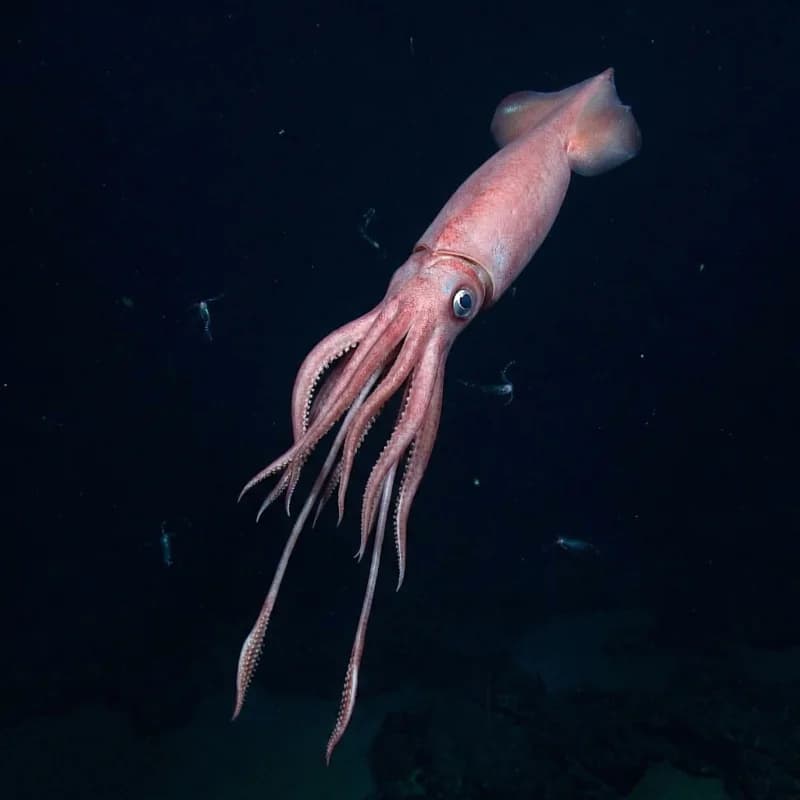
Giant Squid
Architeuthis dux
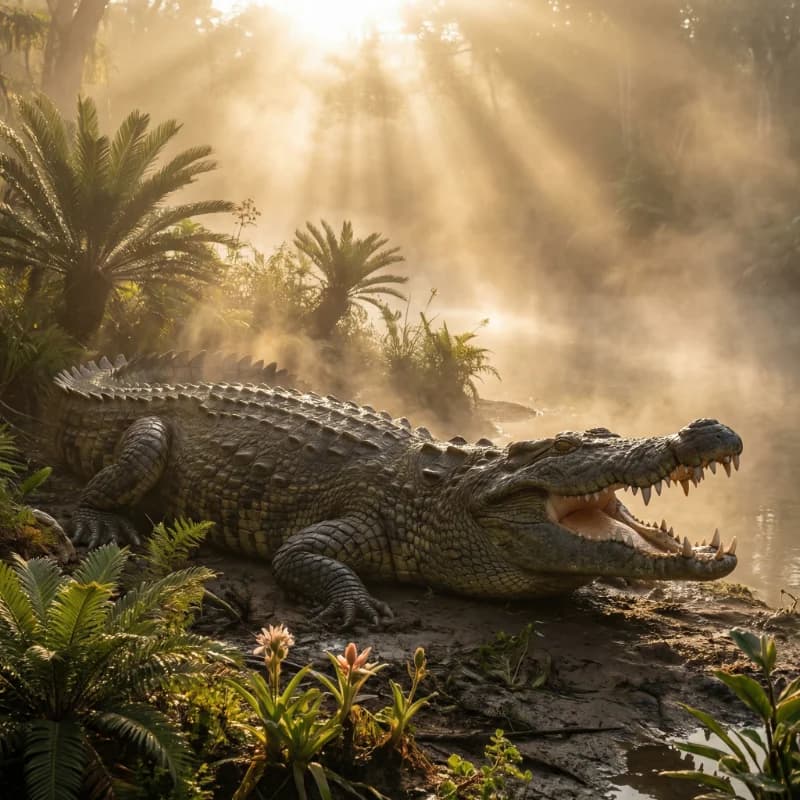
Deinosuchus
Deinosuchus

Tiger
Panthera tigris
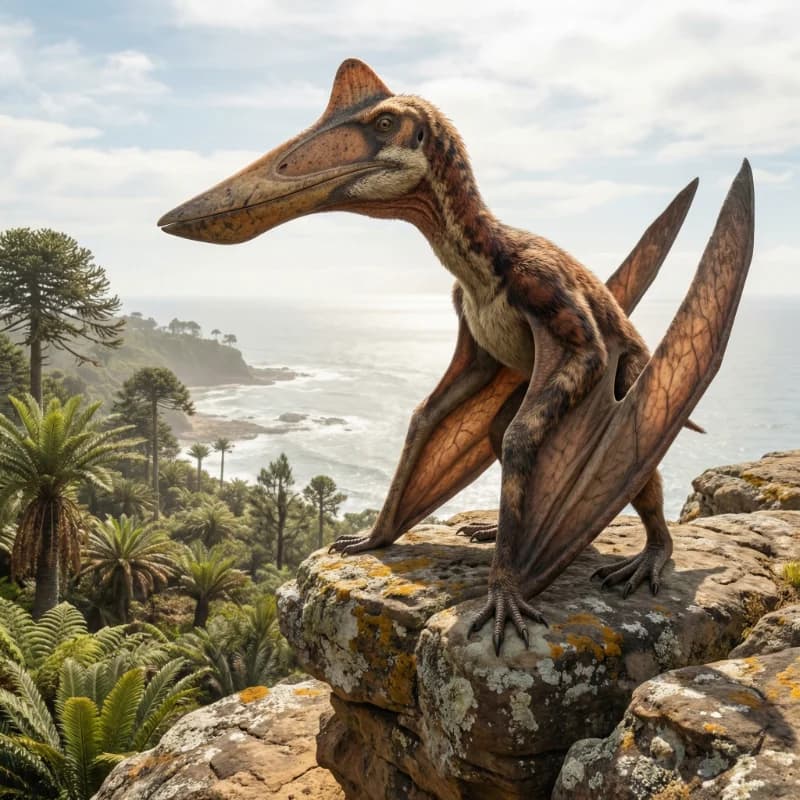
Istiodactylus
Istiodactylus latidens

Deinonychus
Deinonychus antirrhopus

Albertosaurus
Albertosaurus sarcophagus
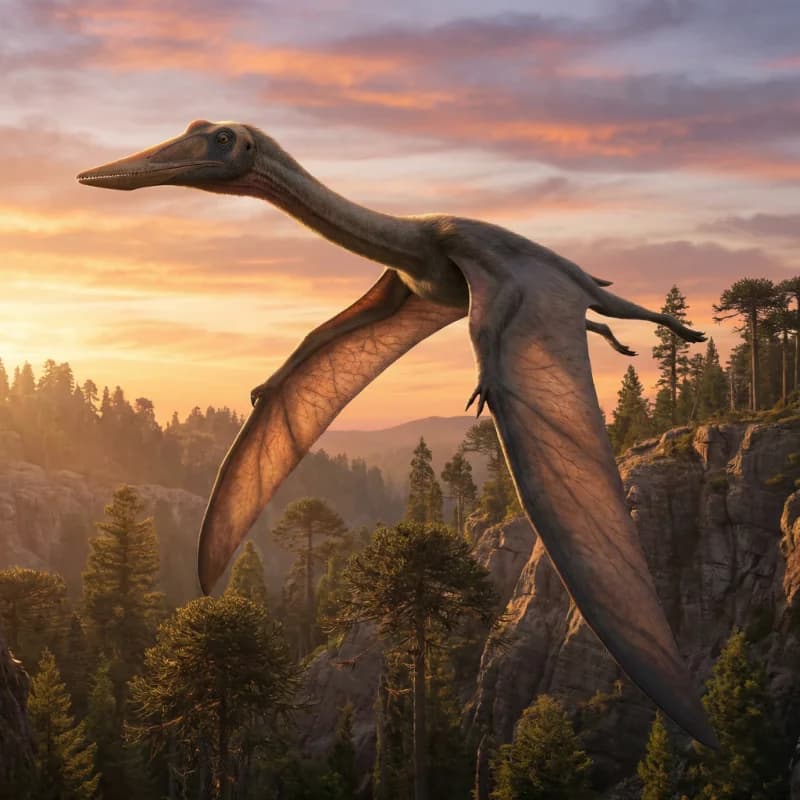
Arambourgiania
Arambourgiania philadelphiae
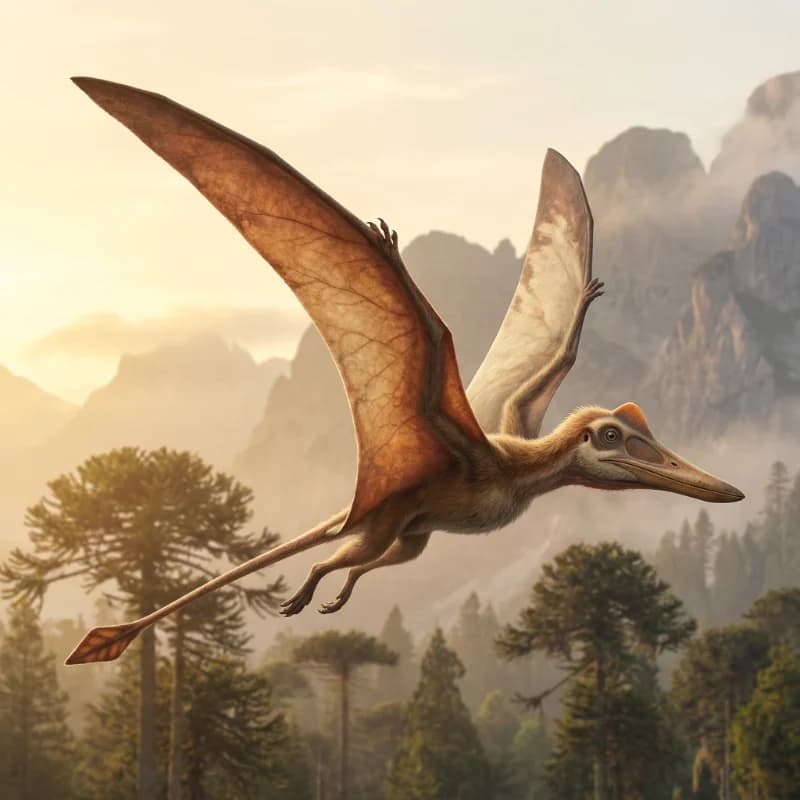
Kryptodrakon
Kryptodrakon progenitor