Giant Squid
Carnivore Creature Type
Architeuthis dux
Scientific Name: "The genus name Architeuthis derives from Greek 'archi-' (chief, foremost) + 'teuthis' (squid), meaning 'chief squid'; the species epithet dux is Latin for 'leader' or 'commander'. The full binomial thus translates to 'the foremost squid leader.'"
Physical Characteristics
Discovery
Habitat
보전·개체·수명

The giant squid (Architeuthis dux Steenstrup, 1857) is a deep-sea cephalopod belonging to the family Architeuthidae within the order Oegopsida (phylum Mollusca, class Cephalopoda). It is the longest invertebrate on Earth, with females reaching a scientifically verified total length of approximately 12–13 m and males approximately 10 m including the two feeding tentacles (McClain et al., 2015; O'Shea, 2004). Maximum body weight is estimated at roughly 275 kg for females and 150 kg for males. Distributed across all major ocean basins in mesopelagic and upper bathypelagic waters (primarily 300–1,000 m depth near continental slopes), the giant squid possesses the largest eyes in the animal kingdom—up to approximately 27 cm in diameter—an adaptation for detecting the faintest traces of bioluminescence in the near-total darkness of the deep sea (Nilsson et al., 2012).
For centuries, the giant squid was the probable inspiration behind the Norse "Kraken" legend, though historian Otto Latva has argued that the explicit linkage between the Kraken and giant squid was largely a 19th-century construct. The species was formally described in 1857 by Danish zoologist Japetus Steenstrup, based on a holotype specimen collected by the Danish merchant sailor Hygom in the Bahamas during the 1850s. A landmark 2013 mitochondrial DNA study by the University of Copenhagen demonstrated that 43 specimens collected worldwide were genetically near-identical (only 181 variable sites out of 20,331 bp), strongly suggesting that Architeuthis comprises a single cosmopolitan species (Winkelmann et al., 2013). In 2020, a draft genome of approximately 2.7 billion base pairs was published, revealing an expanded repertoire of protocadherin genes suggestive of convergent evolution with vertebrates in neural complexity (da Fonseca et al., 2020). The IUCN Red List classifies the giant squid as Least Concern (LC) (assessed 2010), reflecting its wide distribution and absence from commercial fisheries.
Direct observation of live giant squid in the wild remained impossible until 2004, when a Japanese research team led by Kubodera and Mori captured the first photographs at approximately 900 m depth off the Ogasawara Islands. The first video footage in a natural deep-sea setting followed in 2012. Most recently, in 2025, Hirohashi et al. discovered a novel cell type—adipocyte-like accessory reproductive cells (ARCs)—within the male spermatophoric complex, providing new insights into the still-mysterious reproductive biology of this species.
1. Overview
The genus name Architeuthis derives from the Greek 'ἀρχι-' (archi-, meaning chief or foremost) combined with 'τευθίς' (teuthis, meaning squid), translating to "chief squid" or "foremost squid." The specific epithet dux is Latin for "leader" or "commander." Thus the full binomial conveys the meaning "the foremost squid leader"—a fitting designation for one of the ocean's most impressive inhabitants. The common English name "giant squid" is a straightforward reference to the animal's extraordinary size.
Since Steenstrup's original description in 1857, as many as 21 species names have been proposed within Architeuthis based on regional specimens, including A. martensi (Japan), A. sanctipauli (South Atlantic), A. kirkii (New Zealand), and A. hartingii (Netherlands). However, the 2013 mitochondrial genome analysis by Winkelmann et al. overturned the multi-species hypothesis, finding only 0.89% genetic divergence across globally distributed specimens. The prevailing consensus now recognizes A. dux as the sole valid species, though some researchers have called for additional nuclear DNA analyses to fully resolve the question.
A single cosmopolitan deep-sea species distributed across all major ocean basins, the giant squid is the longest extant invertebrate, reaching up to approximately 13 m in total length including tentacles.
2. Taxonomy and Phylogeny
| Rank | Taxon |
|---|---|
| Kingdom | Animalia |
| Phylum | Mollusca |
| Class | Cephalopoda |
| Subclass | Coleoidea |
| Superorder | Decapodiformes |
| Order | Oegopsida |
| Superfamily | Architeuthoidea |
| Family | Architeuthidae Pfeffer, 1900 |
| Genus | Architeuthis Steenstrup in Harting, 1860 |
| Species | A. dux Steenstrup, 1857 |
Architeuthis forms its own monotypic family (Architeuthidae) within the order Oegopsida. Molecular phylogenetic analyses suggest that its closest relatives are the four obscure "neosquid" species of the family Neoteuthidae, each placed in its own monotypic genus. Together, these two families constitute the superfamily Architeuthoidea.
The colossal squid (Mesonychoteuthis hamiltoni), frequently confused with the giant squid in popular media, belongs to a different family (Cranchiidae) and is only distantly related. The similar gigantic body plans of the two species are interpreted as the product of convergent evolution rather than close common ancestry.
Generic-level synonyms of Architeuthis include Architeuthus Steenstrup, 1857, Dinoteuthis More, 1875, Dubioteuthis Joubin, 1900, Megaloteuthis Kent, 1874, Megateuthis Hilgendorf, 1880, Plectoteuthis Owen, 1881, and Steenstrupia Kirk, 1882 (WoRMS).
The unexpectedly low genetic diversity documented by Winkelmann et al. (2013) is one of the most remarkable findings in giant squid biology. Across 43 specimens spanning the Atlantic, Pacific, Indian, and Southern Oceans, haplotype diversity was high but nucleotide diversity was conspicuously low, with virtually no geographic structuring detected. This panmictic pattern has been explained by several hypotheses: a relatively recent population expansion from a small ancestral population (tens to hundreds of thousands of years ago), long-distance larval dispersal via ocean currents, or a very large effective population size that dampens the effects of genetic drift.
3. Morphology and Anatomy
The giant squid follows the typical squid body plan but on a dramatically enlarged scale. The mantle is cylindrical to conical and relatively soft compared to those of many other squid species. A pair of triangular fins at the posterior end of the mantle spans approximately 40–50% of mantle length. The skin bears chromatophores that allow limited color change, generally in shades of red to brown, though this ability is far less developed than in shallow-water cephalopods.
Scientifically verified measurements (McClain et al., 2015; O'Shea, 2004) are summarized below.
| Measurement | Female | Male |
|---|---|---|
| Maximum total length (with tentacles) | ~12–13 m | ~10 m |
| Maximum mantle length | ~2.25 m | ~1.5–2 m |
| Head + arm length (excl. tentacles) | <5 m | ~3–4 m |
| Maximum body weight | ~275 kg | ~150 kg |
| Maximum eye diameter | ~27 cm | ~25 cm |
Historical reports claiming lengths of 20 m or more have not been scientifically substantiated. Such exaggerations are attributed to post-mortem elastic stretching of the tentacles (which can extend up to roughly twice their relaxed length), imprecise measurement methods, and embellished accounts by mariners.
The species exhibits pronounced sexual dimorphism, with females being substantially larger than males—likely related to the high reproductive investment required for producing millions of eggs.
Eight arms surround the central buccal mass, each bearing two rows of suckers ranging from approximately 2 to 5 cm in diameter. Each sucker is ringed with sharp, finely serrated teeth composed of chitin, enabling a powerful grip on prey. The two elongate feeding tentacles—which account for much of the animal's total length—are specialized for prey capture. The distal club of each tentacle is divided into three regions: the carpus ("wrist"), manus ("hand"), and dactylus ("finger"), with four rows of densely packed suckers, some reaching approximately 5 cm in diameter.
The eyes of the giant squid are the largest of any living animal, measuring up to approximately 27 cm in diameter with a pupil diameter of approximately 9 cm. Nilsson et al. (2012) demonstrated through optical modeling that these enormous eyes are optimized for detecting bioluminescence—specifically, the luminescent "wake" triggered by an approaching sperm whale disturbing bioluminescent plankton. The model predicted detection ranges of 120 m or more, conferring a critical advantage in predator avoidance.
Statocysts provide information about orientation and acceleration, and by analogy with other squid species, the giant squid may also detect low-frequency sound in the range of approximately 30–500 Hz. Chemical receptors on the arms and suckers likely detect chemical signals from prey and the surrounding environment.
Beak and radula: A robust chitinous beak at the center of the arm crown (buccal mass) is used to shear prey, while a toothed radula further inside grinds food before it enters the esophagus.
Brain and nervous system: The brain is toroidal (doughnut-shaped), with the esophagus passing through its center. This unusual arrangement means that swallowing excessively large food items risks physical damage to the brain, necessitating thorough shredding of prey before ingestion. The mantle nerves include giant axons up to approximately 0.5–1 mm in diameter, which accelerate nerve signal conduction (approximately 25 m/s) and enable rapid jet-propulsion escape responses.
Circulatory system: Like all cephalopods, the giant squid possesses three hearts—one systemic heart that pumps blood to the body and two branchial hearts that pump blood to the gills. The blood contains the copper-based respiratory pigment hemocyanin, giving it a blue color. Hemocyanin is more efficient than hemoglobin at binding oxygen under the cold, low-oxygen conditions of the deep sea.
Buoyancy regulation: The giant squid achieves near-neutral buoyancy by accumulating ammonium chloride solutions in its tissues and body fluids. Since ammonium ions are less dense than seawater, this provides passive flotation without the need for a gas-filled swim bladder. However, the ammonium also imparts a strong ammonia taste and odor, rendering the flesh unpalatable to humans.
Ink: An ink sac is present, as in other cephalopods, though the utility of a visual smokescreen in the lightless deep sea is questionable. Some researchers have suggested that the ink may function as a chemical deterrent, confusing the olfactory senses of predators.
4. Ecology and Behavior
The giant squid is an active predator. Stomach-content analyses have identified deep-sea fishes (orange roughy, blue whiting, lanternfish of the family Myctophidae, and hoki), other cephalopods (including smaller giant squid), and crustaceans (deep-sea shrimps) among its prey. Feeding involves rapid deployment of the two long tentacles to seize prey, which is then drawn toward the beak by the eight shorter arms and shredded before ingestion.
The 2004 and 2012 in situ observations off the Ogasawara Islands confirmed that the giant squid is a more active and aggressive hunter than the "passive ambush predator" hypothesis had predicted, with footage showing vigorous tentacle strikes on bait.
Beak fragments and tissue of other giant squid have been found in the stomachs of several specimens, confirming that the species is at least occasionally cannibalistic. In 2016, a 9 m giant squid that washed ashore in Galicia, Spain, bore extensive injuries—missing fin portions, mantle and gill damage, and a lost eye—attributed to an attack by another giant squid. This is interpreted as opportunistic behavior under conditions of limited food availability, and may also reflect competition for prey.
The principal predator of adult giant squid is the sperm whale (Physeter macrocephalus). Estimates derived from sperm whale stomach contents and population size (approximately 360,000 individuals worldwide) suggest that sperm whales may consume between 4.3 million and 131 million giant squid annually (Clarke, 1980), implying a global giant squid population numbering in the millions to hundreds of millions. Circular scars from the chitinous sucker rings of giant squid, some exceeding 5 cm in diameter, are frequently found on the heads and bodies of sperm whales, providing evidence of violent deep-sea encounters.
Other documented predators include southern sleeper sharks (Somniosus antarcticus), pilot whales, and certain killer whale populations.
The possibility of diel vertical migration—ascending to shallower depths at night to feed and descending during the day—has been hypothesized but not directly confirmed. The genetic homogeneity across ocean basins strongly suggests long-distance dispersal, probably at the larval stage via ocean currents, though active adult migration across great distances cannot be ruled out.
5. Reproduction and Life History
Sexual maturity is thought to be reached at approximately three years of age. Females possess a single ovary capable of producing millions of eggs at maturity. Individual eggs are very small, measuring approximately 0.5–1.4 mm in length and 0.3–0.7 mm in width. Males possess a single testis and a complex spermatophoric system that manufactures spermatophores—elaborate, pre-packaged sperm capsules up to approximately 1 m in length. The penis (terminal organ) is prehensile, exceeding 90 cm in length, and can protrude from the mantle through the funnel.
No direct observation of giant squid mating has ever been made, but indirect evidence has been accumulating steadily. Several female specimens (from New Zealand and Tasmania) have been found with spermatangia (discharged spermatophore casings) implanted beneath the skin of their arms or mantle, suggesting that males inject spermatophores directly into the female's tissue via the terminal organ rather than using a hectocotylus.
In 2025, Hirohashi et al. made a significant discovery: the lumen of the male spermatophoric complex—including the spermatophoric gland, spermatophoric duct, Needham's sac, and penis—was found to be densely populated with spherical cells rich in lipid droplets, which the authors termed Accessory Reproductive Cells (ARCs). Lipid droplets constituted approximately 25% of cell volume, and proteomic analysis revealed that 51.7% of the 60 most abundant proteins matched those found in mammalian adipocytes. The researchers proposed that ARCs are transferred to the female alongside spermatangia and may serve as an extracellular energy source for sperm during their potentially long journey from storage sites to eggs, or alternatively may function as a lubricant facilitating rapid spermatophore passage through the terminal organ.
In the same year, Sasai et al. (2025) reported direct evidence that a male giant squid found in shallow water off Japan had its terminal organ protruding through the funnel while expelling spermatophores, supporting the hypothesis that the terminal organ functions as a penis for direct spermatophore transfer.
Murai et al. (2021) used microsatellite paternity analysis to demonstrate that all spermatangia found on a single female had been implanted by a single male, indicating that copulation in this species involves the delivery of multiple spermatangia during a single mating event.
Spawning behavior and the physical form of egg masses have never been directly observed. By analogy with other oegopsid squid, eggs are likely released in gelatinous masses, but no giant squid egg mass has yet been found. Post-hatch larvae have been collected at the ocean surface off New Zealand, and in 2013 juvenile specimens were discovered off southern Japan and confirmed by genetic analysis.
The giant squid's lifespan is estimated at approximately 5 years or less, although age estimation remains contentious. Published estimates of maximum age range from 1 to 14 years depending on the methodology and specimen studied (Perales-Raya et al., 2020). The most widely cited estimate of approximately 5 years is based on statolith growth-ring analysis. Given that the animal grows from eggs smaller than 1.5 mm to a total length exceeding 10 m within this brief span, its growth rate is among the highest of any large animal. As with many cephalopods, the giant squid is likely semelparous—reproducing once and dying shortly thereafter.
6. Distribution and Habitat
The giant squid occurs in all major ocean basins. In the Atlantic, records span from Norway, Iceland, the British Isles, Ireland, Spain, Portugal, the Azores, Madeira, and the Canary Islands to Newfoundland and the eastern United States in the north, and from South Africa to Argentina and Brazil in the south. In the Pacific, specimens have been documented from Japan, California, Hawaii, and Alaska in the north, and from New Zealand, Australia, and Chile in the south. Indian Ocean records come from the coasts of South Africa and western Australia.
The distribution is concentrated near continental slopes and is notably sparse in tropical equatorial waters and polar regions, likely reflecting constraints imposed by water temperature, prey availability, and ocean current patterns.
The species is thought to inhabit primarily the mesopelagic zone and upper bathypelagic zone at depths of approximately 300–1,000 m. The 2004 and 2006 in situ observations were made at approximately 600–900 m, and the 2012 natural-habitat filming occurred at approximately 630 m. The diving behavior of sperm whales (which can exceed 2,000 m) suggests that giant squid may range to considerably greater depths.
The deep-sea habitat of the giant squid is characterized by water temperatures of approximately 3–10°C, pressures of approximately 30–100 atmospheres (depending on depth), and near-total darkness. Some portions of the species' range overlap with oxygen minimum zones. Key physiological adaptations to these extreme conditions include the enormous eyes (maximizing photon capture), ammonium-based buoyancy, and a presumably low resting metabolic rate.
7. Conservation Status and Threats
The IUCN Red List classifies the giant squid as Least Concern (LC) (assessed 28 April 2010). This assessment reflects the species' broad global distribution, the absence of targeted commercial fisheries, and indirect evidence from sperm whale predation rates suggesting a very large global population.
Climate change—including ocean warming, acidification, and deoxygenation—may alter the deep-sea ecosystems on which the giant squid depends, potentially shifting the distribution and abundance of its prey. Incidental bycatch in deep-sea trawl fisheries occurs sporadically. The accumulation of microplastics in deep-sea food webs is an emerging concern currently under investigation.
Sperm whale populations, historically decimated by commercial whaling, have been recovering since the implementation of international protections. The effects of fluctuating predation pressure on giant squid population dynamics are not well understood.
The deep-sea habitat, extreme difficulty of direct observation, and inability to directly estimate population size make precise conservation assessment impractical. While immediate extinction risk appears low, long-term monitoring remains a priority.
8. Relationship with Humans
The giant squid has captivated human imagination for centuries. The Norse Kraken legend—describing an island-sized sea monster capable of engulfing ships—likely drew upon encounters with giant squid or their remains, though historian Otto Latva has emphasized that the explicit association between the Kraken and giant squid was largely forged by 19th-century naturalists, and earlier legends were composites of various marine phenomena.
Key milestones in the human-giant squid encounter are summarized below.
| Year | Event | Location |
|---|---|---|
| 1639 | Earliest reliable stranding record | Iceland |
| 1857 | Formal scientific description of A. dux | Denmark |
| 1861 | Attempted capture by corvette Alecton | Canary Islands |
| 1870s | Mass strandings yield dozens of specimens | Newfoundland, Canada |
| 2004 | First photographs of a live specimen in the wild | Ogasawara Islands, Japan |
| 2006 | First video footage of a live specimen | Ogasawara Islands, Japan |
| 2012 | First filming in natural deep-sea habitat (~630 m) | Ogasawara Islands, Japan |
| 2013 | Mitochondrial genome analysis confirms single species | Global specimens |
| 2020 | Draft genome published (~2.7 Gb) | — |
| 2025 | Discovery of ARCs in male reproductive tract | Japan |
The giant squid has been a prominent literary and cultural icon. Jules Verne's Twenty Thousand Leagues Under the Seas (1870) features a dramatic giant squid attack on the submarine Nautilus, and Herman Melville's Moby-Dick (1851) references battles between sperm whales and giant squid. The name "Kraken" has become ubiquitous in modern fantasy literature, video games, films, and brand names. The giant squid serves as a powerful symbol of deep-sea exploration and the vast unknowns of the ocean.
The giant squid is not suitable for human consumption. The ammonium chloride that permeates its tissues for buoyancy regulation produces a pungent ammonia odor and intensely bitter taste, while the muscle tissue is extremely tough and rubbery. Commercially harvested large squid species, such as the Humboldt squid (Dosidicus gigas), are entirely different species.
The Natural History Museum, London, houses "Archie," an 8.62 m female collected near the Falkland Islands in 2004 and preserved in formaldehyde solution. Te Papa Tongarewa (Museum of New Zealand) holds multiple giant squid specimens as well as the world's largest colossal squid specimen (approximately 495 kg). The Smithsonian National Museum of Natural History also maintains giant squid specimens and related exhibits.
9. Evolution and Genetics
The evolutionary history of cephalopods extends back approximately 500 million years to the Cambrian period. The major diversification of modern cephalopod lineages occurred during the Mesozoic Era, with the ten-armed squid order (Decapodiformes) diverging an estimated 200–150 million years ago. Direct fossil evidence for Architeuthis is virtually nonexistent, as cephalopod soft tissues fossilize extremely poorly and the only preservable hard structure—the internalized vestigial shell (gladius)—is not diagnostic at the genus level. Molecular clock analyses suggest that the Architeuthis lineage diverged from other oegopsid squid tens of millions of years ago, but precise timing remains uncertain.
The evolution of giant body size is hypothesized to relate to deep-sea adaptation, predator avoidance (with the notable exception of sperm whales), and feeding efficiency, though the exact selective pressures are not well resolved.
The draft genome published by da Fonseca et al. (2020) revealed the following key features.
| Feature | Value/Description |
|---|---|
| Genome size | ~2.7 Gb (2.7 billion base pairs) |
| Comparison to human genome | ~87–90% |
| Predicted protein-coding genes | ~33,406 |
| Longest predicted protein | 17,047 amino acids |
| Notable gene family expansions | Protocadherin (expanded), Wnt (expanded) |
| Mitochondrial genome | 20,331 bp |
The expansion of the protocadherin gene family is particularly noteworthy. Protocadherins are involved in nervous system development and neuronal connectivity, and their expansion in the giant squid parallels similar expansions in vertebrates and octopuses—a striking example of convergent evolution at the molecular level that may underpin complex neural processing. The Wnt signaling gene family, which plays critical roles in embryonic development and body axis patterning, is also expanded.
10. Uncertainties and Common Misconceptions
That A. dux is a single cosmopolitan species (Winkelmann et al., 2013), that scientifically verified maximum total length is approximately 13 m (McClain et al., 2015), that sperm whales are the principal predator, and that the species is an active predator (confirmed by 2004 and 2012 in situ observations) are all well established.
The approximately 5-year lifespan (based on statolith analysis), the panmictic population structure (Winkelmann et al., 2013), and direct spermatophore transfer via the terminal organ (Hirohashi et al., 2025; Sasai et al., 2025) are supported by substantial evidence but require further confirmation.
Major gaps in knowledge include the exact global population size, direct observation of mating and spawning behavior, larval ecology and early growth stages, the occurrence and extent of diel vertical migration, whether individuals significantly larger than 13 m exist, and how climate change may affect the species' distribution and reproductive success.
The claim that giant squid grow to 20 m or more is unverified. The legend that giant squid attack and sink ships is a Kraken-era embellishment with no supporting evidence. A widely repeated misconception holds that the Hodgkin–Huxley Nobel Prize–winning research on action potentials (1952) used giant squid axons; in fact, the study employed the giant axons of the longfin inshore squid (Doryteuthis pealeii, formerly Loligo pealeii).
11. Comparison with Related Species
| Feature | Giant squid (A. dux) | Colossal squid (M. hamiltoni) | Vampire squid (V. infernalis) |
|---|---|---|---|
| Family | Architeuthidae | Cranchiidae | Vampyroteuthidae |
| Maximum total length | ~12–13 m | ~10–14 m (estimated) | ~30 cm |
| Maximum weight | ~275 kg | ~495–700 kg | <1 kg |
| Body form | Long and slender | Short and robust | Small, gelatinous |
| Sucker armature | Serrated chitinous rings | Swiveling hooks | Smooth suckers |
| Depth range | 300–1,000+ m | 1,000–2,000 m | 600–1,200 m |
| Feeding strategy | Active predation | Active predation | Marine snow collection |
| Distribution | All major oceans | Southern Ocean | Worldwide deep sea |
| IUCN status | LC | LC | LC |
The colossal squid holds the record as the heaviest living invertebrate by weight, while the giant squid is the longest. In April 2025, the Schmidt Ocean Institute's ROV SuBastian captured the first confirmed live footage of a juvenile colossal squid (~30 cm mantle length) at approximately 600 m depth near the South Sandwich Islands—a major milestone in deep-sea biology.
12. References
- Clarke, M.R. (1980). Cephalopoda in the diet of sperm whales of the Southern Hemisphere and their bearing on sperm whale biology. Discovery Reports, 37, 1–324.
- da Fonseca, R.R., Couto, A., Machado, A.M., et al. (2020). A draft genome sequence of the elusive giant squid, Architeuthis dux. GigaScience, 9(1), giz152. https://doi.org/10.1093/gigascience/giz152
- Hirohashi, N., et al. (2025). Discovery of adipocyte-like accessory reproductive cells in male giant squid. Scientific Reports (PMC11953742). https://pmc.ncbi.nlm.nih.gov/articles/PMC11953742/
- Kubodera, T., & Mori, K. (2005). First-ever observations of a live giant squid in the wild. Proceedings of the Royal Society B, 272(1581), 2583–2586. https://doi.org/10.1098/rspb.2005.3158
- McClain, C.R., Balk, M.A., Benfield, M.C., et al. (2015). Sizing ocean giants: patterns of intraspecific size variation in marine megafauna. PeerJ, 3, e715. https://doi.org/10.7717/peerj.715
- Murai, R., Shiomi, M., Yoshida, M., et al. (2021). All the spermatangia on a female were implanted by single-pair copulation in giant squid Architeuthis dux. Deep Sea Research Part I, 175, 103585. https://doi.org/10.1016/j.dsr.2021.103585
- Nilsson, D.E., Warrant, E.J., Johnsen, S., Hanlon, R., & Shashar, N. (2012). A unique advantage for giant eyes in giant squid. Current Biology, 22(8), 683–688. https://doi.org/10.1016/j.cub.2012.02.031
- Norman, M.D., & Lu, C.C. (1997). Sex in giant squid. Nature, 389(6652), 683–684. https://doi.org/10.1038/39501
- O'Shea, S. (2004). The giant squid Architeuthis dux (Steenstrup, 1857) in New Zealand waters. New Zealand Journal of Zoology, 31(4), 345–356.
- Perales-Raya, C., et al. (2020). How old are giant squids? First approach to aging Architeuthis beaks. Bulletin of Marine Science, 96(2), 357–374. https://doi.org/10.5343/bms.2019.0041
- Roper, C.F.E., & Shea, E.K. (2013). Unanswered questions about the giant squid Architeuthis (Architeuthidae) illustrate our incomplete knowledge of coleoid cephalopods. American Malacological Bulletin, 31(1), 109–122. https://doi.org/10.4003/006.031.0104
- Sasai, S., Tanaka, Y., & Hirohashi, N. (2025). Evidence for direct use of terminal organ for spermatophore transfer in giant squid, Architeuthis dux. microPublication Biology. https://doi.org/10.17912/micropub.biology.001476
- Winkelmann, I., Campos, P.F., Strugnell, J., et al. (2013). Mitochondrial genome diversity and population structure of the giant squid Architeuthis: genetics sheds new light on one of the most enigmatic marine species. Proceedings of the Royal Society B, 280(1759), 20130273. https://doi.org/10.1098/rspb.2013.0273
- Guerra, A., et al. (2011). The giant squid Architeuthis: An emblematic invertebrate that can represent concern for the conservation of marine biodiversity. Biological Conservation, 144(7), 1989–1997. https://doi.org/10.1016/j.biocon.2011.04.021
- Natural History Museum London. (n.d.). Giant squid: from the deep sea to display. https://www.nhm.ac.uk/discover/giant-squid.html
- Smithsonian Ocean. (n.d.). How Big is the Giant Squid? https://ocean.si.edu/ocean-life/invertebrates/giant-squid
Fun Facts
The giant squid's brain is doughnut-shaped, with the esophagus passing directly through its center. If the squid swallows food that is too large, it risks damaging its own brain—so it must meticulously shred every meal before eating.
Giant squid eyes can reach approximately 27 cm in diameter—larger than a dinner plate—with a pupil roughly 9 cm across. These are the largest eyes of any living animal, capable of detecting an approaching sperm whale from over 120 m away by sensing disturbed bioluminescence.
To stay neutrally buoyant without swimming, giant squid fill their tissues with ammonium chloride solution, which is less dense than seawater. This ingenious chemical flotation device comes with a drawback: the flesh reeks of ammonia and tastes unbearably bitter, making it completely inedible to humans.
Unlike the red blood of humans, giant squid blood is blue because it uses the copper-based protein hemocyanin instead of iron-based hemoglobin to transport oxygen—an adaptation optimized for the cold, oxygen-poor deep sea.
Giant squid have three hearts: one systemic heart that pumps blood to the body, and two branchial hearts that pump blood to the gills for oxygenation.
Despite growing to over 10 m in length, giant squid live only about 5 years. They hatch from eggs smaller than 1.5 mm and must grow at an extraordinary rate—one of the fastest of any large animal on Earth.
The world's sperm whales (~360,000 individuals) are estimated to consume between 4.3 million and 131 million giant squid every year, indirectly suggesting that the global giant squid population numbers in the hundreds of millions.
A 2013 DNA study of 43 giant squid specimens from oceans around the world found only 0.89% genetic variation, revealing that all giant squid on Earth belong to a single species with genes mixing freely across ocean basins.
Reports of giant squid measuring 20 m or longer have never been scientifically verified. The exaggeration stems from the tentacles stretching up to roughly twice their relaxed length after death, combined with inaccurate measurements and sailors' tall tales.
The giant squid genome contains approximately 2.7 billion base pairs (~90% the size of the human genome), yet encodes roughly 33,400 protein-coding genes—over 1.5 times more than the ~20,000 in humans.
In 2025, Japanese researchers discovered a completely new type of cell—adipocyte-like accessory reproductive cells (ARCs)—packed inside the male giant squid's reproductive tract. These lipid-rich cells may fuel sperm with energy during their long journey inside the female's body.
It is widely but incorrectly believed that the Nobel Prize–winning Hodgkin–Huxley research on nerve impulses (1952) used giant squid axons. In fact, the experiments were performed on the giant axons of the longfin inshore squid (Doryteuthis pealeii)—a much smaller, shallow-water species.
FAQ
No. Giant squid tissue is saturated with ammonium chloride, which the animal uses for buoyancy regulation. This gives the flesh a pungent ammonia odor and an extremely bitter taste, while the muscle itself is very tough and rubbery. Edible large squid species sold commercially, such as the Humboldt squid (Dosidicus gigas), are entirely different animals.
There are no confirmed records of a living giant squid attacking a human. Giant squid inhabit depths of 300–1,000 m, making encounters with people extraordinarily rare. The legends of the Kraken attacking ships are embellishments or likely misinterpretations of encounters with sperm whales grappling with squid near the surface. In the 2012 deep-sea filming expedition, the giant squid approached bait but showed no aggression toward the submersible.
The sperm whale (Physeter macrocephalus) is the primary predator of adult giant squid. The global sperm whale population (~360,000 individuals) is estimated to consume between 4.3 million and 131 million giant squid per year. Circular scars from giant squid sucker rings, some exceeding 5 cm in diameter, are commonly found on sperm whale skin—direct evidence of violent deep-sea encounters. Other known predators include southern sleeper sharks, pilot whales, and certain killer whale populations.
Despite their enormous size, giant squid are estimated to live only about 5 years, though age estimation remains controversial, with published estimates ranging from 1 to 14 years (Perales-Raya et al., 2020). Growing from eggs smaller than 1.5 mm to over 10 m in total length within just a few years, the giant squid exhibits one of the fastest growth rates of any large animal.
Giant squid are distributed across all major ocean basins in temperate and subtropical waters. They are most frequently recorded near Japan, New Zealand, Spain, Newfoundland, and the Azores, at depths of 300–1,000 m in the mesopelagic and upper bathypelagic zones. They are concentrated near continental slopes and are rare in tropical equatorial and polar regions.
The giant squid (Architeuthis dux) and the colossal squid (Mesonychoteuthis hamiltoni) belong to different families (Architeuthidae and Cranchiidae, respectively). The giant squid is the longest invertebrate (up to ~13 m), while the colossal squid is the heaviest (up to ~495–700 kg). Giant squid are found worldwide, whereas colossal squid are restricted to the Southern Ocean. Their sucker armature also differs: giant squid have serrated chitinous rings, while colossal squid bear swiveling hooks.
Giant squid possess the largest eyes in the animal kingdom, measuring up to approximately 27 cm in diameter. These enormous eyes are an adaptation to maximize photon capture in the near-total darkness of the deep sea. According to Nilsson et al. (2012), the eyes are specifically optimized to detect the bioluminescent "wake" created by an approaching sperm whale disturbing luminescent plankton, at distances of 120 m or more, providing a critical early-warning system for predator avoidance.
Giant squid inhabit depths of 300–1,000 m, making direct observation extremely challenging. It was not until 2012 that a living specimen was first filmed in its natural deep-sea habitat. The vast majority of scientific knowledge comes from stranded carcasses, fishery bycatch, and analysis of sperm whale stomach contents. Fundamental aspects of giant squid biology—including mating behavior, spawning, larval ecology, and population size—remain largely unresolved.
Partially. The Norse Kraken legend, describing a massive sea monster that could engulf ships, likely drew on real encounters with giant squid or their remains. However, historian Otto Latva has shown that the explicit connection between the Kraken and giant squid was largely established by 19th-century naturalists after scientific specimens began to be collected. Earlier Kraken legends were composites of various marine phenomena, not specifically linked to any single animal.
Unlike the red, iron-based hemoglobin in human blood, giant squid blood contains hemocyanin, a copper-based respiratory pigment that gives it a blue color. Hemocyanin is more efficient at binding and transporting oxygen under the cold, low-oxygen conditions of the deep sea, making it a key physiological adaptation shared by all cephalopods.
Gallery
3 images Giant Squid
Giant Squid · Carnivore
 Giant Squid
Giant Squid · Carnivore
 Giant Squid
Giant Squid · Carnivore
🔗Related Creatures

Giant Pacific Octopus
Enteroctopus dofleini
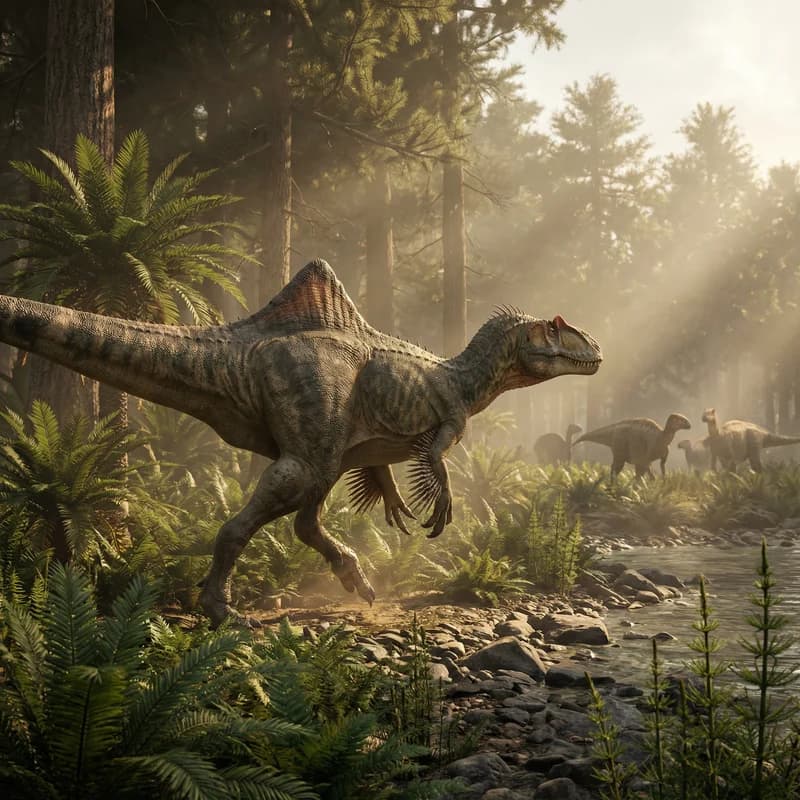
Concavenator
Concavenator corcovatus
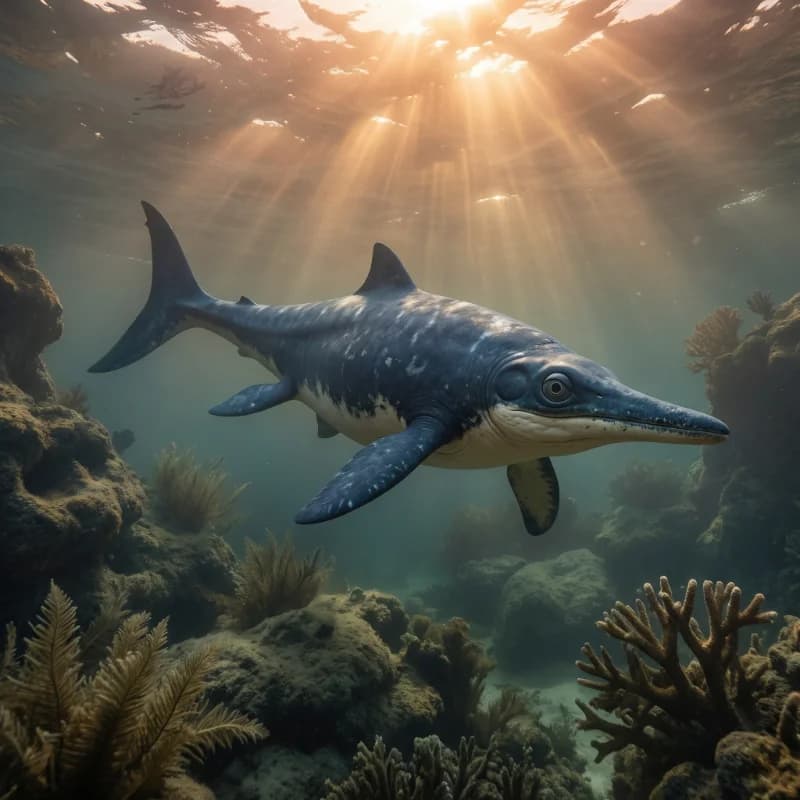
Temnodontosaurus
Temnodontosaurus
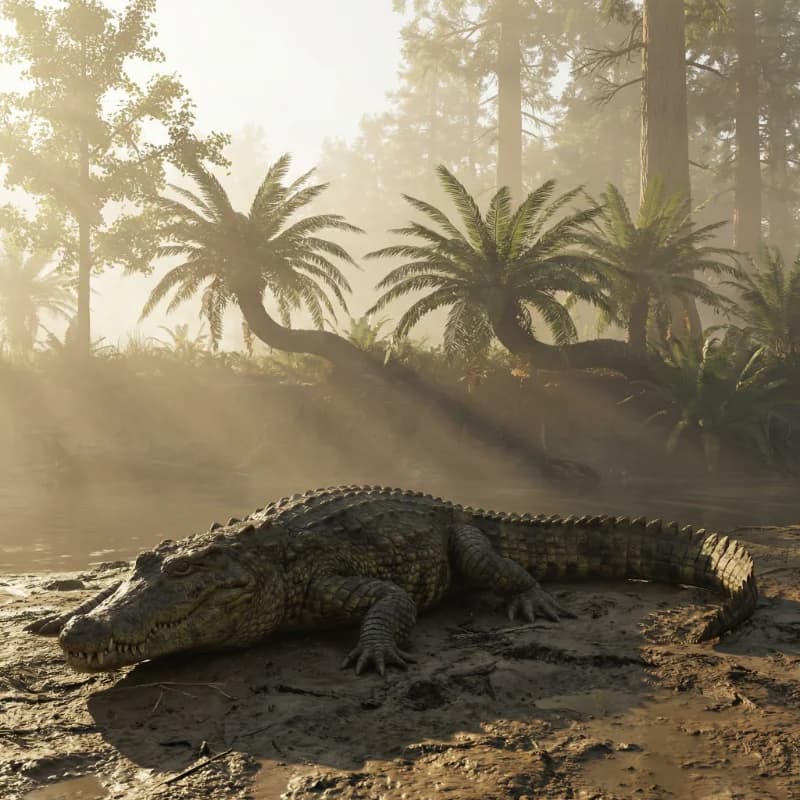
Calsoyasuchus
Calsoyasuchus valliceps
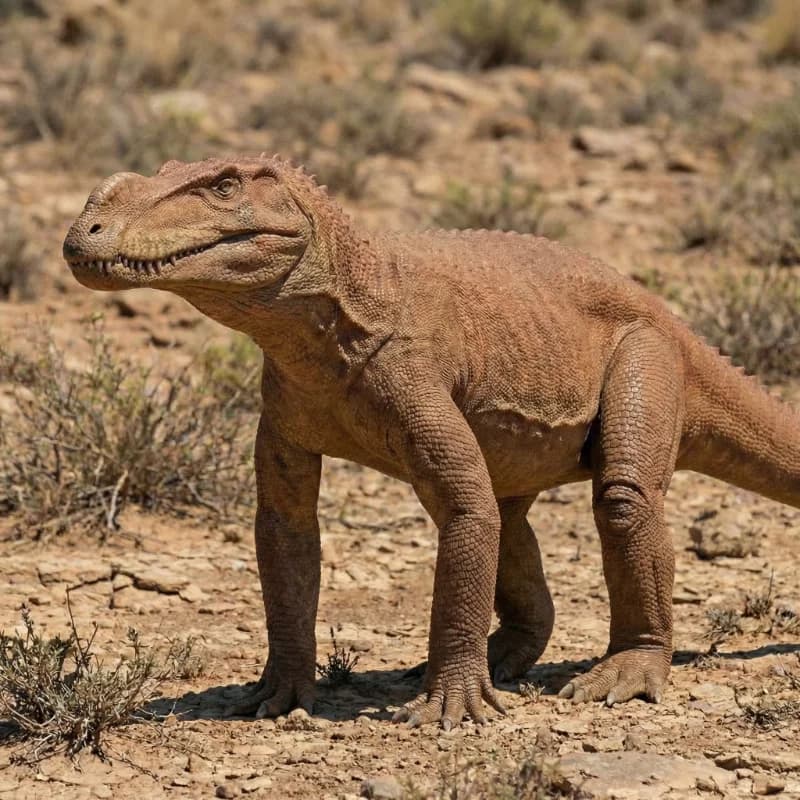
Luperosuchus
Luperosuchus fractus

Tiger
Panthera tigris
Hatzegopteryx
Hatzegopteryx thambema
Liopleurodon
Liopleurodon ferox