Coloborhynchus
Cretaceous Period Piscivore Creature Type
Coloborhynchus clavirostris
Scientific Name: "Greek kolobos (maimed, truncated) + rhynchos (snout/beak) = 'maimed beak'. The specific name clavirostris derives from Latin clavis (key) + rostris (snout), referring to the key-shaped cross-section of the snout"
Physical Characteristics
Discovery
Habitat
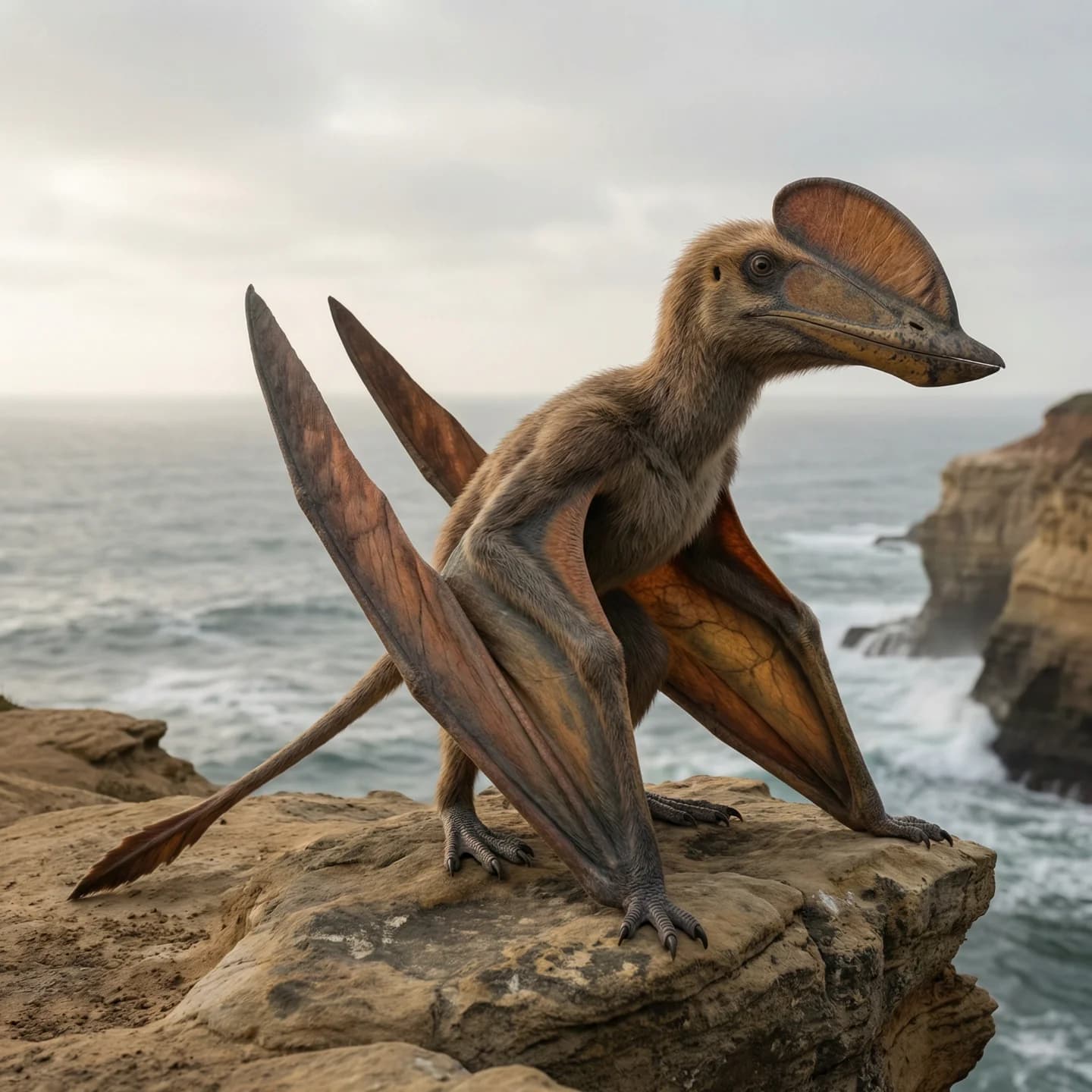
Coloborhynchus clavirostris Owen, 1874 is a toothed pterodactyloid pterosaur from the Lower Cretaceous (Valanginian, approximately 140–136 Ma) of southern England. It belongs to the clade Anhangueria and, depending on the phylogenetic analysis, is placed either within the family Anhangueridae (subfamily Coloborhynchinae) or within the Ornithocheiridae — a taxonomic placement that remains actively debated.
The holotype (NHMUK R1822) consists of a very small fragment of the anterior upper jaw (approximately 8 cm long), yet it preserves a unique combination of diagnostic features: anteriorly directed first tooth pair positioned higher than the remaining teeth, laterally oriented second through fourth tooth pairs, a flattened anterior margin, and a distinctive oval depression below the first alveolar pair. These characters distinguish Coloborhynchus from all other anhanguerian pterosaurs. Based on proportional comparison with related ornithocheiroids, the skull length is estimated at roughly 30–35 cm and the wingspan at approximately 1.5 m.
Since the 19th century, Coloborhynchus has occupied a central place in the so-called "Ornithocheirus complex" — one of the most taxonomically convoluted groups in pterosaur systematics. The genus was considered invalid for much of the 20th century before being revalidated in 1994. Numerous species from Brazil, the United States, and Morocco have been assigned to and then removed from this genus. Following comprehensive reviews by Rodrigues & Kellner (2008, 2013), only the type species C. clavirostris is universally accepted as valid, while the inclusion of additional species continues to be debated.
Overview
Name and Etymology
The genus name Coloborhynchus is derived from the Greek kolobos ("maimed," "truncated") and rhynchos ("snout," "beak"), meaning "maimed beak." This name refers not to the animal's actual appearance but to the damaged and heavily eroded condition of the holotype fossil (Owen, 1874). The specific epithet clavirostris combines Latin clavis ("key") and rostris ("snout"), a reference to the key-shaped cross-section of the specimen. Some authors translate the genus name as "truncated snout."
Taxonomic Status
Coloborhynchus is currently recognized as a valid genus based on the type species C. clavirostris (Rodrigues & Kellner, 2008, 2013). However, because the type specimen is extremely fragmentary, assigning additional species to the genus is problematic due to limited comparability of diagnostic characters. Numerous species formerly assigned to Coloborhynchus — including C. wadleighi, C. robustus, C. spielbergi, and C. moroccensis — have been transferred to other genera (Uktenadactylus, Anhanguera, Siroccopteryx, respectively) through the 2008–2013 reviews. The status of C. capito (Seeley, 1870) and C. fluviferox (Jacobs et al., 2019) remains contentious: Holgado & Pêgas (2020) erected a new genus Nicorhynchus for these species, while Smith et al. (2023) treated Nicorhynchus as a subjective junior synonym of Coloborhynchus.
Scientific Significance
Coloborhynchus represents one of the oldest known anhanguerian pterosaurs from the Lower Cretaceous of England (Holgado et al., 2019), making it important for understanding the origin and early dispersal of this group. Additionally, a large specimen (NHMUK R481) referred to C. capito was once reported as the world's largest toothed pterosaur (Martill & Unwin, 2012). Although the generic assignment of that specimen is debated, it provides important data on the maximum size range of ornithocheiroid pterosaurs.
Age, Stratigraphy, and Depositional Environment
Temporal Range
The holotype of C. clavirostris comes from the Hastings Group in East Sussex, England, dated to the late Berriasian–Valanginian (approximately 140–136 Ma; Rodrigues & Kellner, 2013; Holgado & Pêgas, 2020). A second specimen (IWCMS 2014.82) from the Wessex Formation of the Isle of Wight extends the temporal range of the genus into the Barremian (approximately 129–125 Ma; Martill, 2015). If C. capito is included, the range further extends to the Cambridge Greensand (Cenomanian deposits containing reworked Albian fossils, approximately 113–100 Ma).
Formations and Lithology
| Specimen | Formation | Age | Lithology | Reference |
|---|---|---|---|---|
| NHMUK R1822 (holotype) | Hastings Group, Wealden Supergroup | Late Berriasian–Valanginian | Non-marine mudstones and sandstones | Owen, 1874 |
| IWCMS 2014.82 | Wessex Formation, Wealden Group | Barremian | Floodplain mudstones and sandstones (PDB L1) | Martill, 2015 |
| NHMUK R481 (?C. capito) | Cambridge Greensand | Cenomanian (reworked Albian) | Marine glauconitic sandstone | Martill & Unwin, 2012 |
Paleoenvironment
The Hastings Group forms part of the Lower Cretaceous Wealden Supergroup and represents a non-marine fluvial–lacustrine depositional environment. During this period, southern England was located much further south (approximately 30°N latitude) than its present position, within a subtropical climatic belt. The landscape consisted of extensive lowland plains crossed by large braided river systems. The Wessex Formation similarly comprises an alternation of floodplain mudstones and channel-fill sandstones, yielding an abundant vertebrate assemblage including dinosaurs, crocodilians, and fish (Sweetman & Insole, 2010; Sweetman et al., 2014).
The occurrence of Coloborhynchus in fluvial floodplain deposits is noteworthy. Most anhanguerian pterosaurs are recovered from marine or coastal sediments, and the inland setting of Coloborhynchus suggests that these pterosaurs were not exclusively tied to oceanic environments.
Specimens and Diagnostic Characters
Holotype
The holotype NHMUK R1822 (= BMNH R 1822) is a fragment of the anterior upper jaw, consisting primarily of the premaxillae and possibly part of the maxillae. It was collected from the Hastings Group near St. Leonards-on-Sea, East Sussex, England. The specimen measures approximately 8 cm in length, 5 cm in height, and 3 cm in width (Rodrigues & Kellner, 2008). It has been significantly affected by natural weathering and marine abrasion but preserves six pairs of dental alveoli and the base of the premaxillary sagittal crest. It is housed at the Natural History Museum, London.
Referred Specimens
- IWCMS 2014.82: A rostral tip fragment discovered by amateur collector Will Thurbin on the foreshore at Sudmoor Point, Isle of Wight. It measures 45 mm in height, 38.5 mm in width, and 27 mm in anteroposterior length. The specimen shares the key diagnostic feature of the holotype — anteriorly directed teeth on an upturned palatal surface — and was identified as Coloborhynchus sp. (Martill, 2015). It is from the Barremian Wessex Formation.
- A second, undescribed specimen showing all the main diagnostic features of C. clavirostris was reported to Alexander Kellner by Darren Naish in 2007, but it has not yet been formally published (Rodrigues & Kellner, 2008).
Diagnosis
The revised diagnosis of C. clavirostris provided by Rodrigues & Kellner (2008) includes the following autapomorphies:
- An oval depression beneath the first pair of dental alveoli
- The second, third, and fourth premaxillary alveolar pairs oriented laterally
- The fifth and sixth premaxillary alveoli positioned on the base of the palatal ridge, close to the midline
- Shallow, longitudinally elongated depressions bordering the anterior portion of the palatal ridge
Additionally, the premaxillary crest commences at the snout tip and is thick at the base, thinning toward the apex — a distinctive morphology contrasting with the uniformly thin crests of Anhanguera and the convex crests of Tropeognathus (Rodrigues & Kellner, 2008). The anterior margin of the snout is flattened, and the snout tip widens into a robust, box-shaped rosette (Jacobs et al., 2019).
Limitations of the Holotype
As the holotype consists only of the snout tip, the remainder of the skull and the entire postcranial skeleton are unknown. This severely limits comparison with other taxa, estimation of overall body size, and determination of phylogenetic position. The heavy surface abrasion has also fueled historical debate over whether some features are genuine anatomical traits or preservational artifacts (Hooley, 1914).
Morphology and Function
Body Size
Due to the extremely fragmentary nature of the holotype, overall body size of C. clavirostris can only be estimated through proportional comparison with related ornithocheiroids. According to the Pteros Database, the holotype fragment scales to a skull length of approximately 30–35 cm and a wingspan of roughly 1.5 m, corresponding to a relatively small pterosaur.
In contrast, the large specimen NHMUK R481, attributed to C. capito (from the Cambridge Greensand), has a snout tip nearly 10 cm tall and 5.6 cm wide, with tooth bases up to 1.3 cm in diameter. Extrapolating these proportions yields an estimated skull length of up to 75 cm and a wingspan of approximately 7 m (Martill & Unwin, 2012), which at the time was reported as the largest toothed pterosaur known. However, the assignment of C. capito to Coloborhynchus is not settled.
No direct body mass estimate has been published based on the holotype. For an anhanguerian pterosaur with a wingspan of approximately 1.5 m, body mass would likely have been on the order of a few kilograms, though this remains speculative.
Skull and Dentition
The most distinctive anatomical feature of Coloborhynchus is its snout and tooth arrangement. The six preserved alveolar pairs display the following orientations:
- 1st pair: Directed anteriorly, positioned higher on the jaw than the remaining teeth
- 2nd–4th pairs: Directed laterally, with the 2nd and 3rd pairs being notably large
- 5th–6th pairs: Directed ventrally, positioned close to the midline
This three-directional tooth arrangement constitutes a unique combination among anhanguerians. The snout tip exhibits a slight lateral "spooning" expansion, and the anterior margin is flattened with a triangular outline in anterior view (Owen, 1874; Rodrigues & Kellner, 2008). The sagittal premaxillary crest begins at the snout tip and is robust at the base, thinning dorsally — a feature shared with Siroccopteryx moroccensis but differing from the thin crests of Anhanguera and the convex crests of Tropeognathus.
Flight
Ornithocheiroid pterosaurs are generally reconstructed as long-distance soaring fliers with elongate, narrow wings. The estimated wingspan of the C. clavirostris holotype (approximately 1.5 m) places it among the smaller members of this group, though it is possible that the holotype represents a subadult individual or that the estimate is conservative due to the fragmentary material. No specific biomechanical flight studies have been conducted based solely on the holotype.
Diet and Ecology
Dietary Inferences
Anhanguerian pterosaurs are traditionally interpreted as piscivores. Their elongate snouts, sharp teeth, and expanded rosette-shaped snout tips are considered adaptations for snatching fish from near the water surface (Myers, 2017). Stable carbon isotope analyses of ornithocheiroid tooth enamel are also consistent with aquatic food chains.
However, dental microwear texture analysis (DMTA) by Bestwick et al. (2020) found that Coloborhynchus exhibited wear patterns more consistent with a generalized carnivorous diet rather than strict piscivory. This suggests the animal may have consumed small vertebrates and other prey items in addition to, or instead of, fish. Because complete teeth are not preserved in the holotype itself, these results are based on the teeth of closely related taxa.
Ecological Role
The occurrence of Coloborhynchus in inland fluvial floodplain sediments is somewhat at odds with a strictly oceanic piscivorous lifestyle. This may indicate that the animal foraged in freshwater systems (rivers, lakes) or traveled between inland and coastal environments. The contemporary faunas of the Hastings Group and Wessex Formation include iguanodontian and hypsilophodontid dinosaurs, crocodilians, and diverse fish, indicating a rich ecosystem of which Coloborhynchus was a component.
Distribution and Paleogeography
Confirmed Occurrences
Definitive Coloborhynchus occurrences are restricted to southern England:
- St. Leonards-on-Sea, East Sussex (Hastings Group) — holotype
- Sudmoor Point, Isle of Wight (Wessex Formation) — IWCMS 2014.82
If C. capito is retained in the genus, the Cambridge Greensand of Cambridgeshire is added. If C. fluviferox is maintained, the distribution extends to the Kem Kem Group (Ifezouane Formation) of Morocco, but both generic assignments are contested.
Paleogeographic Context
During the Valanginian–Barremian (approximately 140–125 Ma), southern England was located considerably further south (approximately 30–35°N) and was part of a subtropical lowland dominated by extensive river plains and lagoons. The occurrence of Coloborhynchus demonstrates that anhanguerian pterosaurs were already present in Europe during the Early Cretaceous, contributing to the evidence for a broad, cosmopolitan distribution (Gondwana and Laurasia alike) of this group from an early stage.
Phylogeny and Taxonomic Debate
Taxonomic History
The classification history of Coloborhynchus encapsulates the broader chaos of 19th-century British pterosaur taxonomy. Key milestones include:
- 1874: Owen erected Coloborhynchus for three species, rejecting Seeley's Ornithocheirus, but did not designate a type species.
- 1914: Hooley interpreted the holotype's tooth positions as preservational artifacts and synonymized C. clavirostris with Criorhynchus simus. Most subsequent authors considered Coloborhynchus invalid.
- 1967: Kuhn formally designated C. clavirostris as the type species but maintained the synonymy with Criorhynchus.
- 1994: Lee revalidated the genus by describing C. wadleighi from the Paw Paw Formation of Texas.
- 2008: Rodrigues & Kellner restricted the genus to the type species, erecting Uktenadactylus for C. wadleighi.
- 2013: Rodrigues & Kellner confirmed Coloborhynchus as monotypic in their comprehensive review of the Ornithocheirus complex.
- 2019: Jacobs et al. described C. fluviferox from the Kem Kem Group of Morocco.
- 2020: Holgado & Pêgas erected Nicorhynchus for C. capito and C. fluviferox and formally defined the subfamily Coloborhynchinae.
- 2023: Smith et al. treated Nicorhynchus as a subjective junior synonym of Coloborhynchus in their review of Kem Kem pterosaurs.
- 2025: Pêgas published a comprehensive systematic treatment of ornithocheiriform nomenclature in Palaeontologia Electronica.
Phylogenetic Position
The phylogenetic placement of Coloborhynchus varies depending on the analysis:
- Ornithocheiridae placement: Analyses by Andres & Myers (2013), Pentland et al. (2019), and Jacobs et al. (2019) recover Coloborhynchus as sister taxon to Ornithocheirus simus within Ornithocheiridae.
- Anhangueridae placement: Multiple recent analyses by Holgado et al. (2019), Holgado & Pêgas (2020), Kellner et al. (2019), and Pêgas et al. (2021) recover Coloborhynchus within Anhangueridae, specifically in the subfamily Coloborhynchinae.
This instability is partly attributable to the fragmentary nature of the holotype, which limits the number of characters that can be coded in phylogenetic data matrices.
Comparison with Related Taxa
| Taxon | Age | Locality | Est. Wingspan | Key Differences |
|---|---|---|---|---|
| Coloborhynchus clavirostris | Valanginian–Barremian | England | ~1.5 m | Flattened anterior margin; laterally oriented 2nd–4th alveoli; thick-based crest |
| Uktenadactylus wadleighi | Albian | Texas, USA | Undetermined | Oval depression above 1st alveolar pair (below in C. clavirostris) |
| Siroccopteryx moroccensis | Cenomanian | Morocco | Undetermined | Crest begins posterior to snout tip |
| Ornithocheirus simus | Albian | England | ~5 m | Tall snout, rounded cross-section |
| Anhanguera blittersdorffi | Aptian–Albian | Brazil | ~4 m | Rounded spoon-shaped rosette; thin crest |
| Tropeognathus mesembrinus | Albian | Brazil | ~6–8.5 m | Convex semicircular crest; mandibular crest present |
Coloborhynchus, Uktenadactylus, and Siroccopteryx share a thick premaxillary crest, flattened anterior margin, and box-shaped rosette, suggesting close affinity (Rodrigues & Kellner, 2008). However, each is distinguished by unique alveolar configurations and depression positions.
Reconstruction and Uncertainty
Confirmed
- A toothed pterodactyloid pterosaur belonging to the clade Anhangueria
- Unique diagnostic characters including anteriorly directed first tooth pair, laterally oriented 2nd–4th alveoli, and flattened snout tip
- Recovered from Lower Cretaceous (Valanginian–Barremian) non-marine deposits of England
Probable but Uncertain
- Primarily piscivorous diet (standard interpretation for anhanguerians), though dental microwear analysis suggests a broader carnivorous diet
- Wingspan of approximately 1.5 m (based on proportional scaling of the holotype fragment)
- Placement in Anhangueridae or Ornithocheiridae (varies by analysis)
Hypothetical / Speculative
- Generic inclusion of C. capito and C. fluviferox
- Overall skeletal morphology (wings, hindlimbs, tail — none preserved)
- Body mass (no direct evidence)
- Social behavior, reproductive strategies (no fossil evidence)
Popular Media versus Science
Some popular media and video games depict Coloborhynchus as a large pterosaur with a wingspan of 4–7 m. Such portrayals are based on the large C. capito specimen (NHMUK R481), whose generic assignment is uncertain, and differ significantly from the holotype-based estimate of approximately 1.5 m for the type species. Furthermore, Coloborhynchus is a pterosaur (Pterosauria), not a dinosaur (Dinosauria). Pterosaurs are a distinct group of flying reptiles that are neither ancestors nor descendants of dinosaurs.
Fun Facts
FAQ
📚References
- Owen, R. (1874). Fossil Reptilia of the Mesozoic Formations, I Pterosauria. Monographs of the Palaeontographical Society, 27, 1–14.
- Rodrigues, T. & Kellner, A.W.A. (2008). Review of the pterodactyloid pterosaur Coloborhynchus. Zitteliana, B28, 219–228.
- Rodrigues, T. & Kellner, A.W.A. (2013). Taxonomic review of the Ornithocheirus complex (Pterosauria) from the Cretaceous of England. ZooKeys, 308, 1–112. doi:10.3897/zookeys.308.5559
- Martill, D.M. (2015). First occurrence of the pterosaur Coloborhynchus (Pterosauria, Ornithocheiridae) from the Wessex Formation (Lower Cretaceous) of the Isle of Wight, England. Proceedings of the Geologists' Association, 126(3), 377–380. doi:10.1016/j.pgeola.2015.03.004
- Martill, D.M. & Unwin, D.M. (2012). The world's largest toothed pterosaur, NHMUK R481, an incomplete rostrum of Coloborhynchus capito (Seeley, 1870) from the Cambridge Greensand of England. Cretaceous Research, 34, 1–9. doi:10.1016/j.cretres.2011.09.003
- Jacobs, M.L., Martill, D.M., Ibrahim, N. & Longrich, N. (2019). A new species of Coloborhynchus (Pterosauria, Ornithocheiridae) from the mid-Cretaceous of North Africa. Cretaceous Research, 95, 77–88. doi:10.1016/j.cretres.2018.10.018
- Holgado, B. & Pêgas, R.V. (2020). A taxonomic and phylogenetic review of the anhanguerid pterosaur group Coloborhynchinae and the new clade Tropeognathinae. Acta Palaeontologica Polonica, 65. doi:10.4202/app.00751.2020
- Smith, R.E., Ibrahim, N., Longrich, N.R., Unwin, D.M., Jacobs, M.L., Williams, C.J., Zouhri, S. & Martill, D.M. (2023). The pterosaurs of the Cretaceous Kem Kem Group of Morocco. PalZ, 97(3), 519–568. doi:10.1007/s12542-022-00642-6
- Lee, Y.-N. (1994). The Early Cretaceous pterodactyloid pterosaur Coloborhynchus from North America. Palaeontology, 37(4), 755–763.
- Hooley, R.W. (1914). On the Ornithosaurian genus Ornithocheirus, with a review of the specimens from the Cambridge Greensand in the Sedgwick Museum, Cambridge. Annals and Magazine of Natural History, 13(78), 529–557. doi:10.1080/00222931408693521
- Bestwick, J., Unwin, D.M., Butler, R.J. & Purnell, M.A. (2020). Dietary diversity and evolution of the earliest flying vertebrates revealed by dental microwear texture analysis. Nature Communications, 11, 5293. doi:10.1038/s41467-020-19022-2
- Holgado, B., Pêgas, R.V., Canudo, J.I., Fortuny, J., Rodrigues, T., Company, J. & Kellner, A.W.A. (2019). On a new crested pterodactyloid from the Early Cretaceous of the Iberian Peninsula and the radiation of the clade Anhangueria. Scientific Reports, 9, 4940. doi:10.1038/s41598-019-41280-4
- Myers, T.S. (2017). Diet of ornithocheiroid pterosaurs inferred from stable carbon isotope analysis of tooth enamel. GSA Abstracts with Programs, 49, art. 305496. doi:10.1130/abs/2017AM-305496
- Pentland, A.H., Poropat, S.F., Tischler, T.R., Sloan, T., Elliott, R.A., Elliott, H.A., Elliott, J.A. & Elliott, D.A. (2019). Ferrodraco lentoni gen. et sp. nov., a new ornithocheirid pterosaur from the Winton Formation of Queensland, Australia. Scientific Reports, 9, 13454. doi:10.1038/s41598-019-49789-4
- Pêgas, R.V. (2025). On the systematics and phylogenetic nomenclature of the Ornithocheiriformes (Pterosauria, Pteranodontoidea). Palaeontologia Electronica, 28(2).
- Sweetman, S.C. & Insole, A.N. (2010). The plant debris beds of the Early Cretaceous (Barremian) Wessex Formation of the Isle of Wight, southern England: their genesis and palaeontological significance. Palaeogeography, Palaeoclimatology, Palaeoecology, 292, 409–424.
- Sweetman, S.C. & Martill, D.M. (2010). Pterosaurs of the Wessex Formation (Early Cretaceous, Barremian) of the Isle of Wight, southern England: a review with new data. Journal of Iberian Geology, 36, 225–242.
Gallery
5 images Coloborhynchus
Coloborhynchus · Cretaceous Period · Piscivore
 Coloborhynchus
Coloborhynchus · Cretaceous Period · Piscivore
 Coloborhynchus
Coloborhynchus · Cretaceous Period · Piscivore
 Coloborhynchus
Coloborhynchus · Cretaceous Period · Piscivore
 Coloborhynchus
Coloborhynchus · Cretaceous Period · Piscivore
🔗Related Creatures
Ferrodraco
Ferrodraco lentoni
Anhanguera
Anhanguera blittersdorffi
Tropeognathus
Tropeognathus mesembrinus
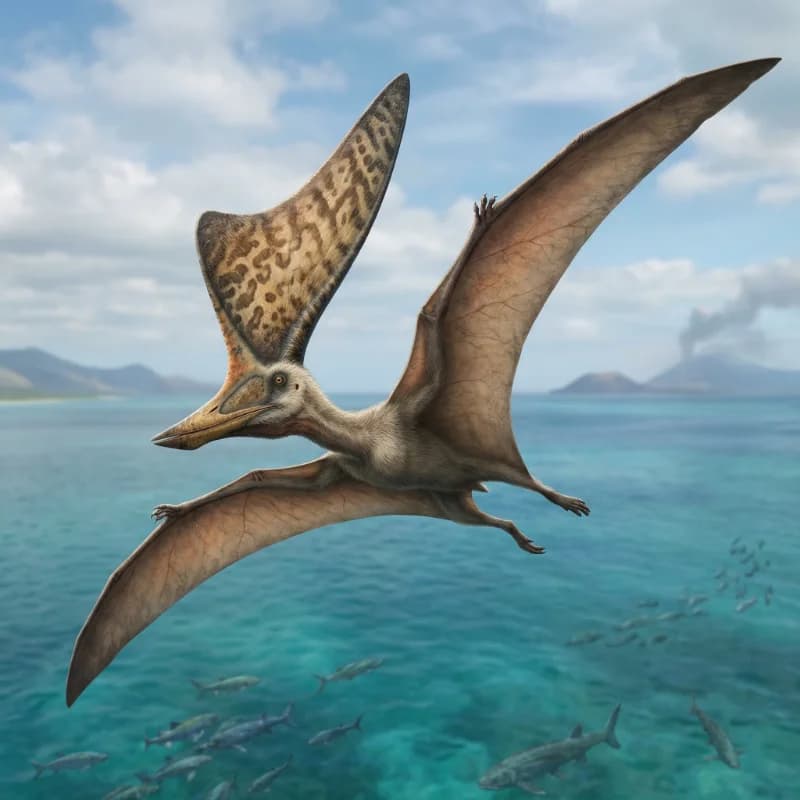
Nyctosaurus
Nyctosaurus gracilis

Pteranodon
Pteranodon
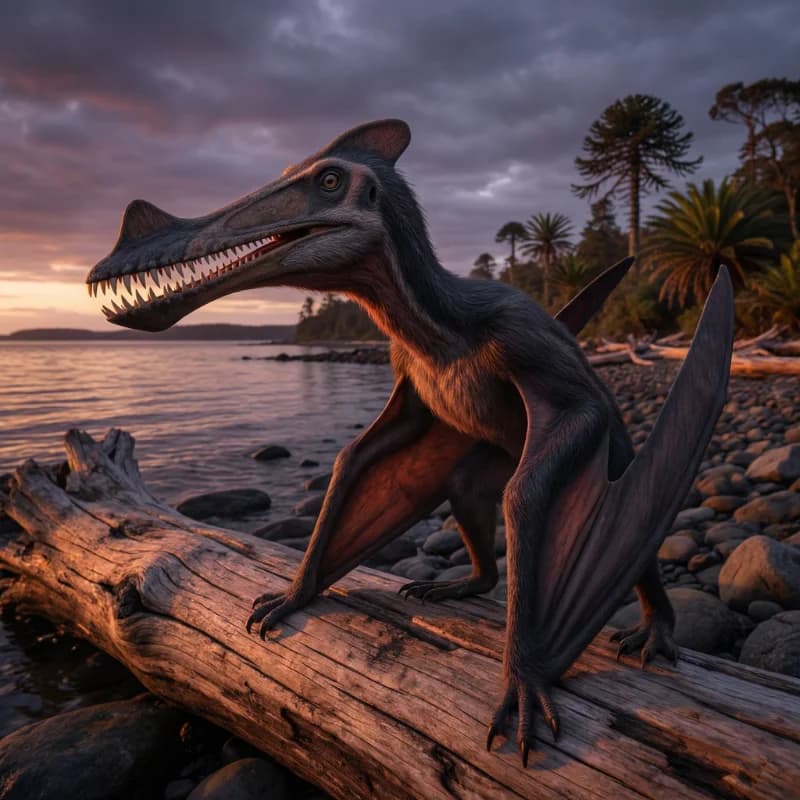
Guidraco
Guidraco venator
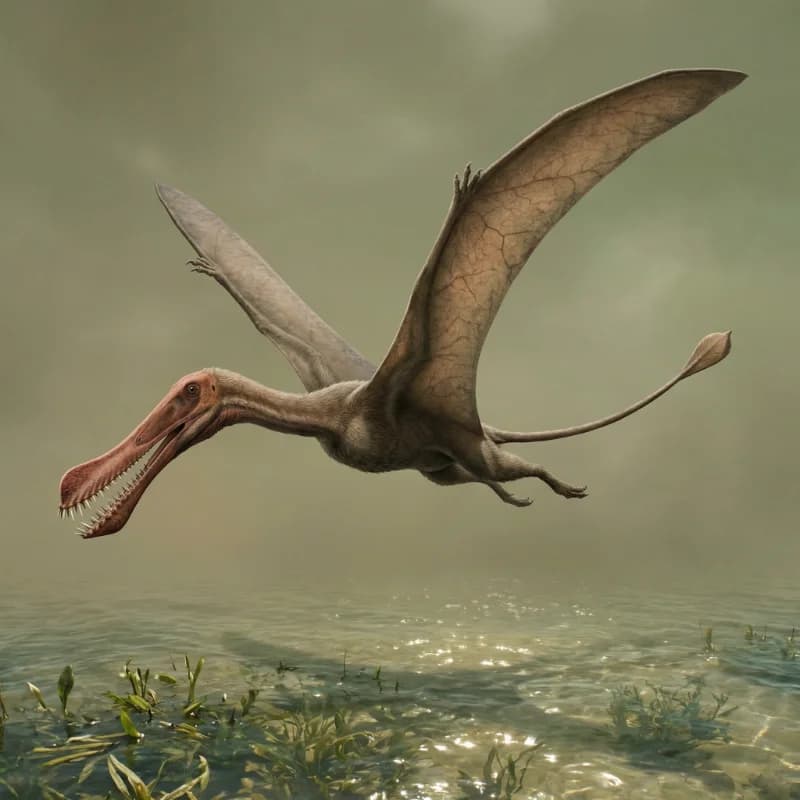
Cearadactylus
Cearadactylus atrox
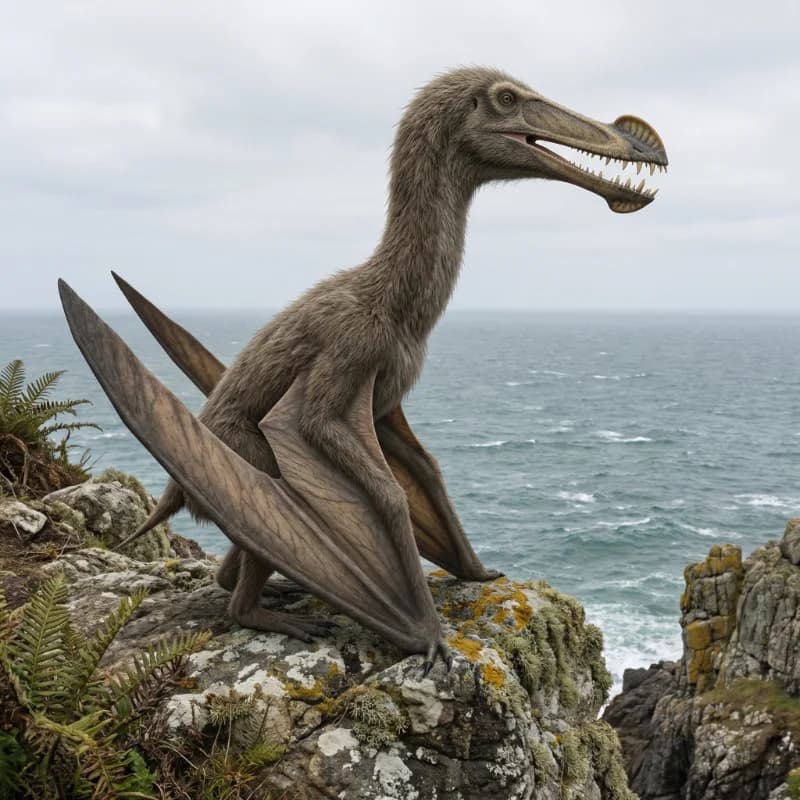
Ornithocheirus
Ornithocheirus simus