Anhanguera
Cretaceous Period Piscivore Creature Type
Anhanguera blittersdorffi
Scientific Name: "Tupi añanga ('spirit protector of animals') + wera ('bygone') = 'Old devil'"
Local Name: Anhanguera
Physical Characteristics
Discovery
Habitat
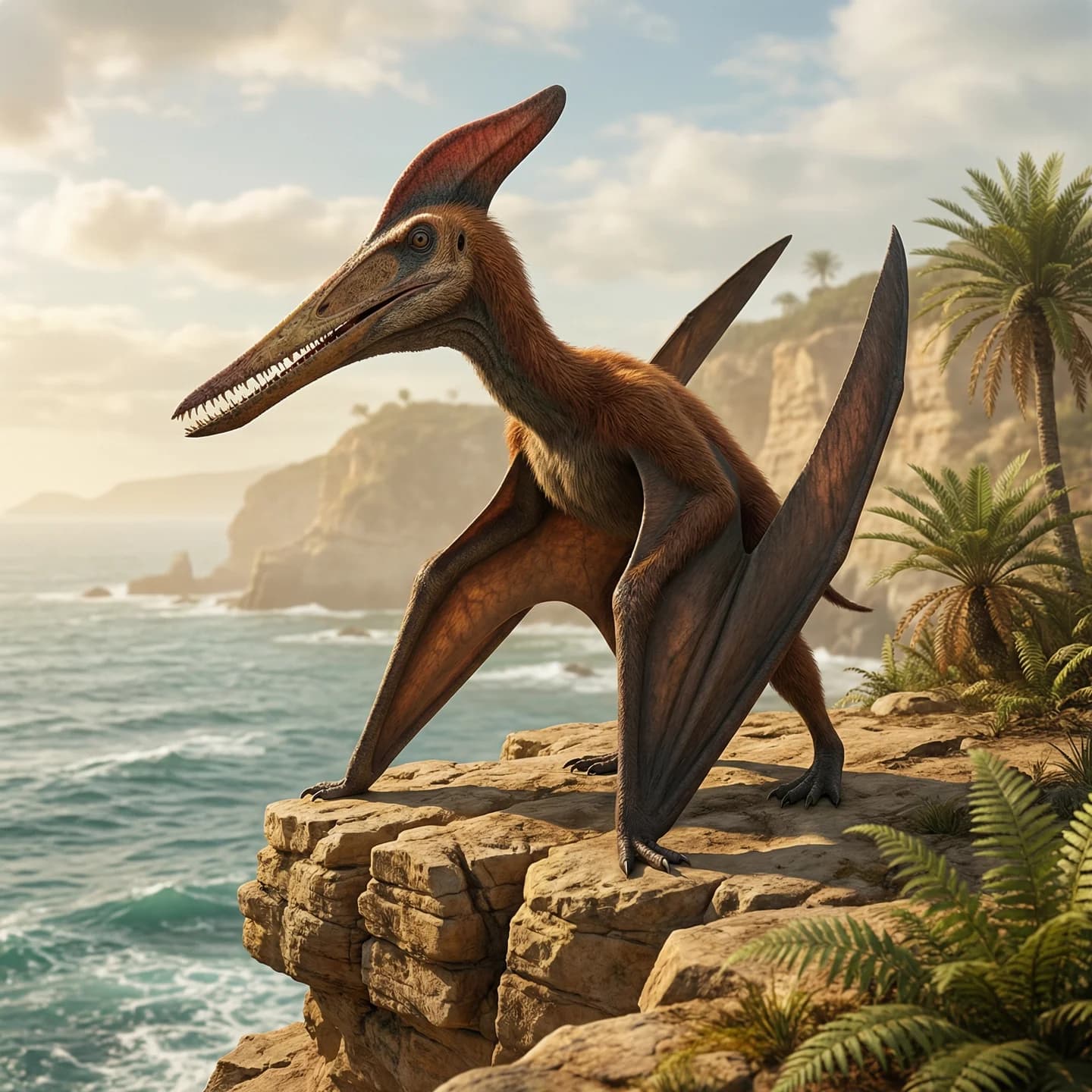
Anhanguera (Campos & Kellner, 1985) is a genus of piscivorous pterodactyloid pterosaur belonging to the family Anhangueridae, known primarily from the Early Cretaceous (Albian, ~112–100 Ma) Romualdo Formation of the Araripe Basin in northeastern Brazil. Additional material referred to this genus has been reported from the Late Cretaceous (Cenomanian, ~98–93 Ma) Kem Kem Group of Morocco (Jacobs et al., 2020), extending the temporal range of the genus to approximately 112–92.5 Ma. The generic name derives from the Brazilian Tupi language: añanga ('spirit protector of animals') combined with wera ('bygone'), together meaning 'Old devil'—an allusion to the animal's formidable toothed jaws and distinctive cranial crests.
Anhanguera is not a dinosaur, but a pterosaur (flying reptile). Pterosaurs belong to the clade Pterosauria within Archosauria, the same larger group that includes dinosaurs, but they constitute a completely separate evolutionary lineage. They were the first vertebrates to achieve powered flight, evolving this capability independently from both birds and bats.
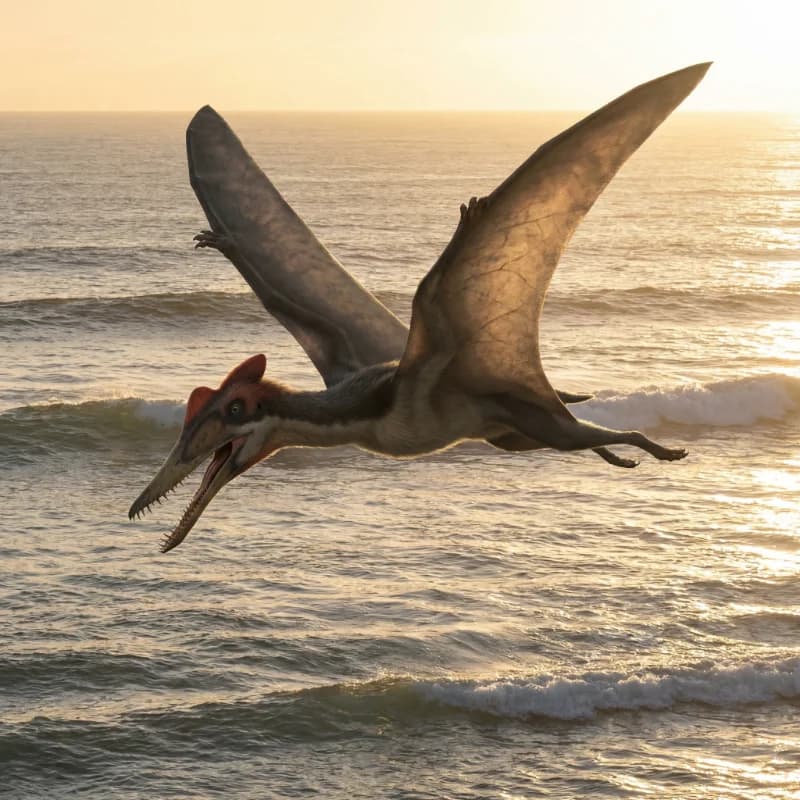
The most notable anatomical features of Anhanguera are the sagittal crests on the premaxilla and dentary. Unlike its close relatives Coloborhynchus and Ornithocheirus, the premaxillary crest of Anhanguera does not begin at the very tip of the snout but is set farther back on the skull. The jaw tips expand into a broad, spoon-shaped rosette filled with angled, conical, curved teeth of varying sizes—a configuration ideally suited for catching fish. With a wingspan of approximately 4.15–4.69 m (depending on species) and an estimated body mass of roughly 15–23 kg (Witton, 2008), Anhanguera was comparable in scale to a large albatross, though with a radically different body plan featuring an enormous head, robust forelimbs, and tiny hindlimbs.
Currently recognized valid species include A. blittersdorffi (type species), A. piscator, and A. spielbergi, while A. araripensis, A. santanae, and A. robustus were considered nomina dubia by Pinheiro & Rodrigues (2017), though A. robustus was revalidated by Piazentin et al. (2025). As the name-bearing genus of Anhangueridae, Anhanguera is central to understanding the diversity, ecology, and evolutionary relationships of toothed Cretaceous pterosaurs.
Overview
Name and Etymology
The genus name Anhanguera is composed of two Tupi words: añanga, meaning 'spirit protector of animals,' and wera, meaning 'bygone' or 'old.' Together they translate as 'Old devil,' an evocative name reflecting the animal's fearsome appearance with its tooth-filled jaws and prominent crests. The genus was formally named in 1985 by Brazilian paleontologists Diogenes de Almeida Campos and Alexander Wilhelm Armin Kellner, based on a remarkably well-preserved, complete skull (MN 4805-V) recovered from a calcareous concretion of the Romualdo Formation in the Araripe Basin, northeastern Brazil (Campos & Kellner, 1985). The specific epithet blittersdorffi honors Maria Blittersdorff, a patron of paleontological research in Brazil.
Taxonomic Status
Anhanguera has been placed within Pterosauria > Pterodactyloidea > Anhangueridae > Anhanguerinae. Some classification schemes treat Anhangueridae as a subfamily (Anhanguerinae) within Ornithocheiridae, but recent phylogenetic analyses (Andres & Myers, 2013; Pinheiro & Rodrigues, 2017; Holgado & Pêgas, 2020) tend to recognize Anhangueridae as an independent family. The genus is widely considered the most speciose anhanguerid from the Romualdo Formation, though the actual number of valid species has been a subject of intense debate.
Pinheiro & Rodrigues (2017) conducted a comprehensive morphometric and taxonomic review, concluding that as few as three species of Anhanguera are potentially valid: A. blittersdorffi, A. piscator, and A. spielbergi. Three additional species (A. araripensis, A. santanae, and A. robustus) were deemed nomina dubia because their holotypes lack diagnostic characters distinguishable from ontogenetic or individual variation. However, Piazentin et al. (2025), based on a newly described mandible specimen, revalidated A. robustus, and this debate remains ongoing.
Key Significance
Anhanguera is scientifically important for several reasons. As the name-bearing genus of Anhangueridae, it anchors the taxonomic framework for the entire family. The nearly complete skeleton of A. piscator (NSM-PV 19892) is one of the most complete anhanguerid specimens known, providing crucial data for biomechanical, anatomical, and ecological studies. Furthermore, the debate over crest-based species taxonomy in Anhanguera has catalyzed a fundamental reassessment of how cranial crests are used as diagnostic characters in pterosaur systematics, with broader implications for understanding pterosaur diversity.
Stratigraphy, Age, and Depositional Environment
Temporal Range
Anhanguera fossils from Brazil are principally recovered from the Romualdo Formation of the Araripe Basin, dated to the Albian stage (~112–100 Ma) based on palynological, micropaleontological, and U/Pb geochronological data. The Romualdo Formation spans the Aptian–Albian boundary according to the most recent stratigraphic frameworks. Material referred to Anhanguera from the Kem Kem Group of Morocco is Cenomanian in age (~98–93 Ma; Jacobs et al., 2020), extending the genus's total known temporal range to approximately 112–92.5 Ma.
Formation and Lithology
The Romualdo Formation is part of the Santana Group within the Araripe Basin. It is characterized by conglomeratic sandstones overlain by a transgressive sequence of green and black shales interbedded with marls. A defining feature is the presence of multiple layers of calcareous concretions within the black shales, which extend laterally across the basin (Fara et al., 2005; Saraiva et al., 2007). These concretions formed through early diagenetic mineralization following mass mortality events, encapsulating vertebrate fossils in three-dimensional preservation of exceptional quality—earning the Romualdo Formation its status as a world-renowned Konservat-Lagerstätte.
Nearly all Anhanguera specimens from Brazil were recovered from these calcareous concretions. The Kem Kem Group of Morocco, by contrast, consists predominantly of red sandstones and siltstones deposited in a fluvial-to-deltaic system.
Paleoenvironment
The Romualdo Formation was deposited in a shallow epicontinental sea to lagoonal environment during the early stages of South Atlantic rifting. Geochemical and faunal evidence indicates fluctuating salinity, from fully marine to brackish conditions. The organic-rich black shales suggest periodic anoxic episodes. The associated fauna—diverse bony fishes, sharks, turtles, crocodylomorphs, and other pterosaurs—indicates a productive aquatic ecosystem in a warm, subtropical to tropical climate. The Kem Kem Group records a different but broadly contemporaneous environment: a river-dominated coastal setting in what is now North Africa, similarly rich in fish and large predatory vertebrates.
Specimens and Diagnostic Characters
Holotype and Key Specimens
The holotype of the type species A. blittersdorffi is MN 4805-V, a nearly complete, three-dimensionally preserved skull housed in the Museu Nacional, Rio de Janeiro, Brazil (Campos & Kellner, 1985; Kellner & Campos, 1988). It was recovered from a calcareous concretion in the Romualdo Formation.
Other significant specimens include the A. piscator holotype NSM-PV 19892 (National Science Museum, Tokyo), a nearly complete skull and skeleton described by Kellner & Tomida (2000). A cast of this skeleton (TTU P10363) measures 4.69 m in wingspan. The A. spielbergi holotype RGM 401 880 (Naturalis Biodiversity Center, Netherlands) comprises a skull and substantial postcranial elements (Veldmeijer, 2003). Additionally, AMNH 22555 (American Museum of Natural History), a partial skeleton including a nearly complete skull, was formerly referred to A. santanae by Wellnhofer (1991) but was reassigned to Anhanguera sp. by Pinheiro & Rodrigues (2017).
| Species | Holotype | Current status | Key diagnostic features |
|---|---|---|---|
| A. blittersdorffi | MN 4805-V | Type species, valid | 52 alveoli in upper jaw |
| A. piscator | NSM-PV 19892 | Valid | Basisphenoid constriction, axis neural spine at 45°, sharp ventral crest on distal ulna (Kellner & Tomida, 2000) |
| A. spielbergi | RGM 401 880 | Valid | Mandibular groove does not extend to distal lateral expansion; triangular sternal plate (Veldmeijer, 2003) |
| A. araripensis | SNSB-BSPG 1982 I 89 | Nomen dubium | Non-diagnostic (Pinheiro & Rodrigues, 2017) |
| A. santanae | SNSB-BSPG 1982 I 90 | Nomen dubium | Non-diagnostic (Pinheiro & Rodrigues, 2017) |
| A. robustus | SNSB-BSPG 1987 I 47 | Disputed (nomen dubium per Pinheiro & Rodrigues, 2017; revalidated by Piazentin et al., 2025) | Large dentary crest at ~50° angle |
Diagnosis
Kellner (2003) listed the following synapomorphies for Anhanguera: (1) an elongate, medially placed nasal process; (2) a foramen on the nasal process; (3) a characteristic size difference in the rostral teeth, where the 4th and 7th tooth pairs are larger than the 5th and 6th; (4) scapula length at most 80% of coracoid length; (5) an oval coracoidal articulation surface with a posterior expansion; and (6) a pneumatic foramen on the proximal dorsal surface of the humerus.
However, Pinheiro & Rodrigues (2017) demonstrated that characters (1) and (2) are also present in Ludodactylus, while (4), (5), and (6) occur in Brasileodactylus and Istiodactylus. Therefore, only character (3)—the distinctive tooth size pattern—remains unambiguously synapomorphic for Anhanguera at present. For the type species A. blittersdorffi, the high number of 52 upper alveoli is an additional distinguishing feature.
Limitations of the Material
A major challenge in Anhanguera taxonomy is that virtually all Romualdo Formation specimens lack precise stratigraphic provenance. Because most fossils were collected by amateur or commercial fossil hunters rather than through controlled excavations, the exact concretion layer from which each specimen originated is typically unknown (Pinheiro & Rodrigues, 2017). This precludes testing whether morphologically distinct forms represent true contemporaneous species or anagenetic morphotypes from different stratigraphic levels.
Morphology and Functional Anatomy
Body Proportions and Size
Anhanguera exhibits the characteristic anhanguerid body plan: an extremely large skull relative to body size, long and robust forelimbs, a short trunk, and very short hindlimbs. The skull of A. blittersdorffi (holotype) exceeds 50 cm in length, while the trunk is less than 1 m long. The cast skeleton of A. piscator (TTU P10363) has a measured wingspan of 4.69 m; the wingspan of the A. santanae-referred specimen AMNH 22555 is estimated at approximately 4.15 m (Witton, 2013 blog). Body mass, estimated using the skeletal-mass-to-body-mass regression method of Witton (2008), falls in the range of approximately 15–23 kg—significantly heavier than older lightweight estimates but comparable to a large albatross or pelican.
Skull and Crests
The skull is elongate and dorsoventrally compressed. A sagittal crest is present on the premaxillae, positioned not at the very tip of the snout (as in Coloborhynchus) but set farther back. The lower jaw bears a rounded dentary crest at its anterior end. A small, blunt occipital crest projects from the back of the skull, similar to but less prominent than the crests of pteranodontids.
Pinheiro & Rodrigues (2017) performed a geometric morphometric analysis on 12 crested anhanguerid skulls, finding that premaxillary crest height and anteroposterior length show statistically significant positive allometry relative to centroid size (p = 0.0091, explaining 25.7% of total shape variation). Larger individuals have proportionally taller and longer crests, with the crest extending closer to both the nasoantorbital fenestra posteriorly and the snout tip anteriorly. This finding undermines the use of crest dimensions as species-level diagnostic characters and suggests that crest variation in Anhanguera is largely attributable to ontogeny and possibly sexual dimorphism, paralleling patterns documented in Caiuajara (Manzig et al., 2014) and Hamipterus (Wang et al., 2014).
Dentition
The jaws taper in width toward the tip but then expand into a broad, spoon-shaped rosette. The teeth are conical, curved, and vary in size and orientation. The first pair of teeth is located at the snout tip, projecting anteriorly. Characteristically, the 4th and 7th tooth pairs are larger than the 5th and 6th—a pattern that is the most reliable synapomorphy of the genus. Tooth surfaces bear longitudinal enamel ridges, typical of anhanguerids. The A. blittersdorffi holotype has 52 alveoli in the upper jaw, an unusually high count within the family.
Wing Structure and Flight
The wing follows the standard pterodactyloid configuration: the brachiopatagium (main wing membrane) is supported by a hyper-elongated fourth manual digit (wing finger). The wing proportions yield a high aspect ratio, consistent with efficient long-distance soaring flight over open water. CT-based endocast analysis by Witmer et al. (2003) revealed that Anhanguera's semicircular canals of the inner ear are oriented such that the animal's habitual head posture during flight would have been angled downward relative to the horizontal, ideal for scanning the water surface for prey while in flight. The study also revealed well-developed optic lobes and cerebellum, indicating acute vision and sophisticated flight coordination.
Diet and Ecology
Diet (Evidence-Based)
Anhanguera is interpreted as a piscivore (fish-eater) based on multiple lines of indirect evidence. The conical, interlocking teeth arranged in a rosette-shaped jaw tip closely resemble the feeding apparatus of modern piscivorous birds and are optimally configured for grasping slippery prey. The depositional environment of the Romualdo Formation is rich in diverse fish fossils, indicating an abundant prey base. The downward-angled habitual head posture inferred from inner ear anatomy (Witmer et al., 2003) is consistent with visually scanning for fish from the air. No direct stomach contents have been recovered from any Anhanguera specimen, so piscivory remains a strongly supported hypothesis rather than a confirmed fact.
Ecological Niche
Anhanguera occupied the niche of a medium-to-large aerial predator specializing in fish capture over shallow marine and lagoonal environments. Multiple anhanguerid genera coexisted in the Romualdo Formation ecosystem, including the substantially larger Tropeognathus (~6 m wingspan), as well as Maaradactylus and Barbosania, suggesting niche partitioning through body size, crest morphology, and possibly tooth configuration. Other pterosaur families (Tapejaridae, Dsungaripteridae) present in the same deposits exploited different ecological roles, demonstrating a complex and diverse pterosaur community.
Behavioral Inferences
The endocast analysis (Witmer et al., 2003) indicates well-developed visual and cerebellar regions, consistent with precise flight control and keen eyesight—essential for detecting and capturing fast-moving fish. Multiple individuals are sometimes recovered from the same concretion layers, which could suggest gregarious behavior, but this could equally reflect taphonomic concentration during mass mortality events. The question of sociality in Anhanguera remains unresolved.
Distribution and Paleogeography
Geographic Range
Confirmed Anhanguera occurrences are from the Araripe Basin (Ceará and Pernambuco states) of northeastern Brazil, with the Romualdo Formation being the primary source. Fragmentary jaw material attributable to Anhanguera has also been reported from the Kem Kem Group of Morocco (Jacobs et al., 2020), though identification to genus level from isolated jaw fragments inevitably carries some uncertainty. Some popular sources cite occurrences from Australia, Russia, and the Cambridge Greensand of England, but most of these records have been reassigned to other genera upon reexamination or remain of uncertain taxonomic status.
Paleogeographic Context
During the Early Cretaceous, the Araripe Basin lay along the eastern margin of South America as the South Atlantic was beginning to rift open. The region occupied a subtropical latitude (~10–15°S paleolatitude) with a warm, humid climate. The geographic proximity to Africa (present-day Morocco) during a time when the Atlantic was still narrow is consistent with biotic exchange of pterosaurs between the two continents via over-water flight. The presence of closely related anhanguerids and ornithocheirids on both sides of the nascent Atlantic supports this biogeographic connection.
Phylogenetics and Taxonomic Debates
Anhangueridae vs. Ornithocheiridae
Two principal views exist regarding the higher-level classification of Anhanguera. One treats Anhangueridae as an independent family (Campos & Kellner, 1985; Rodrigues & Kellner, 2013; Andres & Myers, 2013), while the other places it as a subfamily (Anhanguerinae) within Ornithocheiridae (Unwin, 2003). Recent cladistic analyses increasingly favor the former, recognizing Anhangueridae as a monophyletic clade including Anhanguera, Tropeognathus, Maaradactylus, and related genera, distinct from Ornithocheiridae sensu stricto (which includes Ornithocheirus and Coloborhynchus).
The Crest Taxonomy Problem
The most contentious issue in Anhanguera systematics is whether crest morphology alone can diagnose species. Historically, subtle differences in crest height, anteroposterior extent, and position have been the primary characters used to erect and distinguish Anhanguera species. Pinheiro & Rodrigues (2017) challenged this practice by demonstrating through geometric morphometrics that crest size and shape vary continuously with overall skull size, forming a gradient rather than discrete clusters. Morphologies previously thought to represent separate species are, in fact, connected by intermediates. This led them to synonymize A. araripensis, A. santanae, and A. robustus as nomina dubia. Piazentin et al. (2025), however, presented new mandibular material that they argue supports the validity of A. robustus, keeping this debate active.
Phylogenetic Position
In the cladistic analysis of Andres & Myers (2013), Anhanguera falls within Anhangueridae, forming a clade with Liaoningopterus as a potential sister taxon or basal member. Within Ornithocheirae, Anhangueridae is sister to Ornithocheiridae, which includes Ornithocheirus simus, Coloborhynchus clavirostris, and relatives.
Reconstruction and Uncertainty
Confirmed
Anhanguera was a medium-to-large piscivorous pterodactyloid pterosaur with sagittal crests on both the premaxilla and dentary, heterodont dentition with a characteristic size pattern (4th and 7th pairs larger than 5th and 6th), and a rosette-shaped jaw tip. These features are confirmed by multiple well-preserved specimens.
Probable but Not Fully Confirmed
Piscivory (supported by strong indirect evidence but lacking direct stomach contents), wingspan range of 4–5 m (varies by species and individual), body mass of 15–23 kg (method-dependent).
Hypothetical or Speculative
Gregarious behavior, precise crest function (aerodynamic stabilization vs. sexual selection display vs. intraspecific signaling), skin coloration and patterning (no fossil evidence), exact flight speed and migratory range.
Popular Media vs. Scientific Consensus
Anhanguera is sometimes introduced in popular media as meaning 'devil's soul,' but the more accurate translation is 'Old devil.' The crests are often described as 'rudders for steering during flight,' but current scientific consensus favors a sexual selection display function, with aerodynamic effects being secondary or uncertain (Hone, Naish & Cuthill, 2012; Knell et al., 2013). Additionally, classifying Anhanguera as an azhdarchid (Azhdarchidae) is an error—azhdarchids are a completely different lineage of toothless, long-necked pterosaurs.
Comparison with Related Taxa
| Genus | Family | Wingspan (est.) | Age | Localities | Key differences from Anhanguera |
|---|---|---|---|---|---|
| Anhanguera | Anhangueridae | 4.1–4.7 m | Albian–Cenomanian | Brazil, Morocco | Crest set back from snout tip |
| Tropeognathus | Anhangueridae | ~6 m (est.) | Albian | Brazil | Much larger; massive crest at snout tip |
| Coloborhynchus | Disputed (Ornithocheiridae or Anhangueridae) | 4–7 m | Albian | UK, Brazil, others | Crest begins at blunt snout tip; depression in jaw tip |
| Ornithocheirus | Ornithocheiridae | ~5 m (est.) | Albian–Cenomanian | UK | Crest at snout tip; taxonomically unstable |
| Maaradactylus | Anhangueridae | ~4 m (est.) | Albian | Brazil | Enormous crest; recently recognized as distinct |
Fun Facts
FAQ
📚References
- Campos, D.A. & Kellner, A.W.A. (1985). Panorama of the flying reptiles study in Brazil and South America (Pterosauria/Pterodactyloidea/Anhangueridae). Anais da Academia Brasileira de Ciências, 57(4): 453–466.
- Kellner, A.W.A. & Campos, D.A. (1988). Sobre um novo pterossauro com crista sagital da Bacia do Araripe, Cretáceo Inferior do Nordeste do Brasil. Anais da Academia Brasileira de Ciências, 60: 460–469.
- Kellner, A.W.A. & Tomida, Y. (2000). Description of a new species of Anhangueridae (Pterodactyloidea) with comments on the pterosaur fauna from the Santana Formation (Aptian–Albian), northeastern Brazil. National Science Museum Monographs, 17: 1–135.
- Veldmeijer, A.J. (2003). Description of Coloborhynchus spielbergi sp. nov. (Pterodactyloidea) from the Albian (Lower Cretaceous) of Brazil. Scripta Geologica, 125: 35–139.
- Witmer, L.M., Chatterjee, S., Franzosa, J. & Rowe, T. (2003). Neuroanatomy of flying reptiles and implications for flight, posture and behaviour. Nature, 425(6961): 950–954. doi:10.1038/nature02048
- Fara, E., Saraiva, A.Á.F., Campos, D.A., Moreira, J.K.R., Siebra, D.C. & Kellner, A.W.A. (2005). Controlled excavations in the Romualdo Member of the Santana Formation (Early Cretaceous, Araripe Basin, northeastern Brazil): stratigraphic, palaeoenvironmental and palaeoecological implications. Palaeogeography, Palaeoclimatology, Palaeoecology, 218(1–2): 145–160.
- Witton, M.P. (2008). A new approach to determining pterosaur body mass and its implications for pterosaur flight. Zitteliana, B28: 143–158.
- Andres, B. & Myers, T.S. (2013). Lone Star Pterosaurs. Earth and Environmental Science Transactions of the Royal Society of Edinburgh, 103(3–4): 383–398. doi:10.1017/S1755691013000303
- Hone, D.W.E., Naish, D. & Cuthill, I.C. (2012). Does mutual sexual selection explain the evolution of head crests in pterosaurs and dinosaurs? Lethaia, 45(2): 139–156. doi:10.1111/j.1502-3931.2011.00300.x
- Knell, R.J., Naish, D., Tomkins, J.L. & Hone, D.W.E. (2013). Sexual selection in prehistoric animals: detection and implications. Trends in Ecology & Evolution, 28(1): 38–47. doi:10.1016/j.tree.2012.07.015
- Pinheiro, F.L. & Rodrigues, T. (2017). Anhanguera taxonomy revisited: is our understanding of Santana Group pterosaur diversity biased by poor biological and stratigraphic control? PeerJ, 5: e3285. doi:10.7717/peerj.3285
- Jacobs, M.L., Martill, D.M., Unwin, D.M., Ibrahim, N., Zouhri, S. & Longrich, N.R. (2020). New toothed pterosaurs (Pterosauria: Ornithocheiridae) from the middle Cretaceous Kem Kem beds of Morocco and implications for pterosaur palaeobiogeography and diversity. Cretaceous Research, 110: 104413. doi:10.1016/j.cretres.2020.104413
- Holgado, B. & Pêgas, R.V. (2020). A taxonomic and phylogenetic review of the anhanguerid pterosaur group Coloborhynchinae and the new clade Tropeognathinae. Acta Palaeontologica Polonica, 65(4): 743–786. doi:10.4202/app.00751.2020
- Duque, R.R.C., Pinheiro, F.L. & Barreto, A.M.F. (2022). The ontogenetic growth of Anhangueridae (Pterosauria, Pterodactyloidea) premaxillary crests as revealed by a crestless Anhanguera specimen. Journal of Vertebrate Paleontology, 42(1): e2116984. doi:10.1080/02724634.2022.2116984
- Piazentin, L.C., Navarro, B.A., Pêgas, R.V., Carvalho, A.B. & Zaher, H. (2025). A new pterosaur mandible from the Lower Cretaceous of Brazil, and its implications on the taxonomy of the genus Anhanguera (Pterosauria, Anhangueridae). Journal of South American Earth Sciences, 165: 105684. doi:10.1016/j.jsames.2025.105684
- Wellnhofer, P. (1991). Weitere Pterosaurierfunde aus der Santana-Formation (Apt) der Chapada do Araripe, Brasilien. Palaeontographica Abt. A, 215: 43–101.
Gallery
5 images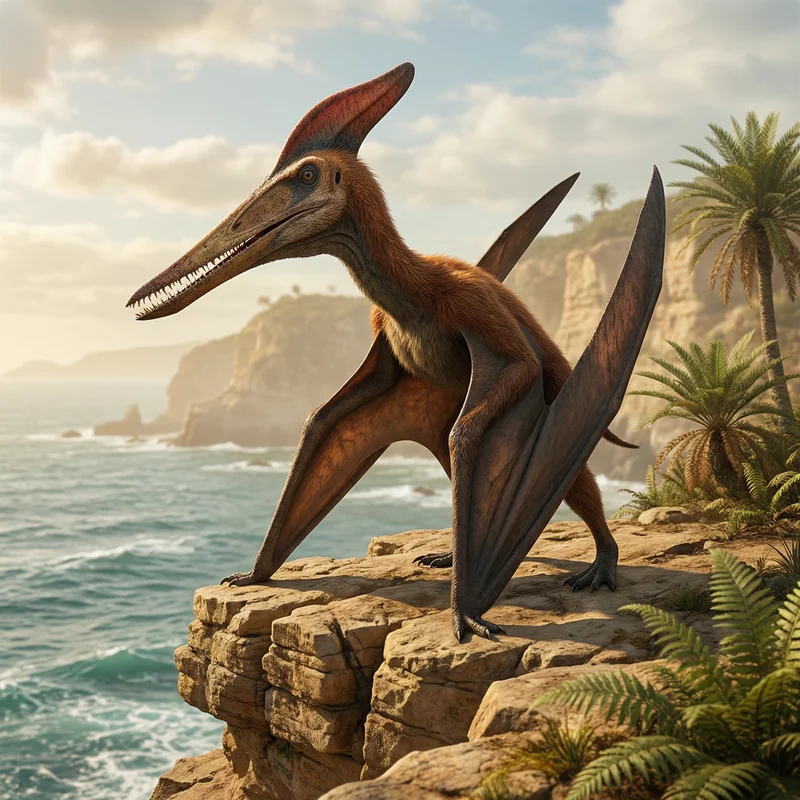 Anhanguera
Anhanguera · Cretaceous Period · Piscivore
 Anhanguera
Anhanguera · Cretaceous Period · Piscivore
 Anhanguera
Anhanguera · Cretaceous Period · Piscivore
 Anhanguera
Anhanguera · Cretaceous Period · Piscivore
 Anhanguera
Anhanguera · Cretaceous Period · Piscivore
🔗Related Creatures
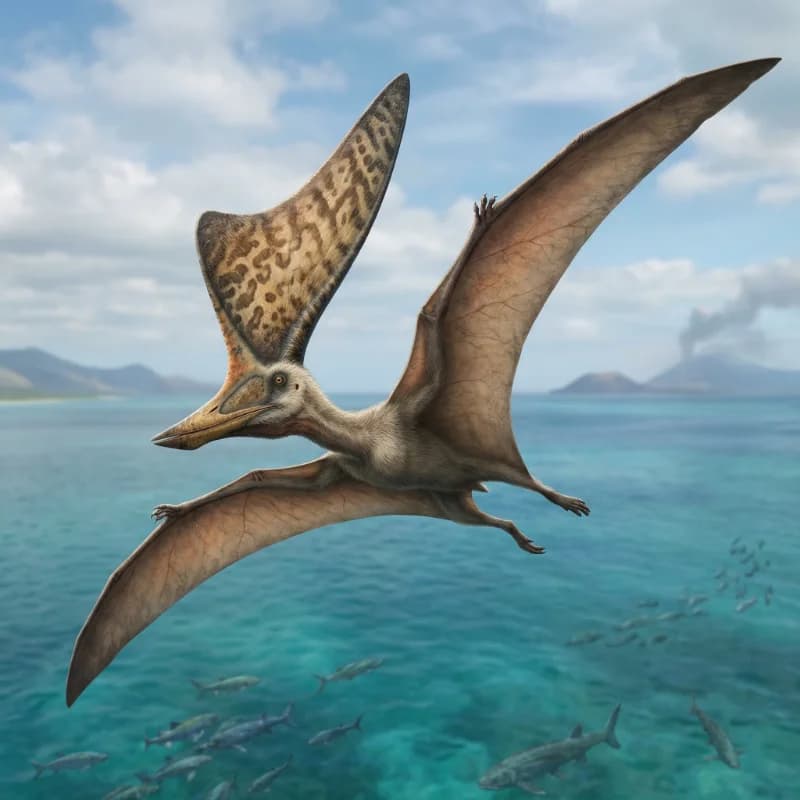
Nyctosaurus
Nyctosaurus gracilis
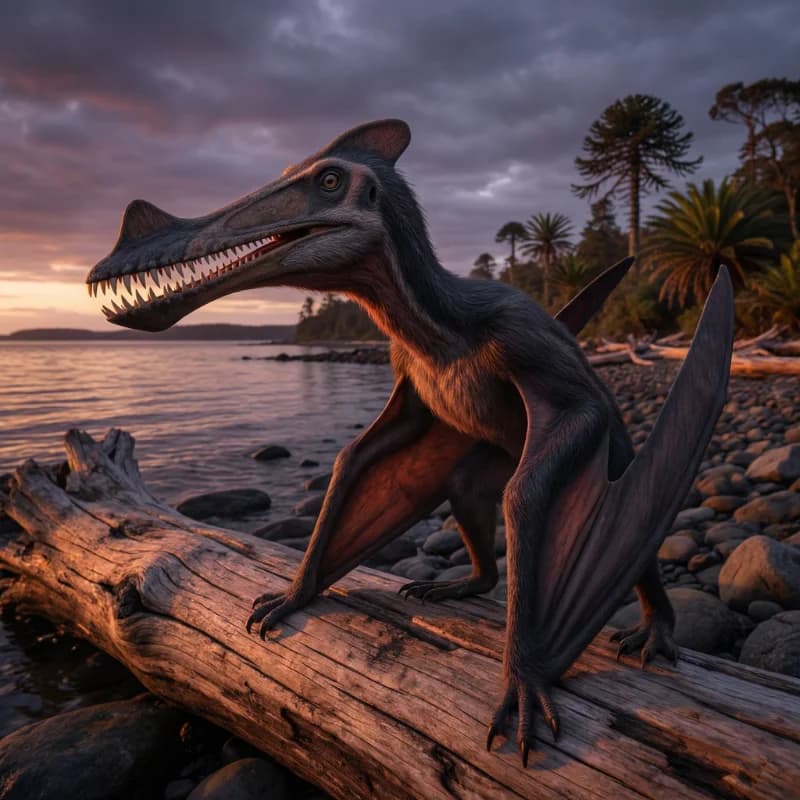
Guidraco
Guidraco venator
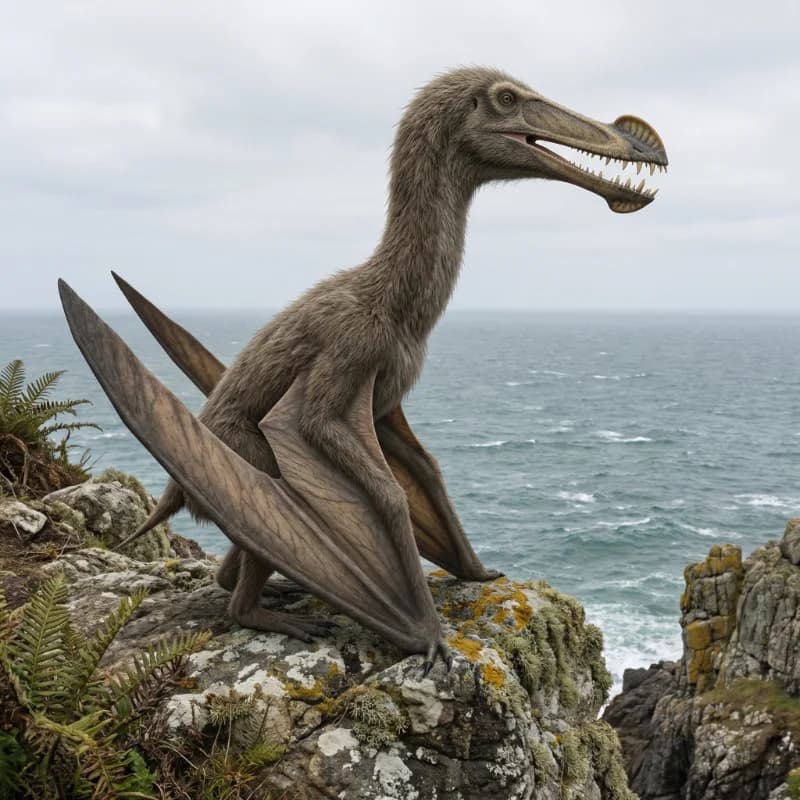
Ornithocheirus
Ornithocheirus simus
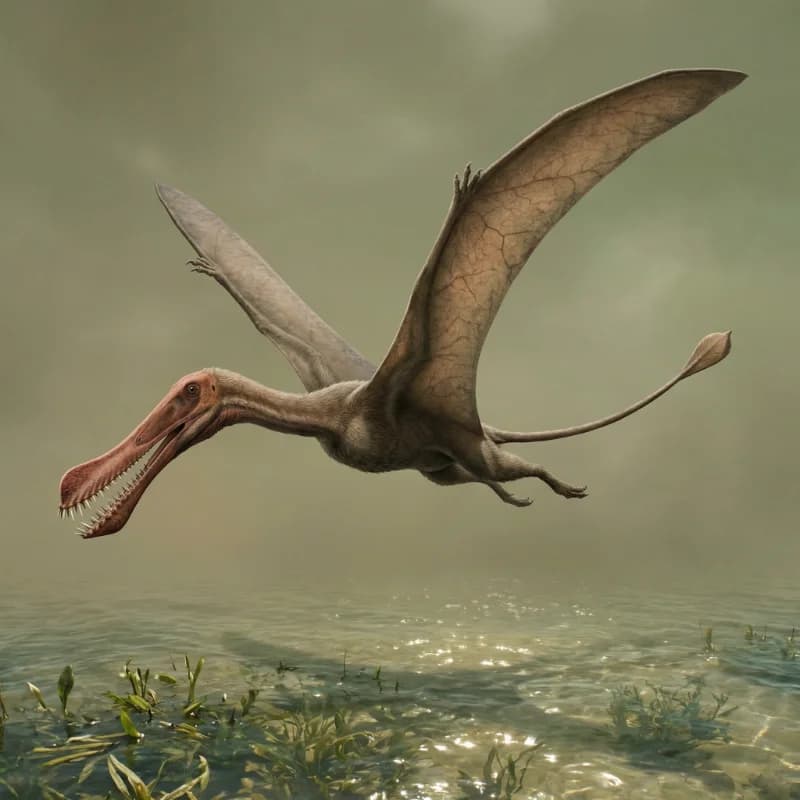
Cearadactylus
Cearadactylus atrox
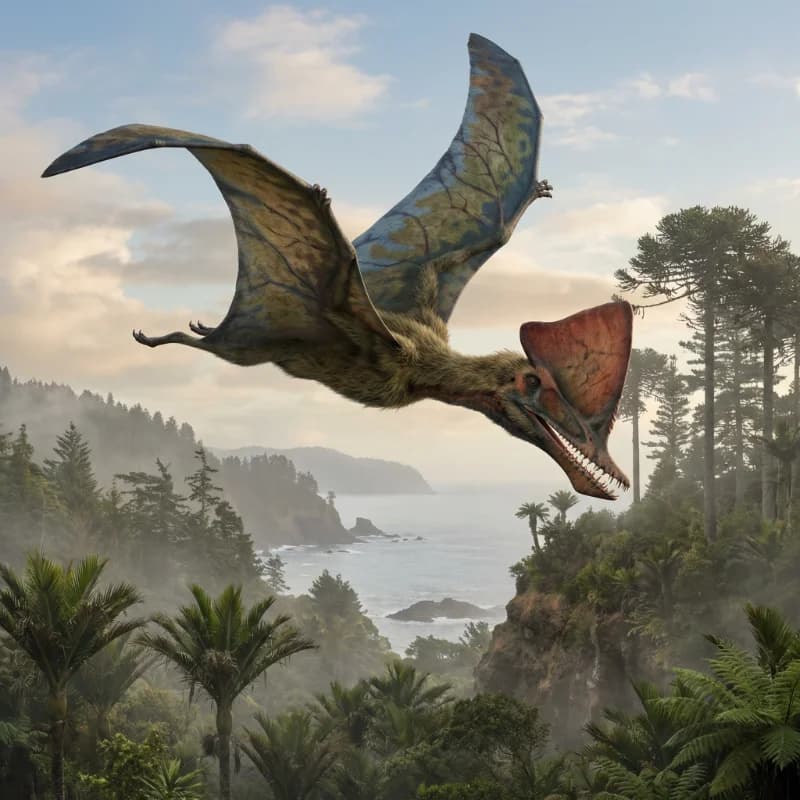
Tropeognathus
Tropeognathus mesembrinus

Pteranodon
Pteranodon
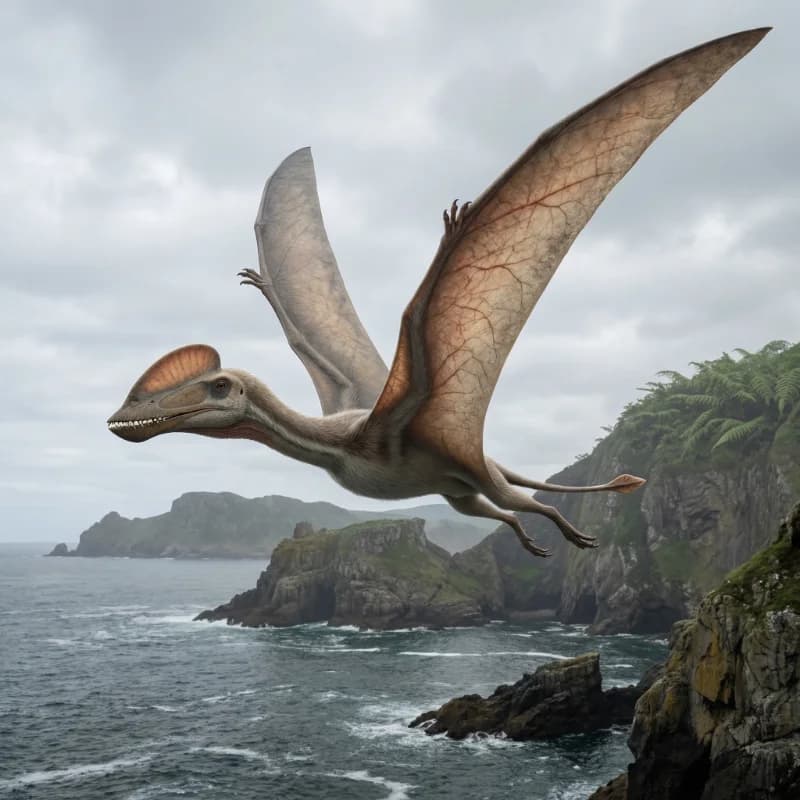
Coloborhynchus
Coloborhynchus clavirostris
Ferrodraco
Ferrodraco lentoni