Nothosaurus
Triassic Period Piscivore Creature Type
Nothosaurus mirabilis
Scientific Name: "From Ancient Greek νόθος (nothos, 'false/illegitimate') + σαῦρος (sauros, 'lizard') = 'False Lizard'. The name reflects its unusual morphology combining features of both terrestrial reptiles and marine-adapted forms"
Local Name: Nothosaurus
Physical Characteristics
Discovery
Habitat
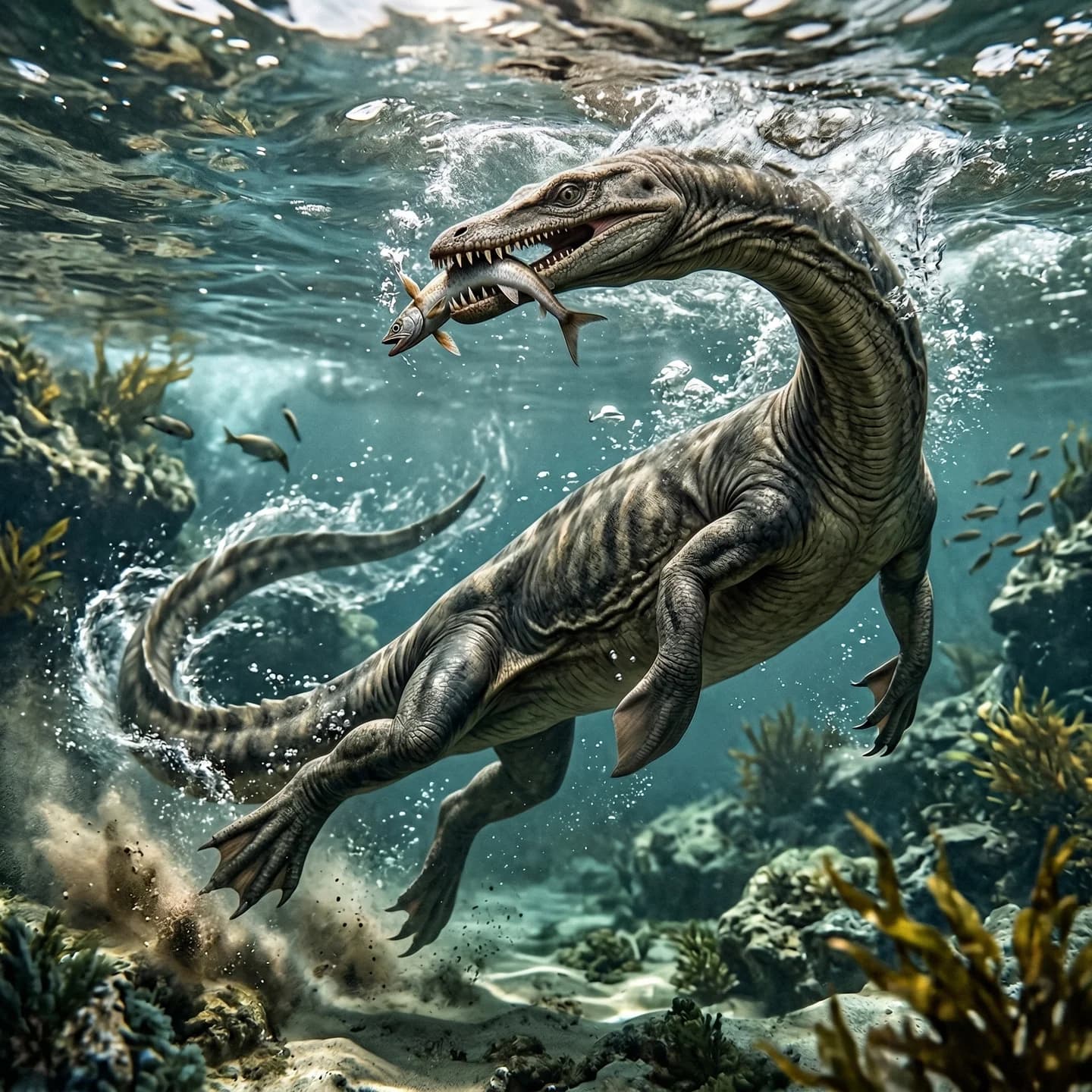
Nothosaurus (Nothosaurus Münster, 1834) is an extinct genus of semi-aquatic marine reptile that inhabited the Tethys Ocean and the Germanic Basin during the Middle to Late Triassic (approximately 245–228 million years ago). It belongs to the superorder Sauropterygia, suborder Nothosauria, and is the type genus and best-known member of the family Nothosauridae. Fossils have been recovered from across the former Tethys realm, including Europe (Germany, the Netherlands, France, Spain, Italy), the Middle East (Israel), southwestern China, and North Africa, demonstrating a remarkably broad geographic range.
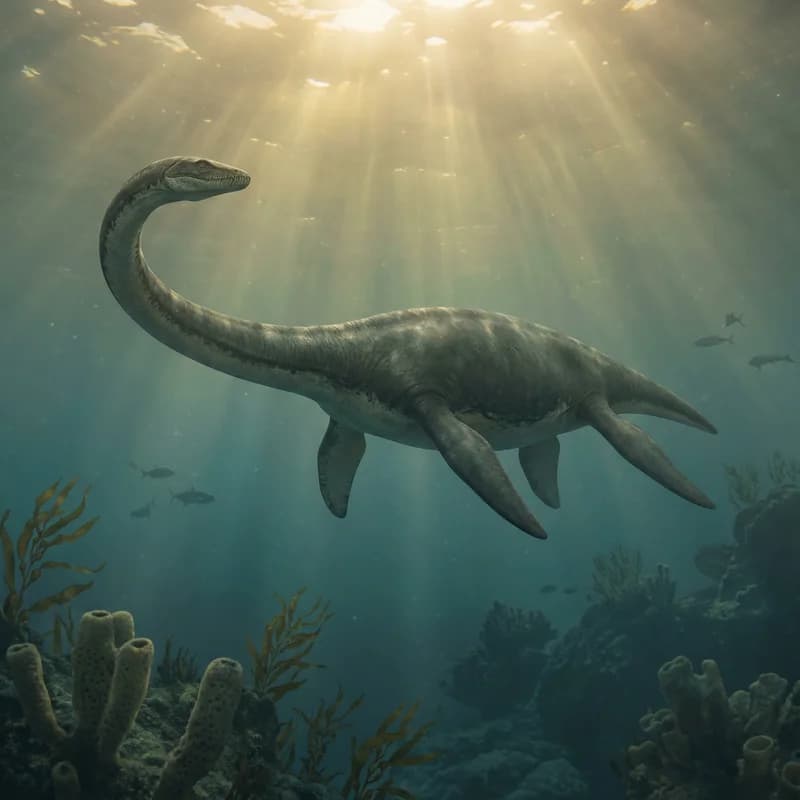
The most defining feature of Nothosaurus is its semi-aquatic (transitional) body plan, representing a stage before full marine adaptation was achieved. Unlike the later plesiosaurs, Nothosaurus possessed not flippers but webbed feet with flexible limb joints that still permitted limited terrestrial locomotion. Its body was elongate and streamlined, with a broad, flattened skull armed with rows of sharp, conical teeth specialized for capturing fish and cephalopods. The type species N. mirabilis reached adult lengths of approximately 3–4 m, while the giant species N. giganteus and N. zhangi attained 5–7 m, making them among the largest sauropterygian apex predators of the Triassic.
Critically, Nothosaurus was not a dinosaur. It was a diapsid reptile belonging to Sauropterygia, a lineage entirely separate from Dinosauria and Pterosauria. Nothosaurus was among the first groups of marine reptiles to invade the seas following the Permian–Triassic mass extinction, and it is therefore a key taxon for understanding the recovery and assembly of Mesozoic marine ecosystems. Although traditionally considered ancestral to plesiosaurs (Plesiosauria), current phylogenetic analyses indicate that pistosauroids (Pistosauroidea) are the more likely sister group to Plesiosauria, with nothosaurs representing a separate clade within Sauropterygia.
Overview
Name and Etymology
The name 'Nothosaurus' is derived from the Ancient Greek νόθος (nothos, 'false' or 'illegitimate') and σαῦρος (sauros, 'lizard'), meaning 'false lizard'. In 1834, the German aristocratic collector and paleontologist Georg Graf zu Münster (1776–1844) named the genus based on a partially articulated postcranial skeleton (now specimen UMO 1000, housed at the Urwelt-Museum Oberfranken) recovered from a Muschelkalk limestone quarry at the Oschenberg near Bayreuth, Bavaria. Münster described the fossil as an entirely new genus combining features of plesiosaurs and crocodiles in a remarkable fashion, calling it a 'wondrous hybrid saurian (Bastard Saurus)' that united the special characteristics of several different animal groups (Münster, 1834).
Taxonomic Status and Validity
Nothosaurus is currently a valid genus, with the type species Nothosaurus mirabilis Münster, 1834. Although Conchiosaurus Meyer, 1833 technically has priority, the International Commission on Zoological Nomenclature (ICZN) designated Nothosaurus as a conserved name (Rieppel & Brinkmann, 1996; Rieppel & Wild, 1996). The comprehensive revision by Rieppel & Wild (1996) organized the valid species from the Germanic Triassic, and subsequent discoveries in China, Israel, and elsewhere have expanded the genus further. Approximately 13–14 species are currently recognized as valid, including N. mirabilis, N. giganteus, N. marchicus, N. edingerae, N. jagisteus, N. haasi, N. tchernovi, N. yangjuanensis, N. zhangi, N. luopingensis, N. cymatosauroides, N. cristatus, and the recently described N. fortihumeralis Li et al., 2026 from the Upper Guanling Formation of China. However, Liu et al. (2014) demonstrated that both Nothosaurus and Lariosaurus are polyphyletic, indicating that a systematic revision remains necessary.
Scientific Significance
Nothosaurus represents an early chapter in the evolutionary history of Mesozoic marine reptiles. It was among the first groups of large marine predators to emerge after the Permian–Triassic mass extinction (ca. 252 Ma), the most devastating biodiversity crisis in the Phanerozoic. The existence of giant species such as N. giganteus and N. zhangi (5–7 m class) during the Anisian demonstrates that complex marine food webs had already been re-established by this time (Liu et al., 2014; Fröbisch et al., 2013).
Geological Age, Stratigraphy, and Depositional Setting
Temporal Range
The temporal range of the genus Nothosaurus spans from the Middle Triassic (Anisian) to the early Late Triassic (Carnian), approximately 245–228 Ma (Klein et al., 2022). The majority of species are concentrated in the Anisian–Ladinian interval, and Carnian records are extremely sparse. In the Germanic Basin, specimens are primarily recovered from the Muschelkalk Group — the Upper Muschelkalk (late Anisian) and the Lower Keuper (Ladinian).
Key Formations and Lithology
The holotype of the type species N. mirabilis (UMO 1000) was recovered from the Upper Muschelkalk (Trochitenkalk Formation to lower Meißner Formation) at the Oschenberg quarry near Bayreuth. The host succession consists of shelly packstone, nodular limestone, and marl, with associated brachiopods (Coenothyris vulgaris) and cephalopods (ceratitids) (Klein et al., 2022; Gevers, 1926). From the Lower Muschelkalk (early Anisian) at Winterswijk, the Netherlands, numerous skulls of N. marchicus have been collected, while N. zhangi was described from the upper part of the Guanling Formation in Luoping, Yunnan, China (Liu et al., 2014).
| Species | Formation | Age | Locality |
|---|---|---|---|
| N. mirabilis | Upper Muschelkalk (Trochitenkalk/Meißner Fm) | Late Anisian | Germany (Bayreuth, Crailsheim, etc.) |
| N. giganteus | Upper Muschelkalk | Late Anisian–Ladinian | Germany (Osnabrück, Bayreuth) |
| N. marchicus | Lower Muschelkalk (Vossenveld Fm) | Early Anisian | Netherlands (Winterswijk), Germany |
| N. edingerae | Upper Muschelkalk, Lower Keuper | Anisian–Ladinian | Germany |
| N. jagisteus | Upper Muschelkalk | Ladinian | Germany (Hohenlohe) |
| N. haasi | Muschelkalk | Anisian | Israel (Makhtesh Ramon) |
| N. tchernovi | Muschelkalk | Anisian | Israel (Makhtesh Ramon) |
| N. zhangi | Guanling Formation | Early–Middle Anisian | China (Yunnan, Luoping) |
| N. yangjuanensis | Middle Triassic deposits | Anisian | China (Guizhou) |
| N. luopingensis | Guanling Formation | Anisian | China (Yunnan) |
| N. fortihumeralis | Upper Guanling Formation | Late Anisian | China (Yunnan) |
| N. cymatosauroides | Spanish Muschelkalk | Anisian–Ladinian | Spain |
| N. cristatus | Upper Muschelkalk | Ladinian | Germany |
Depositional Environment and Paleoenvironment
The Germanic Muschelkalk was deposited in a semi-enclosed epicontinental sea characterized by repeated transgression–regression cycles. Vertebrate-bearing horizons near Bayreuth correspond to fully marine transgressive intervals, deposited at intermediate water depths between fair-weather wave base and storm wave base (Klein et al., 2022; Wild, 1972). The seafloor was well-oxygenated and actively bioturbated, situated tens of kilometers offshore from the Bohemian Massif coastline.
The N. zhangi horizon at Luoping in Yunnan represents an eastern Tethyan intraplatform basin hosting a diverse marine reptile fauna (ichthyosaurs, placodonts, marine crocodylomorphs, and others), reflecting a complex marine ecosystem (Liu et al., 2014; Hu et al., 2011).
Specimens and Diagnostic Features
Holotype: UMO 1000
The holotype of N. mirabilis is a partially articulated postcranial skeleton (UMO 1000) excavated by Münster himself in 1834 from the Upper Muschelkalk at Oschenberg, Bayreuth. It was formally designated as the holotype by Rieppel & Wild (1996). In 2009, the historically chimeric mount was disassembled and reassembled in its original configuration. Klein et al. (2022) subsequently provided the first detailed morphological redescription of the specimen.
The holotype includes articulated cervical to anterior dorsal vertebrae, partial sacral and caudal regions, both humeri, the right femur, some antebrachial and autopodial elements, and the right pelvic girdle (ischium). The skull and pectoral girdle are not preserved. The subadult individual's total body length is reconstructed at approximately 290–320 cm (Klein et al., 2022).
Diagnostic Features of N. mirabilis
Following Rieppel (2000), N. mirabilis is distinguished by the following combination of features: maximum adult condylobasal skull length of approximately 460 mm; long and slender snout with parallel lateral margins; small and rounded external naris positioned close to the frontal; approximately 50 maxillary teeth; mandibular symphysis extending no more than about one-fifth of total mandible length.
Other Key Specimens
N. marchicus is known from numerous skulls from Winterswijk, the Netherlands, with condylobasal skull lengths of 90–140 mm, making it a small species (Albers, 2005, 2011; Klein & Albers, 2009). Voeten et al. (2018) used synchrotron micro-CT to examine the internal anatomy of a N. marchicus skull (TW480000375, skull length 101 mm) in unprecedented detail, revealing neurosensory adaptations and physiological information.
The largest skull of N. giganteus measures approximately 61 cm, while the mandible of N. zhangi reaches about 65 cm — the largest of any Triassic sauropterygian (Liu et al., 2014).
Morphology and Function
Body Form and Size
Nothosaurus was an elongate, streamlined reptile with a relatively long neck and tail. Body size varied enormously among species. N. marchicus reached adult total lengths of only about 0.65–1 m (based on skull length 90–140 mm), N. mirabilis attained approximately 3–4 m (maximum skull length 46 cm), and N. giganteus together with N. zhangi reached approximately 5–7 m. The skull-to-total-body-length ratio was approximately 0.09–0.12 (Storrs, 1991; Liu et al., 2014).
Direct academic body mass estimates are limited. Gregory S. Paul (2022, The Princeton Field Guide to Mesozoic Sea Reptiles) estimated N. giganteus at approximately 800 kg (body length ca. 4.8–6.6 m). The small species N. marchicus likely weighed a few to several tens of kilograms, while N. mirabilis (3–4 m class) is estimated in the range of tens to roughly 200 kg, although direct skeletal-based mass estimation studies remain scarce.
Skull and Dentition
The skull of Nothosaurus is broad and dorsoventrally flattened, with a long anteroposteriorly elongate snout. The jaw articulation region is widely spaced, suggesting the ability to open the mouth wide. The anterior portions of the maxilla and mandible bear particularly large, sharp fang-like teeth that project slightly forward (procumbent). These teeth are conical with longitudinal striations and are deeply implanted in sockets (thecodont dentition) (Rieppel & Wild, 1996). The maxilla of N. mirabilis bears approximately 50 teeth, a dental configuration optimized for pierce-feeding on fish and cephalopods (Rieppel, 2002).
Voeten et al. (2018) demonstrated through synchrotron micro-CT analysis that the inner ear of N. marchicus exhibits structures adapted to aquatic environments, with vestibular morphology suited for detecting three-dimensional motion underwater.
Limbs and Locomotion
Unlike plesiosaurs, the limbs of Nothosaurus were not transformed into true flippers. Instead, it possessed relatively short legs with webbed feet, where the elongated phalanges expanded the surface area of the webbing (Palmer, 1999; Rieppel, 2000). The knee and elbow joints retained sufficient flexibility for limited terrestrial movement, leading to comparisons with modern seals.
Klein et al. (2022) noted that the humerus of N. mirabilis is broad and wing-shaped, and the neural spines are very tall with well-developed zygosphene-zygantrum articulations. This suggests a combined locomotory mode: lateral undulation of the trunk and tail for fast swimming, and paraxial forelimb propulsion (rowing) for slower speeds. Zhang et al. (2014) reported nothosaur foraging tracks from the Middle Triassic of Yunnan, China, demonstrating that both forelimbs operated in unison (rowing) to churn the seabed sediment while foraging for hidden benthic prey.
Tail
The tail of Nothosaurus was comparatively long. Some reconstructions have suggested the presence of a small tail fin, but direct fossil evidence for such a structure is lacking and it remains hypothetical (Palmer, 1999).
Diet and Ecology
Diet
Nothosaurus is classified primarily as a piscivore (fish-eater), supported by the following lines of evidence:
- Dental morphology: The procumbent anterior fangs and rows of conical posterior teeth are specialized for pierce-feeding, an effective strategy for capturing fish and cephalopods (Rieppel, 2002).
- Stomach contents and coprolites: The closely related genus Lariosaurus buzzii has yielded stomach contents containing small fish remains (Tschanz, 1989), and pachypleurosaur coprolites show comparable results (Sander, 1989).
- Ecological inference: Large species such as N. zhangi likely preyed on smaller marine reptiles in addition to fish. Liu et al. (2014) positioned N. zhangi as an apex predator within the Luoping biota food web.
Ecological Role and Food Web
The pronounced size variation among Nothosaurus species reflects ecological niche partitioning. In the Bayreuth fauna, the mid-to-large N. mirabilis was most abundant, the large N. giganteus and the small N. marchicus were rarer, and each species presumably employed distinct hunting and feeding strategies to minimize direct competition (Rieppel, 2000; Klein et al., 2022). The contemporary fauna included placodonts (Placodus, Cyamodus), Pistosaurus, Tanystropheus, and ichthyosaurs, together forming a complex marine ecosystem.
Life History and Reproduction
Griebeler & Klein (2019, Palaeontology) analyzed humeral bone histology to reconstruct growth curves and compared the resulting life-history trait combinations with those of extant squamates exhibiting either oviparity or viviparity. Their analysis suggested that Nothosaurus was most likely viviparous (live-bearing), consistent with reproductive strategies commonly observed in marine-adapted reptiles.
Histologically, nothosaur long bones are composed predominantly of lamellar zonal bone tissue, indicating slow growth rates and a low basal metabolic rate (Klein et al., 2013, BMC Evolutionary Biology). However, bone microanatomy varies considerably among species, reflecting differing degrees of aquatic adaptation (Klein et al., 2016, PLOS ONE).
Distribution and Paleogeography
Geographic Range
Nothosaurus fossils are distributed broadly along the former Tethys Ocean. The principal localities are as follows:
Western Tethys (Europe + Middle East): Germany (the most diverse and abundant), the Netherlands, France, Spain, Italy, and Israel. Eastern Tethys (East Asia): Guizhou and Yunnan provinces, China. North Africa: Fragmentary records.
This pan-Tethyan distribution demonstrates that Nothosaurus exploited a wide range of shallow marine environments across the Middle Triassic, despite potential marine barriers. Rieppel (1999) divided Triassic sauropterygian biogeography into three major faunal provinces — western Tethys, eastern Tethys, and eastern Panthalassa — with Nothosaurus confirmed in both the western and eastern Tethyan provinces.
Paleogeographic Position
During the Middle Triassic, the Germanic Basin was situated at approximately 20–30°N latitude, under subtropical to warm-temperate climatic conditions. The representative paleocoordinates based on PBDB data are approximately 21.5°N, 31.2°E (Germanic Basin reference).
Phylogeny and Taxonomic Debates
Position Within Sauropterygia
Nothosaurus belongs to Eosauropterygia within the superorder Sauropterygia. Traditionally, Rieppel (2000) divided Eosauropterygia into Pachypleurosauria and Eusauropterygia (= Nothosauroidea + Pistosauroidea). Under this framework, Pistosauroidea is the sister group to Plesiosauria, while Nothosauroidea represents a separate clade.
However, recent phylogenetic analyses incorporating numerous new taxa from China (Liu et al., 2014; Li & Liu, 2020; Lin et al., 2021) have substantially revised the traditional scheme. Liu et al. (2014) found both Nothosaurus and Lariosaurus to be polyphyletic, concluding that systematic revision of both genera is needed. Species formerly assigned to Nothosaurus — N. juvenilis, N. youngi, and N. winkelhorsti — were formally transferred to Lariosaurus in 2017 (Lin et al., 2017). The most recent species-level phylogeny incorporating N. fortihumeralis (Li et al., 2026) further refines internal relationships within Nothosauridae but continues to recover non-monophyly for the genus Nothosaurus.
Relationship to Plesiosaurs
The popular claim that 'Nothosaurus evolved into plesiosaurs' is inaccurate. Current phylogenetic consensus places Pistosauroidea as the closest stem group to Plesiosauria, with Nothosauroidea occupying a separate branch within Sauropterygia (Rieppel, 2000; Benson et al., 2012). Nothosaurs were not the direct ancestors of plesiosaurs; rather, they represent a parallel lineage of marine adaptation within the same higher-level clade.
Reconstruction and Uncertainty
Confirmed Facts
That Nothosaurus was a semi-aquatic marine reptile of the Middle–Late Triassic with webbed feet and fang-like dentition adapted for piscivory is firmly established by abundant fossil evidence. Its phylogenetic placement within Sauropterygia is also well-supported.
Well-Supported Hypotheses
A seal-like semi-aquatic lifestyle (hunting in water, resting on land), forelimb-dominated rowing locomotion (supported by Zhang et al., 2014 trace fossils), and viviparous reproduction (inferred from bone histology by Griebeler & Klein, 2019) are well-supported hypotheses backed by strong but not fully conclusive evidence.
Unresolved or Hypothetical
The presence or absence of a tail fin, body coloration and patterning, precise body mass (particularly for small and mid-sized species), and specific social behaviors remain unresolved due to the absence of direct fossil evidence.
Common Errors in Popular Reconstructions
Nothosaurus is frequently depicted in popular media with flippers, which is incorrect — it possessed webbed feet with flexible limb joints fundamentally different from plesiosaur flippers. The assertion that 'Nothosaurus was the direct ancestor of plesiosaurs' is also unsupported by current phylogenetic analyses.
Comparison With Related and Contemporary Taxa
| Taxon | Clade | Body length (m) | Limb morphology | Diet | Age |
|---|---|---|---|---|---|
| Nothosaurus | Nothosauridae | 0.6–7 | Webbed feet | Piscivore/carnivore | Middle–Late Triassic |
| Pistosaurus | Pistosauroidea | ca. 3 | Partially flipper-like | Piscivore | Middle Triassic |
| Lariosaurus | Nothosauridae | 0.6–2 | Webbed feet | Piscivore | Middle Triassic |
| Simosaurus | Simosauridae | ca. 3–5 | Webbed feet | Piscivore/durophagy | Middle Triassic |
| Placodus | Placodontia | ca. 2 | Legs (terrestrial-capable) | Shellfish/mollusks | Middle Triassic |
| Plesiosauria | Plesiosauria | 2–15+ | Flippers | Piscivore/carnivore | Jurassic–Cretaceous |
Fun Facts
FAQ
📚References
- Münster, G. G. zu. (1834). Über einige ausgezeichnete fossile Fischzähne und Fischreste aus dem Muschelkalke bei Bayreuth. Neues Jahrbuch für Mineralogie, Geognosie, Geologie und Petrefaktenkunde, 521–527.
- Rieppel, O. & Wild, R. (1996). A revision of the genus Nothosaurus (Reptilia: Sauropterygia) from the Germanic Triassic, with comments on the status of Conchiosaurus clavatus. Fieldiana (Geology), n.s. 34, 1–82.
- Rieppel, O. (2000). Sauropterygia I: Placodontia, Pachypleurosauria, Nothosauroidea, Pistosauroidea. In: Wellnhofer, P. (Ed.), Handbuch der Paläoherpetologie, Teil 12A, 1–134. Dr. Friedrich Pfeil, München.
- Klein, N., Eggmaier, S., Hagdorn, H., Bachmann, G.H., Lagnaoui, A., Voss, M. & Sander, P.M. (2022). The redescription of the holotype of Nothosaurus mirabilis (Diapsida, Eosauropterygia)—a historical skeleton from the Muschelkalk (Middle Triassic, Anisian) near Bayreuth (southern Germany). PeerJ, 10, e13818. https://doi.org/10.7717/peerj.13818
- Liu, J., Hu, S., Rieppel, O., Jiang, D., Benton, M.J., Kelley, N.P., Aitchison, J.C., Zhou, C., Wen, W., Huang, J., Xie, T. & Lv, T. (2014). A gigantic nothosaur (Reptilia: Sauropterygia) from the Middle Triassic of SW China and its implication for the Triassic biotic recovery. Scientific Reports, 4, 7142. https://doi.org/10.1038/srep07142
- Voeten, D.F.A.E., Reich, T., Araujo, R. & Scheyer, T.M. (2018). Synchrotron microtomography of a Nothosaurus marchicus skull informs on nothosaurian physiology and neurosensory adaptations in early Sauropterygia. PLOS ONE, 13(1), e0188509. https://doi.org/10.1371/journal.pone.0188509
- Klein, N., Sander, P.M., Krahl, A., Scheyer, T.M. & Houssaye, A. (2016). Diverse aquatic adaptations in Nothosaurus spp. (Sauropterygia)—Inferences from humeral histology and microanatomy. PLOS ONE, 11(7), e0158448. https://doi.org/10.1371/journal.pone.0158448
- Griebeler, E.M. & Klein, N. (2019). Life-history strategies indicate live-bearing in Nothosaurus (Sauropterygia). Palaeontology, 62(4), 697–713. https://doi.org/10.1111/pala.12425
- Klein, N., Scheyer, T.M. & Tütken, T. (2013). Evolutionary implications of the divergent long bone histologies of Nothosaurus and Pistosaurus (Sauropterygia, Triassic). BMC Evolutionary Biology, 13, 123. https://doi.org/10.1186/1471-2148-13-123
- Zhang, Q., Wen, W., Hu, S., Benton, M.J., Zhou, C., Xie, T., Lü, T., Huang, J., Choo, B., Chen, Z.Q., Liu, J. & Zhang, Q. (2014). Nothosaur foraging tracks from the Middle Triassic of southwestern China. Nature Communications, 5, 3973. https://doi.org/10.1038/ncomms4973
- Klein, N. & Albers, P.C.H. (2009). A new species of the sauropsid reptile Nothosaurus from the Lower Muschelkalk of the western Germanic Basin, Winterswijk, The Netherlands. Acta Palaeontologica Polonica, 54(4), 589–598. https://doi.org/10.4202/app.2008.0083
- Rieppel, O. (2002). Feeding mechanics in Triassic stem-group sauropterygians: the anatomy of a successful invasion of Mesozoic seas. Zoological Journal of the Linnean Society, 135, 33–63.
- Lin, W.-B., Jiang, D.-Y., Rieppel, O., Motani, R., Ji, C., Tintori, A., Sun, Z.-Y. & Zhou, M. (2017). A new specimen of Lariosaurus xingyiensis (Reptilia, Sauropterygia) from the Ladinian (Middle Triassic) Zhuganpo Member, Falang Formation, Guizhou, China. Journal of Vertebrate Paleontology, 37(2), e1278703. https://doi.org/10.1080/02724634.2017.1278703
- Paul, G.S. (2022). The Princeton Field Guide to Mesozoic Sea Reptiles. Princeton University Press.
- Rieppel, O. & Brinkmann, W. (1996). Nothosaurus Muenster, 1834 (Reptilia, Sauropterygia): proposed precedence over Conchiosaurus Meyer, (1833). Bulletin of Zoological Nomenclature, 53, 35–39.
- Hagdorn, H. & Rieppel, O. (1999). Stratigraphy of marine reptiles in the Triassic of Central Europe. Zentralblatt für Geologie und Paläontologie, Teil I, 1998(7–8), 651–678.
- Rieppel, O., Mazin, J.-M. & Tchernov, E. (1999). Sauropterygia from the Middle Triassic of Makhtesh Ramon, Negev, Israel. Fieldiana (Geology), n.s. 40, 1–85.
- Berrocal-Casero, M., Reolid, M., Martínez-Pérez, C., Sanz, J.L. & Pérez-García, A. (2022). Nothosaur tracks from the Middle Triassic of Spain suggest a global distribution of nothosaur foraging traces. Lethaia, 55(1). https://doi.org/10.18261/let.55.1.6
- Klein, N., Furrer, H., Dojen, C., Lukeneder, A. & Scheyer, T.M. (2025). A new nothosaurid taxon from the Middle Triassic of Carinthia, Austria. Austrian Journal of Earth Sciences, 118(1), 141–155. https://doi.org/10.17738/ajes.2025.0008
- Li, Q., Hu, Y.-W., Jiang, D.-Y., Rieppel, O., Kelley, N.P., Sun, Z.-Y., Tintori, A. & Motani, R. (2026). A new large Nothosaurus (Reptilia: Eosauropterygia) from the Middle Triassic of South China and the phylogeny of Eosauropterygia. Zoological Journal of the Linnean Society, 206(1), zlaf179. https://doi.org/10.1093/zoolinnean/zlaf179
Gallery
5 images Nothosaurus
Nothosaurus · Triassic Period · Piscivore
 Nothosaurus
Nothosaurus · Triassic Period · Piscivore
 Nothosaurus
Nothosaurus · Triassic Period · Piscivore
 Nothosaurus
Nothosaurus · Triassic Period · Piscivore
 Nothosaurus
Nothosaurus · Triassic Period · Piscivore
🔗Related Creatures
Mystriosuchus
Mystriosuchus planirostris
Tanystropheus
Tanystropheus longobardicus
Plesiosaurus
Plesiosaurus dolichodeirus
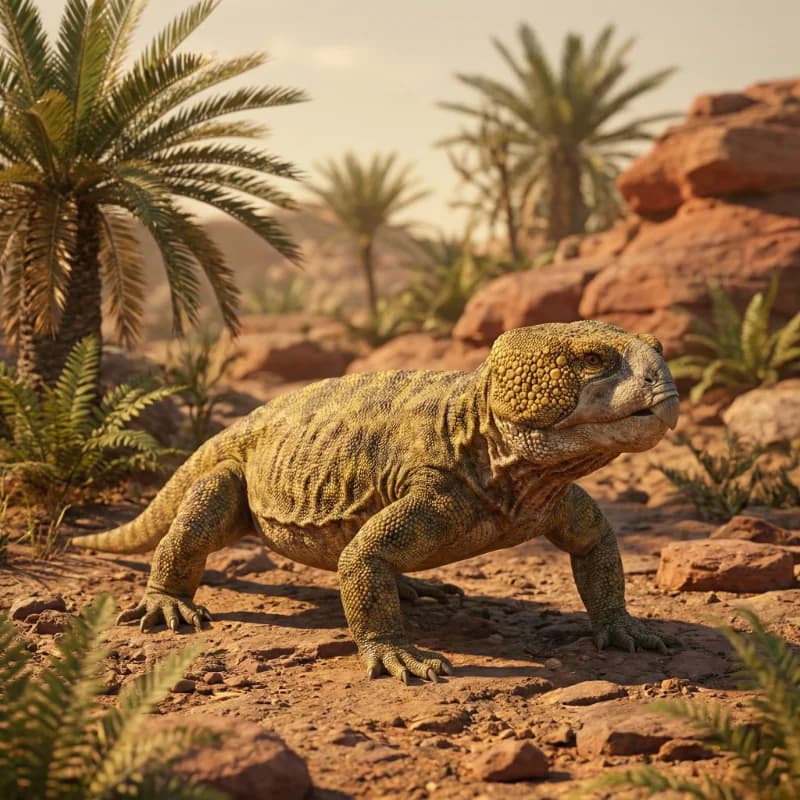
Rhynchosaurus
Rhynchosaurus articeps
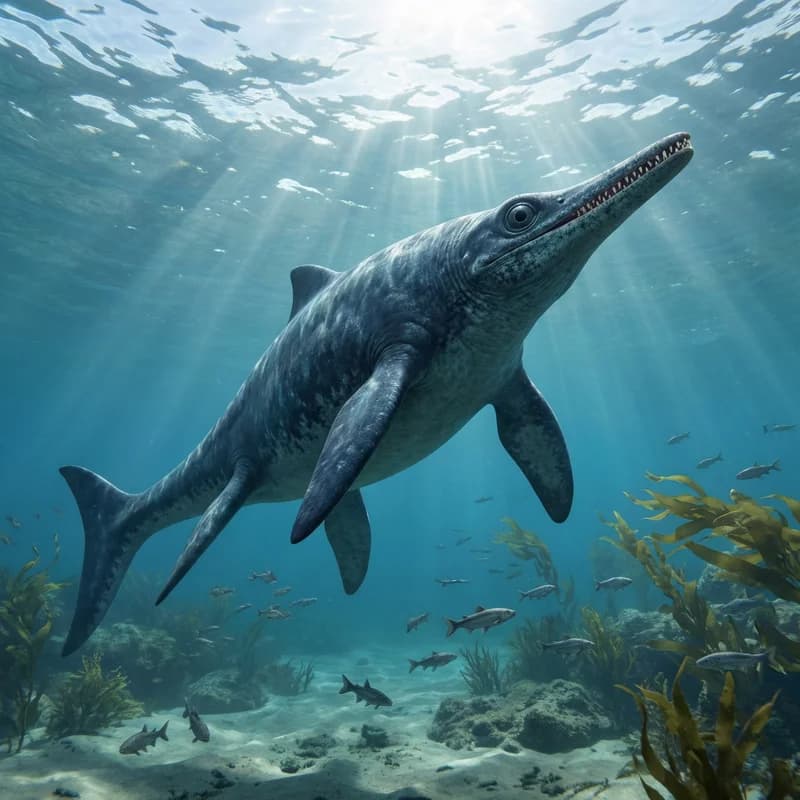
Ichthyosaurus
Ichthyosaurus communis
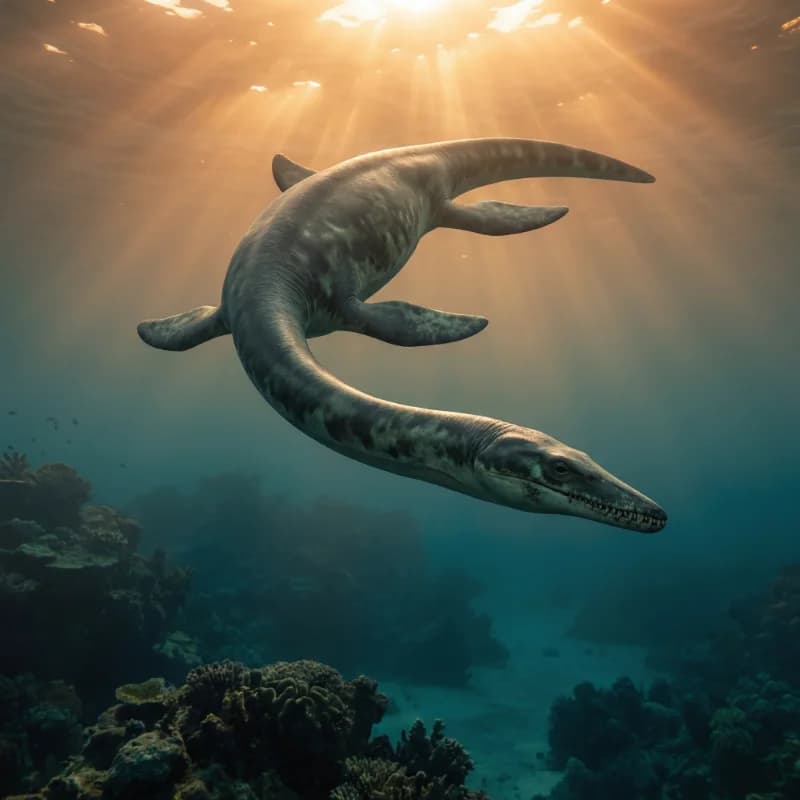
Thalattoarchon
Thalattoarchon saurophagis
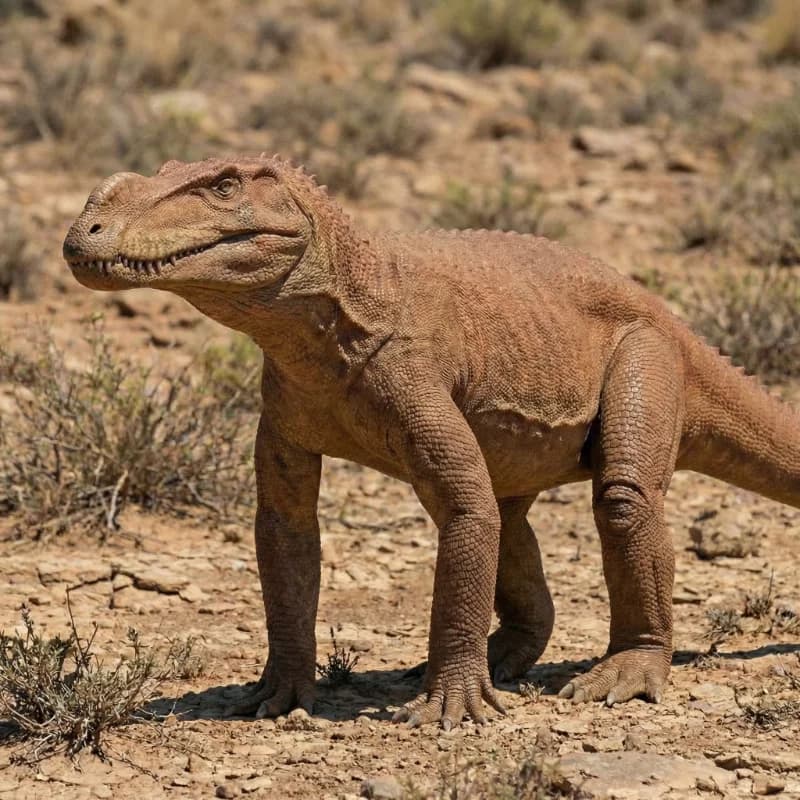
Luperosuchus
Luperosuchus fractus
Elasmosaurus
Elasmosaurus platyurus