Smilodon
Cenozoic Era Carnivore Creature Type
Smilodon
Scientific Name: "Greek σμίλη (smilē, 'scalpel' or 'two-edged knife') + ὀδούς (odoús, 'tooth') = 'knife tooth'"
Local Name: Smilodon
Physical Characteristics
Discovery
Habitat
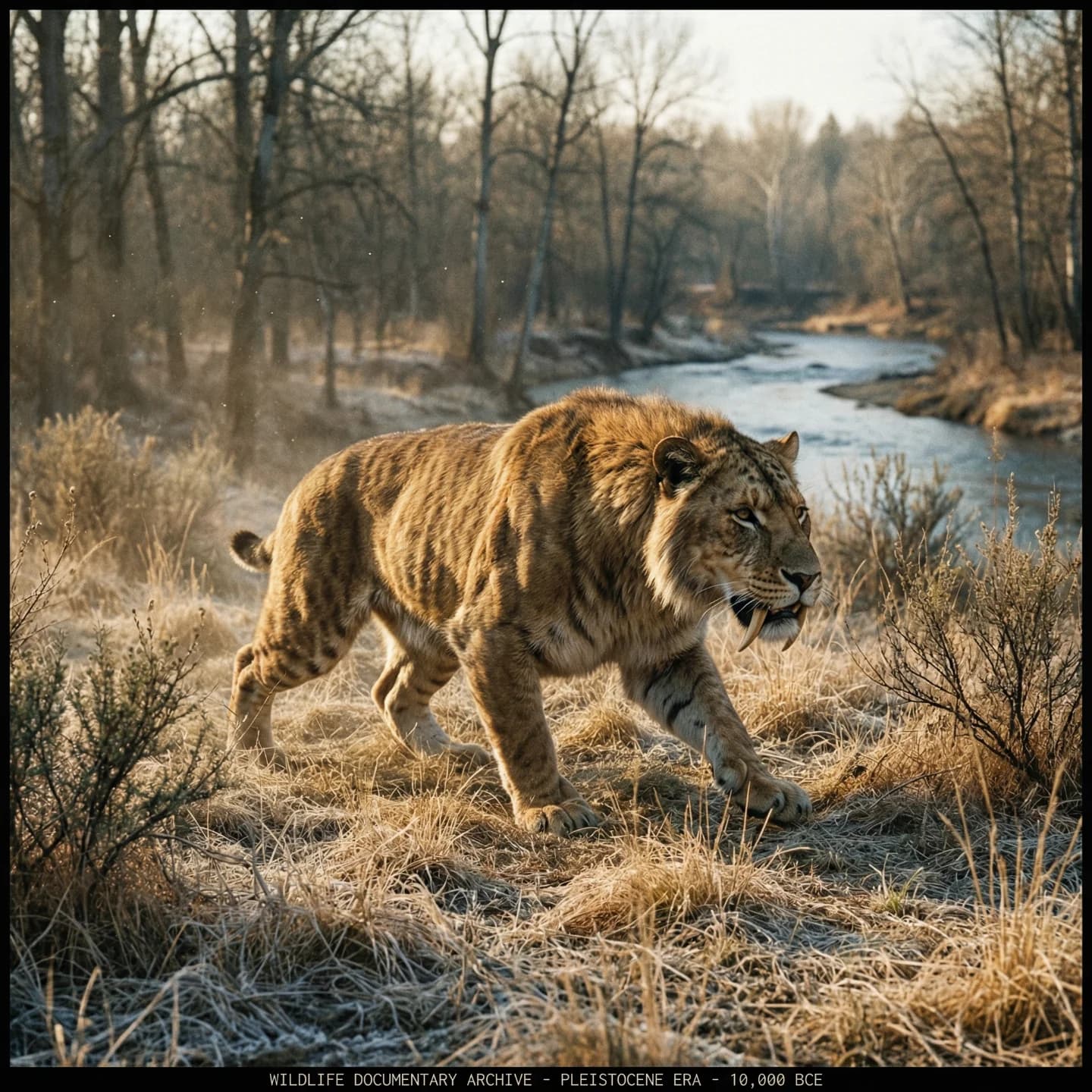
Smilodon Lund, 1842 is an extinct genus of felids belonging to the subfamily Machairodontinae (saber-toothed cats), tribe Smilodontini, within the order Carnivora, family Felidae. It is one of the most iconic prehistoric mammals and the best-known saber-toothed predator. The generic name derives from Ancient Greek σμίλη (smilē, 'scalpel' or 'two-edged knife') and ὀδούς (odoús, 'tooth'), meaning 'knife tooth.' The genus was named in 1842 by Danish naturalist Peter Wilhelm Lund based on fossils collected from calcareous caves near Lagoa Santa, Minas Gerais, Brazil, with the type species Smilodon populator — the species name meaning 'the destroyer.'
Smilodon lived in the Americas from the Pleistocene (approximately 2.5 million years ago) through the early Holocene (as late as approximately 8,200 years ago). Three valid species are currently recognized: S. gracilis (the earliest and smallest), S. fatalis (medium-sized, primarily distributed in North America), and S. populator (the largest, primarily in South America). S. populator was among the largest known felids, with estimated body masses of 220–436 kg and upper canines reaching approximately 28 cm in length. The La Brea Tar Pits in Los Angeles, California, have yielded over 130,000 fossil specimens representing more than 2,000 individual S. fatalis, making Smilodon one of the most abundantly represented large carnivorous mammals in the fossil record.
Crucially, Smilodon is not a dinosaur but a Cenozoic mammal. The Machairodontinae constitute an extinct subfamily within Felidae that diverged from the lineage leading to modern cats approximately 20 million years ago. The popular name 'saber-toothed tiger' is a misnomer: Smilodon is not closely related to tigers (Panthera tigris) or any other extant felid. Smilodon's enormous canines, powerfully built body, shortened lumbar region and tail, and robust forelimbs all reflect a specialized predatory strategy adapted for ambushing and subduing large herbivores through precision killing bites.
Overview
Name and Etymology
The generic name Smilodon derives from Ancient Greek σμίλη (smilē, 'scalpel' or 'two-edged knife') and ὀδόντος (odóntos, genitive of 'tooth'). Lund coined the name in 1842 based on the shape of the incisors; the famous enlarged upper canines were not known until 1846. The type species epithet populator means 'the destroyer.' S. fatalis, named by Joseph Leidy in 1869, means 'deadly,' while S. gracilis, named by Edward Drinker Cope in 1880, refers to its slender build.
Taxonomic Status
Three species are currently considered valid: S. gracilis Cope, 1880; S. fatalis (Leidy, 1869); and S. populator Lund, 1842. Numerous taxa previously described from South America — including S. ensenadensis, S. bonaerensis, and Smilodontidion riggii — are now regarded as junior synonyms of S. populator (Antón, 2013). North American forms such as S. californicus and S. nebraskensis are likewise synonymized with S. fatalis, although Babiarz et al. (2018) have suggested that the La Brea specimens (S. californicus) may represent a distinct species.
One-Line Summary
The iconic apex predator of Pleistocene Americas, armed with upper canines up to 28 cm long and a powerfully built body adapted for ambush-hunting large herbivores.
Stratigraphy, Age, and Depositional Environment
Temporal Range
The temporal range of Smilodon spans approximately 2.5 million years ago (early Pleistocene) to approximately 8,200 years ago (early Holocene). Ranges by species are as follows:
| Species | Temporal Range | Land Mammal Age |
|---|---|---|
| S. gracilis | ca. 2.5 Ma – 0.5 Ma | Early Blancan to Irvingtonian (NALMA) |
| S. fatalis | ca. 1.6 Ma – 10 ka | Late Irvingtonian to Rancholabrean (NALMA) |
| S. populator | ca. 1.0 Ma – 10 ka | Ensenadan to Lujanian (SALMA) |
Formations and Lithology
Smilodon fossils occur in a wide range of depositional settings. The type locality — the Lagoa Santa limestone caves of Minas Gerais, Brazil — consists of calcareous cave sediments. The La Brea Tar Pits represent asphalt seep deposits of Late Pleistocene age. In Argentina, Smilodon is recovered from the Miramar Formation (Middle Pleistocene; loess and paleosols), the Luján Formation (Late Pleistocene; alluvial mudstones and sandstones), and related units. In Uruguay, the Sopas Formation (Late Pleistocene; fluvial deposits) and the Dolores Formation have yielded specimens, including a recently described S. fatalis skull representing the first extra-Andean South American record of this species (Manzuetti et al., 2025).
Paleoenvironment
Based on associated fauna and sedimentological analysis, Smilodon likely inhabited primarily closed forest and bushland environments suited to ambush predation. Stable isotope analysis (δ13C, δ15N) of S. fatalis from La Brea indicates a preference for forest-dwelling prey such as deer, tapirs, and woodland-browsing bison, in contrast to the contemporary dire wolf (Canis dirus), which preferentially took prey from open grassland environments (DeSantis et al., 2019). S. populator, however, may also have hunted in more open habitats.
Specimens and Diagnostic Characters
Holotype and Key Specimens
The type material of S. populator consists of fragmentary cheek teeth, incisors, and foot bones collected by Lund from the Lagoa Santa caves during the 1830s–1840s. These specimens are housed in the Zoological Museum, Copenhagen. The holotype of S. fatalis is a maxilla fragment with a molar discovered in a petroleum bed in Hardin County, Texas (Leidy, 1869); Berta (1985) noted the inadequacy of this specimen as a type. By far the most extensive material belongs to S. fatalis from the La Brea Tar Pits, comprising over 2,000 individuals and more than 130,000 individual bones.
Diagnostic Characters
Smilodon is distinguished from other machairodontines by the following combination of features: extremely elongated, laterally compressed upper canines with fine anterior and posterior serrations; a short, broad rostrum; deep and widely arched zygomatic arches; a prominent sagittal crest; a mandibular flange on each side of the anterior mandible; large, sharp, forward-inclined upper incisors; a reduced lumbar region and shortened tail; and broad, robust limbs.
Limitations of the Material
S. gracilis is known from far fewer and less complete specimens than the other two species, and has historically been placed in genera such as Megantereon and Ischyrosmilus. The holotype of S. fatalis is extremely fragmentary, contributing to ongoing taxonomic ambiguity.
Morphology and Functional Anatomy
Body Size
Smilodon was comparable in dimensions to modern big cats but significantly more robustly built. Body mass estimates from Christiansen & Harris (2005), based on 36 postcranial regression equations, are summarized below:
| Species | Mass Range | Shoulder Height | Body Length |
|---|---|---|---|
| S. gracilis | 55–100 kg | ca. 79 cm | ca. 1.5 m (estimated) |
| S. fatalis | 160–280 kg | ca. 100 cm | ca. 175 cm |
| S. populator | 220–436 kg | ca. 120 cm | ca. 230 cm (estimated) |
For S. populator, a particularly large skull from Uruguay measuring 39.2 cm (MNHN-P 957) yielded a mass estimate of 436 kg (Manzuetti et al., 2020), while Sorkin (2008) proposed a maximum of up to 470 kg. The smallest known histologically adult S. populator specimen (MCC-868V) weighed only 157–171 kg.
Upper Canines
The most iconic feature of Smilodon is its upper canines. In S. populator, these reached approximately 28 cm (including root), the longest known for any saber-toothed cat (Turner, 1997). The canines were laterally flattened with fine serrations along the anterior and posterior edges but were extremely vulnerable to lateral loading. They could not bite into bone; instead, the animal would have fully immobilized prey with its powerful forelimbs before delivering precise, penetrating bites to soft tissues such as the throat (Slater & Van Valkenburgh, 2008).
Jaw Gape and Bite Force
Smilodon could open its mouth to approximately 120–130 degrees, nearly double the gape of modern cats (approximately 65 degrees). Paradoxically, its bite force from jaw muscles alone was relatively weak for its size. Finite element analysis (FEA) studies show that the jaw musculature of S. fatalis produced a bite force comparable to that of a jaguar — roughly one-third of what would be expected for its body mass. However, when powerful neck muscles were engaged in a head-depressing action, effective bite force increased substantially to approximately 2,000 N (Wroe et al., 2005; McHenry et al., 2007). This indicates that Smilodon employed a unique killing mechanism using coordinated action of neck muscles and forelimbs rather than jaw muscles alone.
Limbs and Locomotion
Smilodon had forelimbs that were proportionally longer and far more robust than its hindlimbs, with massive metapodials. This morphology was optimized for grappling and pinning prey. The lumbar region and tail were shortened, and the hindlimbs were relatively short, indicating poor suitability for sustained pursuit. Smilodon was almost certainly an ambush predator (Antón, 2013).
Cranial Morphology
The skull featured a short, broad rostrum, deep and widely arched zygomatic arches, and a prominent sagittal crest. S. populator had a more elongated and narrow skull compared to S. fatalis, with a straighter dorsal profile, higher-positioned nasal bones, a more vertical occiput, and more massive metapodials and slightly longer forelimbs relative to hindlimbs (Kurtén & Werdelin, 1990).
Diet and Ecology
Dietary Evidence
Smilodon was an obligate carnivore that preyed on large herbivores. Stable isotope analyses (δ13C, δ15N) of S. fatalis from Rancho La Brea indicate a preference for forest-dwelling prey such as deer, tapirs, and forest-browsing bison (DeSantis et al., 2019). Dental microwear texture analysis (DMTA) confirms that Smilodon did not consume bone, consistent with the fragility of its canines (DeSantis & Haupt, 2014). Isotopic data for S. populator suggest a broader prey spectrum, including armored taxa and prey from both forested and more open environments (DeSantis et al., 2021).
Ecological Niche and Food Web
Smilodon occupied the apex predator niche in Pleistocene American ecosystems. In North America, prey included bison (Bison), camels (Camelops), horses (Equus), and deer. In South America, following the Great American Biotic Interchange, Smilodon also preyed on endemic taxa such as Macrauchenia, giant ground sloths (Megatheriidae), and Toxodon. Contemporaneous competing predators included the dire wolf (Canis dirus), the American lion (Panthera atrox), the scimitar-toothed cat (Homotherium serum), and the giant short-faced bear (Arctodus simus).
Social Behavior: An Unresolved Debate
Whether Smilodon was social or solitary remains one of the most enduring debates in saber-toothed cat paleobiology. Carbone et al. (2009) argued that the high abundance of S. fatalis at the La Brea tar seeps matched a model of social predators attracted to distress calls of trapped prey. Conversely, Gonyea (1976) and Christiansen (2013) pointed to the relatively small brain size and morphological parallels with solitary modern felids as evidence for a solitary lifestyle. Pathological evidence — healed injuries and bone diseases in La Brea specimens — suggests some degree of conspecific care after injury, but this does not unequivocally demonstrate pack hunting. The question remains open.
Distribution and Paleogeography
Geographic Range
S. gracilis and S. fatalis are primarily recorded from North America — including California, Texas, Florida, Pennsylvania, and many other U.S. states — with some northwestern South American records. S. populator is distributed across eastern South America: Brazil, Argentina, Uruguay, Venezuela, Chile, and other regions. Smilodon fossils are also reported from Central America and Mexico.
Paleogeographic Context
The distribution of Smilodon is intimately linked to the Great American Biotic Interchange. The ancestor of Smilodon, Megantereon, entered North America from Eurasia during the Pliocene. S. gracilis subsequently crossed the Panamanian land bridge into South America during the Early Pleistocene (Rincón et al., 2011). S. populator evolved to large body size independently within South America. A recently described S. fatalis skull from the Dolores Formation of Uruguay raises the possibility of sympatry between S. fatalis and S. populator in the extra-Andean region of South America (Manzuetti et al., 2025).
Phylogeny and Taxonomic Debates
Recent Phylogenetic Analyses
Christiansen (2013) conducted the first comprehensive morphological phylogenetic analysis of the Machairodontinae, based on 50 craniomandibular and dental characters. This analysis did not recover the traditional Smilodontini (Promegantereon → Megantereon → Smilodon) as monophyletic. However, mitochondrial DNA analysis (Paijmans et al., 2017) estimated that the Smilodon and Homotherium lineages diverged approximately 18 million years ago, and both diverged from the lineage leading to living cats approximately 20 million years ago.
Derivation from S. gracilis
Both S. fatalis and S. populator are thought to have descended from S. gracilis, which itself probably evolved from the Eurasian-origin genus Megantereon (Antón, 2013). Late Irvingtonian specimens of S. gracilis tend to be larger on average than earlier ones, suggesting a gradual size increase that may have led to the evolution of S. fatalis.
Molecular Phylogenetic Placement
A 1992 ancient DNA study suggested that Smilodon should be grouped with modern cats (Felinae + Pantherinae). Subsequent studies by Barnett et al. (2005) and others (2006) confirmed that the Machairodontinae represent a separate lineage that diverged early from the ancestors of all living cats, reinforcing the phylogenetic inaccuracy of the name 'saber-toothed tiger.'
Restoration and Uncertainties
Confirmed Facts
It is firmly established that Smilodon was a large carnivorous felid mammal, that three species are recognized, and that it ranged across the Americas during the Pleistocene to early Holocene. The anatomy of the elongated, laterally compressed upper canines and their vulnerability to lateral stress is well documented, as is the extraordinary abundance of S. fatalis fossils at the La Brea Tar Pits.
Well-Supported Hypotheses
An ambush predation strategy, a killing method involving prey immobilization with the forelimbs followed by precision canine bites to soft throat tissues, and a preference for closed forest/bushland habitats are all supported by multiple independent lines of evidence (morphology, stable isotopes, FEA).
Unresolved Questions
Sociality (gregarious versus solitary), the exact coat pattern (plain or spotted), the precise cause of extinction (relative contributions of climate change, human activity, and prey decline), and the species-level validity of S. californicus all remain matters of active debate.
Popular Media vs. Science
In popular media, Smilodon is frequently referred to as a 'saber-toothed tiger' and depicted as an agile pursuit predator similar to a tiger. Scientifically, Smilodon was not closely related to tigers and its robust build with shortened lumbar region and tail was adapted for ambush rather than pursuit. Its relatively weak jaw bite force also contrasts with common depictions.
Comparative Table: Smilodon and Contemporary Predators
| Taxon | Temporal Range | Distribution | Estimated Mass | Upper Canine Characters |
|---|---|---|---|---|
| S. fatalis | ca. 1.6 Ma – 10 ka | Primarily North America | 160–280 kg | Long, slender, fine serrations, up to ca. 18 cm |
| S. populator | ca. 1.0 Ma – 10 ka | Eastern South America | 220–436 kg | Longest known, up to ca. 28 cm |
| Homotherium serum | Pleistocene | North America, Eurasia | 150–230 kg | Short, broad, coarse serrations (scimitar-type) |
| Panthera atrox | ca. 340 ka – 11 ka | North America | 250–350 kg | Standard pantherinae canines (short) |
| Megantereon | Pliocene – Early Pleistocene | Africa, Eurasia, North America | ca. 60–90 kg | Long, slender (precursor to Smilodon type) |
Smilodon and Homotherium were the last two surviving machairodontine genera, coexisting in the Americas through the Late Pleistocene. Homotherium possessed longer limbs and shorter, broader canines adapted for cursorial predation, whereas Smilodon had a more robust build and longer canines suited to ambush predation (DeSantis et al., 2021).
Extinction
Smilodon disappeared as part of the end-Pleistocene megafaunal extinction event, approximately 13,000–9,000 years ago, with the latest confirmed records dating to approximately 8,200 years ago. The extinction is attributed to a combination of climate-driven habitat turnover (especially the loss of closed forest environments), the decline of megafaunal prey species, and the possible indirect effects of the arrival of Paleo-Indian human populations in the Americas. DeSantis et al. (2012) demonstrated through DMTA analysis that S. fatalis at La Brea showed no signs of increased carcass utilization (i.e., no evidence of starvation) in the period immediately preceding extinction, indicating that simple prey scarcity alone cannot explain the disappearance of this apex predator.
Fun Facts
FAQ
📚References
- Lund, P. W. (1842). Blik paa Brasiliens dyreverden fŏr sidste jordomvæltning. Fjerde afhandling: fortsættelse af pattedyrene. Det Kongelige Danske Videnskabernes Selskabs Skrifter, 9, 137–208.
- Antón, M. (2013). Sabertooth. Indiana University Press. ISBN 978-0253010421.
- Christiansen, P. & Harris, J. M. (2005). Body size of Smilodon (Mammalia: Felidae). Journal of Morphology, 266(3), 369–384. https://doi.org/10.1002/jmor.10384
- Berta, A. (1985). The status of Smilodon in North and South America. Contributions in Science, Natural History Museum of Los Angeles County, 370, 1–15.
- Kurtén, B. & Werdelin, L. (1990). Relationships between North and South American Smilodon. Journal of Vertebrate Paleontology, 10(2), 158–169.
- Christiansen, P. (2013). Phylogeny of the sabertoothed felids (Carnivora: Felidae: Machairodontinae). Cladistics, 29(5), 543–559. https://doi.org/10.1111/cla.12008
- Paijmans, J. L. A., Barnett, R., Gilbert, M. T. P., Zepeda-Mendoza, M. L., Reumer, J. W. F., de Vos, J., ... & Hofreiter, M. (2017). Evolutionary history of saber-toothed cats based on ancient mitogenomics. Current Biology, 27(21), 3330–3336.e5. https://doi.org/10.1016/j.cub.2017.09.033
- Wroe, S., McHenry, C., & Thomason, J. (2005). Bite club: comparative bite force in big biting mammals and the prediction of predatory behaviour in fossil taxa. Proceedings of the Royal Society B, 272(1563), 619–625. https://doi.org/10.1098/rspb.2004.2986
- Slater, G. J. & Van Valkenburgh, B. (2008). Long in the tooth: evolution of sabertooth cat cranial shape. Paleobiology, 34(3), 403–419. https://doi.org/10.1666/07061.1
- DeSantis, L. R. G., Schubert, B. W., Scott, J. R., & Ungar, P. S. (2012). Implications of diet for the extinction of saber-toothed cats and American lions. PLoS ONE, 7(12), e52453. https://doi.org/10.1371/journal.pone.0052453
- Carbone, C., Maddox, T., Funston, P. J., Mills, M. G. L., Grether, G. F., & Van Valkenburgh, B. (2009). Parallels between playbacks and Pleistocene tar seeps suggest sociality in an extinct sabretooth cat, Smilodon. Biology Letters, 5(1), 81–85. https://doi.org/10.1098/rsbl.2008.0526
- Rincón, A. D., Prevosti, F. J., & Parra, G. E. (2011). New saber-toothed cat records (Felidae: Machairodontinae) for the Pleistocene of Venezuela, and the Great American Biotic Interchange. Journal of Vertebrate Paleontology, 31(2), 468–478. https://doi.org/10.1080/02724634.2011.550366
- Manzuetti, A., Perea, D., Jones, W., Ubilla, M., & Rinderknecht, A. (2020). An extremely large saber-tooth cat skull from Uruguay (late Pleistocene–early Holocene of South America): body size and paleobiological implications. Alcheringa, 44(2), 332–339. https://doi.org/10.1080/03115518.2019.1701081
- Turner, A. (1997). The Big Cats and their Fossil Relatives. Columbia University Press.
- DeSantis, L. R. G., Feranec, R. S., & MacFadden, B. J. (2009). Effects of global warming on ancient mammalian communities and their environments. PLoS ONE, 4(6), e5750.
- DeSantis, L. R. G., Haupt, R. J., Friedman, A., & Tseng, Z. J. (2021). Dietary ecology of the scimitar-toothed cat Homotherium serum. Current Biology, 31(12), 2674–2681.e3. https://doi.org/10.1016/j.cub.2021.03.061
- Manzuetti, A., Perea, D., Ubilla, M., & Rinderknecht, A. (2025). The sabre-toothed cat Smilodon fatalis (Leidy, 1868) (Felidae: Machairodontinae) in the extra-Andean region of South America. Canadian Journal of Earth Sciences, 62(7), 1304–1314.
- Sorkin, B. (2008). A biomechanical constraint on body mass in terrestrial mammalian predators. Lethaia, 41(4), 333–347. https://doi.org/10.1111/j.1502-3931.2007.00091.x
Gallery
2 images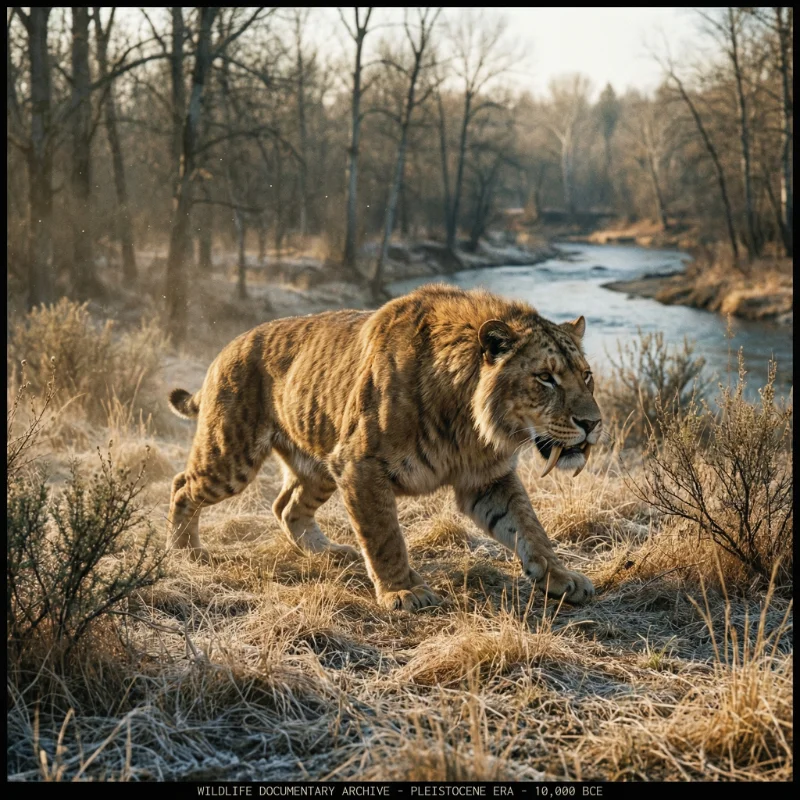 Smilodon
Smilodon · Cenozoic Era · Carnivore
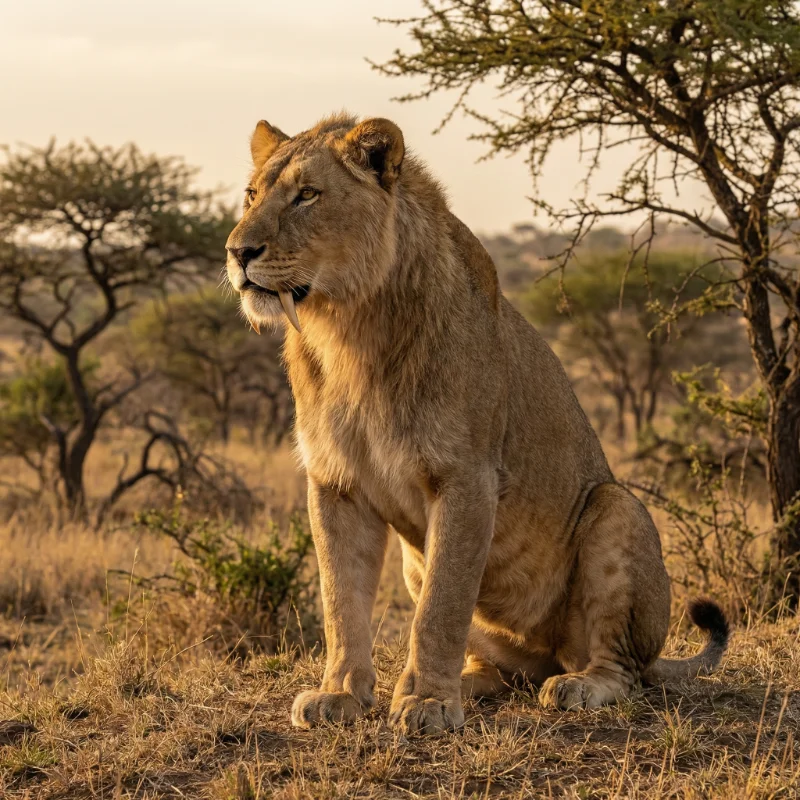 Smilodon
Smilodon · Cenozoic Era · Carnivore
🔗Related Creatures
Deinotherium
Deinotherium giganteum
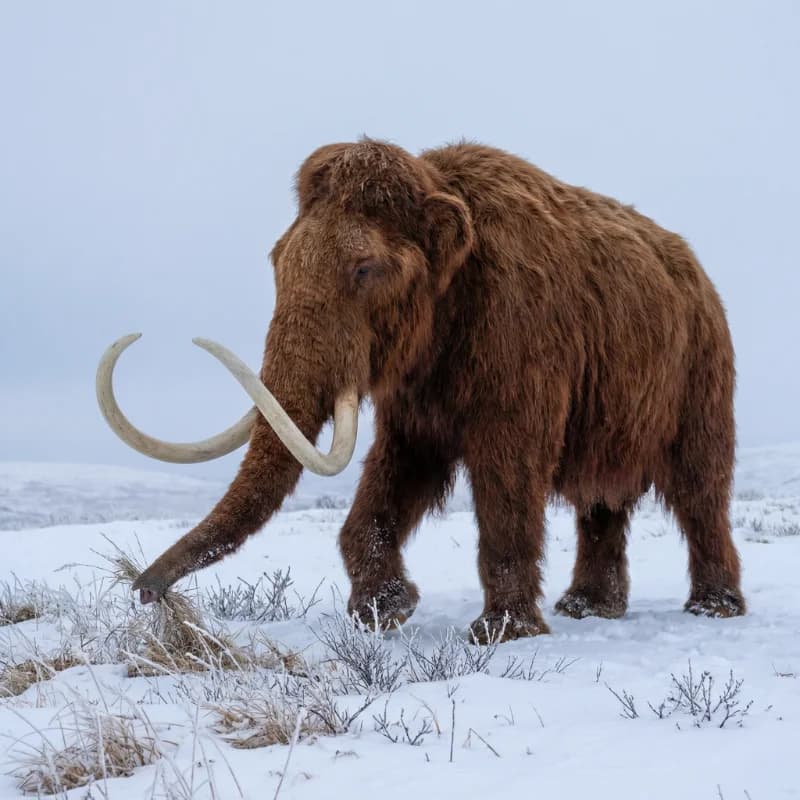
Woolly Mammoth
Mammuthus primigenius
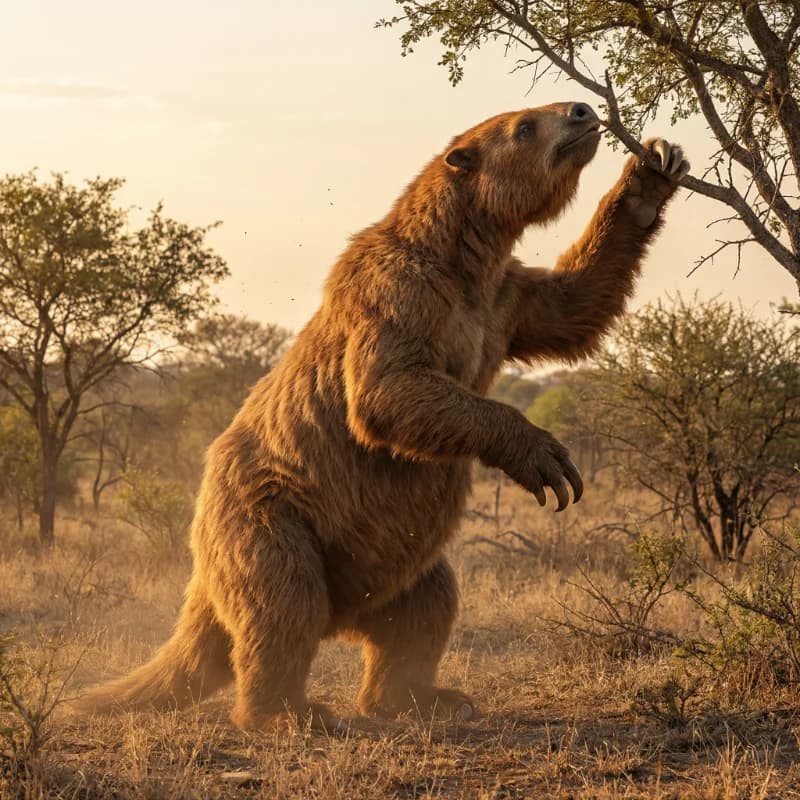
Megatherium
Megatherium americanum
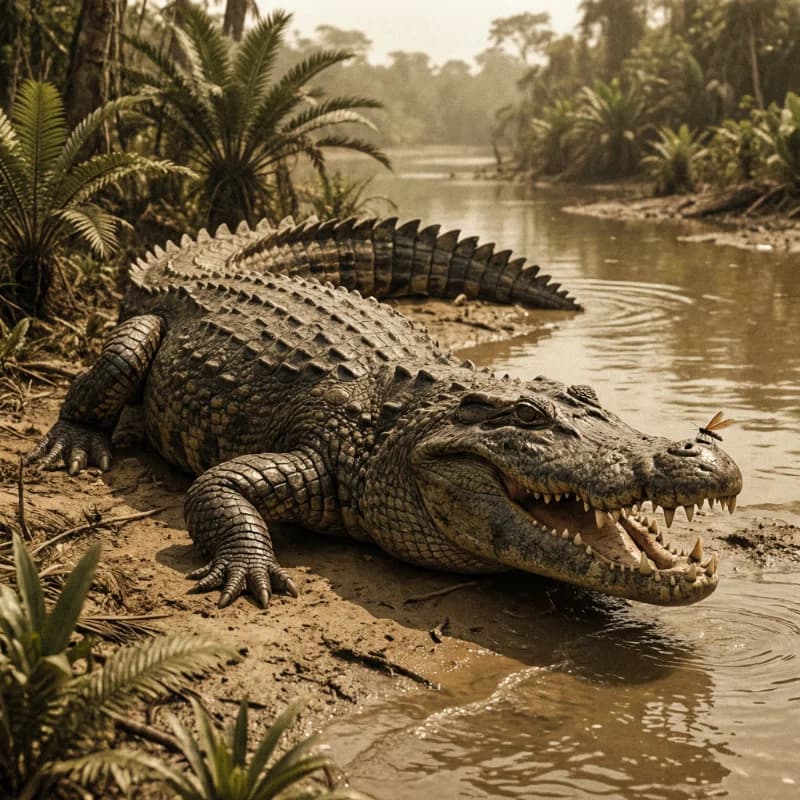
Purussaurus
Purussaurus
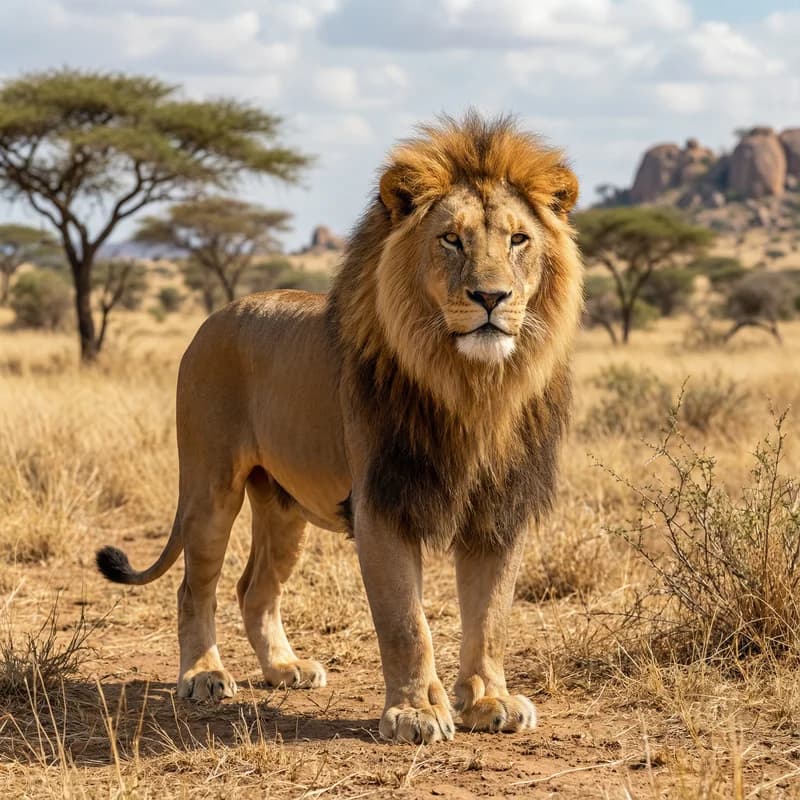
Lion
Panthera leo
Sinraptor
Sinraptor dongi
Calsoyasuchus
Calsoyasuchus valliceps

Velociraptor
Velociraptor mongoliensis