Woolly Mammoth
Cenozoic Era Herbivore Creature Type
Mammuthus primigenius
Scientific Name: "Mammuthus (from Mansi māŋ-ont, 'earth-horn', via Russian) + primigenius (Latin, 'first-born') — 'the first-born elephant'"
Local Name: Mammoth
Physical Characteristics
Discovery
Habitat
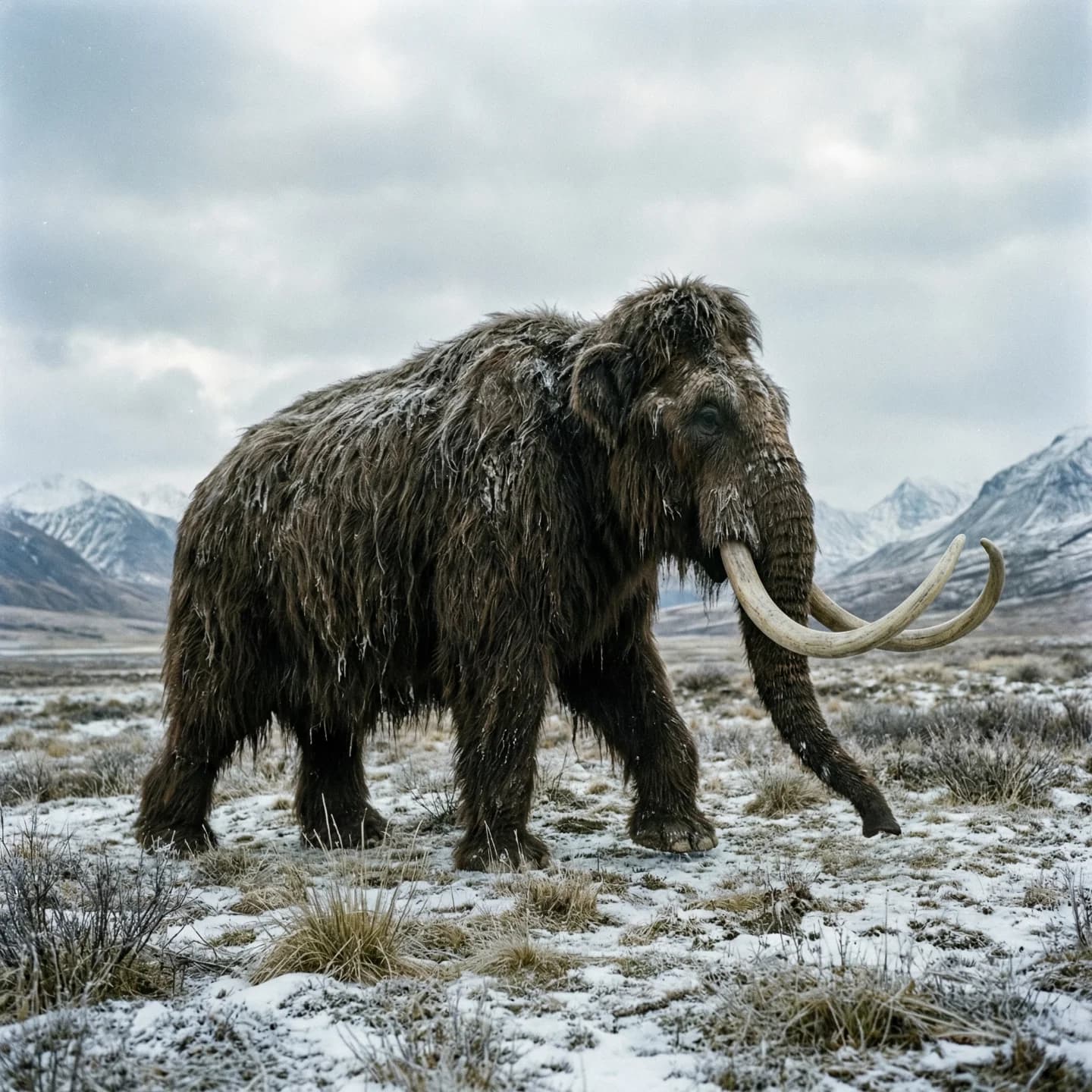
The woolly mammoth (Mammuthus primigenius Blumenbach, 1799) is an extinct species of the family Elephantidae (order Proboscidea) that lived from the Middle Pleistocene (ca. 400,000 years ago) to the early Holocene (ca. 4,000 years ago). It diverged from the steppe mammoth (M. trogontherii) in Siberia and was the last in the main mammoth lineage, which originated with Mammuthus subplanifrons in Africa during the early Pliocene. Its closest living relative is the Asian elephant (Elephas maximus), from which the mammoth lineage diverged approximately 5.8–7.8 million years ago (Rohland et al., 2010).
The woolly mammoth was not a dinosaur — it was a Cenozoic mammal. It lived tens of millions of years after the non-avian dinosaurs went extinct at the end of the Cretaceous (ca. 66 Ma). The species epithet primigenius is Latin for 'first-born', and the name was coined by the German anatomist Johann Friedrich Blumenbach in 1799, originally as Elephas primigenius, based on molar specimens from Siberia. The species was later transferred to the genus Mammuthus (Brookes, 1828).
The woolly mammoth is among the best-understood of all prehistoric animals, thanks to the remarkable preservation of frozen carcasses in Siberian and Alaskan permafrost, abundant skeletal remains, preserved stomach contents and dung, and vivid depictions in Palaeolithic cave art. Average male shoulder height was approximately 2.8–3.15 m, with body mass of 4.5–6 t; females were smaller, standing 2.3–2.6 m and weighing 2.8–4 t (Larramendi, 2016). Body length (excluding trunk) ranged from about 2.8 to 4.5 m. The largest recorded individual, the Siegsdorf specimen from Germany, had an estimated shoulder height of 3.49 m and body mass of 8.2 t. Its habitat was the vast 'mammoth steppe', a cold, dry grassland-tundra biome stretching across northern Eurasia and North America.
Overview
Name and etymology
The genus name Mammuthus derives from the word 'mammoth', whose etymology is debated. According to the Oxford English Dictionary, it likely comes from the old Mansi (Vogul) word māŋ-ont, meaning 'earth-horn', reflecting the belief that these buried remains belonged to a burrowing creature. Alternative etymologies include Estonian maa ('earth') + mutt ('mole'). The word first appeared in European languages in the early 17th century in reference to tusks discovered in Siberia. The species epithet primigenius means 'first-born' in Latin; Blumenbach named it Elephas primigenius ('the first-born elephant') in 1799.
The English adjective 'mammoth' (meaning 'enormous') was popularised partly through U.S. President Thomas Jefferson, with the first recorded adjectival use in 1802 describing a massive wheel of cheese (the 'Cheshire Mammoth Cheese') presented to him.
Taxonomic status
Blumenbach (1799) described the species as Elephas primigenius, placing it alongside the Asian elephant. Cuvier independently named it Elephas mammonteus the same year, but Blumenbach's name has priority. In 1828, British naturalist Joshua Brookes coined the genus Mammuthus with the name Mammuthus borealis. Osborn's posthumous 1942 monograph used Mammonteus, but since the 1970s, all mammoth species have been consolidated under Mammuthus.
Because holotype designation was not practised in Blumenbach's era, Osborn (1942) selected two molars from Blumenbach's collection at Göttingen University (one from Siberia, one from Osterode) as the lectotype and paralectotype. The lectotype molar was believed lost, and in 1990 Garutt et al. proposed the more complete 'Taimyr mammoth' skeleton (excavated in 1948 on the Taimyr Peninsula, Siberia) as the neotype. The paralectotype molar (specimen GZG.V.010.018) was later rediscovered in the Göttingen University collection.
Key summary
The woolly mammoth was the last mammoth species to survive, persisting into the Holocene, and is the most thoroughly documented prehistoric animal thanks to frozen carcasses, cave art, and abundant fossil remains.
Geochronology, stratigraphy, and palaeoenvironment
Temporal range
The woolly mammoth's temporal range extends from the Middle Pleistocene (ca. 0.4 Ma) to the early Holocene (ca. 0.0037 Ma / ~3,700 years BP). It diverged from the steppe mammoth (M. trogontherii) approximately 400,000 years ago in Siberia, marked by an increase in molar enamel plate count to around 26 (Lister & Sher, 2001). The species entered North America approximately 100,000 years ago via the Bering Land Bridge.
Mainland populations in Siberia persisted until about 10,000 years ago. Two isolated island populations survived longer: on St. Paul Island (Alaska) until about 5,600 years ago (Graham et al., 2016) and on Wrangel Island (Russian Arctic) until about 4,000 years ago (Palkopoulou et al., 2024).
Geological deposits and lithology
Woolly mammoth fossils are not confined to a single geological formation; they occur across a wide range of Pleistocene–Holocene deposits throughout the Northern Hemisphere. The principal lithologies include permafrost sediments (frozen silt and clay), loess (aeolian wind-blown silt), alluvial gravel and sand (fluvial deposits), peat layers, and cave deposits. The most numerous frozen carcasses come from the Yana, Indigirka, and Lena river basins of Siberia. European fossils are found in loess and alluvial sediments in Germany, the UK, Poland, and elsewhere. North American finds concentrate in Alaskan and Yukon permafrost and alluvium.
Palaeoenvironment
The woolly mammoth's primary habitat was the 'mammoth steppe', a unique biome with no exact modern analogue, characterised by cold, dry conditions and an open landscape dominated by grasses (Poaceae) and sedges (Cyperaceae). Pollen analysis, associated fauna (steppe bison, woolly rhinoceros, cave lion, cave bear, reindeer, horses, saiga antelope), and stable isotope data all support this reconstruction. The mammoth steppe covered vast areas of Eurasia and North America during glacial periods. Low precipitation and cold temperatures, combined with the grazing activity of megaherbivores like mammoths, are thought to have maintained this grassland ecosystem (Zimov et al., 2012).
Specimens and diagnostic characters
Lectotype and neotype
Since holotype designation was not standard practice in 1799, Osborn (1942) designated two molars from Blumenbach's Göttingen University collection as the lectotype (Siberian molar) and paralectotype (Osterode molar). Soviet palaeontologist Vera Gromova further endorsed this designation. By the 1980s both molars were thought lost, and Garutt et al. (1990) proposed the 'Taimyr mammoth' — a complete skeleton excavated in 1948 on the Taimyr Peninsula — as the neotype. The paralectotype (specimen GZG.V.010.018) was subsequently rediscovered in the Göttingen collection by comparison with Osborn's published illustrations of a cast.
Diagnostic characters
Key features distinguishing the woolly mammoth from other Mammuthus species include: approximately 26 enamel lamellar plates per molar (compared to 18–20 in the steppe mammoth), reflecting adaptation to highly abrasive grass diets; a skull that is short anteroposteriorly and tall dorsoventrally, with a single-domed cranium; spinous processes of the thoracic vertebrae decreasing in length from anterior to posterior, producing a high shoulder hump and sloping dorsal profile; and strongly spirally curved tusks reaching up to approximately 4.2 m in length.
Notable specimens
| Specimen | Year found | Locality | Significance |
|---|---|---|---|
| Adams mammoth | 1799 | Lena River delta, Siberia | First scientifically excavated near-complete skeleton |
| Berezovka mammoth | 1900 | Berezovka River, Siberia | Preserved stomach contents; partial soft tissue |
| Dima | 1977 | Kolyma River, Siberia | Frozen calf (~6–12 months); among earliest well-preserved juvenile finds |
| Lyuba | 2007 | Yamal Peninsula, Siberia | ~30–35-day-old female calf; most complete frozen mammoth (ca. 41,800 14C yr BP) |
| Yuka | 2010 | Yakutia, Siberia | Best-preserved carcass overall; trunk tip anatomy described |
| Siegsdorf mammoth | — | Bavaria, Germany | Largest European specimen, est. shoulder height ~3.49 m |
Specimen limitations
Frozen carcasses with soft tissue are heavily biased towards Siberian and Alaskan permafrost regions. In non-permafrost areas (Western/Southern Europe, East Asian interior), remains are limited to skeletal elements, teeth, and tusks, providing less information on external appearance and internal anatomy.
Morphology and functional anatomy
Body size
Using the Graphic Double Integration (GDI) volumetric method, Larramendi (2016) estimated average male shoulder height at 2.8–3.15 m, with body mass of 4.5–6 t. Females were smaller, at 2.3–2.6 m shoulder height and 2.8–4 t. Body length (excluding trunk) was approximately 2.8–4.5 m. Significant regional size variation existed: Western European males averaged 2.99–3.31 m tall and 5.2–6.9 t, while Siberian males averaged 2.66–2.94 m and 3.9–5.2 t. The Siegsdorf specimen, the largest recorded, had an estimated shoulder height of 3.49 m and body mass of 8.2 t. A newborn calf weighed approximately 90 kg. This size is comparable to the modern African bush elephant but considerably smaller than M. meridionalis, M. trogontherii, and M. columbi.
Cold adaptations
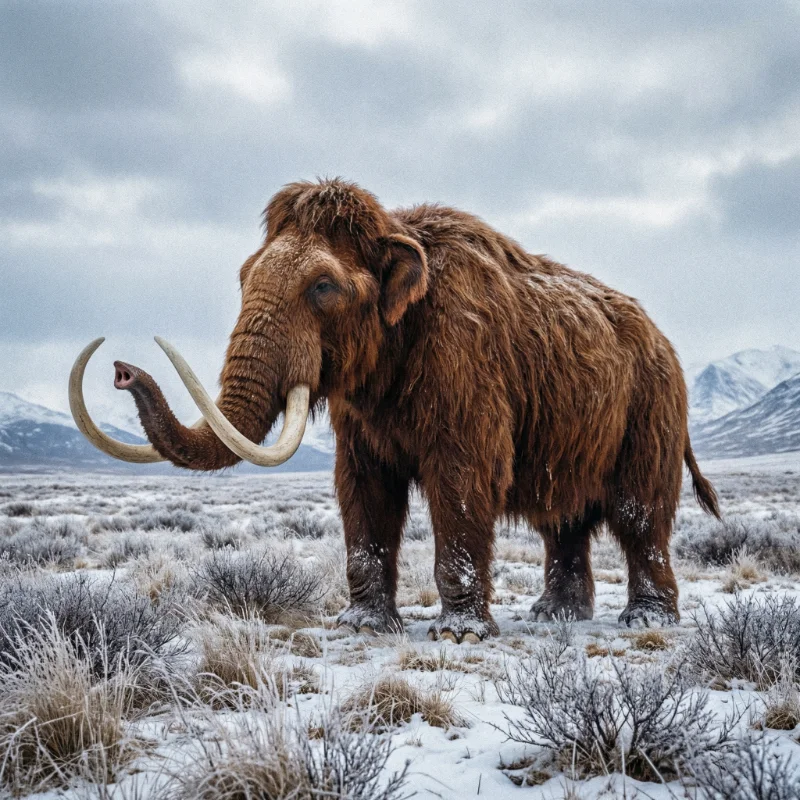
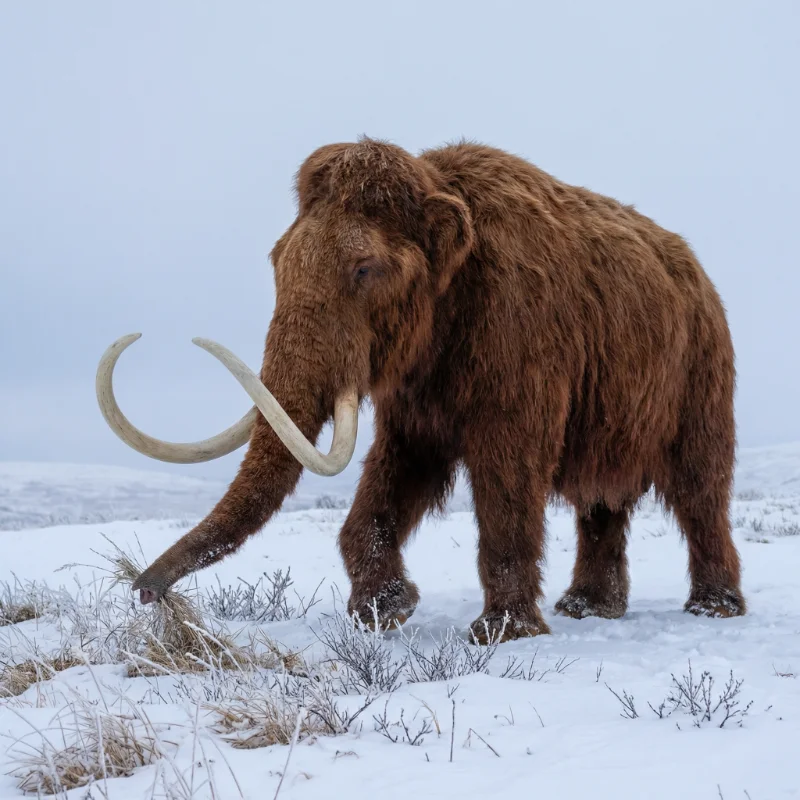
The woolly mammoth's most iconic feature was its dense double-layered coat. The outer layer consisted of long guard hairs — about 30 cm on the upper body and up to 90 cm on the flanks and underside — while the inner layer comprised shorter, slightly curly under-wool up to 8 cm long. Coarse tail hairs reached up to 60 cm. Seasonal moulting likely occurred, with the heaviest coat shed in spring.
Ears were dramatically reduced compared to modern elephants (approximately 38 cm long, 18–28 cm wide), minimising heat loss and frostbite risk. The tail was correspondingly short (approximately 36 cm, with only 21 vertebrae versus 28–33 in modern elephants). A subcutaneous fat layer up to 10 cm thick provided additional insulation.
Trunk and tusks
The adult trunk was approximately 2 m long. The trunk tip had a distinctive asymmetric structure: the upper 'finger' lobe was about 10 cm long and pointed, while the lower 'thumb' was about 5 cm and broader, adapted for manipulating objects and gathering food. In the juvenile specimen Yuka, a fleshy ellipsoidal expansion was identified about one-third above the tip, confirmed as a species-specific trait present in specimens of different sexes and ages (Gheerbrant et al., 2015).
Tusks were strongly spirally curved, with the longest recorded reaching approximately 4.2 m. They were likely used to clear snow to access vegetation, strip bark, and in intraspecific combat. Molars were replaced six times over the animal's lifetime; once the final set wore out, the individual could no longer feed and would have died.
Skull and body profile
Cave paintings and frozen carcasses confirm a large, single-domed cranium, a prominent shoulder hump, and a sloping dorsal profile — features absent in juveniles, which had convex backs resembling those of Asian elephants. These characteristics developed with maturity.
Diet and ecology
Diet (evidence: stomach contents, coprolites, dental morphology, isotopes)
The most direct evidence comes from preserved stomach contents of frozen carcasses. The Berezovka mammoth's stomach contained grasses (Poaceae), sedges (Cyperaceae), and forbs. Similar plant assemblages were found in Lyuba's gastrointestinal tract. The dental morphology — high-crowned (hypsodont) molars with approximately 26 enamel plates — is adapted for grinding highly abrasive grasses.
Recent aDNA and isotope analyses indicate the diet was more varied than a simple grazer model suggests, including significant proportions of shrubs, mosses, and forbs alongside dominant grasses and sedges (van Geel et al., 2021). The woolly mammoth was therefore likely a mixed feeder rather than a strict grazer.
Ecological role and food web
The woolly mammoth was a keystone megaherbivore of the Late Pleistocene mammoth steppe. Coexisting fauna included the steppe bison (Bison priscus), woolly rhinoceros (Coelodonta antiquitatis), cave lion (Panthera spelaea), cave bear (Ursus spelaeus), cave hyena (Crocuta spelaea), reindeer (Rangifer tarandus), horses (Equus), and saiga antelope (Saiga tatarica). Predators such as the cave lion and cave hyena likely targeted juveniles and weakened individuals. Early modern humans (Homo sapiens) also hunted mammoths, as evidenced by butchery marks and mammoth-bone dwellings.
Behaviour and life history
Based on analogy with modern elephants and fossil evidence, woolly mammoths are inferred to have lived in matriarchal herds. Multiple individuals found at single sites (e.g., the Kraków-Spadzista Gravettian site, Poland) provide indirect evidence of gregarious behaviour. Lifespan may have reached approximately 60 years, based on tusk growth-ring analysis. Gestation period was likely similar to that of modern elephants (~22 months).
Distribution and palaeogeography
Geographic range
The woolly mammoth had a Holarctic distribution spanning both Eurasia and North America. In Eurasia, fossils range from Western Europe (Britain, France, Germany, Poland) to the Russian Far East. In North America, finds extend from Alaska and the Yukon to the Great Lakes region and the midwestern United States. At its maximum extent, the species' range covered approximately 33.3 million km² (Kahlke, 2015), one of the broadest distributions of any terrestrial mammal.
Palaeogeographic context
During the Last Glacial Maximum (LGM, ca. 20,000 years ago), sea-level lowering exposed the Bering Land Bridge (Beringia), connecting Eurasia and North America and enabling mammoth dispersal. As glaciers retreated during deglaciation, the mammoth steppe contracted, fragmenting populations. Relict groups became isolated on Siberian mainland refugia and offshore islands (St. Paul Island, Wrangel Island).
Phylogeny and taxonomic debate
Phylogenetic analyses
Mitochondrial and nuclear DNA analyses place the woolly mammoth as the sister taxon to the Asian elephant (Elephas maximus). The two lineages diverged approximately 5.8–7.8 Ma (Rohland et al., 2010), while African elephants (Loxodonta) diverged earlier, at approximately 6.6–8.8 Ma. Nuclear genome comparisons show 98.55–99.40% identity between the woolly mammoth and the African elephant (Miller et al., 2008), though the mammoth-Asian elephant relationship is consistently closer.
In 2021, DNA exceeding one million years in age was sequenced for the first time from two Early Pleistocene mammoth teeth in eastern Siberia. The Adycha specimen (~1.0–1.3 Ma) belonged to a lineage ancestral to later woolly mammoths, while the Krestovka specimen (~1.1–1.65 Ma) represented a distinct lineage. The study proposed that the Columbian mammoth (M. columbi) originated as a hybrid, deriving roughly half its ancestry from the Krestovka lineage and half from the woolly mammoth lineage, with hybridisation occurring more than 420,000 years ago (van der Valk et al., 2021). This represents the first evidence of hybrid speciation from ancient DNA.
Subspecies and hybridisation
Numerous subspecies have been proposed for M. primigenius — including M. p. primigenius, M. p. fraasi, M. p. sibiricus, among others — but their validity is debated. Most are now interpreted as intraspecific variation or intermediate forms within a chronospecies continuum. In North America, M. primigenius and M. columbi hybridised where their ranges overlapped, forming a metapopulation with variable morphology (Lister & Sher, 2015). The form formerly known as M. jeffersonii is likely such a hybrid.
Reconstruction and uncertainty
Confirmed, probable, and hypothetical features
Confirmed features (direct evidence from frozen carcasses and cave art) include the double-layered coat (long guard hairs + short under-wool), small ears and short tail, single-domed cranium with a shoulder hump and sloping dorsal profile, strongly spirally curved tusks, high-crowned molars with ~26 enamel plates, and a grass-sedge-dominated diet (direct stomach content evidence).
Probable features (strong inference from extant elephant analogy and indirect fossil evidence) include matriarchal herd structure, a lifespan of approximately 60 years, seasonal moulting, and a gestation period of ~22 months.
Hypothetical aspects (limited evidence, ongoing debate) include the precise extent of coat colour variation across individuals and seasons, details of vocalisation and communication, and fine-scale population sizes and social dynamics.
Popular misconceptions vs. scientific consensus
The woolly mammoth is commonly portrayed in popular media as far larger than modern elephants, but its average size was comparable to or slightly smaller than the African bush elephant. The Columbian mammoth and steppe mammoth were both substantially larger. Coat colour is frequently depicted as light brown, but chemical analysis of preserved hair suggests the original colour was likely a darker chocolate-brown, lightened by post-mortem chemical degradation.
Extinction and relict populations
The woolly mammoth's extinction is generally attributed to the combined effects of rapid climate warming during the Pleistocene–Holocene transition (~12,000–10,000 years ago) — which caused the mammoth steppe to contract — and increasing human hunting pressure. The last mainland Siberian records date to approximately 10,000 years ago.
Two isolated island populations persisted much longer. The St. Paul Island population (Alaska) went extinct approximately 5,600 years ago, likely due to declining freshwater availability as the island shrank with rising sea levels (Graham et al., 2016). The Wrangel Island population (Russian Arctic) survived until approximately 4,000 years ago (~1650 BC), maintained as a small group of 500–1,000 individuals for about 6,000 years. Genomic analysis shows they were inbred but not in immediate genetic collapse (Palkopoulou et al., 2024). The ultimate cause of the Wrangel population's extinction remains uncertain, with icing events and disease among the hypotheses.
Comparison with related and contemporary species
| Species | Scientific name | Period | Shoulder height | Est. body mass | Key features |
|---|---|---|---|---|---|
| Woolly mammoth | M. primigenius | Mid Pleistocene–Holocene | 2.7–3.49 m | 3.9–8.2 t | Dense double coat, small ears, ~26 enamel plates |
| Columbian mammoth | M. columbi | Late Pleistocene | ~3.7–4.0 m | ~9–10 t | Less hair, larger body, southern range |
| Steppe mammoth | M. trogontherii | Mid Pleistocene | ~3.9–4.5 m | ~10–14 t | Ancestor of woolly mammoth, Eurasian range |
| Asian elephant | Elephas maximus | Extant | ~2.5–3.0 m | ~3–5 t | Closest living relative of woolly mammoth |
| African elephant | Loxodonta africana | Extant | ~3.0–3.7 m | ~4–7 t | Earlier-diverging elephantid lineage |
As this comparison shows, the woolly mammoth was actually a medium-sized species within Mammuthus, comparable to the modern African bush elephant rather than exceeding it.
Cultural significance and modern de-extinction efforts
Woolly mammoths in prehistoric art
The woolly mammoth is one of the most frequently depicted animals in Palaeolithic cave art. Rouffignac Cave in the Dordogne, France (~13,000 years BP), contains over 150 mammoth engravings and drawings, earning it the nickname 'the Cave of a Hundred Mammoths'. Chauvet Cave in the Ardèche, France (~36,000 years BP), also features mammoth depictions. These artistic representations accurately show the high domed head, sloping back, shoulder hump, and long curved tusks confirmed by frozen specimens, making them invaluable for anatomical reconstruction.
De-extinction projects
As of 2025, Colossal Biosciences (USA) is pursuing a de-extinction project using CRISPR gene-editing technology to introduce woolly mammoth cold-adaptation genes into Asian elephant cells. In 2025, the company announced a 'woolly mouse' with seven mammoth gene edits, and aims to achieve pregnancy in an elephant surrogate by 2028. However, considerable scientific and ethical debate surrounds the project's feasibility, and the result would be a modified elephant with mammoth traits rather than a true woolly mammoth resurrection.
Fun Facts
FAQ
📚References
- Blumenbach, J.F. (1799). Handbuch der Naturgeschichte, 6th ed. Göttingen.
- Lister, A.M. & Sher, A.V. (2001). "The origin and evolution of the woolly mammoth." Science, 294(5544), 1094–1097. https://doi.org/10.1126/science.1056370
- Larramendi, A. (2016). "Shoulder height, body mass, and shape of proboscideans." Acta Palaeontologica Polonica, 61(3), 537–574. https://doi.org/10.4202/app.00136.2014
- Rohland, N., Reich, D., Mallick, S., et al. (2010). "Genomic DNA sequences from mastodon and woolly mammoth reveal deep speciation of forest and savanna elephants." PLoS Biology, 8(12), e1000564. https://doi.org/10.1371/journal.pbio.1000564
- van der Valk, T., Pečnerová, P., Díez-del-Molino, D., et al. (2021). "Million-year-old DNA sheds light on the genomic history of mammoths." Nature, 591, 265–269. https://doi.org/10.1038/s41586-021-03224-9
- Palkopoulou, E., Lipson, M., Mallick, S., et al. (2018). "A comprehensive genomic history of extinct and living elephants." Proceedings of the National Academy of Sciences, 115(11), E2566–E2574. https://doi.org/10.1073/pnas.1720554115
- Lister, A.M. (2007). Mammoths: Giants of the Ice Age. Rev. ed. London: Frances Lincoln.
- Kahlke, R.-D. (2015). "The maximum geographic extension of Late Pleistocene Mammuthus primigenius (Proboscidea, Mammalia) and its limiting factors." Quaternary International, 379, 147–154. https://doi.org/10.1016/j.quaint.2015.03.023
- Graham, R.W., Belmecheri, S., Choy, K., et al. (2016). "Timing and causes of mid-Holocene mammoth extinction on St. Paul Island, Alaska." Proceedings of the National Academy of Sciences, 113(33), 9310–9314. https://doi.org/10.1073/pnas.1604903113
- Zimov, S.A., Zimov, N.S., Tikhonov, A.N., & Chapin, F.S. III (2012). "Mammoth steppe: a high-productivity phenomenon." Quaternary Science Reviews, 57, 26–45. https://doi.org/10.1016/j.quascirev.2012.10.005
- Miller, W., Drautz, D.I., Ratan, A., et al. (2008). "Sequencing the nuclear genome of the extinct woolly mammoth." Nature, 456, 387–390. https://doi.org/10.1038/nature07446
- Osborn, H.F. (1942). Proboscidea: A monograph of the discovery, evolution, migration and extinction of the mastodonts and elephants of the world. Vol. II. New York: American Museum of Natural History.
- Lister, A.M. & Sher, A.V. (2015). "Evolution and dispersal of mammoths across the Northern Hemisphere." Science, 350(6262), 805–809. https://doi.org/10.1126/science.aac5660
- van Geel, B., Fisher, D.C., Rountrey, A.N., et al. (2021). "Palaeo-environmental and dietary analysis of intestinal contents of a mammoth calf (Mammuthus primigenius Blumenbach, 1799) from northeastern Siberia." Quaternary Science Reviews, 255, 106803. https://doi.org/10.1016/j.quascirev.2021.106803
- Gheerbrant, E., Amaghzaz, M., Bouya, B., et al. (2015). "Yuka mammoth trunk anatomy." Quaternary International, 406(A), 85–97.
- Cuvier, G. (1796). "Mémoire sur les espèces d'éléphans vivantes et fossiles." Mémoires de l'Institut national des sciences et arts, 2, 1–22.
- Shoshani, J., Tassy, P., et al. (2007). "Advances in proboscidean taxonomy & classification, anatomy & physiology, and ecology & behavior." Quaternary International, 169–170, 1–14. https://doi.org/10.1016/j.quaint.2007.02.009
- Palkopoulou, E., Dalén, L., Lister, A.M., et al. (2024). "Wrangel Island woolly mammoths remained genetically healthy until close to extinction." Cell, 187(14), 3534–3548. https://doi.org/10.1016/j.cell.2024.05.033
- Garutt, V.E., Gentry, A., & Lister, A.M. (1990). "Mammuthus Brookes, 1828 (Mammalia, Proboscidea): proposed conservation, and Elephas primigenius Blumenbach, 1799 (currently Mammuthus primigenius): proposed designation as the type species of Mammuthus, and designation of a neotype." Bulletin of Zoological Nomenclature, 47(1), 38–44.
Gallery
4 images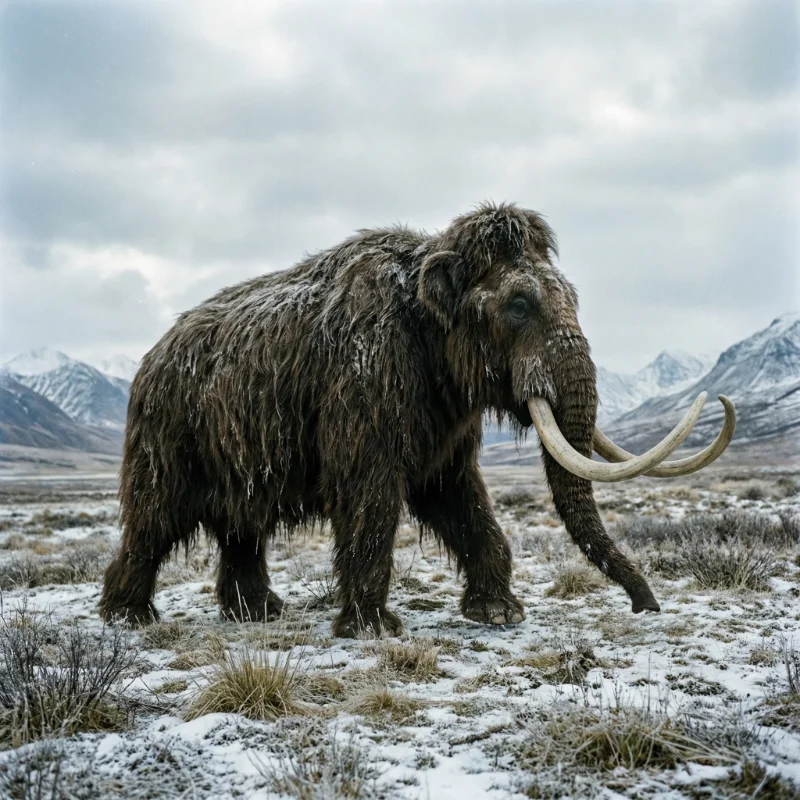 Woolly Mammoth
Woolly Mammoth · Cenozoic Era · Herbivore
 Woolly Mammoth
Woolly Mammoth · Cenozoic Era · Herbivore
 Woolly Mammoth
Woolly Mammoth · Cenozoic Era · Herbivore
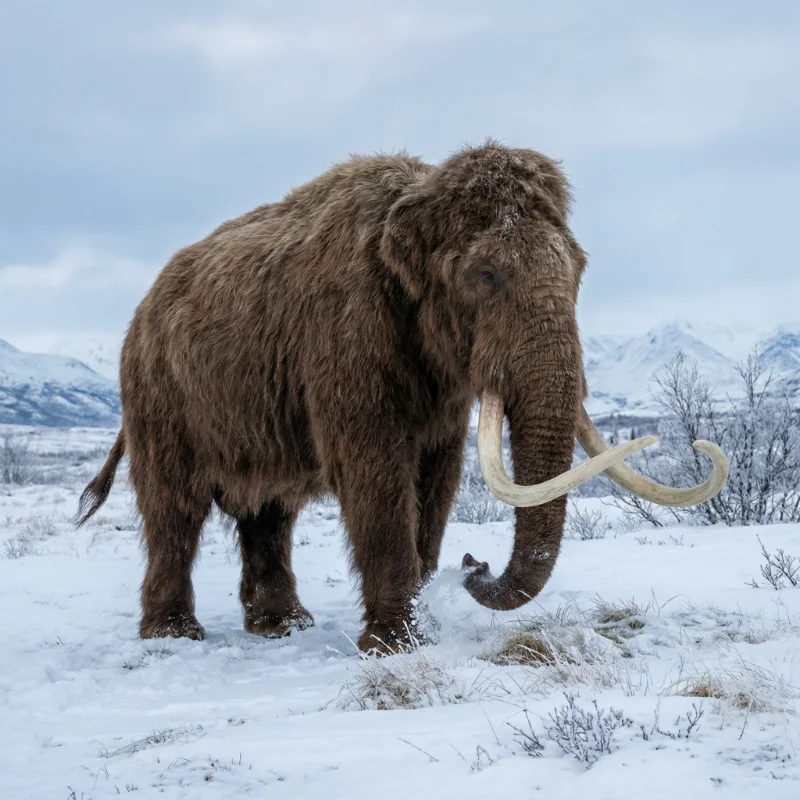 Woolly Mammoth
Woolly Mammoth · Cenozoic Era · Herbivore
🔗Related Creatures
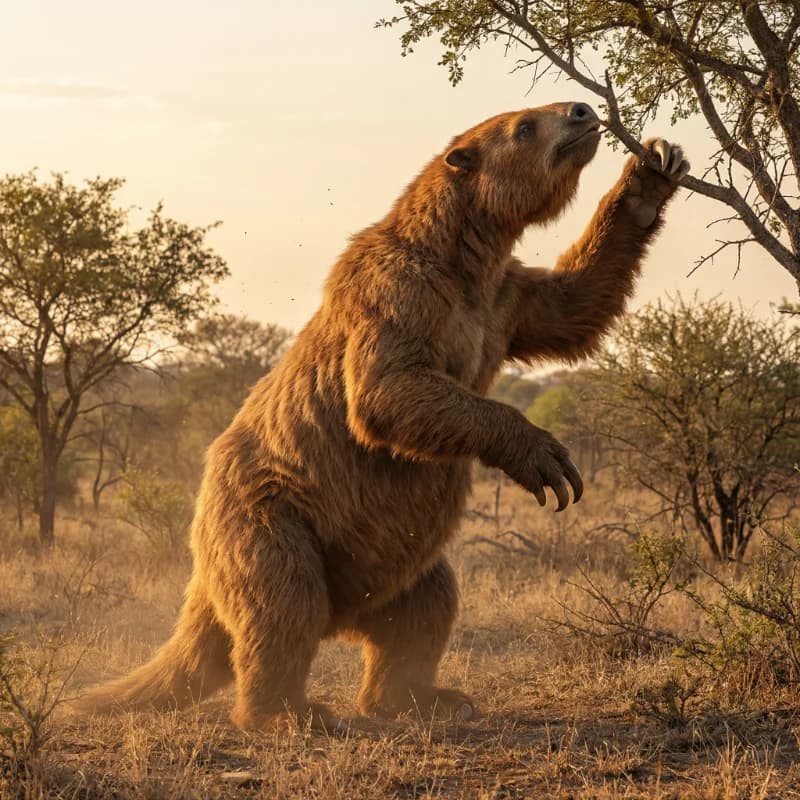
Megatherium
Megatherium americanum
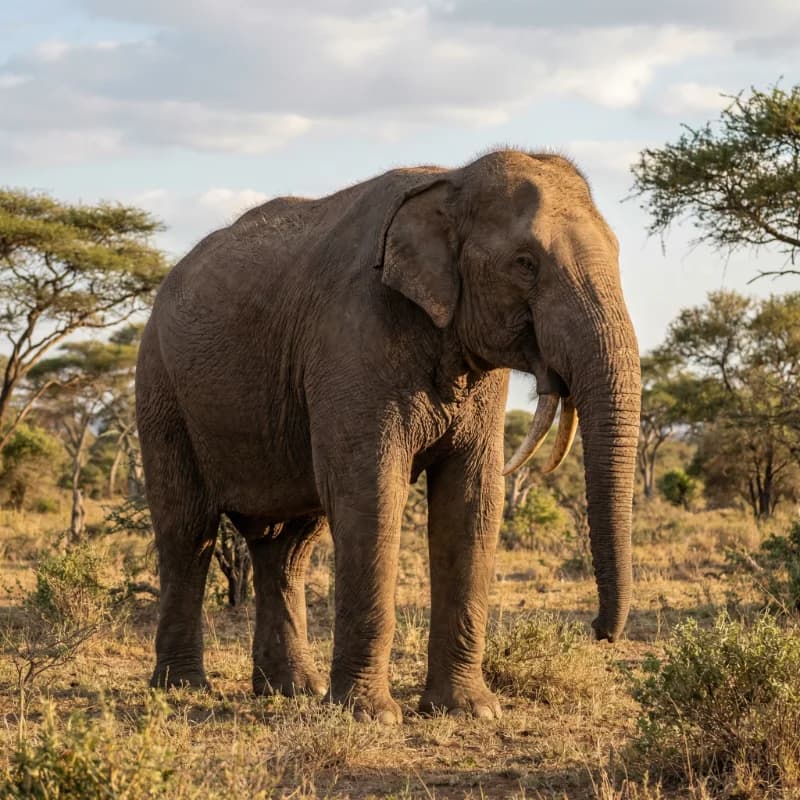
Deinotherium
Deinotherium giganteum
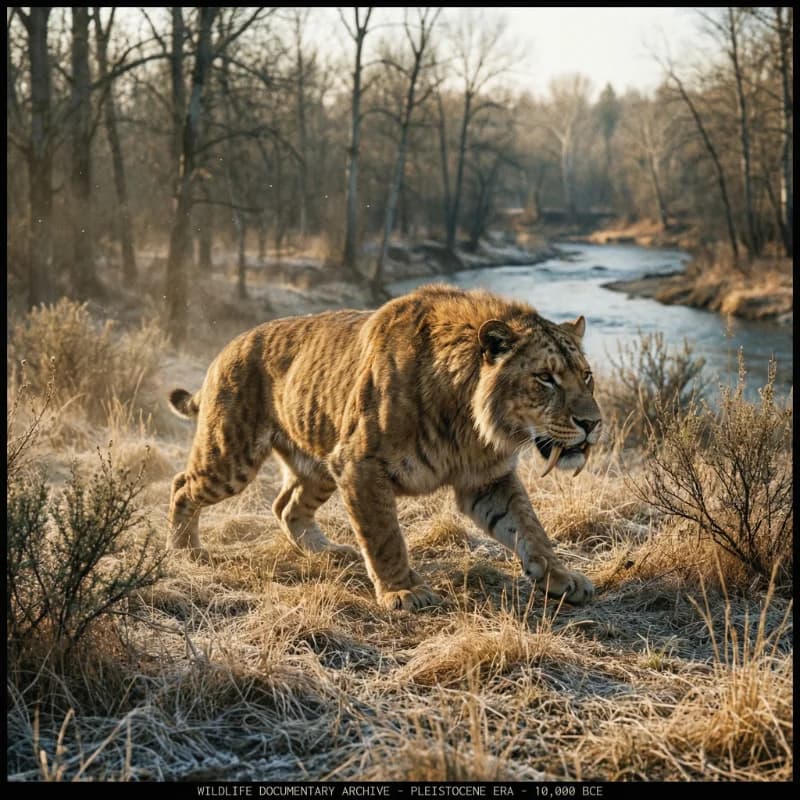
Smilodon
Smilodon
Lambeosaurus
Lambeosaurus lambei
Minmi
Minmi paravertebra
Pachyrhinosaurus
Pachyrhinosaurus

Ankylosaurus
Ankylosaurus magniventris
Alamosaurus
Alamosaurus sanjuanensis