Tylosaurus
Cretaceous Period Carnivore Creature Type
Tylosaurus proriger
Scientific Name: "Tylosaurus: from Latin tylos (knob, swelling) + Ancient Greek sauros (lizard) = 'knob lizard'. Species epithet proriger: from Latin prora (prow) + -gero (I bear) = 'prow-bearing'"
Local Name: Tylosaurus
Physical Characteristics
Discovery
Habitat
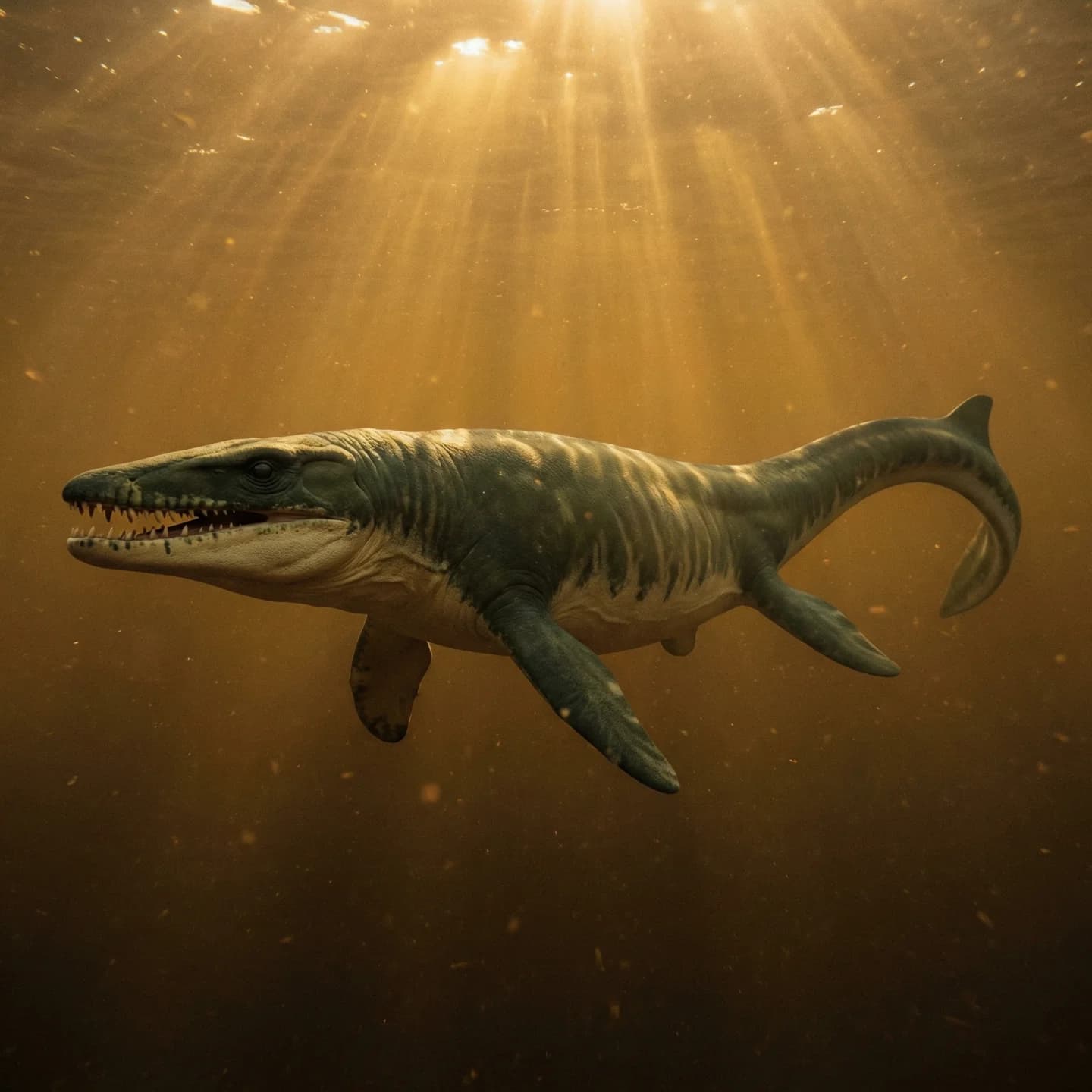
Tylosaurus Marsh, 1872 is a genus of large russellosaurine mosasaur (family Mosasauridae, order Squamata) that lived during the Late Cretaceous, from approximately 92 to 66 million years ago (Turonian to Maastrichtian stages). The type species, Tylosaurus proriger (Cope, 1869), is one of the largest known mosasaurs, with the biggest well-documented specimens reaching total lengths of 13–14 m. It was among the apex predators of the Western Interior Seaway that bisected North America during the Late Cretaceous. Most fossils come from the Niobrara Formation of Kansas, USA, but specimens have also been recovered from across the North Atlantic realm, including Europe (Belgium, France, Sweden) and Africa (Angola), demonstrating a circum-Atlantic distribution.
The most recognizable morphological feature of Tylosaurus is the elongated, edentulous (toothless) rostrum protruding from the snout. This structure is formed by the anterior extension of the premaxilla and dentary, and is the basis for both the genus name ('knob lizard') and the species epithet proriger ('prow-bearing'). The body was streamlined, equipped with two pairs of paddle-like flippers and a laterally compressed tail ending in a downturned vertebral column that supported a bilobed tail fluke, all indicative of an active, powerful swimmer.
Importantly, Tylosaurus is not a dinosaur. It belongs to the order Squamata (the group that includes modern lizards and snakes) and is more closely related to living monitor lizards (Varanidae) than to any dinosaur. Mosasaurs coexisted with dinosaurs during the Late Cretaceous but occupied a completely different evolutionary lineage. Tylosaurus, along with all other mosasaurs, went extinct during the Cretaceous–Paleogene (K–Pg) mass extinction event approximately 66 million years ago.
Direct fossil evidence from preserved stomach contents reveals that Tylosaurus fed on bony fish, sharks, plesiosaurs, seabirds (Hesperornis), and even smaller mosasaurs, confirming its status as a generalist apex predator with a remarkably broad dietary spectrum. In addition, a 2014 study by Lindgren et al. detected eumelanin in fossilized skin scales of T. nepaeolicus, suggesting the animal had dark body coloration in life, similar to a modern leatherback sea turtle.
Overview
Name and Etymology
The genus name Tylosaurus is derived from the Latin tylos (knob, swelling) and the Ancient Greek σαῦρος (sauros, lizard), meaning 'knob lizard.' This refers to the animal's most distinctive feature: the blunt, toothless bony projection at the tip of its snout. The type species epithet proriger comes from the Latin prōra (prow) and the suffix -gero (I bear), meaning 'prow-bearing,' again referencing the characteristic elongated rostrum.
Naming History
The taxonomic history of Tylosaurus is deeply entangled with the infamous 'Bone Wars' rivalry between American paleontologists Edward Drinker Cope and Othniel Charles Marsh. In 1869, Cope described a fragmentary skull approximately 1.5 m long and thirteen vertebrae (MCZ 4374) from the Niobrara Formation near Fort Hays, Kansas, naming the animal Macrosaurus proriger. In 1870, he moved the species to the European genus Liodon without explanation. In 1872, Marsh argued that the species was distinct from Liodon and erected the new genus Rhinosaurus, but this name was preoccupied. Cope counter-proposed Rhamphosaurus, which was also preoccupied. Marsh then established Tylosaurus as the replacement. However, Marsh never formally transferred the species; this was first done by Joseph Leidy in 1873. Cope never accepted Marsh's genus and continued to use Liodon for the remainder of his career.
Taxonomic Status and Valid Species
Eight species of Tylosaurus are currently recognized as valid. Their summary is as follows:
| Species | Author/Year | Principal Locality | Approximate Age |
|---|---|---|---|
| T. proriger | (Cope, 1869) | Kansas (Niobrara Fm.), South Dakota (Pierre Shale) | Santonian–Campanian |
| T. nepaeolicus | (Cope, 1874) | Kansas (Niobrara Fm.) | Coniacian–Santonian |
| T. bernardi | (Dollo, 1885) | Belgium (Ciply Basin) | Maastrichtian |
| T. gaudryi | (Thevenin, 1896) | France (Eclusier-Vaux) | Santonian–Campanian |
| T. ivoensis | (Persson, 1963) | Sweden (Kristianstad Basin) | Campanian |
| T. iembeensis | (Antunes, 1964) | Angola (Iembe) | Coniacian |
| T. pembinensis | (Nicholls, 1988) | Canada, Manitoba (Pierre Shale) | Campanian |
| T. saskatchewanensis | Jimenez-Huidobro et al., 2018 | Canada, Saskatchewan (Bearpaw Fm.) | Campanian |
The validity of T. kansasensis Everhart, 2005 remains contested: Jimenez-Huidobro et al. (2016) considered it a junior synonym of T. nepaeolicus, whereas Stewart & Mallon (2018) supported its retention as a distinct species. T. 'borealis' Garvey, 2020 remains informally described. The genus Hainosaurus Dollo, 1885, once considered distinct, was synonymized with Tylosaurus by Jimenez-Huidobro & Caldwell (2016), though some researchers argue for maintaining its separate status based on dental differences in T. bernardi.
Stratigraphy, Age, and Depositional Environment
Temporal Range
The fossil record of Tylosaurus spans approximately 26 million years, from the Middle Turonian (~92.1 Ma) to the latest Maastrichtian (~66 Ma, near the K–Pg boundary). The oldest specimen attributable to the genus is a premaxilla (TMM 40092-27) from Middle Turonian deposits of the Arcadia Park Shale in Texas, dated between 92.1 and 91.4 Ma based on correlations with index fossils. The youngest record is a tooth from the Late Maastrichtian of Nasilow, Poland, found in deposits close to the K–Pg boundary.
Key Formations and Lithology
The primary fossil-bearing unit is the Niobrara Formation of Kansas, specifically the Smoky Hill Chalk Member, from which the majority of T. proriger and T. nepaeolicus specimens have been recovered. This formation consists of pure pelagic carbonate sediments—chalk and calcareous marl—approximately 180 m thick. The Fort Hays Limestone Member yields the earliest Coniacian records of the genus.
Other significant formations include the Pierre Shale (South Dakota, Manitoba; Campanian), the Bearpaw Formation (Saskatchewan; Upper Campanian), the Ciply Phosphatic Chalk (Belgium; Maastrichtian), the Itombe Formation (Angola; Coniacian), and the Puskwaskau Formation (Alberta; Upper Campanian).
Paleoenvironment: The Western Interior Seaway
The Niobrara Formation was deposited in the Western Interior Seaway (WIS), a shallow epeiric sea that bisected North America from the Gulf of Mexico to the Arctic Ocean, separating the western landmass of Laramidia from eastern Appalachia. During the Late Cretaceous, sea-surface temperatures were significantly warmer than today, and water depth in the central seaway is estimated at 100–300 m. The associated fossil assemblage includes bony fish (Xiphactinus, Cimolichthys), sharks (Cretoxyrhina, Squalicorax), plesiosaurs (Dolichorhynchops, Elasmosaurus), seabirds (Hesperornis), pterosaurs (Pteranodon), and other mosasaurs (Platecarpus, Clidastes), attesting to a highly diverse marine ecosystem.
Specimens and Diagnostic Characters
Holotype and Key Specimens
The holotype of T. proriger is MCZ 4374, housed at the Museum of Comparative Zoology, Harvard University. It comprises a fragmentary skull approximately 1.5 m long and thirteen vertebrae, collected from the Niobrara Formation near Monument Rocks, Gove County, Kansas.
Notable specimens include the following:
| Specimen | Nickname | Institution | Composition | Estimated Length |
|---|---|---|---|---|
| KUVP 5033 | Bunker | University of Kansas Natural History Museum | Near-complete skeleton | 12–15.8 m |
| AMNH FR 221 | — | American Museum of Natural History | Near-complete skeleton + soft tissue (larynx, trachea, bronchi) | 8.83 m |
| USNM 8898 | — | Smithsonian (NMNH) | Near-complete skeleton + gut contents (plesiosaur) | ~9 m |
| FHSM VP-2295 | — | Sternberg Museum | T. kansasensis holotype; complete skull + 6 cervical vertebrae | — |
| RSM P2588.1 | Omacuw | Royal Saskatchewan Museum | T. saskatchewanensis holotype | 9.75+ m |
AMNH FR 221, described by Osborn in 1899, is particularly significant as the first substantially complete Tylosaurus skeleton and one of the very few mosasaur specimens preserving calcified soft tissues, including the larynx, trachea, and bronchi. The body-part proportions derived from this specimen remain the standard reference for size extrapolations in Tylosaurus.
Diagnostic Characters
According to the generic diagnosis by Jimenez-Huidobro & Caldwell (2019), Tylosaurus is distinguished from other mosasaurs by the following combination of characters: (1) 12–13 maxillary teeth; (2) prefrontal does not contribute to external nares; (3) frontal overlaps the supraorbital portion of the prefrontal; (4) frontal does not contribute to the orbit; (5) ventroposterior process on jugal present; (6) 10–11 pterygoid teeth; (7) broad edentulous projection of the dentary anterior to the first tooth; (8) 13 dentary teeth; (9) carinae with serrations when present; (10) unfluted marginal teeth; (11) scapula smaller than coracoid; (12) radial process absent on humerus; among others.
Morphology and Functional Biology
Body Size
Body size in Tylosaurus varied considerably across species and through time, following a pattern consistent with Cope's rule (increasing body size over geological time). During the Turonian–Coniacian (90–86 Ma), the earliest representatives—including early T. nepaeolicus and its precursors—were typically 5–7 m long and weighed an estimated 200–500 kg. By the Santonian (86–83 Ma), T. nepaeolicus and newly appearing T. proriger had grown to 8–9 m and approximately 1,100 kg. By the Early Campanian, T. proriger attained lengths of 13–14 m. The largest well-documented specimen, KUVP 5033 (the 'Bunker' mosasaur), has been estimated at 12–15.8 m total length.
Body mass estimates for the largest individuals remain poorly constrained. Everhart (2004) estimated a 9 m individual at approximately 1,100 kg using Alexander's (1989) displacement method on a scale model. Reliable mass estimates for 13–14 m individuals are lacking in the peer-reviewed literature, though popular sources commonly cite figures of 2–7 tonnes.
Skull and Rostrum
The skull of Tylosaurus is strongly conical, with the snout proportionally longer than in most other mosasaurs. The largest known skull (KUVP 5033) is estimated at 1.7 m long. Skull length comprises approximately 13–14% of total skeletal length.
The hallmark edentulous rostrum is formed by the anterior elongation of the premaxilla. At birth, the rostrum is small and acutely angled, but it rapidly develops into a blunt, elongated 'knob' during ontogeny. Its function remains debated: proposed hypotheses include use as a ramming weapon in predation, intraspecific combat, or hydrodynamic streamlining, though no definitive biomechanical study has been published.
Dentition and Jaws
On each side of the skull, Tylosaurus possesses 2 premaxillary teeth, 12–13 maxillary teeth, 13 dentary teeth, and 10–11 pterygoid teeth. The marginal dentition is homodont (nearly uniform in size and shape). Teeth are triangular with slight posterior recurvature, and the carinae (cutting edges) are finely serrated with small denticles.
Bardet et al. (2006) classified Tylosaurus species into two dental morphotype groups. The North American 'proriger group' (T. proriger, T. nepaeolicus) is characterized by teeth with smooth or faint facets, less prominent carinae, and fine striations extending near the tip—optimized for cutting. The Euro-American 'ivoensis group' (T. ivoensis, T. gaudryi, T. pembinensis) features robust teeth with prominent carinae and faceted labial surfaces—suggesting adaptations for piercing or crushing prey.
Postcranial Skeleton and Flippers
The limbs of Tylosaurus are relatively primitive compared to other derived mosasaurs. The stylopodia (humeri and femora) lack the extreme shortening and complex muscle-attachment sites seen in more derived taxa. Hyperphalangy (increased number of phalanges) is present in both fore- and hindlimbs, and the phalanges are spindle-shaped. Both carpals and tarsals are largely unossified. The tail exhibits a distinct downward curvature, strongly suggesting the presence of a bilobed tail fluke similar to that confirmed in Platecarpus and Prognathodon.
Diet and Ecology
Dietary Evidence
Direct evidence for the diet of Tylosaurus comes from preserved gut contents. The most significant documented cases include:
- USNM 8898 (T. proriger, ~9 m): Partially digested bones of a polycotylid plesiosaur (Dolichorhynchops osborni, ~2.5–3 m) plus gastroliths found within the ribcage. Discovered by C. H. Sternberg in 1918 in Logan County, Kansas; redescribed by Everhart (2004).
- SDSM specimen (Pierre Shale, South Dakota): Remains of a teleost fish (Bananogmius), a marine bird (Hesperornis), a small mosasaur (Clidastes), and shark teeth (Cretalamna?) preserved as stomach contents. Described by Martin & Bjork (1987).
- FFHM 97-10: Partially digested Cimolichthys vertebrae (Everhart, unpublished data).
Collectively, these records demonstrate that Tylosaurus was an opportunistic apex predator with a remarkably diverse diet encompassing bony fish, sharks, plesiosaurs, seabirds, and smaller mosasaurs.
Ecological Role
Tylosaurus occupied the apex predator niche in the Late Cretaceous WIS. It was substantially larger than contemporaneous mid-sized mosasaurs such as Platecarpus and Clidastes. During the Campanian, it may have competed with other large mosasaurs including Prognathodon and Mosasaurus. The genus displays a clear trend of increasing body size through time, consistent with Cope's rule.
Distribution and Paleogeography
Geographic Range
Tylosaurus fossils show a circum-Atlantic distribution. Key localities include:
- North America: Kansas, Nebraska, South Dakota, Texas (Niobrara Fm., Pierre Shale, Arcadia Park Shale), Canada—Manitoba, Saskatchewan, Alberta (Pierre Shale, Bearpaw Fm., Puskwaskau Fm.), Mexico—Chihuahua (Ojinaga Fm.)
- Europe: Belgium (Ciply Basin), France (Eclusier-Vaux), Sweden (Kristianstad Basin), Poland (Nasilow)
- Africa: Angola (Iembe, Itombe Fm.)
Jimenez-Huidobro & Caldwell (2019) interpreted this distribution as a 'North Atlantic Circle Basin' pattern, suggesting that Tylosaurus dispersed around the early Atlantic basin from the Coniacian through the Maastrichtian.
Paleolatitude
Paleomagnetic reconstructions place the Niobrara Formation localities at approximately 40.9°N paleolatitude and -39.2°W paleolongitude during the Late Cretaceous, in a warm subtropical climate. The northernmost occurrence of the genus, T. 'borealis' from northern Alberta, corresponds to a paleolatitude of approximately 62°N, representing a rare instance of a mosasaur in boreal climates.
Phylogeny and Taxonomic Debates
Phylogenetic Position
Tylosaurus is classified within the family Mosasauridae, clade Russellosaurina, and is the type genus of the subfamily Tylosaurinae. The phylogenetic analysis of Jimenez-Huidobro & Caldwell (2019), based on a matrix of 128 morphological characters and 45 ingroup taxa analyzed using TNT, yielded the following principal results:
- Tylosaurinae recovered as monophyletic (Bremer = 7, Bootstrap = 96 in the reduced dataset)
- Tylosaurinae is the sister group of Plioplatecarpinae
- Within Tylosaurus, T. nepaeolicus is the most basal species
- T. proriger and T. bernardi form a sister pair
- T. pembinensis and T. saskatchewanensis form a sister pair
- Taniwhasaurus is recovered as monophyletic and sister to Tylosaurus within the Tylosaurinae
Key Controversies
Synonymy of Hainosaurus: Jimenez-Huidobro & Caldwell (2016) synonymized Hainosaurus with Tylosaurus. However, some workers (e.g., Bardet et al.) argue that T. bernardi's specialized cutting dentition is sufficiently distinct to warrant retaining Hainosaurus as a separate genus.
Validity of T. kansasensis: Everhart (2005) erected this species, but Jimenez-Huidobro et al. (2016) considered it a juvenile synonym of T. nepaeolicus. Stewart & Mallon (2018) supported its validity based on ontogenetic discrepancies, while Zietlow (2020) supported the synonymy based on cladistic ontogenetic analysis.
Soft Tissue and Integument
Fossil skin impressions of Tylosaurus have been documented since the late 1870s. The scales were small and diamond-shaped, arranged in oblique rows comparable to those of modern rattlesnakes. In a 5 m individual, individual scales measured approximately 3.3 x 2.5 mm, with approximately 90 scales per square inch (~6.45 cm²) on the ventral surface. Each scale bore a keel resembling shark dermal denticles, likely serving to reduce hydrodynamic drag.
Lindgren et al. (2014) performed microscopic and chemical analysis on fossilized scales of a T. nepaeolicus specimen and detected high concentrations of the pigment eumelanin, indicating that the animal had dark coloration in life, similar to the leatherback sea turtle (Dermochelys coriacea). This dark coloration may have provided several adaptive advantages including enhanced thermoregulation, camouflage (through countershading), and UV protection.
The specimen AMNH FR 221 preserves calcified remnants of the respiratory system, including parts of the larynx, trachea, and bronchi. The paired branching of the bronchi suggests the presence of two functional lungs, as in extant limbed lizards, rather than the single functional lung seen in snakes.
Restoration and Uncertainty
Well-Established Facts
- Large mosasaurid squamate of the subfamily Tylosaurinae
- Edentulous rostrum, streamlined body, two pairs of flippers, bilobed tail fluke
- Generalist apex predator consuming bony fish, plesiosaurs, seabirds, sharks, and other mosasaurs (direct gut-content evidence)
- Circum-Atlantic distribution (North America, Europe, Africa)
- Dark body coloration indicated by eumelanin in fossilized skin
Probable Hypotheses
- Maximum total length of T. proriger approximately 13–14 m (based on KUVP 5033)
- Rostrum functioned in predatory ramming (biomechanical modeling incomplete)
- Hainosaurus is a junior synonym of Tylosaurus
Speculative or Poorly Constrained
- Body mass of large (13–14 m) individuals: no rigorous peer-reviewed estimate exists; the only published figure is ~1,100 kg for a 9 m individual (Everhart, 2004; Alexander displacement method); popular literature cites 2–7 tonnes for the largest individuals
- Swimming speed: no quantitative study; qualitative inference from tail-fluke morphology and streamlined body
- Social behavior: no direct fossil evidence; co-occurrence of multiple individuals at single localities is suggestive but not conclusive
- Maximum body length of 20 m: theoretical only, with no supporting fossil evidence
Common Misconceptions
- Tylosaurus is not a dinosaur. It is a squamate marine reptile.
- Early (1870s–1890s) restorations depicted it as an enormously elongated sea-serpent with a dorsal fringe. Williston (1898) corrected the body proportions, and the dorsal fringe—originating from misidentification of tracheal rings by Williston in 1898, corrected in 1902—is now known to be absent.
Comparison with Related and Contemporaneous Taxa
| Taxon | Family/Subfamily | Total Length (m) | Age | Distribution | Key Features |
|---|---|---|---|---|---|
| Tylosaurus | Mosasauridae / Tylosaurinae | 5–14 | Turonian–Maastrichtian | Circum-Atlantic | Edentulous rostrum, primitive limbs |
| Mosasaurus | Mosasauridae / Mosasaurinae | 10–13+ | Campanian–Maastrichtian | Cosmopolitan | Robust conical teeth, heavily built |
| Prognathodon | Mosasauridae / Mosasaurinae | 6–10+ | Santonian–Maastrichtian | Cosmopolitan | Globular crushing teeth, massive jaws |
| Platecarpus | Mosasauridae / Plioplatecarpinae | 4–6 | Coniacian–Campanian | North America | Small-bodied, flexible build |
| Taniwhasaurus | Mosasauridae / Tylosaurinae | 7–12 | Campanian–Maastrichtian | New Zealand, Japan, Antarctica | Fluted teeth, Southern Hemisphere distribution |
Fun Facts
FAQ
📚References
- Cope, E. D. (1869). [Remarks on Holops brevispinus, Ornithotarsus immanis, and Macrosaurus proriger]. Proceedings of the Academy of Natural Sciences of Philadelphia, 1869: 123.
- Marsh, O. C. (1872). Note on Rhinosaurus. American Journal of Science, Series 3, 4(20): 147.
- Russell, D. A. (1967). Systematics and morphology of American mosasaurs. Peabody Museum of Natural History, Yale University, Bulletin 23, 241 pp.
- Everhart, M. J. (2004). Plesiosaurs as the food of mosasaurs; new data on the stomach contents of a Tylosaurus proriger (Squamata; Mosasauridae) from the Niobrara Formation of western Kansas. The Mosasaur, 7: 41–46.
- Everhart, M. J. (2005). Tylosaurus kansasensis, a new species of tylosaurine (Squamata, Mosasauridae) from the Niobrara Chalk of western Kansas, USA. Netherlands Journal of Geosciences, 84(3): 231–240. https://doi.org/10.1017/S0016774600021028
- Bardet, N., Pereda Suberbiola, X., & Jalil, N.-E. (2006). A new species of tylosaurine mosasaurid from the Late Cretaceous phosphates of Morocco. Geobios, 39(2): 211–220.
- Lindgren, J. (2005). The first record of Hainosaurus (Reptilia: Mosasauridae) from Sweden. Journal of Paleontology, 79(6): 1157–1165.
- Bullard, T. S. & Caldwell, M. W. (2010). Redescription and rediagnosis of the tylosaurine mosasaur Hainosaurus pembinensis Nicholls, 1988, as Tylosaurus pembinensis (Nicholls, 1988). Journal of Vertebrate Paleontology, 30(2): 416–430. https://doi.org/10.1080/02724631003621573
- Jimenez-Huidobro, P. & Caldwell, M. W. (2016). Re-characterization of Tylosaurus nepaeolicus (Cope, 1874) and Tylosaurus kansasensis Everhart, 2005: Ontogeny or taxonomy? Cretaceous Research, 65: 68–81. https://doi.org/10.1016/j.cretres.2016.04.008
- Jimenez-Huidobro, P. & Caldwell, M. W. (2019). A New Hypothesis of the Phylogenetic Relationships of the Tylosaurinae (Squamata: Mosasauroidea). Frontiers in Earth Science, 7: 47. https://doi.org/10.3389/feart.2019.00047
- Jimenez-Huidobro, P., Caldwell, M. W., Lindgren, J., & Bullard, T. S. (2018). A new species of tylosaurine mosasaur from the upper Campanian Bearpaw Formation of Saskatchewan, Canada. Journal of Systematic Palaeontology, 17(16): 1403–1422. https://doi.org/10.1080/14772019.2018.1471744
- Stewart, R. F. & Mallon, J. C. (2018). Allometric growth in the skull of Tylosaurus proriger (Squamata: Mosasauridae) and its taxonomic implications. Vertebrate Anatomy Morphology Palaeontology, 6: 75–90.
- Zietlow, A. R. (2020). Craniofacial ontogeny in Tylosaurinae. PeerJ, 8: e10145. https://doi.org/10.7717/peerj.10145
- Lindgren, J., Sjovall, P., Carney, R. M., Uvdal, P., Gren, J. A., et al. (2014). Skin pigmentation provides evidence of convergent melanism in extinct marine reptiles. Nature, 506(7489): 484–488. https://doi.org/10.1038/nature12899
- Williston, S. W. (1898). Mosasaurs. In: Williston, S. W. (ed.), The University Geological Survey of Kansas, 4: 81–347.
- Osborn, H. F. (1899). A complete mosasaur skeleton, osseous and cartilaginous. Memoirs of the American Museum of Natural History, 1(4): 167–188.
- Polcyn, M. J. & Bell, G. L. (2005). Russellosaurus coheni n. gen., n. sp., a 92 million-year-old mosasaur from Texas (USA), and the definition of the parafamily Russellosaurina. Netherlands Journal of Geosciences, 84(3): 321–333.
- Hattin, D. E. (1982). Stratigraphy and depositional environment of Smoky Hill Chalk Member, Niobrara Chalk (Upper Cretaceous) of the type area, western Kansas. Kansas Geological Survey Bulletin, 225, 108 pp.
- Martin, J. E. & Bjork, P. R. (1987). Gastric residues associated with a mosasaur from the late Cretaceous (Campanian) Pierre Shale in South Dakota. In: Martin, J. E. & Ostrander, G. E. (eds.), Papers in Paleontology in Honor of Morton Green, Dakoterra 3: 68–72.
- Everhart, M. J. (2017). Oceans of Kansas: A Natural History of the Western Interior Sea (2nd ed.). Indiana University Press, 427 pp.
Gallery
5 images Tylosaurus
Tylosaurus · Cretaceous Period · Carnivore
 Tylosaurus
Tylosaurus · Cretaceous Period · Carnivore
 Tylosaurus
Tylosaurus · Cretaceous Period · Carnivore
 Tylosaurus
Tylosaurus · Cretaceous Period · Carnivore
 Tylosaurus
Tylosaurus · Cretaceous Period · Carnivore
🔗Related Creatures
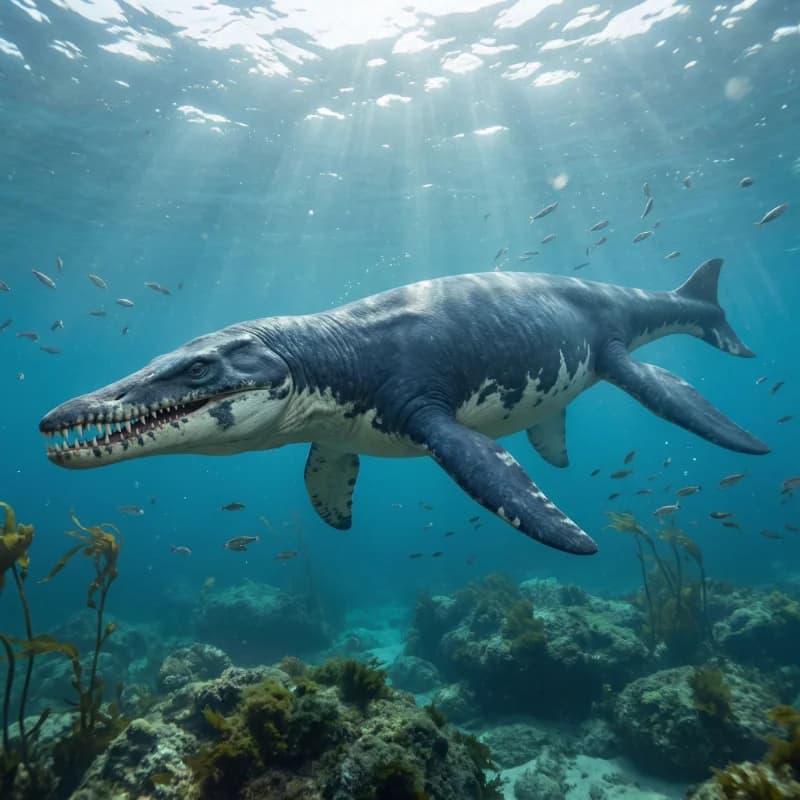
Kronosaurus
Kronosaurus queenslandicus
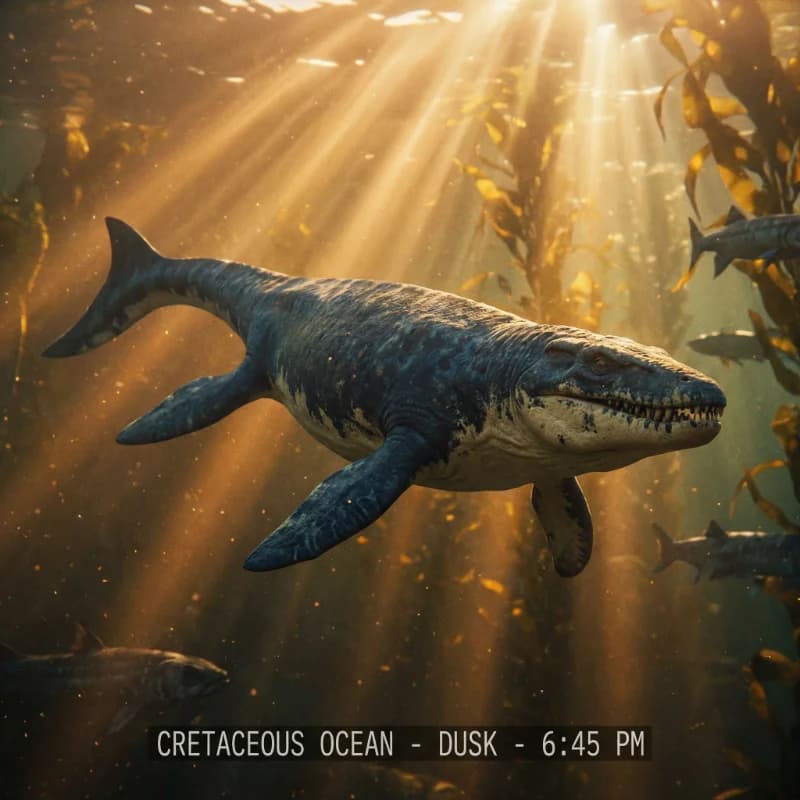
Prognathodon
Prognathodon
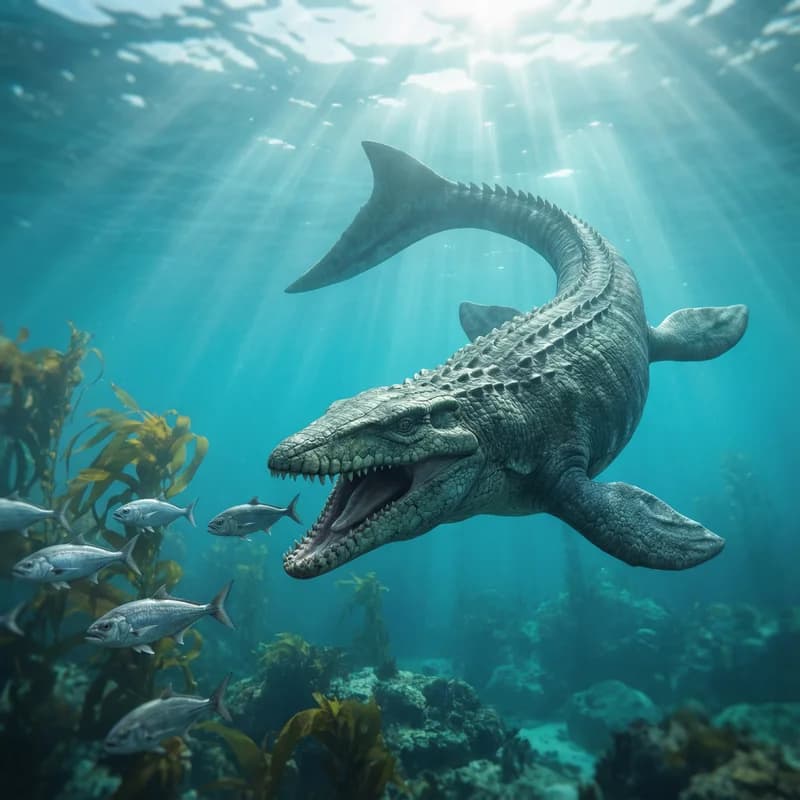
Mosasaurus
Mosasaurus hoffmannii
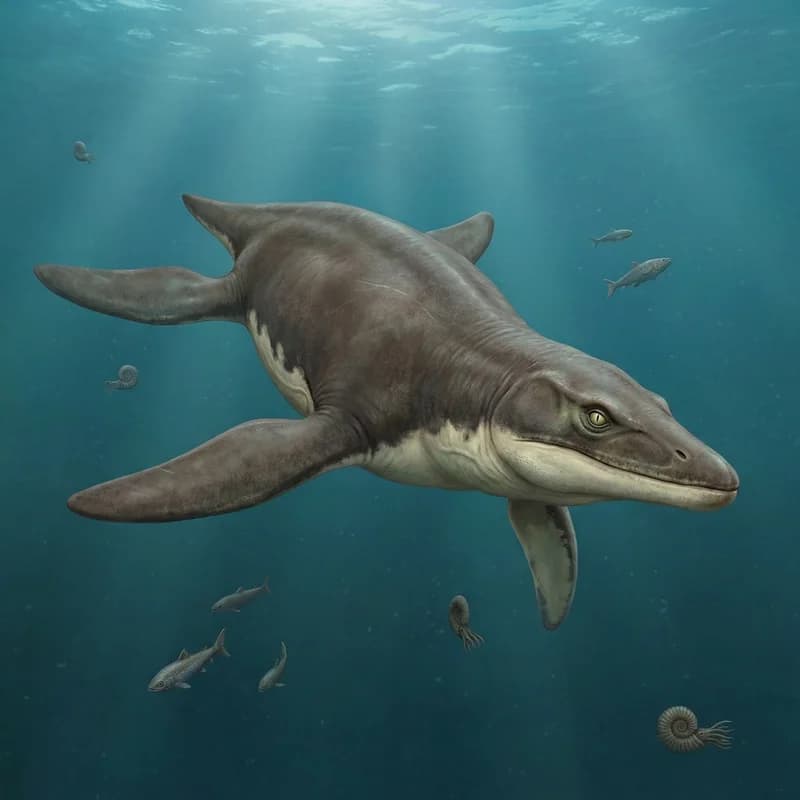
Liopleurodon
Liopleurodon ferox
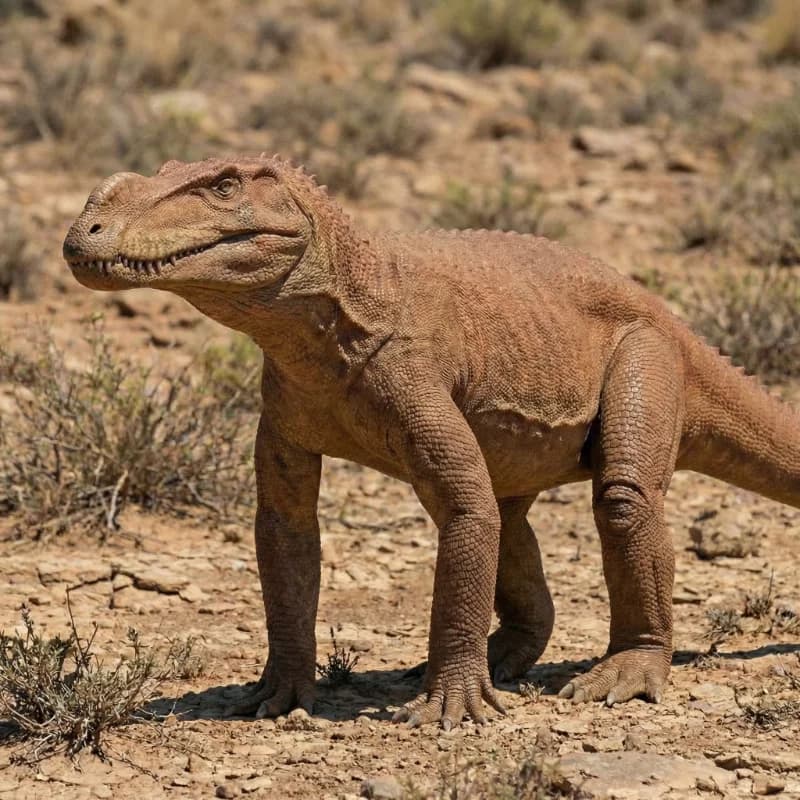
Luperosuchus
Luperosuchus fractus
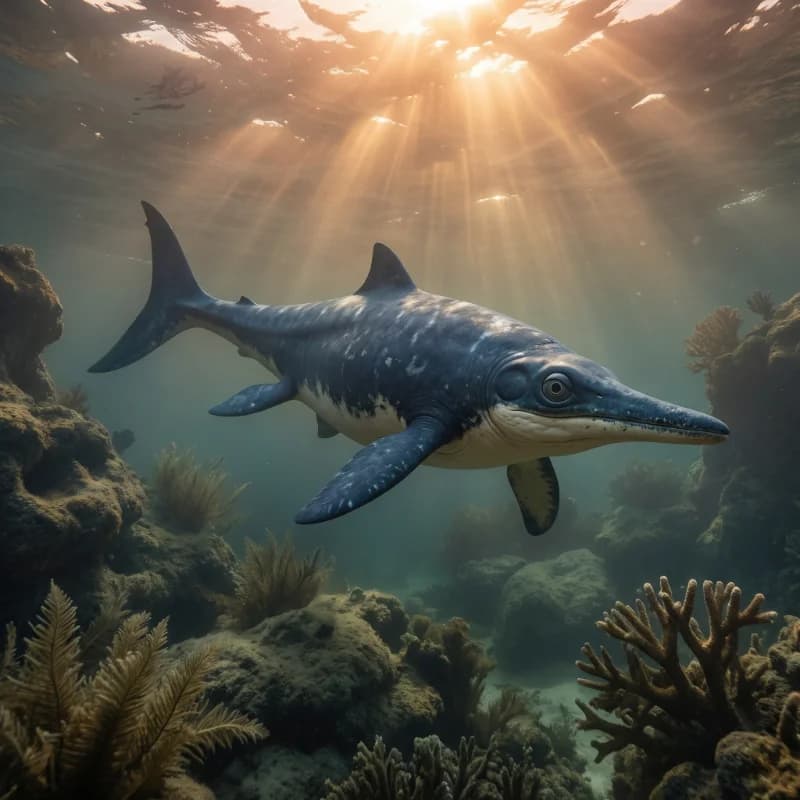
Temnodontosaurus
Temnodontosaurus
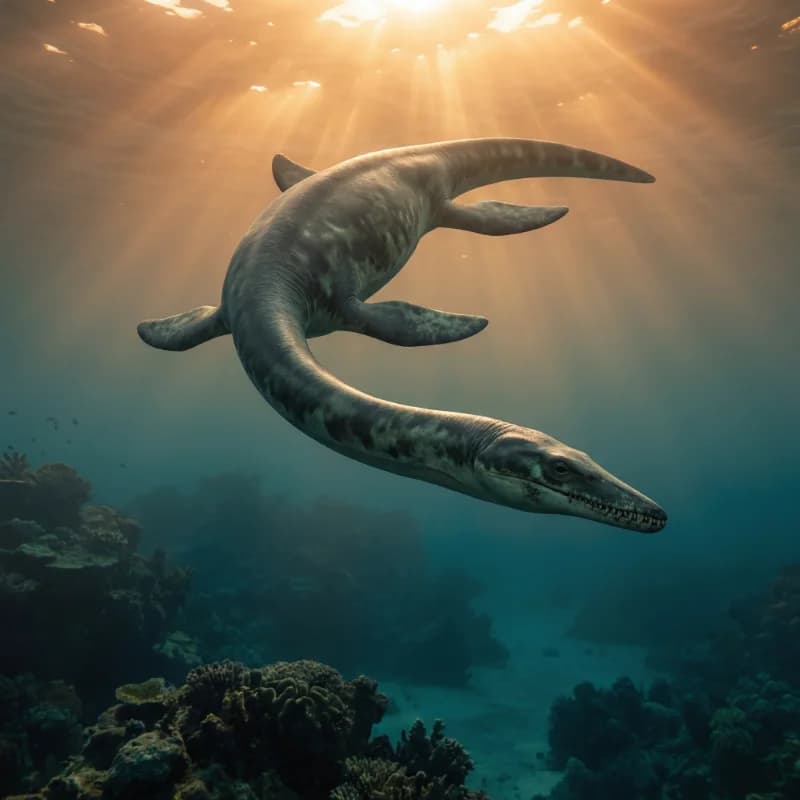
Thalattoarchon
Thalattoarchon saurophagis
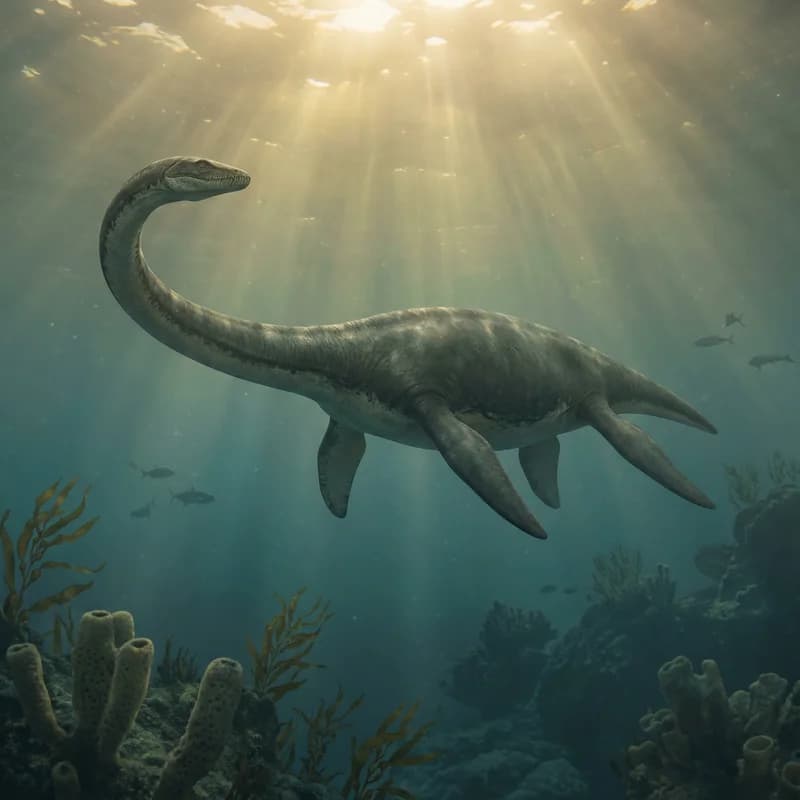
Elasmosaurus
Elasmosaurus platyurus