Rhamphorhynchus
Jurassic Period Piscivore Creature Type
Rhamphorhynchus muensteri
Scientific Name: "rhamphos (beak, Greek) + rhynchus (snout, Greek) = 'beak snout'"
Local Name: Rhamphorhynchus
Physical Characteristics
Discovery
Habitat
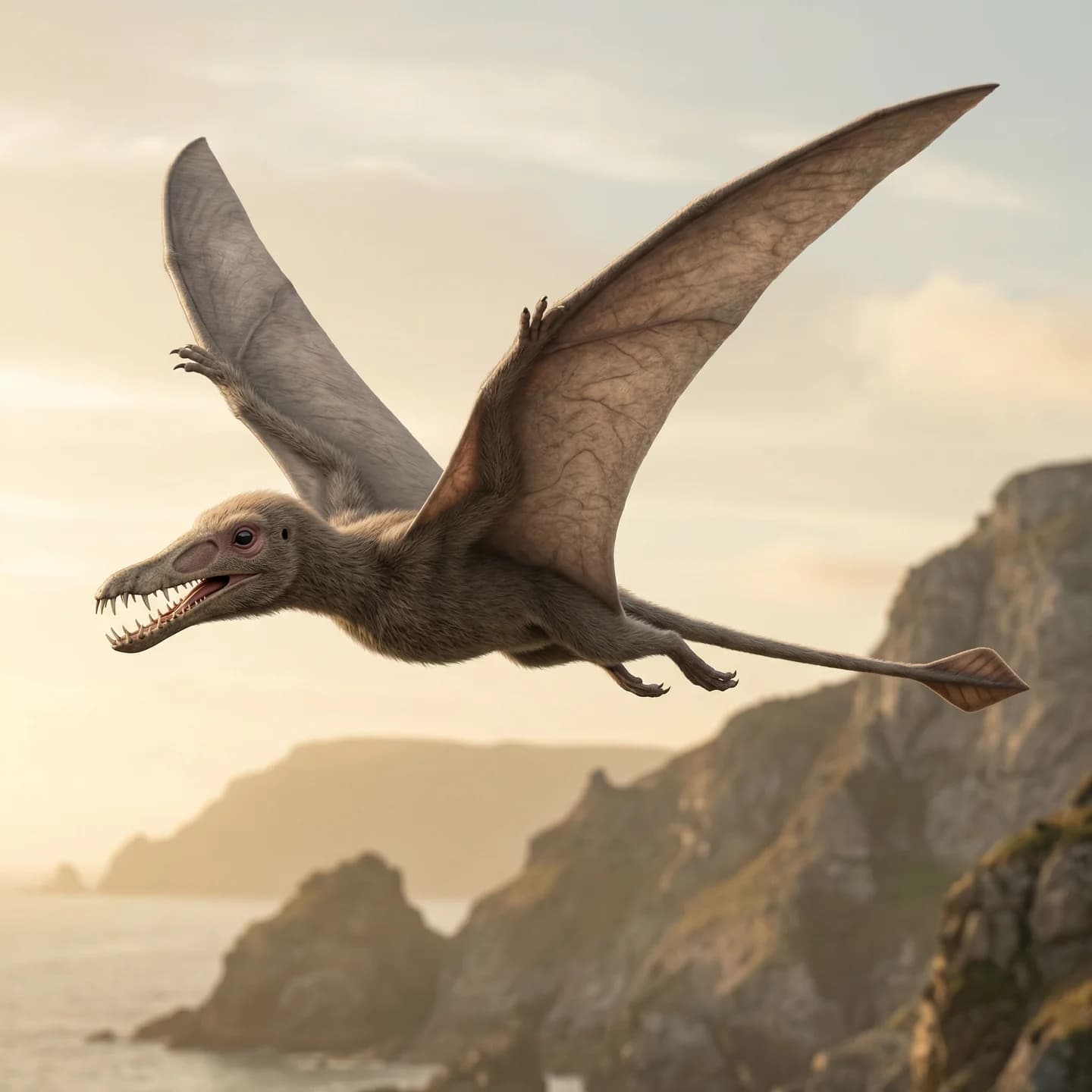
Rhamphorhynchus (Rhamphorhynchus muensteri (Goldfuss, 1831) von Meyer, 1846) is a non-pterodactyloid, long-tailed pterosaur from the Late Jurassic Tithonian stage (approximately 150.8–148.5 Ma). It belongs to the family Rhamphorhynchidae within the order Pterosauria. Unlike its contemporary short-tailed pterodactyloid relatives such as Pterodactylus, Rhamphorhynchus possessed a long, ligament-stiffened tail tipped with a distinctive diamond-shaped soft-tissue tail vane — its single most recognizable feature. The jaws bore forward-angling, needle-like teeth that interlocked when closed, while the tips of both the upper and lower jaws were toothless and curved into sharp beak-like points, strongly indicating a primarily piscivorous (fish-eating) diet. Indeed, fish and cephalopod remains have been directly recovered from the abdominal contents and coprolites of multiple specimens (Frey & Tischlinger, 2012; Hone et al., 2015).
With over 125 specimens held in public collections, Rhamphorhynchus boasts the richest fossil record of any pterosaur taxon (Wellnhofer, 1975; Hone, Habib & Lamanna, 2013). The vast majority of these come from the Solnhofen Plattenkalk (lithographic limestone) of Bavaria, Germany, where the exceptional preservation has yielded not only bones but also impressions of wing membranes, tail vanes, and probable pycnofibers. A second valid species, R. etchesi, was described from the Kimmeridge Clay Formation of England (O'Sullivan & Martill, 2015), and over 300 isolated teeth attributed to Rhamphorhynchus sp. have been reported from the Guimarota coal mine in Portugal (Alcobaça Formation). Fragmentary material from the Tendaguru Formation of Tanzania is also known, though its referral to the genus is often considered uncertain (Bennett, 1995).
It is important to note that Rhamphorhynchus was not a dinosaur but a pterosaur — a flying reptile. Pterosaurs lived alongside dinosaurs but belonged to a separate evolutionary lineage and are not the direct ancestors of birds. Among non-pterodactyloid pterosaurs, Rhamphorhynchus attained some of the largest known sizes: the biggest specimen (NHMUK PV OR 37002) has an estimated wingspan of approximately 1.81 m and an estimated body mass of roughly 3.5 kg (Hone & McDavid, 2025). Typical adults, however, had wingspans around 1.0 m, and the majority of known specimens represent immature individuals (wingspan approximately 0.29–1.0 m).
Overview
Name and Etymology
'Rhamphorhynchus' derives from the Ancient Greek words rhamphos (beak) and rhynchus (snout), meaning 'beak snout.' The name reflects the animal's distinctive forward-projecting teeth and curved, toothless beak tips. In 1846, Hermann von Meyer separated the long-tailed forms of Pterodactylus into a subgenus, Pterodactylus (Rhamphorhynchus), naming the new species P. (R.) gemmingi after a specimen owned by collector Captain Carl Eming von Gemming. In 1847, von Meyer elevated Rhamphorhynchus to full genus rank (Meyer, 1846, 1847).
Taxonomic Status
The currently valid type species is Rhamphorhynchus muensteri (Goldfuss, 1831). The original specimen was collected by Georg Graf zu Münster in 1825 and described by Georg August Goldfuss in 1831 as Ornithocephalus münsteri. The umlaut was later emended to muensteri per ICZN rules (Lydekker, 1888). Bennett (1995) demonstrated through extensive statistical and morphological analysis that the five or more German 'species' previously recognized from the Solnhofen limestone (R. longicaudus, R. intermedius, R. gemmingi, R. longiceps, etc.) are all year-classes of the single species R. muensteri. This interpretation is now widely accepted. The only additional valid species is R. etchesi O'Sullivan & Martill, 2015, from the Kimmeridge Clay of England.
Scientific Significance
As the non-pterodactyloid pterosaur with the most complete and abundant fossil record, Rhamphorhynchus has served as a key model taxon for studies of pterosaur neuroanatomy (Witmer et al., 2003), flight biomechanics (Witton, 2008; Habib & Hone, 2024), diet (Bestwick et al., 2020), growth strategy (Bennett, 1995; Prondvai et al., 2012), and activity patterns (Schmitz & Motani, 2011).
Age, Stratigraphy, and Depositional Environment
Temporal Range
The primary locality for Rhamphorhynchus, the Solnhofen Plattenkalk, dates to the Late Jurassic Tithonian stage, with an absolute age of approximately 150.8–148.5 Ma. The most productive horizon is the Malm Zeta 2 of the Schernfeld-Eichstätt Basin, corresponding to the lower Tithonian (Bennett, 1995; Hone & McDavid, 2025). The Kimmeridge Clay material (R. etchesi) is also Tithonian in age, while Portuguese teeth from the Guimarota mine derive from the Kimmeridgian Alcobaça Formation.
Formation and Lithology
The Solnhofen Plattenkalk consists of thin beds of fine-grained limestones interbedded with thin shaly layers. Quarried from multiple sites across southern Bavaria, it is renowned worldwide as a Lagerstätte — a fossil deposit of exceptional preservation. The Kimmeridge Clay Formation comprises clay-dominated marine sediments along the Dorset coast of England, while the Alcobaça Formation of Portugal includes coal-bearing sediments.
Paleoenvironment
During the Tithonian, the Solnhofen area lay at the northern edge of the Tethys Sea as a tropical to subtropical archipelago. Sponge and coral reefs divided the shallow sea into isolated lagoons. The bottom waters of these lagoons were hypersaline and anoxic (oxygen-depleted), rendering them inhospitable to most organisms (Barthel, 1970; Viohl, 1998). These anoxic conditions are precisely what enabled the extraordinary preservation of Rhamphorhynchus and other Solnhofen fossils. Pterosaurs that died while swimming or foraging near the lagoon surface sank into the anoxic bottom, preserving not only bones but also soft tissues such as wing membranes and tail vanes. Paleogeographic reconstructions place Bavaria at approximately 30–35°N latitude during the Late Jurassic.
Specimens and Diagnostic Features
Holotype and Key Specimens
The original type specimen of R. muensteri described by Goldfuss (1831) was lost during World War II. However, high-quality casts survive in several museum collections, serving as plastotypes; Wellnhofer (1975) declined to designate a neotype. The formal type species of the genus is R. longicaudus, whose holotype resides at the Teylers Museum, Haarlem, as TM 6924.
The most notable specimen is NHMUK PV OR 37002, which features a skull length of 201 mm and an estimated wingspan of approximately 1.81 m, making it the largest known individual (Hone & McDavid, 2025). It was acquired by the Natural History Museum, London, in 1862 as part of the Häberlein Collection — the same purchase that included the famous London Archaeopteryx specimen. Other important specimens include the first specimen preserving wing membrane impressions (Royal Belgian Institute of Natural Sciences, Brussels) and TMP 2008.41.001, which preserves soft tissue, stomach contents, and a putative coprolite (Hone et al., 2015).
| Specimen | Institution | Skull Length | Est. Wingspan | Notes |
|---|---|---|---|---|
| NHMUK PV OR 37002 | Natural History Museum, London | 201 mm | 1.81 m | Largest known individual; partially 3D preserved |
| GPIT RE/7321 | University of Tübingen | 150 mm | 1.4 m | Second-largest specimen |
| TM 6924 | Teylers Museum, Haarlem | — | — | Holotype of R. longicaudus |
| TMP 2008.41.001 | Royal Tyrrell Museum | — | — | Soft tissue and stomach contents preserved |
| MJML K-1597 | Etches Collection | — | — | Holotype of R. etchesi (England) |
Diagnostic Features
Bennett (1995) provided the following diagnosis for R. muensteri: 34 teeth total (four per premaxilla, six per maxilla, seven per dentary); anterior teeth long and angled forward and laterally; the fourth premaxillary tooth larger and more lateral than others; posterior teeth shorter and more vertical; jaw tips toothless and beak-like; orbit substantially larger than the naris and antorbital fenestra; first wing phalanx approximately equal to skull length. Additionally, the lower temporal fenestra is typically narrow (with ontogenetic variation in adults), and the upper temporal fenestra is rounded and relatively larger.
Specimen Limitations
Most specimens are compressed into two dimensions, limiting three-dimensional morphological study. A handful of acid-prepared specimens (e.g., CM 11431, CM 11434) provide 3D skeletal information (Hone, Habib & Lamanna, 2013). Furthermore, since the vast majority of specimens represent immature individuals, full adult anatomy is known from only a very small number of large specimens, particularly NHMUK PV OR 37002.
Morphology and Function
Body Size and Mass
The smallest known Rhamphorhynchus specimen has a wingspan of only 290 mm (0.29 m), likely representing a very early juvenile or hatchling (Bennett, 1995). Typical adults had wingspans of approximately 1.0–1.5 m, while the largest specimen (NHMUK PV OR 37002) reached a wingspan of approximately 1.81 m and a total body length (including tail) of about 1.26 m. Body mass estimates using the non-pterodactyloid wingspan-mass regression of Witton (2008) yield approximately 23 g for a 0.3 m wingspan individual, 555 g for a 0.93 m wingspan individual, 2,085 g for a 1.49 m wingspan individual, and approximately 3,500 g (3.5 kg) for the largest specimen (Prondvai et al., 2012; Hone & McDavid, 2025). Witton (2008) himself noted that this equation may overestimate Rhamphorhynchus mass by a factor of roughly two.
| Est. Wingspan | Est. Body Mass | Basis |
|---|---|---|
| 0.30 m | 23 g | Smallest specimen BSPG 1960 I 470a (Prondvai et al., 2012) |
| 0.33 m | 30 g | Early juvenile BSPG 1877 X I (Prondvai et al., 2012) |
| 0.69 m | 241 g | Subadult IPB 179 (Prondvai et al., 2012) |
| 0.93 m | 555 g | Adult MTM V 2008.33.1 (Prondvai et al., 2012) |
| 1.49 m | 2,085 g | Large adult BSPG 1929 I 69 (Prondvai et al., 2012) |
| 1.81 m | 3,500 g | Largest specimen NHMUK PV OR 37002 (Hone and McDavid, 2025) |
Skull and Dentition
The skull is elongate and laterally compressed. The upper jaw carries 20 teeth and the lower jaw 14 teeth. The teeth are needle-shaped, angled forward and laterally, and interlock when the jaws close — a morphology optimized for gripping slippery fish. Tooth count remains constant throughout ontogeny, but relative tooth size decreases (teeth become proportionally shorter and stockier) as the animal grows. In the largest adults, the teeth become notably laterally compressed (flattened), enhancing their cutting ability (Hone & McDavid, 2025). An early report of a cranial crest (Broili, 1927) was disproven by Wellnhofer (1975) and Bennett (2002), who found the supposed crest to be a preservation artifact. Rhamphorhynchus lacked any bony or soft-tissue crest.
Wing Structure
The wings followed the typical pterosaur bauplan: an extremely elongated fourth finger supported a skin membrane (brachiopatagium) stretching to the body. Several specimens preserve impressions of the actual wing membrane, allowing direct study of wing shape. Remarkably, wing proportions remain nearly isometric throughout ontogeny (Hone et al., 2020), meaning that even very small juveniles had essentially the same wing shape as large adults. This invariance may indicate that larger individuals changed their flight behavior rather than their wing geometry.
Tail and Tail Vane
The tail consisted of at least 30 caudal vertebrae, stiffened by elongated zygapophyses and ligaments. At its tip, a soft-tissue vane was present whose shape changed with age. In juveniles, the vane was shallow and roughly oval ('lancet-shaped'). As the animal grew, it became diamond-shaped, and in the largest individuals it approached a triangular form (Bennett, 1995). A recent study suggested that the high degree of tail variation in mature specimens may reflect increased sexual selection or reduced flight constraints (Habib & Hone, 2024).
Diet and Ecology
Diet
The piscivorous diet of Rhamphorhynchus is supported by multiple lines of evidence. First, the interlocking, forward-angled tooth arrangement is biomechanically suited to grasping fish. Second, fish (including Leptolepides) and cephalopod remains have been directly identified as abdominal contents in multiple specimens (Hone et al., 2015; Hoffmann et al., 2020). Third, putative coprolites associated with specimens also contain fish remains. However, recent isotopic and morphological studies suggest ontogenetic dietary shifts: small juveniles may have consumed more insects, transitioning to a predominantly fish-based diet as they grew, while the largest adults — with their laterally compressed, cutting-type teeth and altered skull proportions — may have expanded their diet to include tetrapod prey (Bestwick et al., 2020; Hone & McDavid, 2025).
Interaction with Aspidorhynchus
Several Solnhofen limestone slabs preserve Rhamphorhynchus in close association with the ganoid fish Aspidorhynchus. The most remarkable specimen, WDC CSG 255, shows an Aspidorhynchus with its sharp rostrum piercing the wing membrane of a Rhamphorhynchus, which simultaneously had a small fish (Leptolepides) lodged in its throat. This fossil is interpreted as evidence of 'double predation': the pterosaur, swimming on the water surface, had just caught a fish when the Aspidorhynchus attacked from below, accidentally entangling its rostral teeth in the fibrous wing membrane. Unable to free itself, the fish dragged both animals down into the anoxic bottom waters, resulting in the death and simultaneous preservation of both (Frey & Tischlinger, 2012).
Swimming and Foraging Strategy
Although Rhamphorhynchus is frequently depicted as an aerial skimmer snatching fish from the wing, recent evidence strongly suggests it foraged while swimming on the water surface, much like modern aquatic birds. Anatomical features consistent with water-based launching and swimming include hatchet-shaped deltopectoral crests, a short torso, short hind limbs, and broad, large feet suitable for propulsion. Its predicted floating posture is adequate by pterosaur standards (Witton, 2015). This swimming lifestyle also helps explain the genus's excellent fossil record: animals that died on the water surface would readily sink to the anoxic lagoon floor for preservation.
Possible Nocturnality
Comparisons of scleral ring and orbit morphology with those of extant birds and reptiles by Schmitz & Motani (2011) suggest that Rhamphorhynchus may have been nocturnal, with activity patterns similar to modern nocturnal seabirds. This would imply niche partitioning with contemporaneous pterosaurs inferred to be diurnal, such as Scaphognathus and Pterodactylus.
Growth and Life History
Bennett's Year-Class Model
Bennett (1995) demonstrated statistically that Solnhofen Rhamphorhynchus specimens cluster into discrete size groups, which he interpreted as year-classes reflecting seasonal mortality events. First-year growth rate was estimated at 130–173% of initial size, slightly exceeding that of extant alligators but markedly slower than large pterodactyloids (e.g., Pteranodon, which attained near-adult size within the first year). Bennett interpreted his findings as consistent with an ectothermic metabolism, though subsequent bone histology studies have painted a more nuanced picture.
Bone Histology and Growth Strategy
Prondvai et al. (2012) examined an ontogenetic series of five specimens and found that early juveniles (wingspan 0.3–0.33 m) possessed well-vascularized fibrolamellar bone, indicative of rapid growth. However, upon reaching approximately 30–50% of adult wingspan (or 7–20% of adult body mass), bone tissue transitioned to parallel-fibred bone with lines of arrested growth (LAGs), indicating a prolonged slow-growth phase. No external fundamental system (EFS) was identified, leaving it uncertain whether growth was determinate or indeterminate. Prondvai et al. proposed that this growth transition may correlate with the onset of powered flight rather than sexual maturity.
Ontogenetic Morphological Changes
Juvenile Rhamphorhynchus had relatively short skulls with large eyes and blunt, rounded jaw tips. With growth, the jaw tips became more pointed, and a strong upward 'hook' developed at the end of the lower jaw. In the largest adults (NHMUK PV OR 37002), the lower temporal fenestra expanded from a slit-like opening to a wide trapezoidal shape, the orbit became proportionally smaller, and the teeth changed from subcircular to laterally compressed cross-sections. These changes strongly suggest an ontogenetic niche shift — large adults may have targeted different prey types and foraged in different environments than smaller individuals (Hone & McDavid, 2025).
Distribution and Paleogeography
Geographic Distribution
Confirmed occurrences of Rhamphorhynchus are concentrated in Europe. The Solnhofen region of Bavaria (multiple quarry sites including Eichstätt, Solnhofen, and others) is by far the most productive locality. R. etchesi is known from the Kimmeridge Clay of Dorset, England. Isolated teeth and bones have been reported from the Guimarota mine and Lourinhã area of Portugal, as well as Pedrógão. Fragmentary specimens from Tendaguru, Tanzania, and from Spain have also been attributed to the genus or family, though genus-level referrals for these fragmentary remains are often uncertain.
Paleogeographic Context
During the Late Jurassic, Europe existed as an archipelago along the northern margin of the Tethys Sea, positioned considerably further south than at present. The Solnhofen area lay at approximately 30–35°N paleolatitude in subtropical waters, characterized by extensive shallow lagoons bordered by low coral-sponge reefs. The broad European distribution of Rhamphorhynchus (Germany, England, Portugal) indicates that this pterosaur was widespread across Late Jurassic coastal and lagoonal ecosystems across the continent.
Phylogeny and Taxonomic Debates
Phylogenetic Position
In the large-scale phylogenetic analysis of Andres & Myers (2013), R. muensteri was recovered within the Rhamphorhynchidae, specifically in the subfamily Rhamphorhynchinae, as sister taxon to Cacibupteryx caribensis and Nesodactylus hesperius. The family Rhamphorhynchidae also includes Scaphognathus, Dorygnathus, and Sordes among other non-pterodactyloid pterosaurs.
Species-Level Debate
Bennett's (1995) single-species interpretation (R. muensteri for all Solnhofen material) is broadly accepted, but Bonde & Leal (2015) argued for retaining R. longiceps as a distinct species based on differences in temporal fenestra shape, orbit proportions, and mandibular symphysis length in NHMUK PV OR 37002. However, Hone & McDavid (2025) rebutted these arguments in detail, demonstrating that all purported differences are more parsimoniously explained as ontogenetic variation. The current mainstream consensus supports a single Solnhofen species.
Correction of Previous Classification Error
The original database entry for Rhamphorhynchus listed its subcategory as 'azhdarchid.' This is clearly erroneous. Azhdarchidae is a family of giant Cretaceous pterodactyloid pterosaurs (e.g., Quetzalcoatlus), phylogenetically very distant from Rhamphorhynchus. The correct subcategory is 'rhamphorhynchoid' (family Rhamphorhynchidae).
Reconstruction and Uncertainty
Established Facts
Anatomical structure (tooth count and arrangement, tail architecture, wing proportions), piscivorous diet (direct abdominal content evidence), Tithonian age (stratigraphic evidence), and ontogenetic morphological changes (statistically validated across 125+ specimens) are well-established facts supported by multiple specimens and direct evidence.
Strong Hypotheses
Swimming-based foraging, possible nocturnality, a rapid-then-slow biphasic growth strategy, ontogenetic dietary shifts (insects → fish → possibly tetrapods), and the flight-stabilization function of the tail vane are all supported by strong indirect evidence but have not been confirmed by direct observation.
Unresolved Debates and Common Misconceptions
In popular media, Rhamphorhynchus is frequently depicted snatching fish from the air while in flight, but current research favors a model in which it alighted on the water surface and foraged while swimming. The metabolic question (endothermy vs. ectothermy) remains debated, with tension between Bennett's (1995) ectothermy hypothesis and bone histological evidence of initially rapid growth. Maximum adult size is also uncertain: fragmentary material from Ettling, Germany, may represent an individual with a wingspan exceeding 3 m (Spindler & Ifrim, 2021), but whether this specimen truly belongs to Rhamphorhynchus is unconfirmed.
Comparison with Related and Contemporary Taxa
| Taxon | Family | Wingspan | Age | Tail | Diet |
|---|---|---|---|---|---|
| Rhamphorhynchus muensteri | Rhamphorhynchidae | 1.0–1.81 m | Late Jurassic (Tithonian) | Long tail with diamond-shaped vane | Piscivore |
| Pterodactylus antiquus | Pterodactylidae | 1.04 m | Late Jurassic (Tithonian) | Short tail | Omnivore (fish, invertebrates) |
| Scaphognathus crassirostris | Rhamphorhynchidae | 0.9 m | Late Jurassic (Kimmeridgian) | Long tail | Insectivore (inferred) |
| Dorygnathus banthensis | Rhamphorhynchidae | 1.0 m | Early Jurassic (Toarcian) | Long tail | Piscivore |
| Dearc sgiathanach | Rhamphorhynchinae | 2.5 m | Middle Jurassic (Bajocian) | Long tail | Piscivore (inferred) |
| Dimorphodon macronyx | Dimorphodontidae | 1.45 m | Early Jurassic (Sinemurian) | Long tail | Omnivore (inferred) |
Fun Facts
FAQ
📚References
- Goldfuss, G.A. (1831). Beiträge zur Kenntnis verschiedener Reptilien der Vorwelt. Nova Acta Academiae Caesareae Leopoldino-Carolinae Germanicae Naturae Curiosorum, 15: 61–128.
- Meyer, H. von. (1846). Pterodactylus (Rhamphorhynchus) gemmingi aus dem Kalkschiefer von Solenhofen. Palaeontographica, 1: 1–20.
- Meyer, H. von. (1847). Homeosaurus maximiliani und Rhamphorhynchus (Pterodactylus) longicaudus, zwei fossile Reptilien aus der Kalkschiefer von Solenhofen. Frankfurt, 22 p.
- Wellnhofer, P. (1975). Die Rhamphorhynchoidea (Pterosauria) der Oberjura-Plattenkalke Süddeutschlands. Palaeontographica A, 148: 1–33, 132–186; 149: 1–30.
- Bennett, S.C. (1995). A statistical study of Rhamphorhynchus from the Solnhofen Limestone of Germany: Year-classes of a single large species. Journal of Paleontology, 69(3): 569–580. doi:10.1017/S0022336000034946
- Bennett, S.C. (2002). Soft tissue preservation of the cranial crest of the pterosaur Germanodactylus from Solnhofen. Journal of Vertebrate Paleontology, 22(1): 43–48. doi:10.1671/0272-4634(2002)022[0043:STPOTC]2.0.CO;2
- Prondvai, E., Stein, K., Ősi, A. & Sander, M.P. (2012). Life history of Rhamphorhynchus inferred from bone histology and the diversity of pterosaurian growth strategies. PLoS ONE, 7(2): e31392. doi:10.1371/journal.pone.0031392
- Frey, E. & Tischlinger, H. (2012). The Late Jurassic pterosaur Rhamphorhynchus, a frequent victim of the ganoid fish Aspidorhynchus? PLoS ONE, 7(3): e31945. doi:10.1371/journal.pone.0031945
- Andres, B. & Myers, T.S. (2013). Lone Star Pterosaurs. Earth and Environmental Science Transactions of the Royal Society of Edinburgh, 103(3–4): 1. doi:10.1017/S1755691013000303
- O'Sullivan, M. & Martill, D.M. (2015). Evidence for the presence of Rhamphorhynchus (Pterosauria: Rhamphorhynchinae) in the Kimmeridge Clay of the UK. Proceedings of the Geologists' Association, 126(3): 390–401. doi:10.1016/j.pgeola.2015.03.003
- Hone, D.W.E., Henderson, D.M., Therrien, F. & Habib, M.B. (2015). A specimen of Rhamphorhynchus with soft tissue preservation, stomach contents and a putative coprolite. PeerJ, 3: e1191. doi:10.7717/peerj.1191
- Witton, M.P. (2015). Were early pterosaurs inept terrestrial locomotors? PeerJ, 3: e1018. doi:10.7717/peerj.1018
- Witton, M.P. (2008). A new approach to determining pterosaur body mass and its implications for pterosaur flight. Zitteliana, 28: 143–159.
- Schmitz, L. & Motani, R. (2011). Nocturnality in Dinosaurs Inferred from Scleral Ring and Orbit Morphology. Science, 332(6030): 705–708. doi:10.1126/science.1200043
- Hone, D.W.E., Habib, M.B. & Lamanna, M.C. (2013). An annotated and illustrated catalogue of Solnhofen (Upper Jurassic, Germany) pterosaur specimens at Carnegie Museum of Natural History. Annals of Carnegie Museum, 82(2): 165–191. doi:10.2992/007.082.0203
- Habib, M.B. & Hone, D.W.E. (2024). Intraspecific variation in the pterosaur Rhamphorhynchus muensteri — implications for flight and socio-sexual signaling. PeerJ, 12: e17524. doi:10.7717/peerj.17524
- Hone, D.W.E. & McDavid, S.N. (2025). A giant specimen of Rhamphorhynchus muensteri and comments on the ontogeny of rhamphorhynchines. PeerJ, 13: e18587. doi:10.7717/peerj.18587
- Bestwick, J., Unwin, D.M., Butler, R.J. & Purnell, M.A. (2020). Dietary diversity and evolution of the earliest flying vertebrates revealed by dental microwear texture analysis. Nature Communications, 11: 5293.
- Hone, D.W.E., McDavid, S.N., Sherrill, T. & Hunt, G.P. (2020). Unique near isometric ontogeny in the pterosaur Rhamphorhynchus suggests hatchlings could fly. Lethaia, 53(4): 586–607. doi:10.1111/let.12391
- Spindler, F. & Ifrim, C. (2021). Die Spur einer Spur – ein möglicher erster Flugsaurier aus Ettling. Archaeopteryx, 37: 75–83.
Gallery
5 images Rhamphorhynchus
Rhamphorhynchus · Jurassic Period · Piscivore
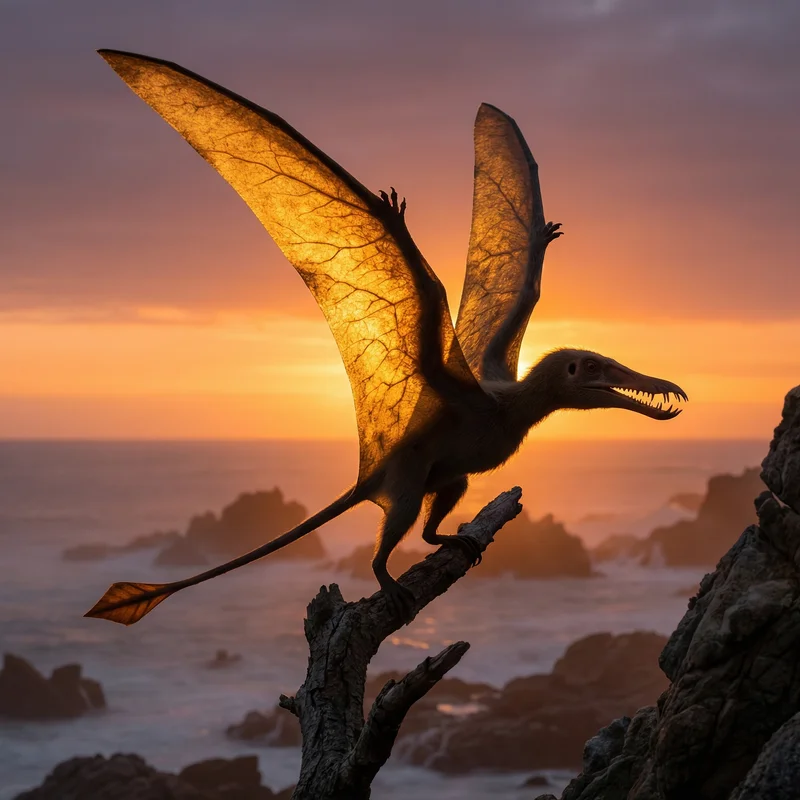 Rhamphorhynchus
Rhamphorhynchus · Jurassic Period · Piscivore
 Rhamphorhynchus
Rhamphorhynchus · Jurassic Period · Piscivore
 Rhamphorhynchus
Rhamphorhynchus · Jurassic Period · Piscivore
 Rhamphorhynchus
Rhamphorhynchus · Jurassic Period · Piscivore
🔗Related Creatures
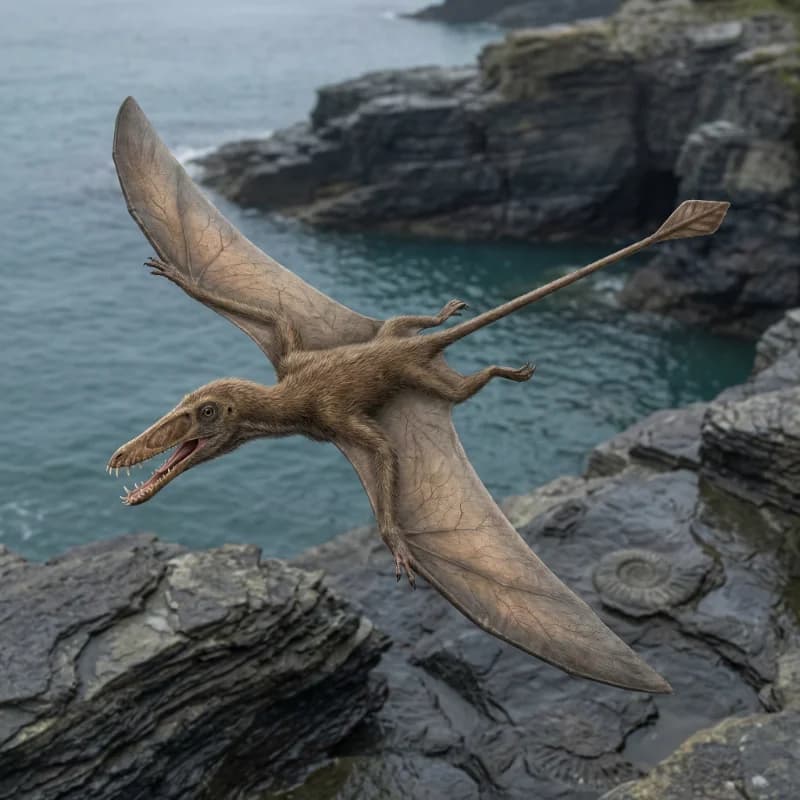
Dorygnathus
Dorygnathus banthensis
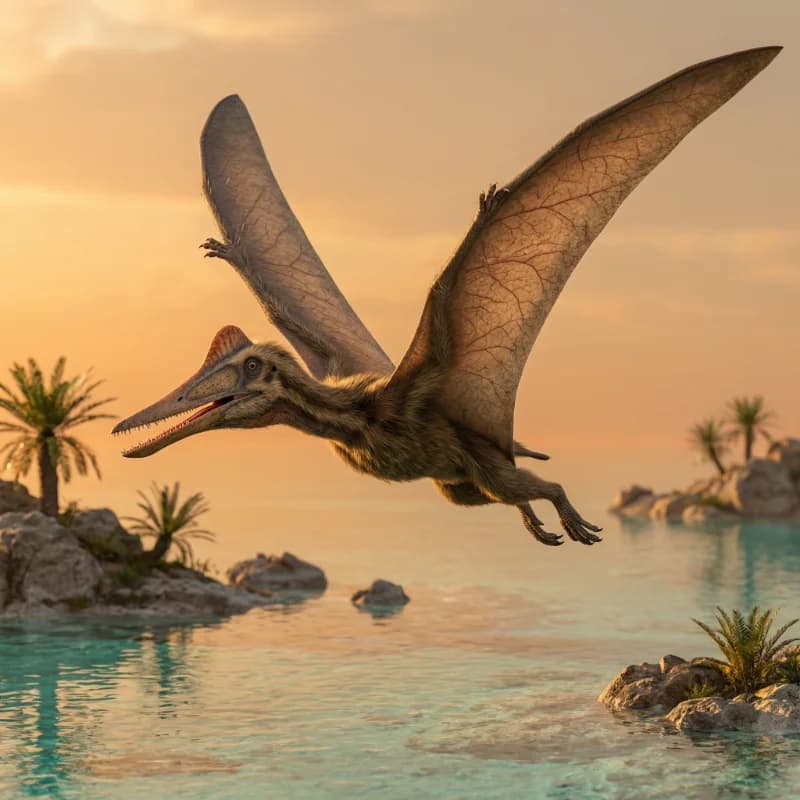
Germanodactylus
Germanodactylus cristatus
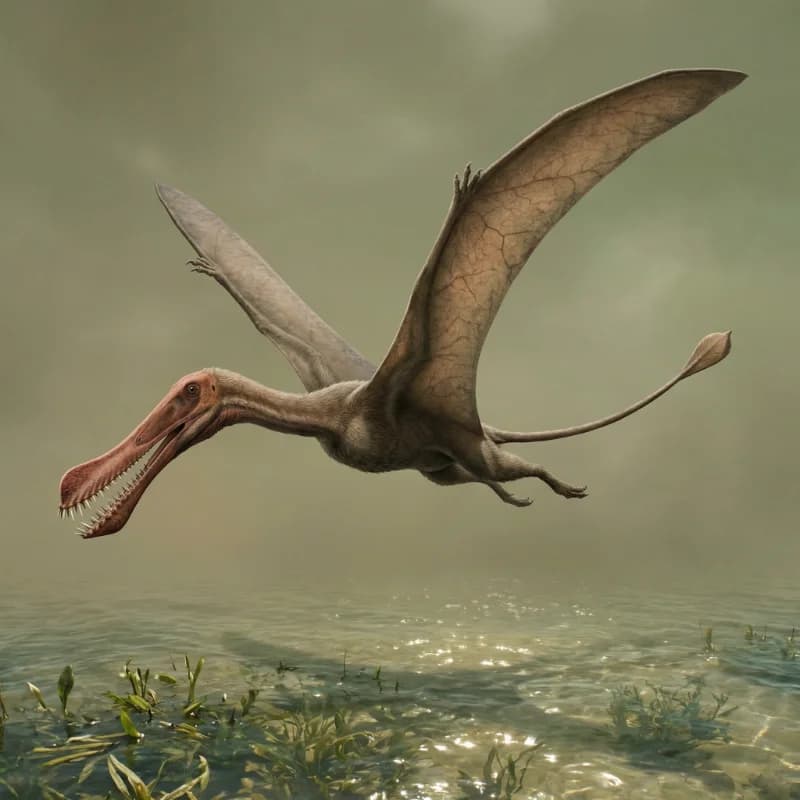
Cearadactylus
Cearadactylus atrox
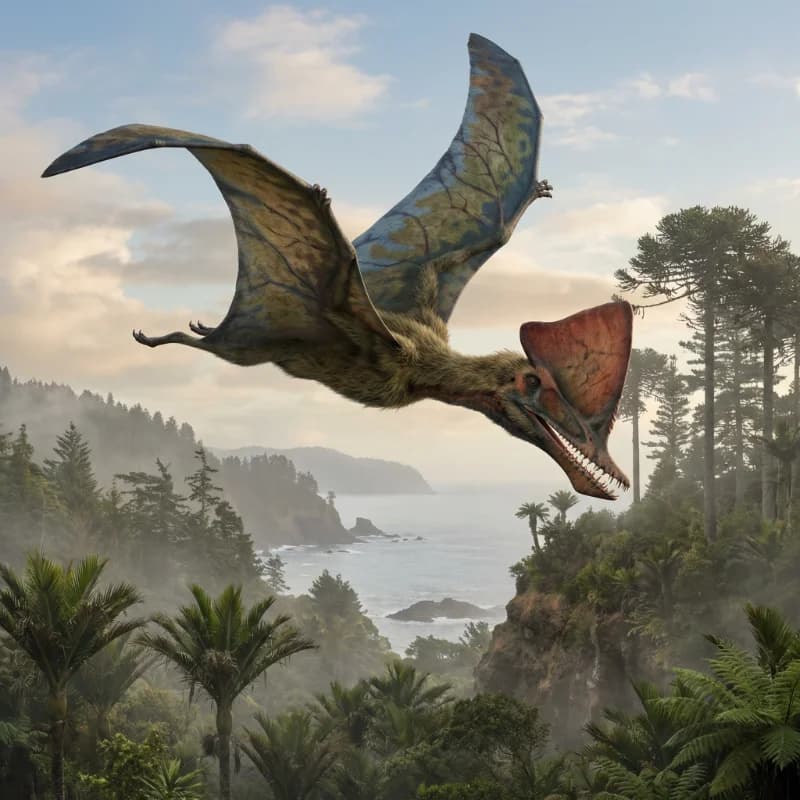
Tropeognathus
Tropeognathus mesembrinus
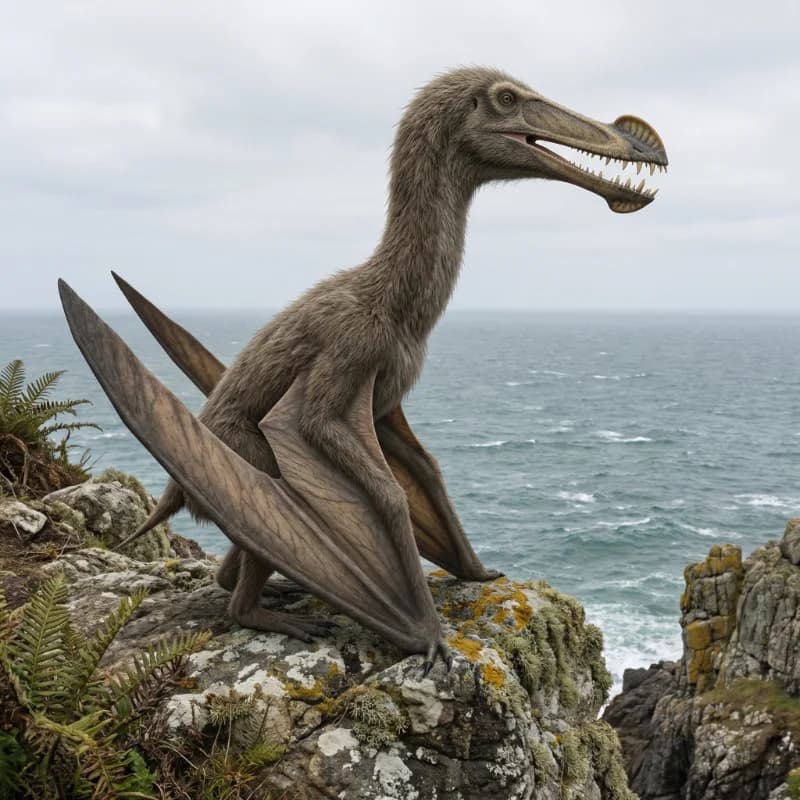
Ornithocheirus
Ornithocheirus simus
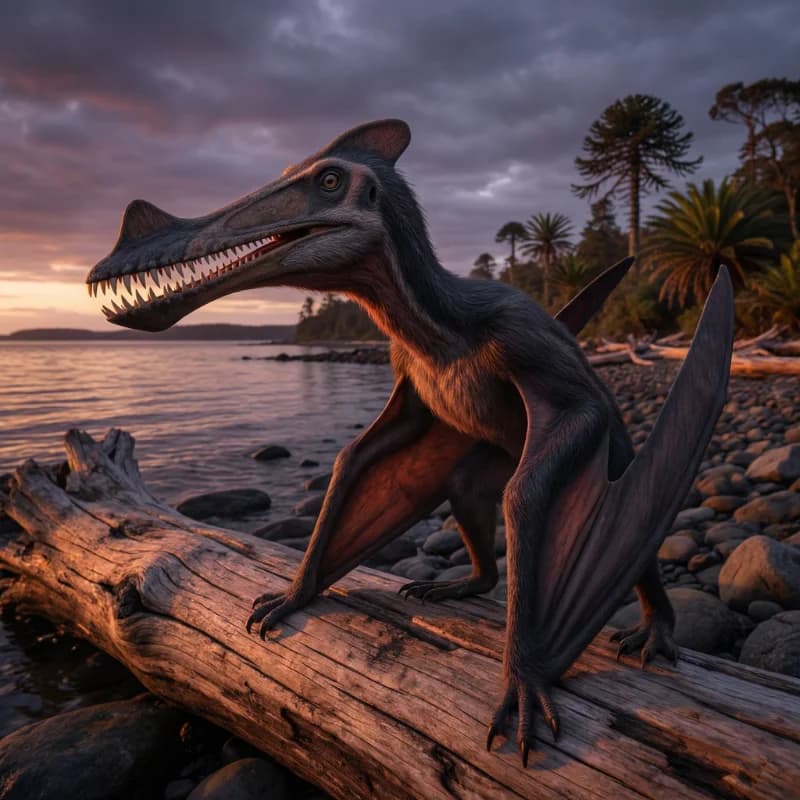
Guidraco
Guidraco venator
Coloborhynchus
Coloborhynchus clavirostris
Nyctosaurus
Nyctosaurus gracilis