Tenontosaurus
Cretaceous Period Herbivore Creature Type
Tenontosaurus tilletti
Scientific Name: "Tenontosaurus: Greek tenon (sinew, tendon) + sauros (lizard) = 'sinew lizard,' referring to the extensive network of ossified tendons stiffening the back and tail. tilletti: honoring the Lloyd Tillett family of Wyoming who assisted Yale field parties."
Local Name: Tenontosaurus
Physical Characteristics
Discovery
Habitat
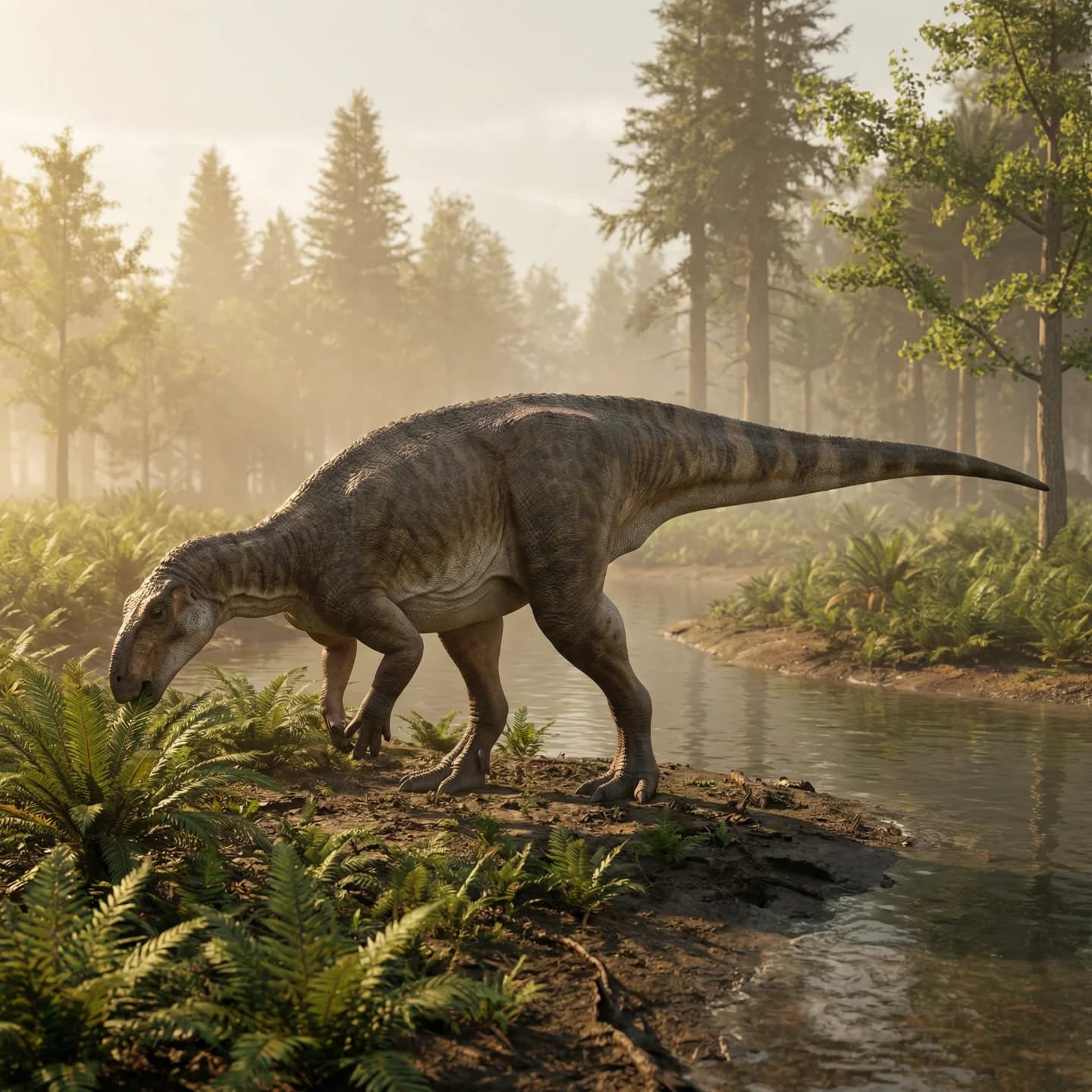
Tenontosaurus Ostrom, 1970 is a medium-sized ornithopod (Ornithopoda) dinosaur that inhabited western North America during the Early Cretaceous (late Aptian to Albian, approximately 115–108 Ma). The genus name derives from the Greek tenon (sinew, tendon) and sauros (lizard), referencing the extensive network of ossified tendons that stiffened its back and tail. Two species are currently recognized: the type species T. tilletti Ostrom, 1970 and T. dossi Winkler, Murry & Jacobs, 1997.
Tenontosaurus is the most common vertebrate fossil in the Cloverly Formation, with over 30 partial skeletons recovered, making it one of the best-known Early Cretaceous ornithopod genera in North America. The genus has attracted particular attention because its remains are repeatedly found in taphonomic association with teeth and skeletal elements of the carnivorous theropod Deinonychus antirrhopus. These associations have become a cornerstone dataset for studying predator-prey relationships in the Cretaceous.
Taxonomically, Tenontosaurus was long placed in Iguanodontidae or Hypsilophodontidae, but modern phylogenetic analyses consistently recover it as a basal member of Iguanodontia. Most recently, studies from 2023–2024 have proposed its placement within a new family, Tenontosauridae, nested within Rhabdodontomorpha (Zanno et al., 2023; Fonseca et al., 2024).
Overview
Name and Etymology
The genus name Tenontosaurus is a compound of the Greek words tenon (τένων, "sinew" or "tendon") and sauros (σαῦρος, "lizard"), reflecting the remarkable system of ossified tendons running along the animal's back and tail. The name originated with Barnum Brown, who informally used the spelling "Tenantosaurus" during the 1930s; Ostrom corrected the orthography to Tenontosaurus in his 1970 formal description (Ostrom, 1970). The specific epithet tilletti honors the Lloyd Tillett family of Wyoming, who provided logistical support to Yale University field parties. The second species, T. dossi, was named after the Doss Ranch site in Parker County, Texas (Winkler et al., 1997).
Taxonomic Status
Tenontosaurus is a valid genus containing two recognized species: T. tilletti (type species) and T. dossi. In his original description, Ostrom assigned it to Iguanodontidae, but subsequent workers reclassified it as a member of Hypsilophodontidae (Forster, 1984). Since the 1990s, phylogenetic analyses have consistently recovered it as intermediate between hypsilophodont-grade taxa and Iguanodon-grade taxa—that is, as a basal member of Iguanodontia more derived than Hypsilophodon but more basal than Dryomorpha (Butler et al., 2011). The most recent analysis (Fonseca et al., 2024) places it within Tenontosauridae alongside Iani smithi and Convolosaurus marri, nested within Rhabdodontomorpha.
Key Summary
The most common herbivorous dinosaur in Early Cretaceous western North America, renowned for its repeated taphonomic association with Deinonychus and central to studies of Cretaceous predator-prey dynamics.
Stratigraphy, Age, and Depositional Environment
Temporal Range
The temporal range of Tenontosaurus spans approximately 115–108 Ma (Early Cretaceous, late Aptian to Albian). Within the Cloverly Formation, specimens occur from the uppermost Little Sheep Mudstone Member through the Himes Member (Ostrom, 1970; Forster, 1984; Oreska et al., 2013). T. dossi is known from the Twin Mountains Formation of Texas, dated to approximately the Barremian–Aptian boundary through the early Albian (Winkler et al., 1997).
Formations and Lithology
The primary formation yielding T. tilletti is the Cloverly Formation, exposed across the Bighorn Basin of Montana and Wyoming. This formation comprises a basal conglomerate (Pryor Conglomerate), bentonitic mudstones (Little Sheep Mudstone Member), and interbedded sandstones and mudstones (Himes Member) (Ostrom, 1970). Tenontosaurus first appears in the uppermost Little Sheep Mudstone Member and persists through the Himes Member; no specimens are known from the lowermost Pryor Conglomerate (Forster, 1984). Additional occurrences have been reported from the Antlers Formation (Oklahoma; silty to sandy mudstone and fine- to coarse-grained sandstone), Paluxy Formation (Texas), Wayan Formation (Idaho), Cedar Mountain Formation (Utah), and Arundel Formation (Maryland) (Forster, 1984; Brinkman et al., 1998). In 2025, specimens were also reported from the Yucca Formation of West Texas.
Paleoenvironment
The Little Sheep Mudstone Member reflects a semi-arid to arid inland environment, while the overlying Himes Member records a transition to a subtropical-to-tropical climate with increased rainfall, featuring river deltas, floodplains, and swampy forests (Forster, 1984; Wedel & Cifelli, 2005). This climatic shift is attributed to the advancing shoreline of the Skull Creek Seaway, an early cycle of the Western Interior Seaway. The Antlers Formation paleoenvironment has been described as tropical to subtropical forests, floodplains, river deltas, coastal swamps, bayous, and lagoons, probably analogous to modern-day Louisiana (Wedel & Cifelli, 2005).
Specimens and Diagnostic Features
Holotype and Key Specimens
The holotype of T. tilletti is AMNH 3040, a partial skeleton collected from the Cloverly Formation of Big Horn County, Montana, by an American Museum of Natural History (AMNH) expedition in 1903 (Ostrom, 1970). The paratype YPM 5456 is a partial skeleton preserving a skull, which served as the primary reference for cranial anatomy (Ostrom, 1970; Thomas, 2015). OMNH 58340, held at the Oklahoma Museum of Natural History, is a nearly complete articulated subadult skeleton that has been instrumental for studies of postcranial and manus anatomy (Hunt et al., 2021).
The holotype of T. dossi was collected from the Twin Mountains Formation of Parker County, Texas, and consists of cranial elements and partial postcranial remains (Winkler et al., 1997).
| Specimen | Species | Composition | Locality / Formation | Key Reference |
|---|---|---|---|---|
| AMNH 3040 | T. tilletti | Partial skeleton (holotype) | Montana, Cloverly Fm. | Ostrom, 1970 |
| YPM 5456 | T. tilletti | Partial skeleton with skull (paratype) | Montana, Cloverly Fm. | Ostrom, 1970; Thomas, 2015 |
| OMNH 58340 | T. tilletti | Nearly complete articulated skeleton | Oklahoma, Antlers Fm. | Hunt et al., 2021 |
| Holotype (T. dossi) | T. dossi | Cranial + partial postcranial | Texas, Twin Mtns. Fm. | Winkler et al., 1997 |
Diagnostic Features
The diagnosis of T. tilletti as provided by Ostrom (1970) includes: a very long, slitlike antorbital fenestra; a quadrate that is long and transversely very narrow with a convex (rather than concave) posterior margin; hook-shaped paroccipital processes that are downturned at their extremities; dentary teeth bearing prominent vertical keels on their medial surfaces; and maxillary teeth bearing numerous non-parallel, subequal minor ridges. T. dossi is distinguished from T. tilletti by a relatively small antorbital fenestra, a dorsal process of the maxilla that does not expand posteriorly above the antorbital fenestra, and a predentary with a ventral process that overlaps with the mandibular symphyses (Winkler et al., 1997).
Morphology and Function
Body Size
Tenontosaurus was a medium-sized ornithopod whose size varied between species. Paul (2016) estimated T. tilletti at approximately 6 m in length and 600 kg in body mass, while Campione & Evans (2020) calculated a higher mass of approximately 971–1,019 kg for the same species using limb bone circumference regressions. T. dossi was estimated at 7–8 m by its original describers (Winkler et al., 1997), and at 7 m and approximately 1,000 kg by Paul (2016). Maximum height in a bipedal stance is estimated at roughly 3 m.
| Species | Length Estimate (m) | Mass Estimate (kg) | Source |
|---|---|---|---|
| T. tilletti | ~6 | ~600 | Paul, 2016 |
| T. tilletti | - | ~971–1,019 | Campione & Evans, 2020 |
| T. dossi | 7–8 | ~1,000 | Winkler et al., 1997; Paul, 2016 |
Skull
The skull of Tenontosaurus is long and deep, with very large external nares (nostril openings) almost entirely encircled by the premaxillae. The premaxillae flare inferiorly to form a thick, U-shaped keratinous beak characteristic of iguanodontians (Ostrom, 1970; Thomas, 2015). The orbit is roughly triangular and larger than the fenestrae anterior or posterior to it. The quadrate is narrow and essentially vertical, and the paroccipital processes are hook-shaped and downturned, resembling those of hadrosaurs (Ostrom, 1970). The mandible is of moderate length and robustness, terminating in a horseshoe-shaped predentary bone lined with projecting denticles that likely anchored the keratinous beak (Thomas, 2015).
Dentition
All teeth of Tenontosaurus are enameled unilaterally (on the medial side only). The maxillary teeth bear a series of non-parallel, subequal ridges on their surfaces, while the dentary teeth lack these ridges but instead possess prominent vertical keels on their inner surfaces (Ostrom, 1970).
Postcranial Skeleton and Locomotion
Tenontosaurus was a facultative quadruped, capable of assuming both bipedal and quadrupedal stances. It shares characters with quadrupedal ornithischians—a tibia shorter than the femur and an anterolateral process on the ulna—as well as with bipedal ornithischians—a relatively narrow pelvis and a pendant fourth trochanter (Forster, 1990; Maidment & Barrett, 2012). The manus shows a mosaic of bipedal and quadrupedal traits: it retains narrow claws (unlike the hoof-like unguals of obligate quadrupeds) and grasping adaptations, while the phalanges are shortened as an adaptation to weight bearing (Hunt et al., 2021). The animal likely assumed a quadrupedal posture while feeding but was probably incapable of rapid quadrupedal locomotion (Forster, 1990).
Tail and Ossified Tendons
The most striking feature of Tenontosaurus is its unusually long and broad tail, which accounts for more than half the animal's total body length. A dense lattice of ossified tendons extended along the back and tail, stiffening the axial skeleton (Ostrom, 1970; Forster, 1990). This tendon system is the basis for the genus name.
Diet and Ecology
Diet
Tenontosaurus was herbivorous, equipped with a powerful U-shaped beak and teeth with angled cutting surfaces capable of processing a variety of plant material. Maximum browsing height in a bipedal stance is estimated at approximately 3 m, restricting this animal—especially juveniles—primarily to low-growing ferns and shrubs. Leaves, woody material, and possibly fruit may have formed part of the diet (Forster, 1984). One specimen was reported to contain possible gastroliths (stomach stones), but a 2022 study suggested these were more likely mineral concretions (Nudds et al., 2022).
Taphonomic Association with Deinonychus
The most ecologically significant aspect of Tenontosaurus is its repeated taphonomic association with Deinonychus antirrhopus. According to Maxwell & Ostrom (1995), of over 50 sites yielding Tenontosaurus, 14 also contain Deinonychus remains, and only 6 Deinonychus sites lack any trace of Tenontosaurus. Overall, approximately 20% of Tenontosaurus fossils are found in close proximity to Deinonychus.
Some researchers interpreted these associations as evidence for pack hunting by Deinonychus. However, Roach & Brinkman (2007) challenged this view, citing evidence for non-cooperative mobbing behavior (as seen in most extant archosaurs) and possible cannibalism among Deinonychus individuals at these sites. The fact that most Tenontosaurus specimens found with Deinonychus are half-grown individuals suggests that Deinonychus primarily targeted juveniles and subadults, while fully grown Tenontosaurus may have been too large to be viable prey (Forster, 1984; Brinkman et al., 1998).
Other Predators
Beyond Deinonychus, the large theropod Acrocanthosaurus atokensis coexisted with Tenontosaurus in the Antlers Formation ecosystem and was likely the apex predator of the region (D'Emic et al., 2012).
Growth and Reproduction
Medullary bone was identified in the femur and tibia of a T. tilletti specimen (OMNH 34784), indicating that this individual was a reproductively active female. The specimen was estimated to be approximately 8 years old and not yet at full adult size, demonstrating that Tenontosaurus reached sexual maturity before attaining maximum body size (Lee & Werning, 2008). Osteohistological study by Werning (2012) revealed that T. tilletti grew rapidly during early life and the subadult stage, but growth slowed dramatically in the years approaching maturity—a pattern distinct from other iguanodontians such as hadrosaurs, which reached much larger adult sizes through sustained rapid growth.
Distribution and Paleogeography
Geographic Range
T. tilletti is known from multiple formations across western North America, with the richest localities in the Cloverly Formation of Montana and Wyoming. Additional records come from the Antlers Formation (Oklahoma), Paluxy Formation (Texas), Wayan Formation (Idaho), Cedar Mountain Formation (Utah), and Arundel Formation (Maryland) (Forster, 1984). T. dossi is restricted to the Twin Mountains Formation of Parker County, Texas (Winkler et al., 1997). In 2025, Tenontosaurus specimens were also reported from the Yucca Formation of West Texas, further expanding its known range.
Paleogeographic Interpretation
During the Early Cretaceous, western North America was situated further south than today and fell within a subtropical-to-tropical climate belt. The paleocoordinates for the Cloverly Formation are estimated at approximately 44.88°N, -51.80°W, placing it within the interior influenced by the Skull Creek Seaway. Despite a dramatic climatic transition from semi-arid to subtropical-tropical conditions during the Albian, Tenontosaurus populations actually increased in abundance, indicating a high degree of ecological adaptability (Forster, 1984).
Phylogeny and Classification
Taxonomic History
Tenontosaurus was originally placed in Iguanodontidae (Ostrom, 1970), then reassigned to Hypsilophodontidae by some authors. From the 1990s onward, phylogenetic analyses consistently recovered it as a basal iguanodontian—more derived than hypsilophodont-grade taxa but more basal than Dryomorpha. In the analysis of Butler et al. (2011), Tenontosaurus was recovered as sister to a clade uniting Rhabdodontidae and Dryomorpha, or as sister to Rhabdodontidae in some topologies.
Recent Phylogenetic Analyses
The description of Iani smithi by Zanno et al. (2023) strongly supported a close relationship between Tenontosaurus and rhabdodontomorphs. Iani exhibits transitional characteristics between Tenontosaurus and other rhabdodontomorphs, and this relationship was verified across two independent datasets (Poole, 2022; Dieudonné et al., 2021). Fonseca et al. (2024) formally defined Tenontosauridae within Rhabdodontomorpha, including Iani, Tenontosaurus, and Convolosaurus, as "the largest clade containing Tenontosaurus tilletti but not Hypsilophodon foxii, Iguanodon bernissartensis, or Rhabdodon priscus" under the PhyloCode. This family may represent an early North American radiation of Rhabdodontomorpha.
Alternative Hypotheses
Some analyses recover Tenontosaurus as more closely related to Dryomorpha than to rhabdodontids, and its precise position varies depending on the data matrix and taxon sampling. Nevertheless, the general consensus—more derived than hypsilophodonts, more basal than Ankylopollexia—is consistent across most studies.
Paleoecology and Faunal Associations
Cloverly Formation Ecosystem
Across the Cloverly Formation, Tenontosaurus is by far the most common vertebrate, approximately five times more abundant than the next most common taxon, the ankylosaur Sauropelta (Oreska et al., 2013). In the arid Little Sheep Mudstone Member, Tenontosaurus is the only herbivorous dinosaur, coexisting with Deinonychus, an indeterminate allosauroid theropod, and goniopholidid crocodylomorphs. In the wetter Himes Member, the fauna expands to include the ornithopod Zephyrosaurus, the oviraptorosaur Microvenator, indeterminate titanosauriform sauropods and ornithomimids, the mammal Gobiconodon, turtles such as Glyptops, and lungfish (Forster, 1984).
Antlers Formation Ecosystem
In the Antlers Formation of Oklahoma, Tenontosaurus and Deinonychus shared their environment with the sauropods Astrodon (Pleurocoelus) and Sauroposeidon proteles, and the apex predator Acrocanthosaurus atokensis. Non-dinosaurian vertebrates included the albanerpetontid Albanerpeton, lizards, the crocodylomorphs Bernissartia and Goniopholis, sharks (Hybodus, Lissodus), bony fish, turtles (Glyptops, Naomichelys), and early mammals including Atokatherium and Paracimexomys (Cifelli et al., 1997; Brinkman et al., 1998).
Flora
During the Albian, North America was blanketed by vast forests. The canopy was dominated by pines, redwoods, araucarians, yews, taxodioids, podocarps, plane trees, magnolialeans, and lauraleans. The forest floor supported a rich understory of cycads, cycadeoids, horsetails, and diverse ferns (Upchurch et al., 1994; Huang & Dilcher, 1994).
Reconstruction and Uncertainties
Well-Established
The basic body plan—an elongate tail comprising more than half total body length, an ossified tendon system, a U-shaped beak, facultative quadrupedality—the herbivorous diet, the Early Cretaceous (Aptian–Albian) age, and the primary localities (Cloverly, Antlers formations, and others) are well-supported by numerous well-preserved specimens.
Probable but Debated
The phylogenetic placement within Rhabdodontomorpha (Tenontosauridae) is supported by multiple recent analyses (2023–2024) but may shift with future data matrices. The predator-prey relationship with Deinonychus is strongly supported taphonomically, but the specific nature of interaction—cooperative pack hunting versus non-cooperative mobbing—remains debated.
Hypothetical or Estimated
Body mass estimates for T. tilletti range from approximately 600 kg (Paul, 2016) to approximately 971–1,019 kg (Campione & Evans, 2020), depending on the estimation method (volumetric models vs. limb circumference regression). Whether Tenontosaurus possessed gastroliths remains uncertain after Nudds et al. (2022) suggested the reported specimens may be mineral concretions. Daily plant intake and other detailed ecological parameters lack direct evidence and remain speculative.
Common Misconceptions
Some older accounts describe Tenontosaurus' forelimb claws as being used for hunting or catching prey—this is incorrect, as Tenontosaurus was a herbivore and its manual claws are associated with feeding and weight support (Hunt et al., 2021). The traditional placement in Iguanodontidae is also outdated and not supported by current phylogenetic analyses.
Comparison with Related and Contemporary Taxa
| Taxon | Age | Distribution | Size (m) | Diet | Classification |
|---|---|---|---|---|---|
| Tenontosaurus tilletti | Aptian–Albian | Western North America | ~6 | Herbivore | Tenontosauridae (Rhabdodontomorpha) |
| Tenontosaurus dossi | Barremian?–Albian | Texas | 7–8 | Herbivore | Tenontosauridae |
| Iani smithi | Turonian | Utah | ~3–4 | Herbivore | Tenontosauridae |
| Rhabdodon priscus | Campanian–Maastrichtian | Europe | ~4–6 | Herbivore | Rhabdodontidae |
| Zalmoxes robustus | Maastrichtian | Europe (Romania) | ~2–3 | Herbivore | Rhabdodontidae |
| Dryosaurus altus | Late Jurassic | North America | ~3–4 | Herbivore | Dryosauridae (Dryomorpha) |
Tenontosaurus represents an early North American radiation of Rhabdodontomorpha, allied with but geographically and temporally distinct from the European rhabdodontids (Rhabdodon, Zalmoxes, Mochlodon).
Fun Facts
FAQ
📚References
- Ostrom, J. H. (1970). Stratigraphy and paleontology of the Cloverly Formation (Lower Cretaceous) of the Bighorn Basin area, Wyoming and Montana. Bulletin of the Peabody Museum of Natural History, 35, 1–234.
- Winkler, D. A., Murry, P. A., & Jacobs, L. L. (1997). A new species of Tenontosaurus (Dinosauria: Ornithopoda) from the Early Cretaceous of Texas. Journal of Vertebrate Paleontology, 17(2), 330–348. doi:10.1080/02724634.1997.10010978
- Forster, C. A. (1984). The paleoecology of the ornithopod dinosaur Tenontosaurus tilletti from the Cloverly Formation, Big Horn Basin of Wyoming and Montana. The Mosasaur, 2, 151–163.
- Forster, C. A. (1990). The postcranial skeleton of the ornithopod dinosaur Tenontosaurus tilletti. Journal of Vertebrate Paleontology, 10(3), 273–294. doi:10.1080/02724634.1990.10011815
- Thomas, A. (2015). The cranial anatomy of Tenontosaurus tilletti Ostrom, 1970 (Dinosauria, Ornithopoda). Palaeontologia Electronica, 18.2.37A, 1–99.
- Maxwell, W. D., & Ostrom, J. H. (1995). Taphonomy and paleobiological implications of Tenontosaurus–Deinonychus associations. Journal of Vertebrate Paleontology, 15(4), 707–712. doi:10.1080/02724634.1995.10011256
- Roach, B. T., & Brinkman, D. L. (2007). A reevaluation of cooperative pack hunting and gregariousness in Deinonychus antirrhopus and other nonavian theropod dinosaurs. Bulletin of the Peabody Museum of Natural History, 48(1), 103–138.
- Lee, A. H., & Werning, S. (2008). Sexual maturity in growing dinosaurs does not fit reptilian growth models. Proceedings of the National Academy of Sciences, 105(2), 582–587. doi:10.1073/pnas.0708903105
- Werning, S. (2012). The ontogenetic osteohistology of Tenontosaurus tilletti. PLOS ONE, 7(3), e33539. doi:10.1371/journal.pone.0033539
- Butler, R. J., Liyong, J., Jun, C., & Godefroit, P. (2011). The postcranial osteology and phylogenetic position of the small ornithischian dinosaur Changchunsaurus parvus from the Quantou Formation (Cretaceous: Aptian–Cenomanian) of Jilin Province, north-eastern China. Palaeontology, 54(3), 667–683. doi:10.1111/j.1475-4983.2011.01046.x
- Zanno, L. E., Gates, T. A., Avrahami, H. M., Tucker, R. T., & Makovicky, P. J. (2023). An early-diverging iguanodontian (Dinosauria: Rhabdodontomorpha) from the Late Cretaceous of North America. PLOS ONE, 18(6), e0286042. doi:10.1371/journal.pone.0286042
- Fonseca, A. O., Reid, I. J., Venner, A., Duncan, R. J., Garcia, M. S., & Müller, R. T. (2024). A comprehensive phylogenetic analysis on early ornithischian evolution. Journal of Systematic Palaeontology, 22(1), 2346577. doi:10.1080/14772019.2024.2346577
- Hunt, T. C., Cifelli, R. L., & Davies, K. L. (2021). The hand of Tenontosaurus tilletti (Dinosauria, Ornithopoda). Journal of Vertebrate Paleontology, 41(2), e1938591. doi:10.1080/02724634.2021.1938591
- Campione, N. E., & Evans, D. C. (2020). The accuracy and precision of body mass estimation in non-avian dinosaurs. Biological Reviews, 95(6), 1759–1797. doi:10.1111/brv.12638
- Paul, G. S. (2016). The Princeton Field Guide to Dinosaurs (2nd ed.). Princeton University Press.
- Oreska, M. P. J., Carrano, M. T., & Dzikiewicz, K. M. (2013). Vertebrate paleontology of the Cloverly Formation (Lower Cretaceous), I: faunal composition, biogeographic relationships, and sampling. Journal of Vertebrate Paleontology, 33(2), 264–292. doi:10.1080/02724634.2012.717567
- Nudds, J. R., Lomax, D. R., & Tennant, J. P. (2022). Gastroliths and Deinonychus teeth associated with a skeleton of Tenontosaurus from the Cloverly Formation (Lower Cretaceous), Montana, USA. Cretaceous Research, 140, 105327. doi:10.1016/j.cretres.2022.105327
- Wedel, M. J., & Cifelli, R. L. (2005). Sauroposeidon: Oklahoma's native giant. Oklahoma Geology Notes, 65(2), 40–57.
- Maidment, S. C. R., & Barrett, P. M. (2012). Osteological correlates for quadrupedality in ornithischian dinosaurs. Acta Palaeontologica Polonica, 59(1), 53–70. doi:10.4202/app.2012.0065
- D'Emic, M. D., Melstrom, K. M., & Eddy, D. R. (2012). Paleobiology and geographic range of the large-bodied Cretaceous theropod dinosaur Acrocanthosaurus atokensis. Palaeogeography, Palaeoclimatology, Palaeoecology, 333–334, 13–23. doi:10.1016/j.palaeo.2012.03.003
- Brinkman, D. L., Cifelli, R. L., & Czaplewski, N. J. (1998). First occurrence of Deinonychus antirrhopus (Dinosauria: Theropoda) from the Antlers Formation (Lower Cretaceous: Aptian–Albian) of Oklahoma. Oklahoma Geological Survey, 164, 1–27.
- Cifelli, R. L., Gardner, J. D., Nydam, R. L., & Brinkman, D. L. (1997). Additions to the vertebrate fauna of the Antlers Formation (Lower Cretaceous), southeastern Oklahoma. Oklahoma Geology Notes, 57(4), 124–131.
Gallery
5 images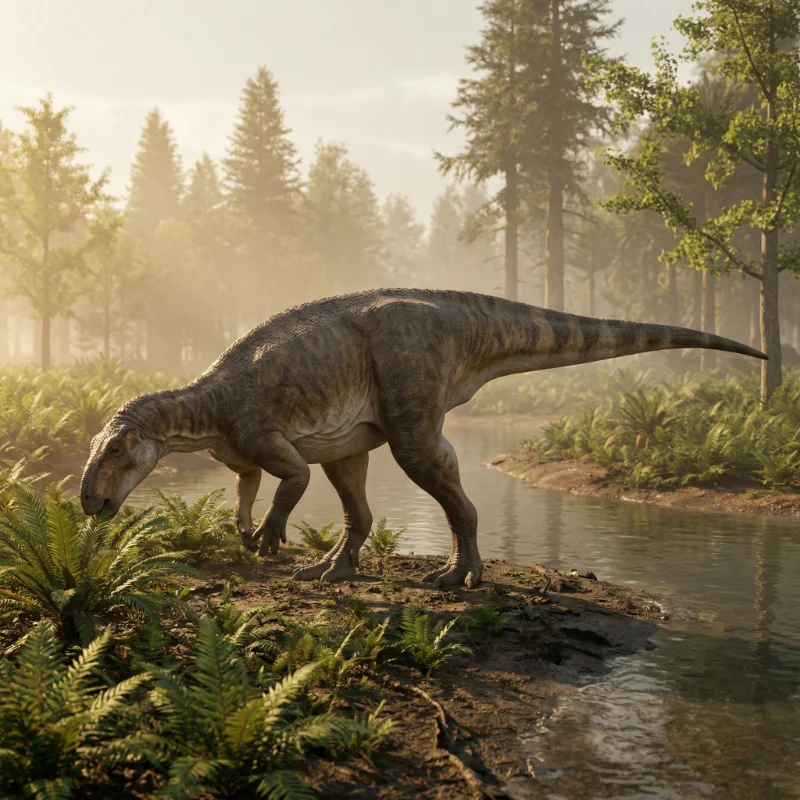 Tenontosaurus
Tenontosaurus · Cretaceous Period · Herbivore
 Tenontosaurus
Tenontosaurus · Cretaceous Period · Herbivore
 Tenontosaurus
Tenontosaurus · Cretaceous Period · Herbivore
 Tenontosaurus
Tenontosaurus · Cretaceous Period · Herbivore
 Tenontosaurus
Tenontosaurus · Cretaceous Period · Herbivore
🔗Related Creatures
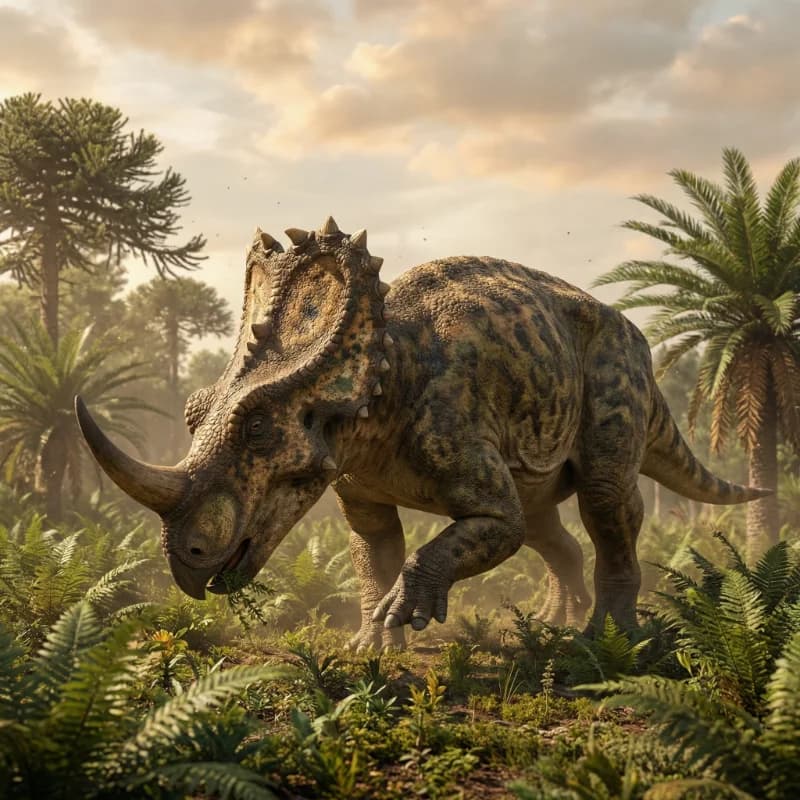
Centrosaurus
Centrosaurus apertus
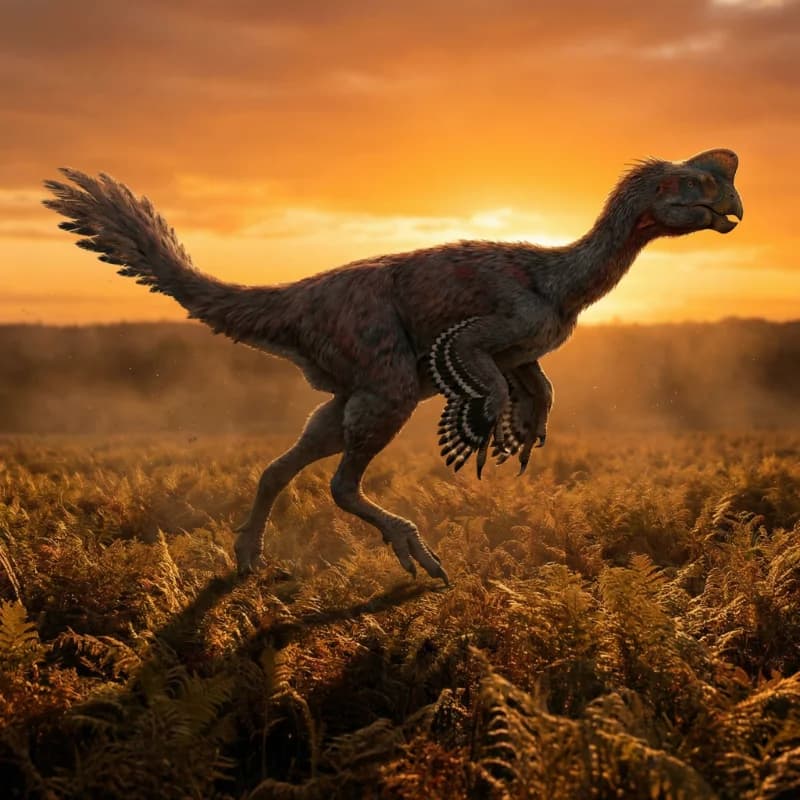
Yanbeilong
Yanbeilong ultimus
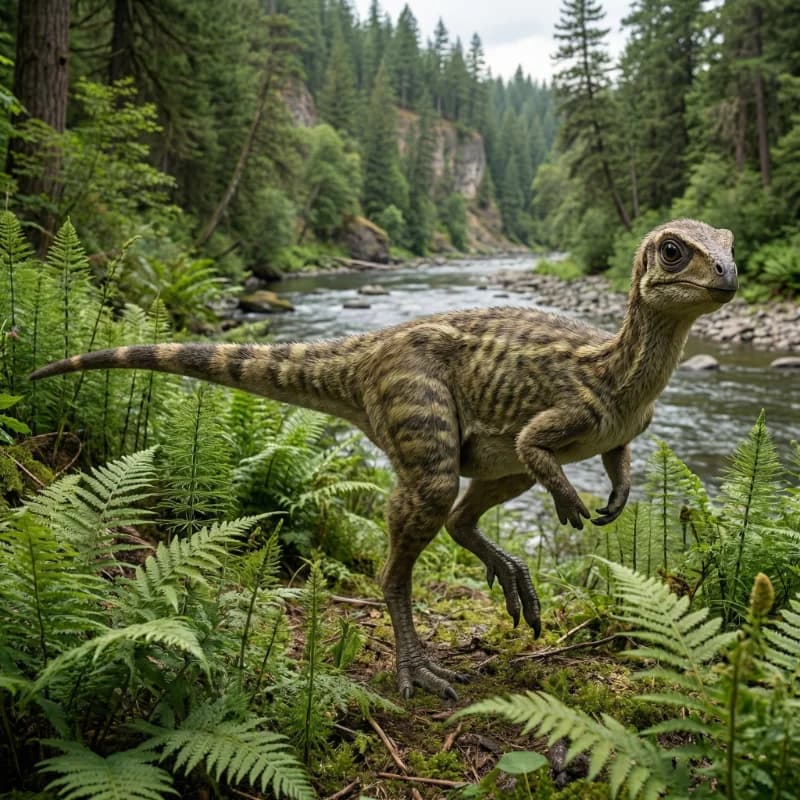
Hypsilophodon
Hypsilophodon foxii
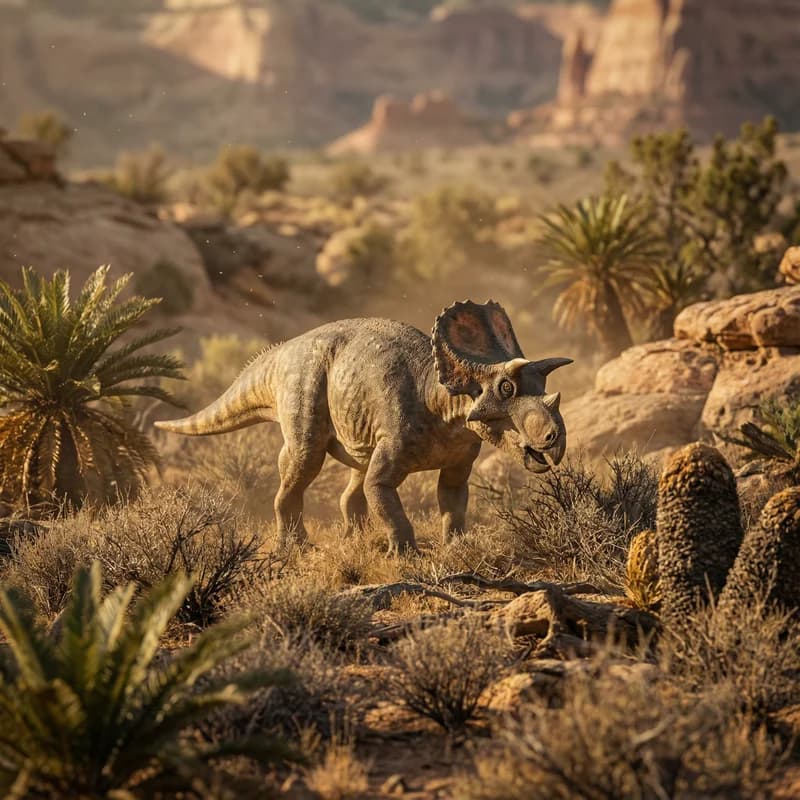
Zuniceratops
Zuniceratops christopheri
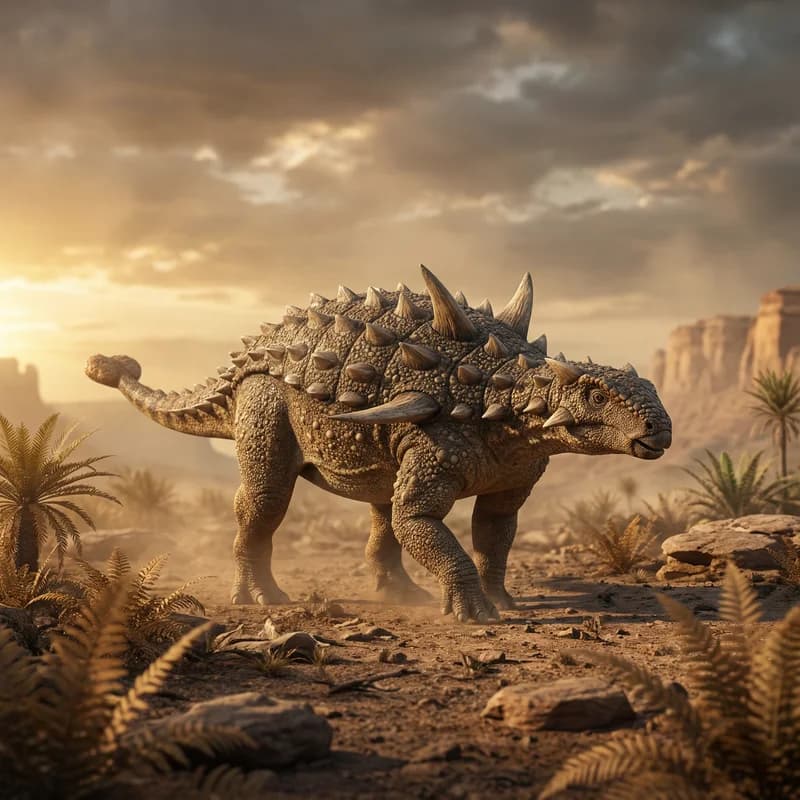
Gastonia
Gastonia burgei
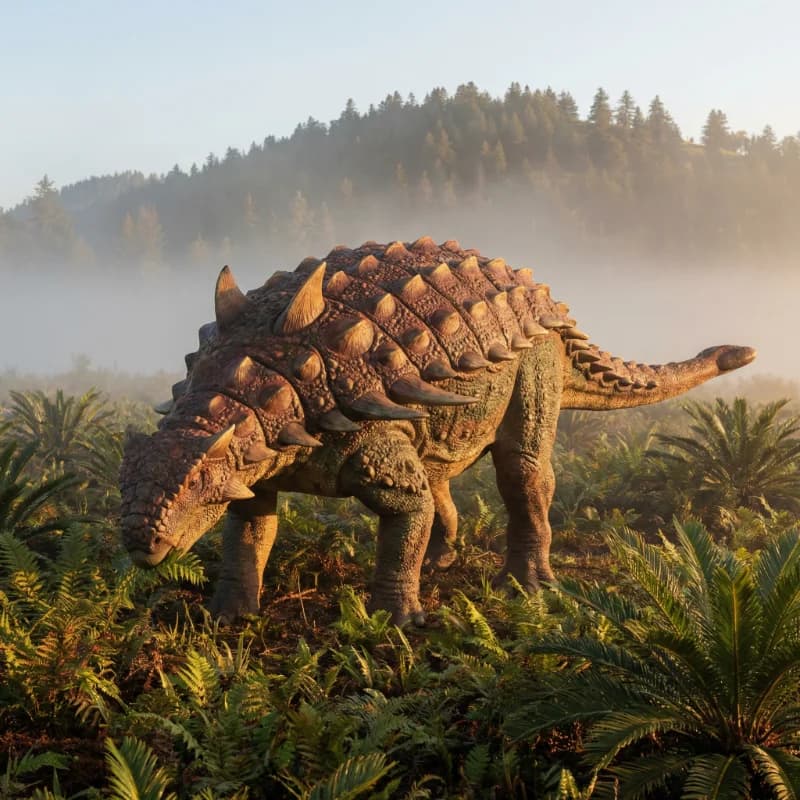
Peloroplites
Peloroplites cedrimontanus
Parasaurolophus
Parasaurolophus walkeri
Pachycephalosaurus
Pachycephalosaurus wyomingensis