Parasaurolophus
Cretaceous Period Herbivore Creature Type
Parasaurolophus walkeri
Scientific Name: "Greek para (beside, near) + sauros (lizard) + lophos (crest) — 'near crested lizard,' in reference to Saurolophus"
Local Name: Parasaurolophus
Physical Characteristics
Discovery
Habitat

Parasaurolophus Parks, 1922 is a genus of lambeosaurine hadrosaurid ("duck-billed") dinosaur from the Late Cretaceous (Campanian, approximately 76.5–73 Ma) of western North America. The genus name derives from the Greek para (παρα, "beside" or "near") + sauros (σαυρος, "lizard") + lophos (λοφος, "crest"), meaning "near crested lizard" — a reference to the superficially similar Saurolophus, though the two genera belong to entirely separate hadrosaurid subfamilies (Liddell & Scott, 1980). Three species are currently recognized as valid: the type species P. walkeri Parks, 1922 (Alberta, Canada), P. tubicen Wiman, 1931 (New Mexico, USA), and P. cyrtocristatus Ostrom, 1961 (New Mexico and Utah, USA). Known from only a handful of well-preserved specimens, Parasaurolophus is one of the rarer hadrosaurids.
The most conspicuous feature of Parasaurolophus is its hollow, tubular cranial crest that projects posterodorsally from the skull. The crest is formed primarily by the premaxilla and nasal bones, and houses complex internal nasal passages. In P. walkeri, the skull including the crest measures approximately 1.6 m in length (Lull & Wright, 1942). Computer simulations (Weishampel, 1981; Diegert & Williamson, 1998) and physical 3D-printed models (Lin, 2024) have demonstrated that this structure could function as a resonating chamber, generating sounds in the range of approximately 30–720 Hz. Additional proposed functions include visual species and sex recognition and thermoregulation, suggesting that the crest served multiple purposes simultaneously (Evans, 2006).
The body plan is that of a typical large hadrosaurid. The type specimen of P. walkeri (ROM 768) is estimated at approximately 9.45 m in total length (Farke et al., 2013). Body mass estimates vary significantly depending on methodology: Gregory S. Paul (2016) estimated an average adult P. walkeri at approximately 7.5 m and 2.6 tonnes, while Seebacher's (2001) allometric length-mass model yields over 5 tonnes for a 9-m individual. Parasaurolophus was a facultative biped-quadruped, with robust hindlimbs, a relatively short forelimb, and tall neural spines along the vertebral column that enhanced the height of the back.
Overview
Name and Etymology
The genus name Parasaurolophus combines the Greek para ("beside" or "near"), sauros ("lizard"), and lophos ("crest"), translating to "near crested lizard" (Liddell & Scott, 1980). William Parks (1922) chose this name because he initially perceived a resemblance to Saurolophus in the crested skull. However, subsequent phylogenetic analyses placed the two genera in separate hadrosaurid subfamilies: Parasaurolophus in Lambeosaurinae (hollow-crested forms) and Saurolophus in Hadrosaurinae/Saurolophinae (solid-crested or crestless forms) (Gilmore, 1924; Evans & Reisz, 2007).
The type species P. walkeri was named in honor of Sir Byron Edmund Walker, chairman of the Board of Trustees of the Royal Ontario Museum (Parks, 1922). The second species, P. tubicen (Wiman, 1931), takes its specific epithet from the Latin tǔbǐcěn ("trumpeter"), while the third species, P. cyrtocristatus (Ostrom, 1961), derives from the Latin curtus ("shortened") and cristatus ("crested") (Simpson, 1979).
Taxonomic Status
Three species are universally accepted. A fourth species, P. jiayinensis (originally Charonosaurus jiayinensis Godefroit, Zan & Jin, 2000), was placed within Parasaurolophus by Xing et al. (2014), but this arrangement is not widely adopted, and most workers retain Charonosaurus as a separate genus. The most recent phylogenetic analysis by Gates et al. (2021), utilizing a modified version of the Prieto-Márquez et al. (2018) matrix with 286 characters, recovered P. cyrtocristatus and P. tubicen as sister taxa, with P. walkeri as their outgroup — a topology that differs from earlier hypotheses grouping the long-crested species together.
One-Line Summary
A Late Cretaceous lambeosaurine hadrosaurid distinguished by its hollow, tubular cranial crest that likely functioned in acoustic resonance, visual signaling, and thermoregulation.
Stratigraphy, Age, and Depositional Environment
Temporal Range
The fossil record of Parasaurolophus spans the Campanian stage, from approximately 76.5 to 73 Ma (Evans et al., 2009). P. walkeri occurs in the Dinosaur Park Formation (~77–76 Ma; Eberth, 2005), P. cyrtocristatus in the Fruitland Formation (~76.1–75 Ma; Fassett & Heizler, 2017), and P. tubicen in the De-Na-Zin Member of the Kirtland Formation (~75–73.05 Ma; Sullivan & Lucas, 2006). Short-crested Parasaurolophus material from the Kaiparowits Formation of Utah (~76.6–74.5 Ma; Roberts et al., 2005) remains unresolved at the species level.
Formations and Lithology
| Species | Formation | Member/Interval | Primary Lithology | Age (Ma) |
|---|---|---|---|---|
| P. walkeri | Dinosaur Park Fm. | Lower | Sandstone, mudstone, siltstone | ~77–76 |
| P. cyrtocristatus | Fruitland Fm. | Fossil Forest Mbr. | Sandstone, carbonaceous shale, mudstone | ~76.1–75 |
| P. tubicen | Kirtland Fm. | De-Na-Zin Mbr. | Gray shale, sandstone, mudstone | ~75–73.05 |
| Parasaurolophus sp. | Kaiparowits Fm. | Middle | Sandstone, mudstone | ~76.6–74.5 |
Paleoenvironment
The Dinosaur Park Formation is interpreted as a low-relief fluvial-floodplain setting that transitioned over time into increasingly swampy, marine-influenced estuarine conditions as the Western Interior Seaway transgressed westward (Currie & Koppelhus, 2005). The climate was warmer than modern Alberta, frost-free, with distinct wet and dry seasons. Conifers dominated the canopy, with an understory of ferns, tree ferns, and angiosperms.
The Fruitland and Kirtland formations of New Mexico were deposited in coastal lowland-to-fluvial environments along the western margin of the Western Interior Seaway. Coal beds in the upper Fruitland Formation attest to extensive swamp development. The Kirtland Formation records river floodplain environments following seaway regression (Sullivan & Lucas, 2006). The Kaiparowits Formation represents a large-scale fluvial system with abundant wetland peat swamps, ponds, and lakes in a wet, humid climate, bordered by highlands — preserving one of the richest Late Cretaceous terrestrial ecosystems known (Titus & Loewen, 2013).
Specimens and Diagnostic Characters
Holotypes and Key Specimens
| Specimen | Species | Repository | Composition | Locality/Formation | Notes |
|---|---|---|---|---|---|
| ROM 768 | P. walkeri (holotype) | Royal Ontario Museum | Skull with crest + partial skeleton (most of tail and lower hindlimbs missing) | Alberta, Dinosaur Park Fm. | Found 1920; skin impressions preserved |
| PMU.R1250 | P. tubicen (holotype) | Uppsala University | Partial skull (crest fragment) | New Mexico, Kirtland Fm. | Collected 1921 by C.H. Sternberg |
| NMMNH P-25100 | P. tubicen (referred) | New Mexico Museum of Natural History | Nearly complete skull | New Mexico, Kirtland Fm., De-Na-Zin Mbr. | Found 1995; CT-scanned for acoustic study |
| FMNH P-27393 | P. cyrtocristatus (holotype) | Field Museum | Partial skull (short crest) + most of postcranial skeleton | New Mexico, Fruitland Fm. | Collected 1923 by C. Sternberg |
| DMNH EPV.132300 | P. cyrtocristatus (referred) | Denver Museum of Nature & Science | Partial skull (excellently preserved) | New Mexico, Fruitland Fm., Fossil Forest Mbr. | Described by Gates et al. (2021) |
| RAM 14000 | Parasaurolophus sp. (juvenile) | Raymond M. Alf Museum | Nearly complete skull + skeleton | Utah, Kaiparowits Fm. | ~1-year-old juvenile, total length ~2.5 m |
| BYU 2467 | cf. P. cyrtocristatus | Brigham Young University | Partial skull (short crest) | Utah, Kaiparowits Fm. | Reported 1979 |
Diagnostic Characters
Following the revised genus diagnosis by Gates et al. (2021): dorsal premaxillae extending posterodorsally over the skull roof to form paired tubular chambers for the narial canal; nasals extending posterodorsally nearly to the end of the crest to form hollow tubular narial chambers; jugal with a large dorsally directed lacrimal finger and corresponding indentation; frontonasal platform extended posterodorsally to underlie the crest, thickened and steeply angled (Evans, Reisz & Dupuis, 2007; Gates et al., 2021). Additional phylogenetically derived synapomorphies include an extremely deep posterior constriction of the jugal (ratio > 1.35), relatively short and stocky humeral proportions (ratio < 4.25), and a lateroventrally projecting supraacetabular crest of the ilium.
Specimen Limitations
Parasaurolophus is relatively rare among hadrosaurids, with fewer than six well-preserved adult skulls, one juvenile skull (RAM 14000), and one juvenile braincase known. This limited sample constrains understanding of intraspecific variation, sexual dimorphism, and ontogenetic change. The holotype of P. cyrtocristatus (FMNH P-27393) is particularly poorly preserved cranially, so prior to the discovery of DMNH EPV.132300, species diagnosis relied heavily on overall crest shape — a character known to change through ontogeny (Gates et al., 2021).
Morphology and Function
Body Size
Size estimates for Parasaurolophus vary considerably by species and methodology. The P. walkeri holotype (ROM 768) is estimated at approximately 9.45 m total length (Farke et al., 2013), while Paul (2016) estimated an average adult at 7.5 m and 2.6 tonnes. Seebacher's (2001) allometric length-mass equations yield over 5 tonnes for a 9-m individual, highlighting the sensitivity of mass estimates to methodology. P. tubicen is considered the largest species (Sullivan & Williamson, 1999). The femur of P. walkeri measures 103 cm and is robust for its length compared to other hadrosaurids (Lull & Wright, 1942).
Skull and Crest
The crest is composed of the premaxilla and nasal bones. Analysis of the disarticulated juvenile specimen DMNH EPV.132300 by Gates et al. (2021) definitively resolved the osteological composition: the dorsal processes of the premaxillae form the dorsal, posterior, and a minor ventral portion of the crest; the nasals constitute approximately 80% of the ventral paired tubes; and the lateral premaxillary processes act as a lateral cover between the dorsal and ventral tubes. This pattern matches that of other lambeosaurines such as Corythosaurus.
Crest morphology is species-diagnostic. P. walkeri and P. tubicen have long, slightly curved crests, but P. tubicen possesses a more complex internal tube structure with blind diverticula (Sullivan & Williamson, 1999). P. cyrtocristatus has a shorter crest that curves sharply ventrally (Ostrom, 1961). The juvenile specimen RAM 14000 shows a low, hemispherical crest, demonstrating that crest growth began earlier in Parasaurolophus than in other lambeosaurines (Farke et al., 2013).
Dentition and Feeding Apparatus
Parasaurolophus possessed the characteristic hadrosaurid dental battery — hundreds of tightly packed teeth in continuous replacement. The anterior end of the jaw was covered by a keratinous beak suited for cropping vegetation, and a cheek-like organ held food within the oral cavity during processing (Horner et al., 2004). As a lambeosaurine, Parasaurolophus had a narrower beak than hadrosaurines (saurolophines), suggesting a more selective, browsing feeding strategy (Bakker, 1986). It could forage up to approximately 4 m above ground level.
Locomotion
Like other hadrosaurids, Parasaurolophus was a facultative biped-quadruped. The forelimbs were relatively short with a broad scapula, while the upper arm and pelvic elements were robustly built (Brett-Surman & Wagner, 2006). The animal likely foraged quadrupedally but switched to bipedal locomotion when running at speed (Weishampel et al., 2004).
Skin
Skin impressions preserved with the P. walkeri holotype (ROM 768) show uniform tubercle-like scales without larger ornamental structures (Parks, 1922).
Diet and Ecology
Diet
Parasaurolophus was an herbivore whose diet likely included leaves, twigs, and conifer needles (Bakker, 1986). The narrow lambeosaurine beak morphology is consistent with a browsing strategy — selective feeding on particular plant material rather than indiscriminate bulk feeding. The dental battery permitted an efficient grinding motion analogous to mammalian chewing, enabling processing of tough plant matter.
Crest Function: Acoustics, Vision, and Thermoregulation
Numerous hypotheses have been proposed for crest function, but current consensus supports a multi-functional model combining acoustic resonance, visual display, and thermoregulation (Evans, 2006).
Weishampel (1981) modeled the internal tube structure as an open-pipe/closed-pipe system and estimated a sound frequency range of approximately 55–720 Hz. Digital acoustic modeling of the well-preserved P. tubicen skull (NMMNH P-25100) by Diegert & Williamson (1998) at Sandia National Laboratories yielded a primary resonance at approximately 30 Hz, with complex sinus anatomy creating peaks and valleys in the sound spectrum. Most recently, Hongjun Lin (New York University) constructed a physical 3D-printed model of the crest and experimentally identified resonance peaks at approximately 581, 827, and 1,056 Hz (presented at ASA Meeting, 2024).
For visual signaling, the crest's large size and distinctive shape would have allowed species and sex recognition among sympatric lambeosaurines. Hadrosaurids possessed large orbits and scleral rings indicative of acute, diurnal vision (Hopson, 1975; Evans, 2006). The crest's extensive surface area and vascularization additionally suggest a thermoregulatory role (Wheeler, 1978; Sullivan & Williamson, 1996).
Earlier hypotheses — snorkel, air reservoir, weapon, olfactory enhancement — have been rejected (Norman, 1985; Glut, 1997).
Ecological Role
In the Dinosaur Park Formation ecosystem, Parasaurolophus was a relatively rare constituent, co-occurring with Gryposaurus, Corythosaurus, Centrosaurus, Chasmosaurus, Gorgosaurus, and Daspletosaurus (Currie & Koppelhus, 2005). In New Mexico, it shared its habitat with Bistahieversor (tyrannosaurid), Pentaceratops, Anasazisaurus, and Kritosaurus (Sullivan & Lucas, 2006). In the Kaiparowits Formation of Utah, contemporaries included Teratophoneus, Kosmoceratops, Gryposaurus monumentensis, and the oviraptorosaur Hagryphus (Zanno & Sampson, 2005).
Some workers have suggested that the rarity of Parasaurolophus in the Dinosaur Park Formation may indicate that these animals primarily inhabited more upland regions that are poorly represented in the fossil record, with specimens in lowland formations representing migrants passing through (Tanke & Carpenter, 2001).
Growth and Ontogeny
The juvenile specimen RAM 14000 ("Joe"), discovered in 2009 in the Kaiparowits Formation, represents an approximately 1-year-old individual with a total length of about 2.5 m — the youngest and most complete Parasaurolophus known (Farke et al., 2013). Its crest is low and hemispherical rather than elongate and tubular as in adults, yet it is more developed than those of other lambeosaurine juveniles of equivalent size, demonstrating that crest growth in Parasaurolophus commenced earlier than in relatives such as Corythosaurus. A partial cranial endocast — the first for any ontogenetic stage of Parasaurolophus — was reconstructed from CT scan data of this specimen.
Distribution and Paleogeography
Geographic Range
Confirmed localities span three regions: Alberta, Canada (Red Deer River area, Dinosaur Park Formation); San Juan County, New Mexico, USA (Fruitland and Kirtland formations); and Garfield County, Utah, USA (Kaiparowits Formation). This represents a north-south distribution of approximately 2,000 km along the western coast of the Laramidian landmass, west of the Western Interior Seaway.
Paleogeographic Context
During the Campanian, the Western Interior Seaway divided North America into two landmasses: Laramidia to the west and Appalachia to the east. Parasaurolophus inhabited the broad coastal plains between the Sevier Orogeny highlands (proto-Rocky Mountains) and the seaway's western shore, under subtropical to warm-temperate humid conditions. The co-occurrence of Parasaurolophus and Kritosaurus in both northern (Alberta) and southern (New Mexico) localities may reflect faunal interchange between otherwise distinct northern and southern Laramidian biomes, with both taxa being predominantly members of the southern fauna (Tanke & Carpenter, 2001).
Phylogeny and Taxonomic Debates
Phylogenetic Position
Parasaurolophus belongs to the subfamily Lambeosaurinae of Hadrosauridae. Its closest known relative is Charonosaurus from the Amur region of northeastern China, and together they form the tribe Parasaurolophini (Evans & Reisz, 2007; Godefroit et al., 2000). The most recent phylogenetic analysis by Gates et al. (2021), employing a modified Prieto-Márquez et al. (2018) matrix with 286 characters and PAUP 4.0a164 heuristic searches, recovered P. cyrtocristatus + P. tubicen as sister taxa, with P. walkeri as their outgroup. This result is consistent with the geographic and stratigraphic pattern of P. cyrtocristatus and P. tubicen co-occurring in New Mexico in sequential formations (Fruitland → Kirtland).
Sexual Dimorphism Debate
The short crest of P. cyrtocristatus prompted suggestions that it may represent the female (Hopson, 1975) or juvenile form (Williamson, 2000) of P. walkeri or P. tubicen. However, differences in temporal range, geographic distribution, and detailed crest internal structure between these taxa argue against synonymy. Most recent studies recognize P. cyrtocristatus as a valid, distinct species (Sullivan & Williamson, 1999; Hone et al., 2011; Gates et al., 2021).
Relationship with Charonosaurus
Xing et al. (2014) placed Charonosaurus jiayinensis within Parasaurolophus as P. jiayinensis, but this arrangement is not widely accepted. Most analyses recover Charonosaurus as the sister taxon of Parasaurolophus rather than a member of the genus.
Reconstruction and Uncertainty
Established Facts
The following aspects are well-established: Parasaurolophus was a large lambeosaurine hadrosaurid with a hollow, tubular cranial crest; the crest housed complex nasal passages formed primarily by the premaxilla and nasals; the animal was a facultatively bipedal-quadrupedal herbivore with a dental battery; skin impressions show uniform tubercle-like scales.
Well-Supported Hypotheses
The acoustic resonance, visual recognition, and thermoregulatory functions of the crest are supported by strong anatomical and computational evidence, though the relative importance and evolutionary priority of each function remain unresolved. Herding behavior is suggested broadly for hadrosaurids but direct evidence (e.g., bonebeds) specific to Parasaurolophus is limited.
Speculative Aspects
Body mass estimates range widely (~2.5–5+ tonnes) depending on methodology, representing substantial uncertainty. Running speed, specific plant diet preferences, and the putative skin frill extending from the crest to the neck or back remain hypothetical. The crest-to-neck skin frill, popularized in early paleoart by Charles R. Knight and Disney's Fantasia, is attractive but lacks strong fossil evidence and is omitted from most modern reconstructions (Bertozzo et al., 2020).
Popular Media vs. Science
Parasaurolophus is one of the very few dinosaur genera to appear in every film of the Jurassic Park/Jurassic World franchise, alongside Tyrannosaurus, Triceratops, and Velociraptor. Media depictions often portray it with vivid crest coloration and a large body, but the actual fossil record is limited to a handful of specimens, and fine details of external appearance remain uncertain.
Comparison with Related and Contemporary Taxa
| Taxon | Subfamily | Crest Morphology | Total Length (m) | Age (Ma) | Region |
|---|---|---|---|---|---|
| Parasaurolophus | Lambeosaurinae | Posterior-projecting tube | 7.5–9.5+ | 76.5–73 | Alberta, New Mexico, Utah |
| Charonosaurus | Lambeosaurinae | Similar tube (incomplete) | ~10 (est.) | ~66 | Heilongjiang, China |
| Corythosaurus | Lambeosaurinae | Semicircular helmet | ~9 | ~77–75.7 | Alberta, Canada |
| Lambeosaurus | Lambeosaurinae | Anterior hatchet-shaped | ~9 | ~76.5–75 | Alberta, Canada |
| Hypacrosaurus | Lambeosaurinae | Rounded dome | ~9 | ~75–67 | Canada and USA |
| Saurolophus | Hadrosaurinae | Solid posterior spike | ~9–12 | ~70–66 | Canada and Mongolia |
The tubular crest of Parasaurolophus is unique even among lambeosaurines, clearly distinguishable from the "helmet-type" crests of Corythosaurus, Lambeosaurus, and Hypacrosaurus. Its phylogenetically closest relative, Charonosaurus, shows a similar skull morphology but a complete crest has not yet been reported, limiting precise comparison.
Paleopathology
The P. walkeri holotype (ROM 768) exhibits a V-shaped notch in the vertebrae at the base of the neck, and the neural spines of the fourth through sixth cervical vertebrae show fracture and swelling (Parks, 1922). Analysis by Bertozzo et al. (2020) suggests these pathologies are consistent with blunt-force trauma — possibly from a falling tree during a severe storm. Bone regrowth indicates the individual survived for months to possibly years after injury. None of the observed pathologies are thought to have caused or contributed to the animal's death.
Fun Facts
FAQ
📚References
- Parks, W.A. (1922). Parasaurolophus walkeri, a new genus and species of crested trachodont dinosaur. University of Toronto Studies, Geological Series, 13: 1–32.
- Wiman, C. (1931). Parasaurolophus tubicen, n. sp. aus der Kreide in New Mexico. Nova Acta Regiae Societatis Scientiarum Upsaliensis, Ser. IV, 7(5): 1–11.
- Ostrom, J.H. (1961). A new species of hadrosaurian dinosaur from the Cretaceous of New Mexico. Journal of Paleontology, 35(3): 575–577.
- Sullivan, R.M. & Williamson, T.E. (1999). A new skull of Parasaurolophus (Dinosauria: Hadrosauridae) from the Kirtland Formation of New Mexico and a revision of the genus. New Mexico Museum of Natural History and Science Bulletin, 15: 1–52.
- Williamson, T.E. (2000). Review of Hadrosauridae (Dinosauria, Ornithischia) from the San Juan Basin, New Mexico. In: Lucas, S.G. & Heckert, A.B. (eds.), Dinosaurs of New Mexico. New Mexico Museum of Natural History and Science Bulletin, 17: 191–213.
- Evans, D.C., Reisz, R.R. & Dupuis, K. (2007). A juvenile Parasaurolophus (Ornithischia: Hadrosauridae) braincase from Dinosaur Provincial Park, Alberta, with comments on crest ontogeny in the genus. Journal of Vertebrate Paleontology, 27(3): 642–650. https://doi.org/10.1671/0272-4634(2007)27[642:AJPOHB]2.0.CO;2
- Evans, D.C. & Reisz, R.R. (2007). Anatomy and relationships of Lambeosaurus magnicristatus, a crested hadrosaurid dinosaur (Ornithischia) from the Dinosaur Park Formation, Alberta. Journal of Vertebrate Paleontology, 27(2): 373–393. https://doi.org/10.1671/0272-4634(2007)27[373:AAROLM]2.0.CO;2
- Evans, D.C., Bavington, R. & Campione, N.E. (2009). An unusual hadrosaurid braincase from the Dinosaur Park Formation and the biostratigraphy of Parasaurolophini (Ornithischia: Lambeosaurinae) from southern Alberta. Canadian Journal of Earth Sciences, 46(11): 791–800. https://doi.org/10.1139/E09-050
- Farke, A.A., Chok, D.J., Herrero, A., Scolieri, B. & Werning, S. (2013). Ontogeny in the tube-crested dinosaur Parasaurolophus (Hadrosauridae) and heterochrony in hadrosaurids. PeerJ, 1: e182. https://doi.org/10.7717/peerj.182
- Gates, T.A., Evans, D.C., Sertich, J.J.W., Jinnah, Z.A., Gorscak, E. & Makovicky, P.J. (2021). Description and rediagnosis of the crested hadrosaurid (Ornithopoda) dinosaur Parasaurolophus cyrtocristatus on the basis of new cranial remains. PeerJ, 9: e10669. https://doi.org/10.7717/peerj.10669
- Weishampel, D.B. (1981). Acoustic analyses of potential vocalization in lambeosaurine dinosaurs (Reptilia: Ornithischia). Paleobiology, 7(2): 252–261. https://doi.org/10.1017/S0094837300004036
- Diegert, C.F. & Williamson, T.E. (1998). A digital acoustic model of the lambeosaurine hadrosaur Parasaurolophus tubicen. Journal of Vertebrate Paleontology, 18(3): 38A. https://doi.org/10.1080/02724634.1998.10011116
- Seebacher, F. (2001). A new method to calculate allometric length-mass relationships of dinosaurs. Journal of Vertebrate Paleontology, 21(1): 51–60. https://doi.org/10.1671/0272-4634(2001)021[0051:ANMTCA]2.0.CO;2
- Paul, G.S. (2016). The Princeton Field Guide to Dinosaurs, 2nd edition. Princeton University Press. p. 341. ISBN 978-1-78684-190-2.
- Hopson, J.A. (1975). The evolution of cranial display structures in hadrosaurian dinosaurs. Paleobiology, 1(1): 21–43. https://doi.org/10.1017/S0094837300002165
- Evans, D.C. (2006). Nasal cavity homologies and cranial crest function in lambeosaurine dinosaurs. Paleobiology, 32(1): 109–125. https://doi.org/10.1666/04027.1
- Currie, P.J. & Koppelhus, E.B. (eds.) (2005). Dinosaur Provincial Park: A Spectacular Ancient Ecosystem Revealed. Indiana University Press. pp. 312–348. ISBN 978-0-253-34595-0.
- Sullivan, R.M. & Lucas, S.G. (2006). The Kirtlandian land-vertebrate \"age\" — faunal composition, temporal position and biostratigraphic correlation in the nonmarine Upper Cretaceous of western North America. New Mexico Museum of Natural History and Science Bulletin, 35: 7–29.
- Bertozzo, F., Manucci, F., Dempsey, M., Tanke, D.H., Evans, D.C., Ruffell, A. & Murphy, E. (2020). Description and etiology of paleopathological lesions in the type specimen of Parasaurolophus walkeri (Dinosauria: Hadrosauridae), with proposed reconstructions of the nuchal ligament. Journal of Anatomy, 238(5): 1055–1069. https://doi.org/10.1111/joa.13363
- Godefroit, P., Zan, S. & Jin, L. (2000). Charonosaurus jiayinensis n. g., n. sp., a lambeosaurine dinosaur from the Late Maastrichtian of northeastern China. Comptes Rendus de l'Académie des Sciences, Série IIA, 330(12): 875–882. https://doi.org/10.1016/S1251-8050(00)00214-7
- Weishampel, D.B., Dodson, P. & Osmólska, H. (eds.) (2004). The Dinosauria, 2nd edition. University of California Press. ISBN 978-0-520-24209-8.
- Hone, D.W.E., Naish, D. & Cuthill, I.C. (2011). Does mutual sexual selection explain the evolution of head crests in pterosaurs and dinosaurs? Lethaia, 45(2): 139–156. https://doi.org/10.1111/j.1502-3931.2011.00300.x
- Titus, A.L. & Loewen, M.A. (eds.) (2013). At the Top of the Grand Staircase: The Late Cretaceous of Southern Utah. Indiana University Press. ISBN 978-0-253-00883-1.
- Xing, H., Zhao, X., Wang, K., Li, D., Chen, S., Mallon, J.C., Zhang, Y. & Xu, X. (2014). Comparative osteology and phylogenetic relationship of Edmontosaurus and Shantungosaurus (Dinosauria: Hadrosauridae) from the Upper Cretaceous of North America and East Asia. Acta Geologica Sinica (English Edition), 88(6): 1623–1652. https://doi.org/10.1111/1755-6724.12334
Gallery
5 images Parasaurolophus
Parasaurolophus · Cretaceous Period · Herbivore
 Parasaurolophus
Parasaurolophus · Cretaceous Period · Herbivore
 Parasaurolophus
Parasaurolophus · Cretaceous Period · Herbivore
 Parasaurolophus
Parasaurolophus · Cretaceous Period · Herbivore
 Parasaurolophus
Parasaurolophus · Cretaceous Period · Herbivore
🔗Related Creatures
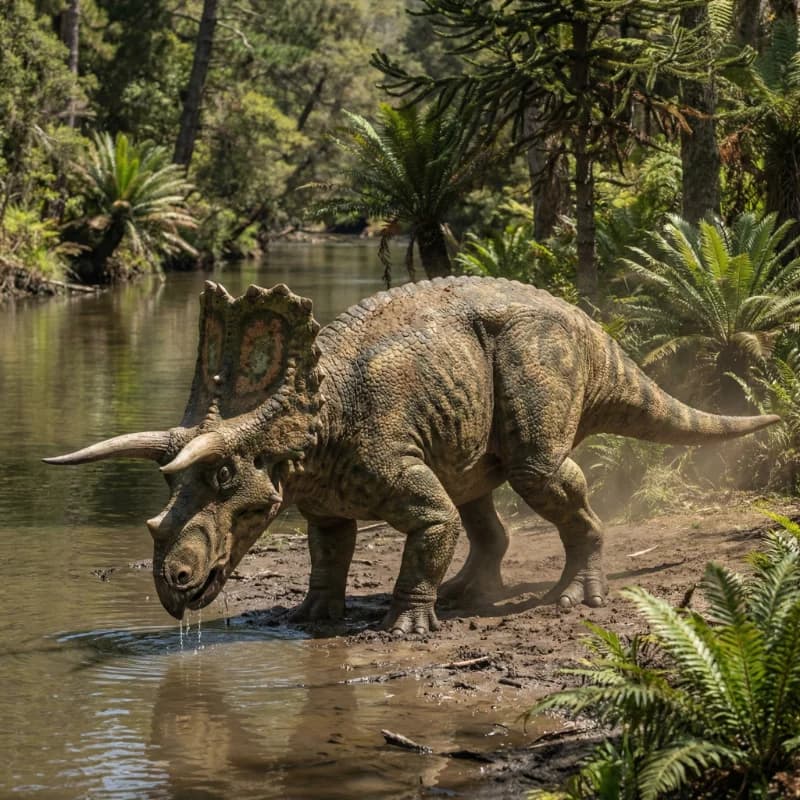
Anchiceratops
Anchiceratops ornatus
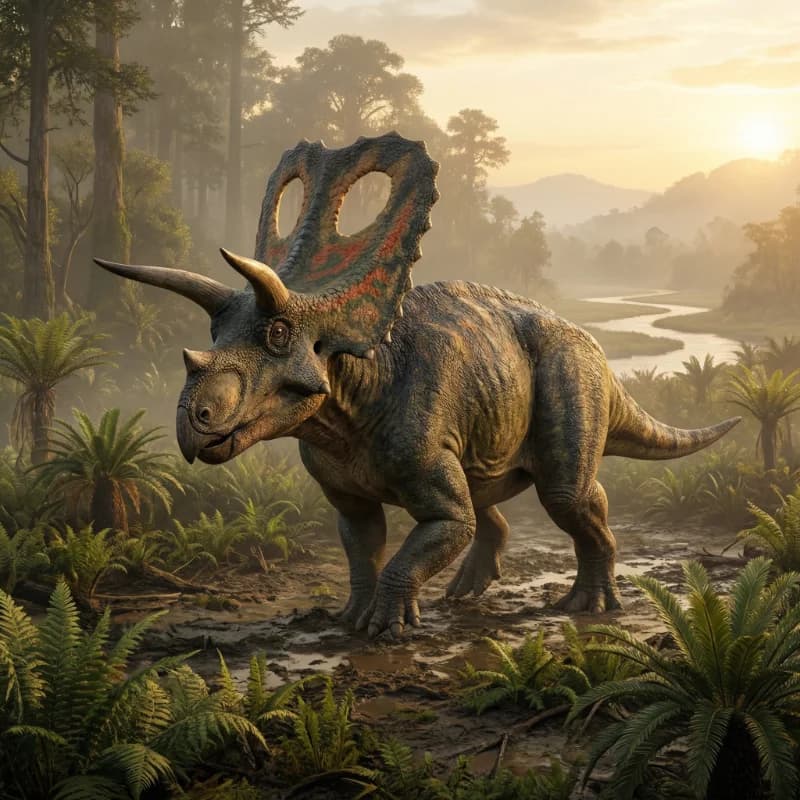
Torosaurus
Torosaurus latus
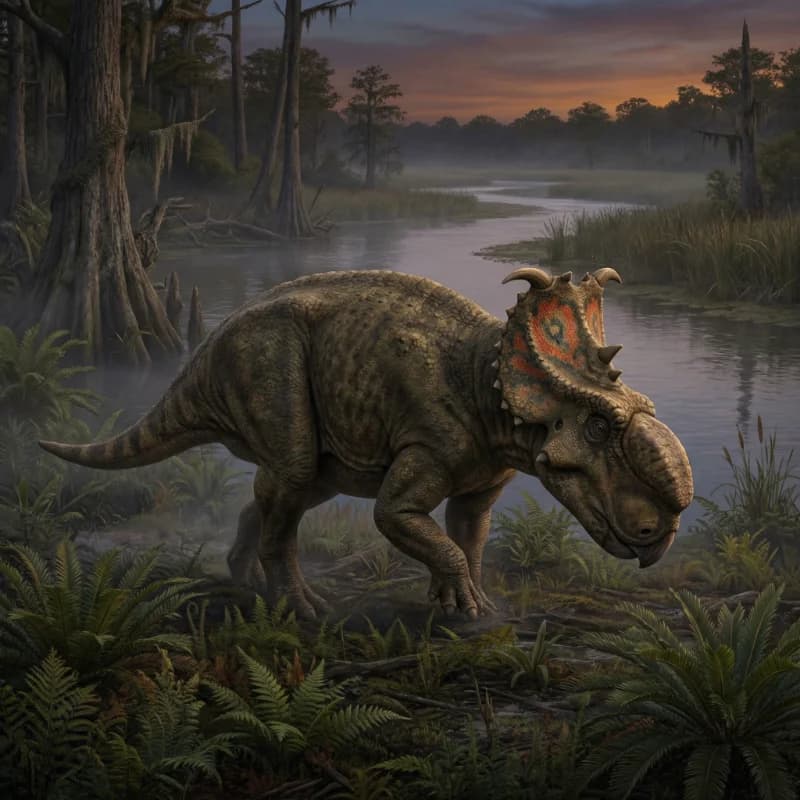
Pachyrhinosaurus
Pachyrhinosaurus
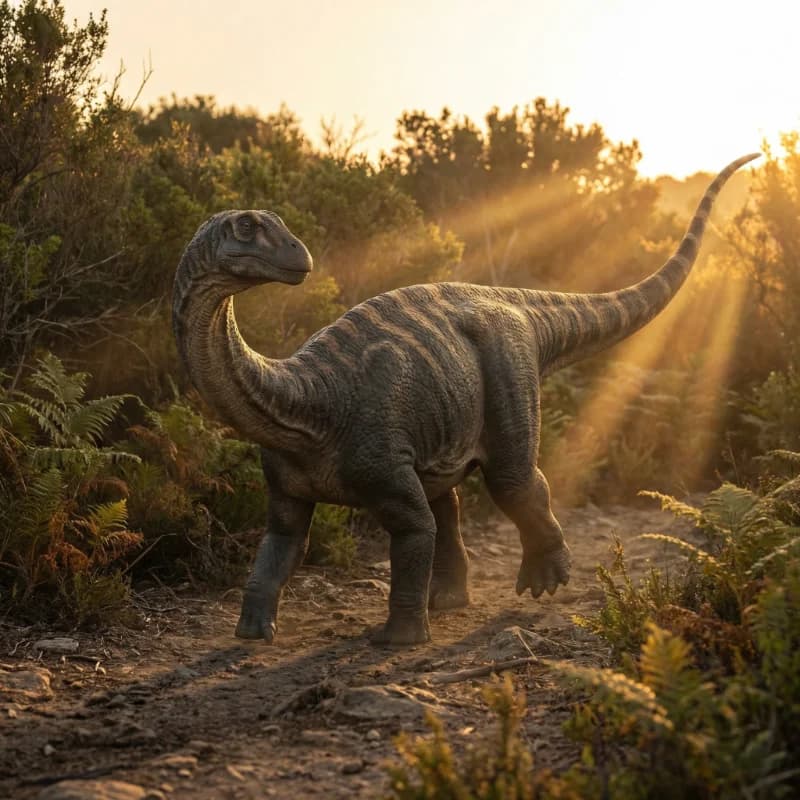
Magyarosaurus
Magyarosaurus dacus

Edmontosaurus
Edmontosaurus

Maiasaura
Maiasaura peeblesorum
Thescelosaurus
Thescelosaurus neglectus
Diamantinasaurus
Diamantinasaurus matildae