Corythosaurus
Cretaceous Period Herbivore Creature Type
Corythosaurus casuarius
Scientific Name: "Greek korythos (Corinthian helmet) + sauros (lizard) = 'helmeted lizard'. The specific name casuarius refers to the cassowary, a bird with a similar skull crest"
Local Name: Corythosaurus
Physical Characteristics
Discovery
Habitat
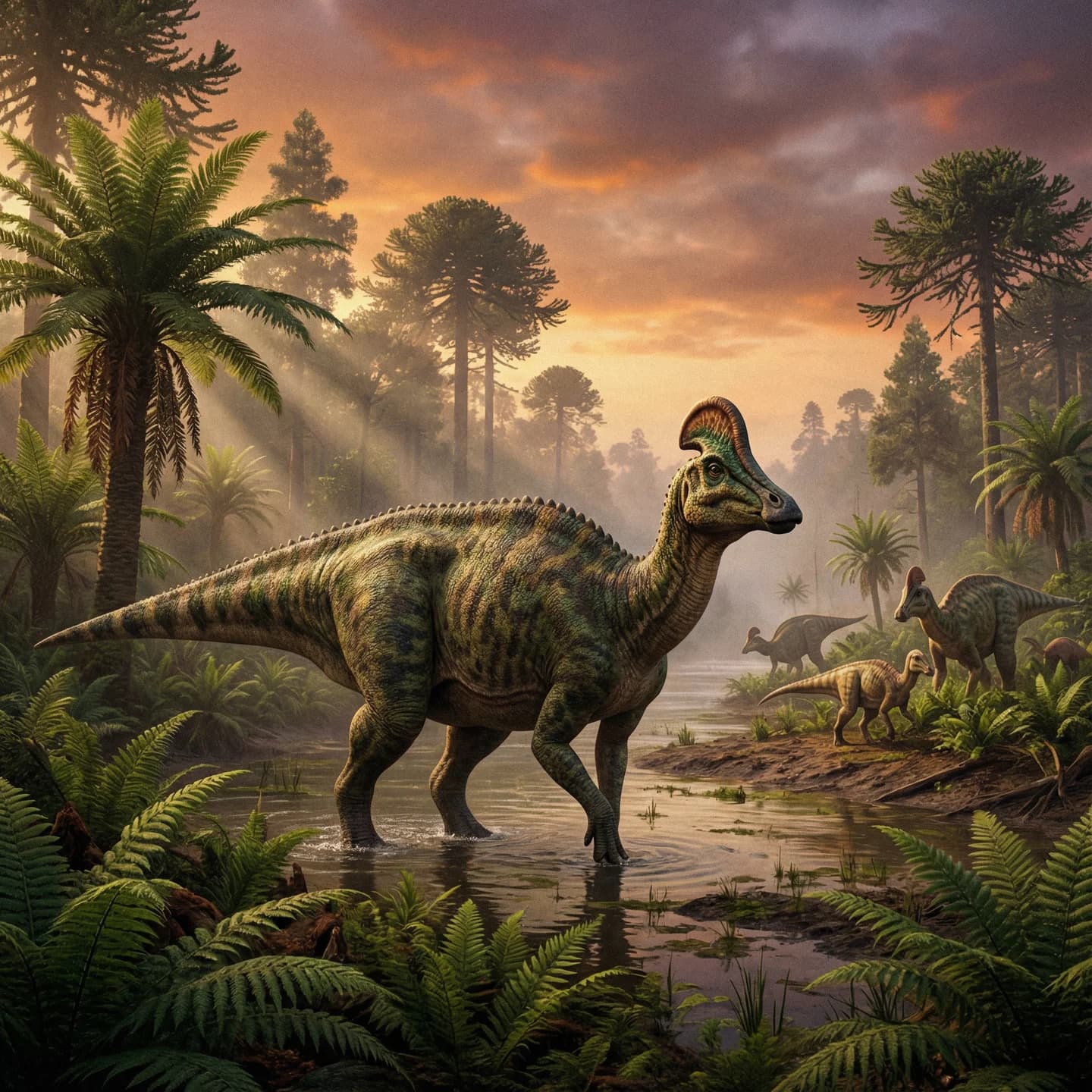
Corythosaurus casuarius Brown, 1914 is an ornithopod dinosaur belonging to the subfamily Lambeosaurinae of the family Hadrosauridae, from the Late Cretaceous Campanian stage (approximately 77–75.7 million years ago) of western North America. The generic name derives from the Greek korythos (Corinthian helmet) and sauros (lizard), referring to the hollow bony crest atop the skull that resembles an ancient Greek Corinthian helmet when viewed in profile. The specific name casuarius alludes to the cassowary, a modern bird with a superficially similar cranial crest. Two valid species are currently recognized within the genus: the type species C. casuarius and C. intermedius, while formerly described species such as C. excavatus, C. bicristatus, and C. brevicristatus have been synonymized as ontogenetic or sexual variants (Dodson, 1975).
Corythosaurus possesses one of the richest fossil records among hadrosaurids, with over twenty skulls and several nearly complete skeletons known. The holotype specimen AMNH 5240 is a nearly complete articulated skeleton missing only the distal tail and most of the forelimbs, remarkably preserved with polygonal scale skin impressions across much of its body. Another specimen preserves its last meal within the chest cavity—remains of conifer needles, seeds, twigs, and fruits—providing rare direct evidence of hadrosaur diet. Tragically, two of the finest Corythosaurus specimens collected by Charles H. Sternberg were lost at sea on December 6, 1916, when the SS Mount Temple was sunk by the German merchant raider SMS Möwe during World War I; these specimens now rest on the North Atlantic seafloor.
The most notable anatomical feature of Corythosaurus is its hollow supracranial crest, which houses elongated nasal passages internally. A 2026 CT-scanning study by Dudgeon et al. demonstrated that the internal narial anatomy of adult C. casuarius and C. intermedius is remarkably similar, yet differs markedly from the closely related genera Lambeosaurus and Hypacrosaurus in the curvature direction of the s-loops and the proportions of the lateral diverticula. These complex nasal structures are interpreted as having contributed to low-frequency vocalization through resonance, and each lambeosaurine genus likely produced acoustically distinct calls—a significant insight given that Corythosaurus, Lambeosaurus, and Parasaurolophus were partially contemporaneous in the same ecosystem.
Overview
Name and Etymology
The generic name Corythosaurus is derived from the Greek κόρυθος (korythos), meaning "Corinthian helmet," combined with σαῦρος (sauros), meaning "lizard"—thus "helmeted lizard." The specific epithet casuarius references the cassowary, a ratite bird bearing a superficially similar cranial casque. The full binomial therefore translates to "cassowary-like reptile with a Corinthian helmet crest" (Brown, 1914). The genus was named and described by Barnum Brown in 1914, based on holotype AMNH 5240, which he discovered in 1911 along the Red Deer River of Alberta and collected in the fall of 1912.
Taxonomic Status and Valid Species
Up to seven species were formerly described within Corythosaurus, but Peter Dodson's (1975) landmark morphometric study of lambeosaurine skulls demonstrated that most differences in crest size and shape reflected sexual dimorphism and ontogenetic variation rather than taxonomic distinction. Currently, only C. casuarius is universally accepted as valid. However, C. intermedius (originally named Stephanosaurus intermedius by Parks, 1923) has been recognized as a separate valid species in some studies based on biostratigraphic separation—it occurs at a slightly later stratigraphic level (approximately 75.8–75.7 Ma) than C. casuarius—and morphological differences (Arbour et al., 2009). The holotype of C. excavatus, specimen UALVP 13, was reunited with its postcranial skeleton in 2012–2017 (Bramble et al., 2017) and has subsequently been reassigned to C. intermedius (Brink et al., 2014; Dudgeon et al., 2026).
Scientific Significance
Corythosaurus occupies a central position in studies of hadrosaurid integument, internal crest anatomy, growth patterns, and ecological niche partitioning. It provides direct fossil evidence—skin impressions, preserved gut contents, and an extensive ontogenetic series—that is rarely available for other hadrosaurids.
Stratigraphy, Age, and Depositional Environment
Temporal Range
Corythosaurus dates to the Late Cretaceous Campanian stage, spanning approximately 77–75.7 Ma. C. casuarius occurs in the upper Oldman Formation (ca. 77–76.5 Ma) and the lower Dinosaur Park Formation (ca. 76.6–75.9 Ma), while C. intermedius is restricted to the middle Dinosaur Park Formation (ca. 75.8–75.7 Ma) (Arbour et al., 2009; Mallon et al., 2012).
Formations and Lithology
The primary source formation is the Dinosaur Park Formation of Alberta, Canada, which forms the upper portion of the Belly River Group (= Judith River Group). This formation consists of interbedded sandstones, siltstones, and mudstones deposited in an anastomosing river floodplain-to-coastal plain setting. C. casuarius also occurs in the uppermost Oldman Formation, which underlies the Dinosaur Park Formation. In 2022, Takasaki et al. reported the first definitive Corythosaurus specimens from the Judith River Formation in northern Montana, USA, extending the genus's geographic range beyond southern Alberta.
Paleoenvironment
The Dinosaur Park Formation represents alluvial and coastal plain environments along the western shoreline of the Western Interior Seaway. Abundant plant fossils, fish, turtle, and crocodilian remains co-occur with Corythosaurus, indicating a warm, humid subtropical climate. The holotype AMNH 5240 was found associated with Unio shells, water-worn bones, and a baenid turtle, suggesting the carcass had washed up on a beach (Brown, 1916). Corythosaurus likely inhabited woodland forests and occasionally ventured into swampy areas (Benson et al., 2012).
Specimens and Diagnostic Characters
Holotype and Key Specimens
The holotype AMNH 5240 was discovered by Barnum Brown in 1911 along the Red Deer River of Alberta and collected in the fall of 1912. It consists of a nearly complete articulated skeleton missing only the distal approximately 0.61 m of the tail and most of the forelimbs, with polygonal scale skin impressions preserved over a large portion of the body. The plesiotype AMNH 5338 was found in 1914 by Brown and Peter Kaisen; both specimens are displayed at the American Museum of Natural History in their original death poses. The representative specimen of C. intermedius, ROM 776 (a skull), was found by Levi Sternberg in 1920 and named by William Parks in 1923. UALVP 13, originally the holotype of C. excavatus, was utilized in the 2026 CT study by Dudgeon et al. to analyze adult internal narial anatomy.
| Specimen | Species | Preserved Elements | Formation | Institution |
|---|---|---|---|---|
| AMNH 5240 | C. casuarius (holotype) | Nearly complete articulated skeleton + skin impressions | Dinosaur Park Fm. | AMNH |
| AMNH 5338 | C. casuarius (plesiotype) | Complete skeleton | Dinosaur Park Fm. | AMNH |
| ROM 776 | C. intermedius | Skull | Dinosaur Park Fm. | ROM |
| ROM 1933 | C. casuarius | Nearly complete skull | Dinosaur Park Fm. | ROM |
| UALVP 13 | C. intermedius (= C. excavatus holotype) | Skull, braincase, snout + postcrania (reunited 2012) | Dinosaur Park Fm. | UALVP |
Diagnostic Characters
Brown (1914, 1916) established diagnostic features including a comparatively short skull with a high helmet-like crest, a narrow beak with an expanded premaxillary region anterior to the elongated pseudonares, a small narial opening, a vertebral formula of 15 cervicals / 19 dorsals / 8 sacrals / 61+ caudals, moderate dorsal neural spines, high anterior caudal spines, long chevrons, a femur longer than the tibia, and integument composed of size-graded polygonal tuberculate scales with conical limpet-like scales on the belly. Brown originally misidentified the premaxillae as the nasals and the nasals as the frontals in the snout and crest region; these errors were corrected by subsequent workers (Weishampel et al., 2004). Under the current understanding, Corythosaurus is characterized by a rounded, semicircular crest in lateral view, with internal nasal s-loops curving from lateral to medial within the premaxillae (Dudgeon et al., 2026).
Morphology and Function
Body Size and Proportions
Corythosaurus is a large hadrosaurid with an estimated total length of 7.7–9 m. The holotype AMNH 5240 measures approximately 8.1 m in length with an estimated mass of approximately 3.1 tonnes (Seebacher, 2001). Colbert's (1962) model-based estimate yielded an average mass of 3.82 tonnes. Paul (2016) estimated C. casuarius at approximately 8 m and 2.8 t, and C. intermedius at approximately 7.7 m and 2.5 t. A morphologically adult-sized specimen measured approximately 9 m in length (Wosik et al., 2020), with an estimated shoulder height of approximately 2.7 m. Like other hadrosaurids, it possessed an S-curved neck, a robust torso, a long tail, and hindlimbs proportionally longer than the forelimbs.
Skull and Crest
The skull of Corythosaurus is proportionally shorter and smaller than those of Edmontosaurus, Kritosaurus, or Saurolophus, but including the crest, its superficial area is nearly as large. The crest is formed by a complex of the premaxillae, nasals, prefrontals, and frontals, and internally houses elongated nasal passages. In the holotype, the total length from beak tip to crest apex measures 83.7 cm, and the crest height is 70.8 cm (Brown, 1914). Nasal passages enter through pseudonares at the snout tip, ascend into s-loops within the crest, pass through a common median chamber, and connect to the respiratory system. Lateral diverticula branch from the common median chamber on either side, with the posterior projections being larger than the anterior ones. The 2026 CT study by Dudgeon et al. confirmed that the internal narial structures of adult C. casuarius (ROM 1933) and C. intermedius (UALVP 13) are highly similar, differing only in subtle proportions.
Skin Impressions and Soft Tissue
The holotype AMNH 5240 preserves skin impressions across the flanks and tail consisting of several types of scales. Polygonal tuberculate scales, covered in small bumps, vary in size across the body. Shield-like scales are arranged close together in rows separating the polygonal scales. Conical limpet-like scales are preserved on the ventral region (Brown, 1914, 1916). Bell's (2012) comparative study of hadrosaurid skin impressions found the polygonal scales of C. casuarius to be similar to those of Lambeosaurus lambei and Saurolophus angustirostris, and noted that Corythosaurus is among the very few hadrosaurids preserving skin impressions on the hindlimbs and feet. The supposed "webbing" on the hands and feet, once cited as evidence for an aquatic lifestyle, has been reinterpreted as deflated padding analogous to that found in modern mammals (Brown, 1916; Schmitz & Motani, 2011).
Locomotion
Corythosaurus was likely a facultative biped, walking on all fours at slow speeds and switching to bipedal locomotion for faster movement. The hindlimbs are more robust than the forelimbs, and the femur is longer than the tibia. Ossified tendons are present on all vertebrae except the cervicals, reinforcing the trunk and tail.
Diet and Ecology
Direct Evidence of Diet
One of the rarest finds in hadrosaurid paleontology, a Corythosaurus specimen preserves its last meal within the chest cavity. Inside were remains of conifer needles, seeds, twigs, and fruits (Norrell et al., 2000), demonstrating that this animal browsed on a variety of plant parts in the canopy and understory. Benson et al. (2012) interpreted the shallow, delicate beak as indicating selective feeding on soft vegetation.
Ecological Niche and Coexisting Fauna
In the lower Dinosaur Park Formation, Corythosaurus is closely associated with the ceratopsid Centrosaurus apertus (Mallon et al., 2012). Contemporaneous large herbivores included the hadrosaurids Gryposaurus and Parasaurolophus, the ceratopsids Centrosaurus and Chasmosaurus, and the ankylosaurs Scolosaurus and Edmontonia. Mallon & Evans (2013) demonstrated through skull ecomorphological analysis that these megaherbivores likely occupied slightly different ecological niches, avoiding direct competition for food resources in a crowded ecosystem. The only large predators known from the same stratigraphic levels are the tyrannosaurids Gorgosaurus libratus and an unnamed species of Daspletosaurus.
Vocalization and Communication
Weishampel's (1981) acoustic analysis concluded that the internal nasal passages of lambeosaurine crests, including those of Corythosaurus, were conducive to resonation, amplifying low-frequency sounds during exhalation—comparable to a wind or brass instrument. Each species likely produced acoustically distinct calls, facilitating species recognition and sexual display. The 2026 study by Dudgeon et al. revealed that the internal narial anatomy of Corythosaurus spp. and Lambeosaurus lambei differs substantially, with L. lambei possessing far more convoluted s-loops that would have produced lower-frequency sounds. This strong divergence in internal crest anatomy among contemporaneous genera suggests a potentially broad prehistoric soundscape in the Dinosaur Park Formation ecosystem.
Behavior and Sensory Ecology
Comparison of scleral ring morphology with modern reptiles suggests Corythosaurus may have been cathemeral—active at short intervals throughout the day and night (Schmitz & Motani, 2011). The thin, rod-like stapes combined with a large tympanic membrane implies a sensitive middle ear, potentially comparable to modern crocodilians in auditory acuity (Weishampel, 1981).
Distribution and Paleogeography
Geographic Range
Corythosaurus fossils are primarily known from southern Alberta, Canada, centered on Dinosaur Provincial Park, where it is the most abundant hadrosaurid in the Dinosaur Park Formation. It also occurs in the upper Oldman Formation. In 2022, Takasaki et al. reported the first definitive specimens from the Judith River Formation of northern Montana, USA, demonstrating that the genus was not restricted to Alberta. Nevertheless, as Lehman (2001) observed, Corythosaurus had a remarkably small geographic range despite being one of the most abundant Judithian dinosaurs—a pattern strikingly different from modern large mammalian herbivores, whose ranges typically span much of a continent.
Paleolatitude and Paleoclimate
Paleomagnetic data indicate that during the Late Cretaceous, the Corythosaurus-bearing localities in Alberta were situated at approximately 58.96°N, –65.66°W—significantly different from their modern coordinates—along the western shore of the Western Interior Seaway in a warm, humid subtropical to warm-temperate climatic zone.
Phylogenetics and Taxonomic Debates
Higher-Level Classification
Corythosaurus is classified within Dinosauria → Ornithischia → Ornithopoda → Hadrosauridae → Lambeosaurinae → Lambeosaurini. Brown (1914) originally placed it in the family Trachodontidae (now Hadrosauridae), within the subfamily Saurolophinae. It was subsequently reassigned to Lambeosaurinae as that subfamily became better defined.
Phylogenetic Analyses
Xing et al. (2014) recovered Corythosaurus as the most derived lambeosaurine within the tribe Lambeosaurini, as sister taxon to Hypacrosaurus. Godefroit et al. (2003) suggested that the Russian taxon Olorotitan, despite its unique crest morphology, is the closest known relative of Corythosaurus. Benson et al. (2012) found Corythosaurus grouping with Velafrons, Nipponosaurus, and Hypacrosaurus as fan-crested lambeosaurines. However, certain analyses (e.g., Prieto-Marquez, 2010) recover different topologies for the Corythosaurus–Hypacrosaurus relationship, indicating that complete consensus on the precise intra-tribal phylogenetic position has not yet been achieved.
Species-Level Debates
The validity of C. intermedius remains debated. Dodson (1975) synonymized most named species under C. casuarius, but Arbour et al. (2009) recognized C. intermedius as a separate valid species based on its distinct stratigraphic position and morphological differences. The 2026 CT study by Dudgeon et al. found that the two species exhibit minimal interspecific variation in internal narial anatomy, differing only in subtle proportions of the common median chamber.
Ontogeny and Growth
Corythosaurus is one of the few lambeosaurines—alongside Lambeosaurus lambei, Hypacrosaurus stebingeri, and H. altispinus—for which a juvenile-to-adult ontogenetic series is available. Over fifty articulated specimens have been recovered from the Dinosaur Park Formation, representing multiple genera and growth stages. Historically, differences in crest size and shape led to the erection of the genera Tetragonosaurus (= Procheneosaurus), which were later shown by Dodson (1975) and Evans et al. (2005) to represent juvenile and subadult Corythosaurus and Lambeosaurus. Crest development in Corythosaurus begins when individuals reach approximately 50% of adult body size, contrasting with Parasaurolophus, in which crests develop at only approximately 25% of adult size. CT scanning reveals that juveniles possess more developed anterior projections of the lateral diverticula, which become relatively reduced in adults as the s-loops expand posterodorsally—likely due to spatial constraints within the premaxillae (Evans et al., 2009; Dudgeon et al., 2026).
Reconstruction and Uncertainty
Confirmed by Direct Evidence
That Corythosaurus was a large, facultatively bipedal/quadrupedal herbivorous hadrosaurid with a hollow helmet-shaped crest, polygonal-scaled integument, and a diet including conifer needles, seeds, and fruits is established by direct fossil evidence.
Strongly Supported Hypotheses
The interpretation that the crest functioned as a vocal resonating chamber is strongly supported by acoustic analyses of the internal nasal passages and multiple independent studies. Social herding behavior is supported by the occurrence of multiple individuals at single localities but lacks definitive direct evidence.
Areas of Uncertainty and Common Misconceptions
The once-popular hypothesis that crested hadrosaurs were semi-aquatic animals—with the crest serving as an underwater air reservoir—has been conclusively refuted. The crest lacks any external openings at its apex, and water pressure at even 3 m depth would prevent lung inflation (Norrell et al., 2000). The supposed "webbing" on the hands and feet has been reinterpreted as deflated padding. Body coloration and precise skin texture remain unknown from the fossil record, and the exact acoustic frequencies produced by the crest, as well as the specific behavioral contexts of vocalization (alarm, courtship, territorial defense), remain in the realm of informed speculation.
Comparison with Related Contemporaries
Key lambeosaurine genera coexisting in the Dinosaur Park Formation:
| Genus | Crest Shape | Est. Length (m) | Est. Mass (t) | Temporal Range (Ma) | Nasal s-loop Curvature |
|---|---|---|---|---|---|
| Corythosaurus | Semicircular helmet | 7.7–9 | 2.5–3.8 | 77–75.7 | Lateral to medial |
| Lambeosaurus | Hatchet-shaped (anterior + posterior projection) | 8–9 | 2.5–4 | 76.5–75 | Lateral to medial (extremely developed) |
| Parasaurolophus | Elongate posterior tube | 9–10 | 2.5–3.5 | 76.5–73 | U-shaped (s-loops absent) |
| Hypacrosaurus | Rounded dome | 8–9 | 2.5–4 | 75–73 | Medial to lateral |
(Compiled from Dudgeon et al., 2026; Evans et al., 2009; Paul, 2016)
Notable Episodes in Research History
The Sinking of SS Mount Temple
On December 6, 1916, two of the finest Corythosaurus specimens—collected by Charles H. Sternberg in 1912 and destined for Arthur Smith Woodward at the British Museum of Natural History—were lost when the SS Mount Temple was attacked and sunk by the German merchant raider SMS Möwe in the North Atlantic, approximately 900 km northwest of the Azores (Tanke & Carpenter, 2001). One of the specimens was a mummified hadrosaur with extensive skin preservation. This remains one of the most notable losses in the history of paleontology due to wartime events.
Fun Facts
FAQ
📚References
- Brown, B. (1914). Corythosaurus casuarius, a new crested dinosaur from the Belly River Cretaceous, with provisional classification of the family Trachodontidae. American Museum of Natural History Bulletin, 33, 559–565.
- Brown, B. (1916). Corythosaurus casuarius: Skeleton, musculature and epidermis. American Museum of Natural History Bulletin, 38, 709–715.
- Dodson, P. (1975). Taxonomic implications of relative growth in lambeosaurine hadrosaurs. Systematic Zoology, 24(1), 37–54. https://doi.org/10.2307/2412696
- Weishampel, D. B. (1981). Acoustic analysis of potential vocalization in lambeosaurine dinosaurs (Reptilia: Ornithischia). Paleobiology, 7(2), 252–261. https://doi.org/10.1017/S0094837300004036
- Colbert, E. H. (1962). The weight of dinosaurs. American Museum Novitates, 2076, 1–16.
- Seebacher, F. (2001). A new method to calculate allometric length-mass relationships of dinosaurs. Journal of Vertebrate Paleontology, 21(1), 51–60. https://doi.org/10.1671/0272-4634(2001)021[0051:ANMTCA]2.0.CO;2
- Paul, G. S. (2016). The Princeton Field Guide to Dinosaurs (2nd ed.). Princeton University Press. p. 344.
- Arbour, V. M., Burns, M. E., & Sissons, R. L. (2009). A redescription of the ankylosaurid dinosaur Dyoplosaurus acutosquameus Parks, 1924 (Ornithischia: Ankylosauria) and a revision of the genus. Journal of Vertebrate Paleontology, 29(4), 1117–1135. https://doi.org/10.1671/039.029.0405
- Evans, D. C., Ridgely, R., & Witmer, L. M. (2009). Endocranial anatomy of lambeosaurine hadrosaurids (Dinosauria: Ornithischia): A sensorineural perspective on cranial crest function. Anatomical Record, 292, 1315–1337.
- Dudgeon, T. W., Brown, C., & Evans, D. C. (2026). The internal crest anatomy of Lambeosaurini (Hadrosauridae: Lambeosaurinae). Anatomical Record, 1–14. https://doi.org/10.1002/ar.70125
- Bell, P. R. (2012). Standardized terminology and potential taxonomic utility for hadrosaurid skin impressions: A case study for Saurolophus from Canada and Mongolia. PLoS ONE, 7(2), e31295. https://doi.org/10.1371/journal.pone.0031295
- Mallon, J. C., Evans, D. C., Ryan, M. J., & Anderson, J. S. (2012). Megaherbivorous dinosaur turnover in the Dinosaur Park Formation (upper Campanian) of Alberta, Canada. Palaeogeography, Palaeoclimatology, Palaeoecology, 350–352, 124–138. https://doi.org/10.1016/j.palaeo.2012.06.024
- Takasaki, R., Chiba, K., et al. (2022). Description of the first definitive Corythosaurus (Dinosauria, Hadrosauridae) specimens from the Judith River Formation in Montana, USA and their paleobiogeographical significance. Anatomical Record, 306(5), 1114–1130. https://doi.org/10.1002/ar.25097
- Bramble, K., Currie, P. J., Tanke, D. H., & Torices, A. (2017). Reuniting the \"head hunted\" Corythosaurus excavatus (Dinosauria: Hadrosauridae) holotype skull with its dentary and postcranium. Cretaceous Research, 76, 7–18. https://doi.org/10.1016/j.cretres.2017.04.006
- Schmitz, L., & Motani, R. (2011). Nocturnality in dinosaurs inferred from scleral ring and orbit morphology. Science, 332(6030), 705–708. https://doi.org/10.1126/science.1200043
- Wosik, M., Chiba, K., Therrien, F., & Evans, D. C. (2020). Testing size–frequency distributions as a method of ontogenetic aging: A life-history assessment of hadrosaurid dinosaurs from the Dinosaur Park Formation of Alberta, Canada, with implications for hadrosaurid paleoecology. Paleobiology, 46(3), 379–404. https://doi.org/10.1017/pab.2020.2
- Tanke, D. H., & Carpenter, K. (2001). Mesozoic Vertebrate Life. Indiana University Press. pp. 280–328, 495.
- Norrell, M., Gaffney, E. S., & Dingus, L. (2000). Discovering Dinosaurs: Evolution, Extinction, and the Lessons of Prehistory. University of California Press. pp. 35, 41, 158–159.
- Xing, H., Wang, D., Han, F., et al. (2014). A new basal hadrosauroid dinosaur (Dinosauria: Ornithopoda) with transitional features from the Late Cretaceous of Henan Province, China. PLoS ONE, 9(6), e98821. https://doi.org/10.1371/journal.pone.0098821
- Evans, D. C., Forster, C. A., & Reisz, R. R. (2005). The type specimen of Tetragonosaurus erectofrons (Ornithischia: Hadrosauridae) and the identification of juvenile lambeosaurines. In P. J. Currie & E. B. Koppelhus (Eds.), Dinosaur Provincial Park: A Spectacular Ancient Ecosystem Revealed (pp. 349–363). Indiana University Press.
- Benson, R. B. J., Brussatte, M., & Xu, X. (2012). Prehistoric Life. Dorling Kindersley. pp. 344–345.
- Weishampel, D. B., Dodson, P., & Osmolska, H. (2004). The Dinosauria (2nd ed.). University of California Press. p. 450.
- Mallon, J. C., & Evans, D. C. (2013). Skull ecomorphology of megaherbivorous dinosaurs from the Dinosaur Park Formation (upper Campanian) of Alberta, Canada. PLoS ONE, 8(7), e67182. https://doi.org/10.1371/journal.pone.0067182
Gallery
5 images Corythosaurus
Corythosaurus · Cretaceous Period · Herbivore
 Corythosaurus
Corythosaurus · Cretaceous Period · Herbivore
 Corythosaurus
Corythosaurus · Cretaceous Period · Herbivore
 Corythosaurus
Corythosaurus · Cretaceous Period · Herbivore
 Corythosaurus
Corythosaurus · Cretaceous Period · Herbivore
🔗Related Creatures
Hadrosaurus
Hadrosaurus foulkii
Achelousaurus
Achelousaurus horneri
Pachycephalosaurus
Pachycephalosaurus wyomingensis
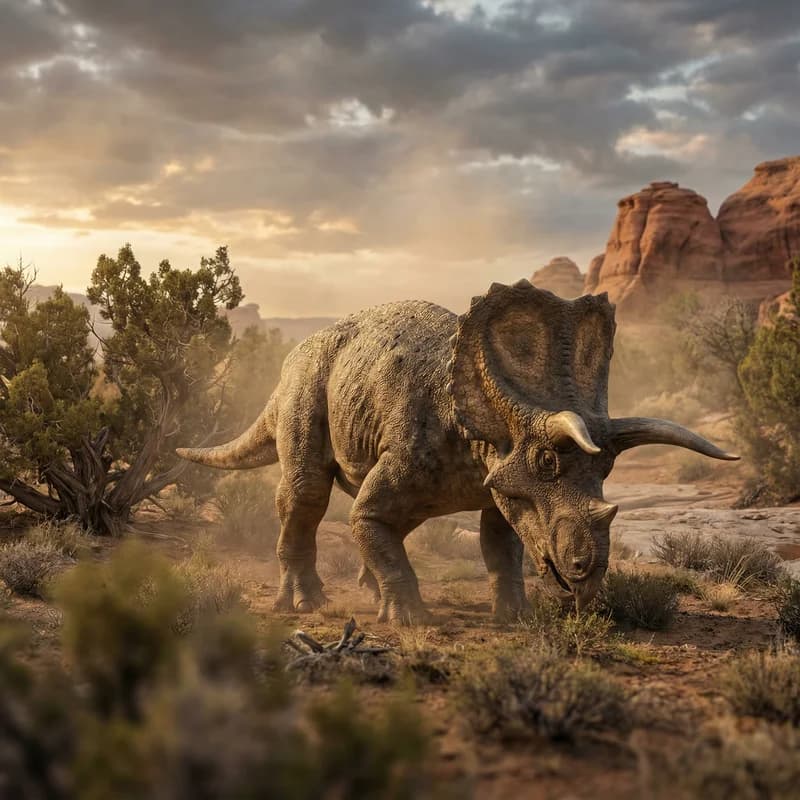
Utahceratops
Utahceratops gettyi
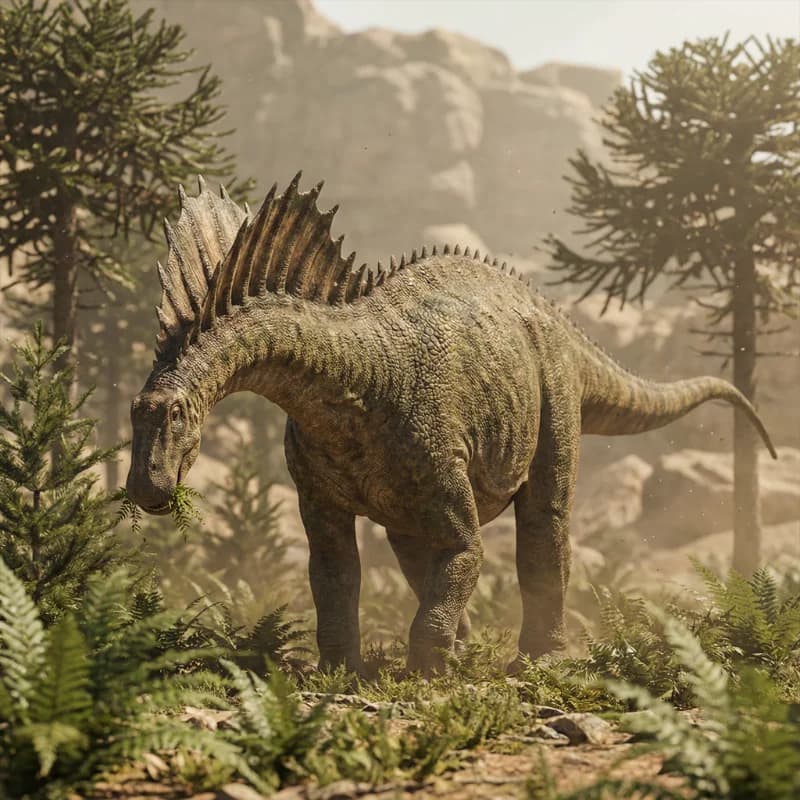
Amargasaurus
Amargasaurus cazaui
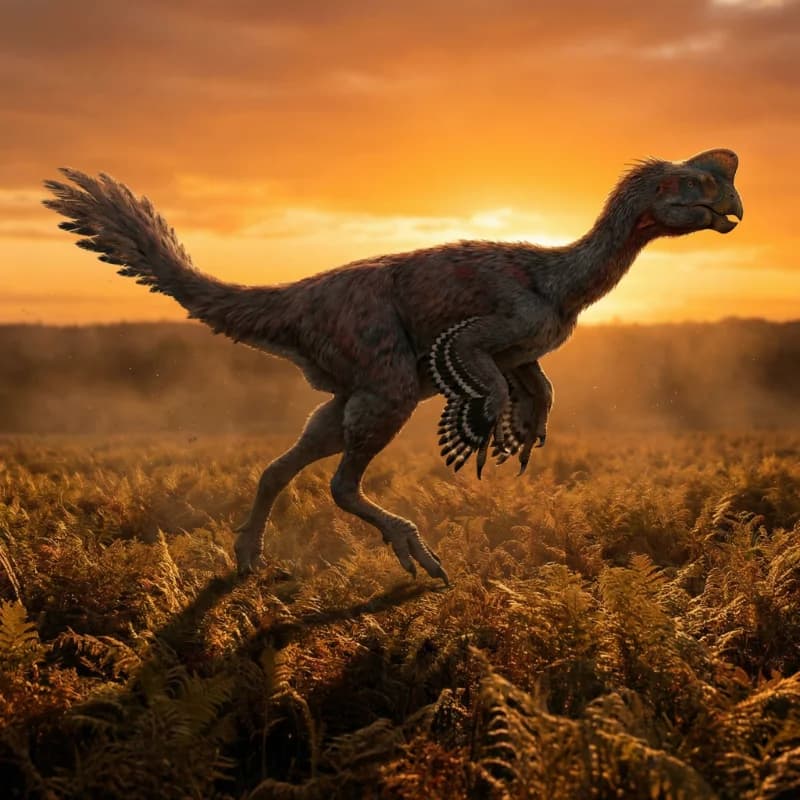
Yanbeilong
Yanbeilong ultimus

Muttaburrasaurus
Muttaburrasaurus langdoni
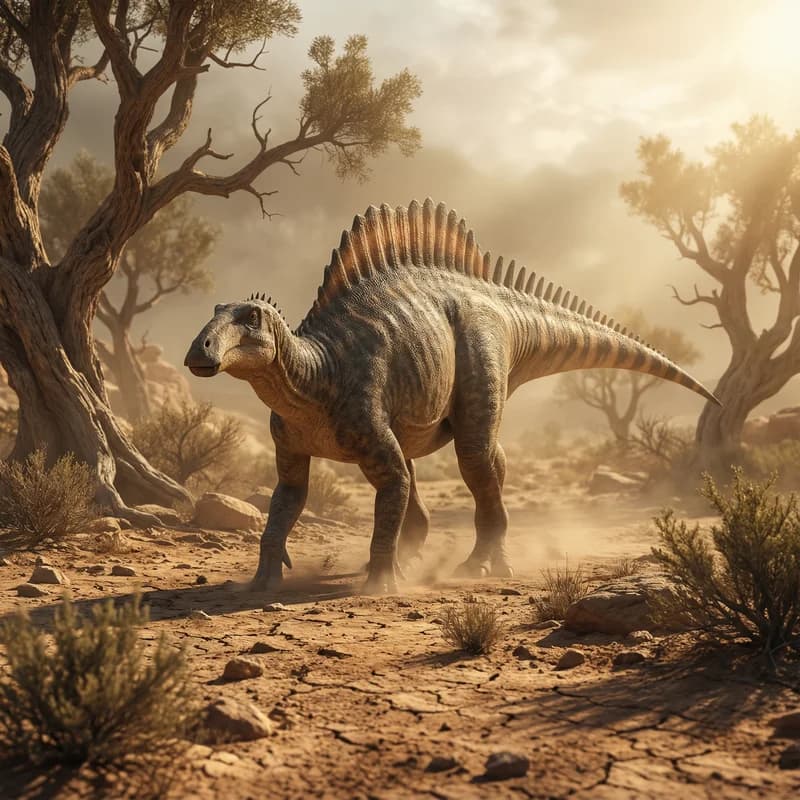
Ouranosaurus
Ouranosaurus nigeriensis