Sauropelta
Cretaceous Period Herbivore Creature Type
Sauropelta edwardsorum
Scientific Name: "Greek sauros (lizard) + pelte (shield) = lizard shield"
Local Name: Sauropelta
Physical Characteristics
Discovery
Habitat

Sauropelta (Sauropelta edwardsorum Ostrom, 1970; corrected by Olshevsky, 1991) is an armored dinosaur (Ankylosauria) belonging to the family Nodosauridae that inhabited North America during the Early Cretaceous (Albian stage, approximately 108.5 Ma). Its genus name is derived from the Greek sauros (lizard) and pelte (shield), referring to the extensive bony armor that covered its body. The genus was named in 1970 by John H. Ostrom, while the original species epithet edwardsi was later corrected to edwardsorum in 1991 by George Olshevsky to conform with Latin grammar rules.
Sauropelta is one of the most anatomically well-understood nodosaurids. Multiple partial skeletons have been recovered from the Little Sheep Mudstone Member of the Cloverly Formation in Wyoming and Montana, USA. Its total body length is estimated at approximately 5.2–6 m, with a body mass of roughly 1.5–2 metric tons (Carpenter, 1984; Paul, 2010). The most striking features include the large spines projecting from the neck and the extensive osteoderms covering the dorsal surface. Like other nodosaurids and unlike ankylosaurids, Sauropelta lacked a bony tail club; instead, flat triangular plates lined both sides of the tail.
Only one species, S. edwardsorum, is currently recognized. The holotype specimen (AMNH 3032) is a partial skeleton collected in the early 1930s by Barnum Brown from the Cloverly Formation in Big Horn County, Montana. Sauropelta is regarded as the earliest known genus of nodosaurine and serves as a key reference taxon for understanding the early anatomy of this lineage.
Overview
Name and Etymology
The genus name Sauropelta is a compound of the Greek words σαῦρος (sauros, lizard) and πέλτη (pelte, shield), reflecting the shield-like bony armor covering this dinosaur's body (Ostrom, 1970). The original species epithet edwardsi, assigned by Ostrom in the 1970 original description, was corrected by Olshevsky in 1991 to edwardsorum in accordance with Latin plural genitive rules (Olshevsky, 1991). The species name is believed to honor the Edwards family.
Taxonomic Status
Since its naming in 1970, Sauropelta has consistently been recognized as a member of the family Nodosauridae (Ostrom, 1970; Carpenter, 2001; Vickaryous et al., 2004). Its higher taxonomy is Ornithischia → Thyreophora → Ankylosauria → Nodosauridae, and some phylogenetic analyses place it within the subfamily Nodosaurinae (Rivera-Sylva et al., 2018). However, the large-scale thyreophoran phylogeny by Raven et al. (2023), which included 340 characters and 91 taxa, found the traditional Nodosauridae to be paraphyletic, prompting an ongoing reassessment of ankylosaur classification as a whole. Only one species, S. edwardsorum, is currently recognized.
Key Feature Summary
Sauropelta is the earliest known nodosaurine from Early Cretaceous North America — a medium-sized armored dinosaur armed with large cervical spines that increased in size toward the shoulders and extensive bony armor covering the back, hips, and tail.
Age, Stratigraphy, and Depositional Setting
Temporal Range
Confirmed specimens of S. edwardsorum are almost entirely from the Little Sheep Mudstone Member of the Cloverly Formation, which has been dated to approximately 108.5 Ma (Albian stage; Kirkland et al., 1997; Kirkland et al., 2013). According to the 2019 chronostratigraphic revision by D'Emic et al., the terrestrial portion of the Cloverly Formation was deposited over a span of roughly 124–109 Ma, with the Sauropelta-bearing interval concentrated in the upper portion. PBDB occurrence records range from the Aptian to the Albian, but the best-documented specimens cluster around 108.5 Ma.
Formation and Lithology
Sauropelta fossils are predominantly found in the Cloverly Formation, exposed in Wyoming and Montana. The Cloverly Formation is traditionally divided into three members: the basal Pryor Conglomerate, the middle Little Sheep Mudstone Member (predominantly mudstone), and the upper Himes Member (multicolored mudstones and sandstones) (Moberly, 1960). Sauropelta occurs mainly in the pale gray to pale purple bentonitic mudstones of the Little Sheep Member, though some specimens have also been recovered from channel sandstone deposits (Ostrom, 1970; PBDB records). Articulated skeletons are frequently found encased in carbonate caliche, necessitating acid preparation for extraction (Horner, Dinosaurs Under the Big Sky).
Depositional and Paleoenvironmental Setting
The Cloverly Formation is interpreted as having been deposited in an alluvial plain and floodplain environment (Moberly, 1960; Ostrom, 1970; D'Emic et al., 2019). The region where Sauropelta lived was a broad alluvial plain where rivers flowing from low western mountains carried sediment toward a shallow inland sea to the north and east — which would eventually expand to form the Western Interior Seaway (Maxwell, 1997). Abundant conifer fossils suggest the plain was forested (Ostrom, 1970), while the co-occurrence of crocodilians, lungfish, and turtles indicates a year-round warm climate (Ostrom, 1970; Maxwell, 1997). PBDB records classify most Sauropelta localities as "terrestrial indet." or "channel," with some recorded as "lacustrine indet."
Specimens and Diagnostic Characters
Holotype and Key Specimens
The holotype of Sauropelta is AMNH 3032, a partial skeleton collected in the early 1930s by Barnum Brown from the Cloverly Formation in Big Horn County, Montana (Ostrom, 1970). Brown also discovered two additional specimens (AMNH 3035 and AMNH 3036). AMNH 3036 is one of the best-preserved nodosaurid skeletons ever found, with extensive armor preserved in situ, and is currently on display at the American Museum of Natural History in New York City. AMNH 3035 preserves the cervical armor and most of a skull, missing only the tip of the snout. In the 1960s, expeditions led by John Ostrom from the Yale Peabody Museum of Natural History recovered additional incomplete specimens from the Cloverly Formation. Ostrom coined the genus name Sauropelta in 1970 to encompass all of this material.
| Specimen | Preserved Elements | Collector | Locality | Notes |
|---|---|---|---|---|
| AMNH 3032 | Partial skeleton | Barnum Brown | Big Horn County, Montana | Holotype |
| AMNH 3035 | Skull (missing snout tip) + cervical armor | Barnum Brown | Big Horn County, Montana | Most complete skull known |
| AMNH 3036 | Skeleton with in situ armor | Barnum Brown | Big Horn County, Montana | On display at AMNH |
| YPM specimens | Multiple incomplete skeletons | Ostrom expeditions | Wyoming/Montana | Collected in the 1960s |
In 1999, Carpenter and colleagues described material of a large nodosaurid from the Poison Strip Sandstone of the Cedar Mountain Formation in Utah as a possible new species of Sauropelta (Carpenter et al., 1999), but it was never formally named and more recent publications no longer refer this material to Sauropelta (Carpenter, 2006). In 2001, a nearly complete skull from the Cloverly Formation of Montana was announced in a conference abstract (Parsons & Parsons, 2001), and a large fragmentary skeleton from the Cedar Mountain Formation was also reported (Warren & Carpenter, 2004), but neither has been formally described.
Diagnostic Characters
The principal diagnostic features distinguishing Sauropelta from other nodosaurids are as follows (Ostrom, 1970; Carpenter, 1984; Carpenter & Kirkland, 1998; Vickaryous et al., 2004). The skull roof is characteristically flat (not domed as in some other nodosaurids), and the skull roof plates are so tightly fused that sutures are nearly invisible. The neck bears large spines arranged in two rows (upper and lower) on each side, increasing in size toward the shoulders, with the bases of each spine pair fused together, greatly restricting neck mobility. The tail is exceptionally long, comprising roughly half the total body length, and is stiffened by ossified tendons. A sacral shield of tightly interlocked ossicles and domed plates covers the hip region.
Limitations of the Known Material
The anterior portion of the skull (snout tip) remains unknown. The most complete skull (AMNH 3035) is missing the rostral extremity (Carpenter & Kirkland, 1998), so the precise beak morphology must be inferred by comparison with other ankylosaurs. Whether the absence of visible sutures on the skull roof is a genuine anatomical feature or an artifact of preservation and preparation also requires further investigation (Vickaryous et al., 2004).
Morphology and Function
Body Plan and Size
Carpenter (1984) produced a composite skeletal reconstruction from multiple partial skeletons, estimating a total body length of approximately 5.2 m and a live body mass of roughly 1,500 kg using the volumetric clay model method of Colbert (1962). Paul (2010) proposed a length range of approximately 5–6 m and a mass of approximately 1.5–2 metric tons (1,500–2,000 kg). Although the torso itself was smaller than that of a modern black rhinoceros, the weight of the extensive bony armor brought Sauropelta to a comparable total body mass. The pelvis and ribcage were extremely broad, giving the animal a wide, low-slung profile. The forelimbs were shorter than the hindlimbs, producing an arched dorsal outline with the highest point over the hips (Carpenter, 1984).
Skull
The skull was triangular in dorsal view, widest at the rear and tapering toward the snout (Carpenter & Kirkland, 1998). At its widest point (behind the eyes), the skull measured approximately 35 cm across. Unlike some other nodosaurids, the skull roof was characteristically flat rather than domed. It was covered in flat bony plates that were so tightly fused that virtually no sutures were visible. As in other ankylosaurs, thick triangular scutes projected from the postorbital bone (above and behind the eyes) and from the jugal bone (below and behind the eyes). The teeth were leaf-shaped, typical of nodosaurids, and lined both the upper and lower jaws for cutting plant material. The anterior end of the skull would have borne a sharp bony ridge (tomium) supporting a keratinous beak, as inferred from other ankylosaurs (Vickaryous et al., 2004).
Armor System
The armor of Sauropelta consisted of bony masses embedded in the skin (osteoderms). The discovery of a skeleton with body armor preserved in situ (AMNH 3036) allowed an accurate description of its arrangement (Carpenter, 1984; Carpenter & Kirkland, 1998).
Two parallel rows of domed scutes ran along the dorsal surface of the neck along the anteroposterior axis. On the upper surfaces of the back and tail, small bony nodules (ossicles) covered the skin, interspersed with larger conical scutes arranged in bilaterally symmetrical rows. Over the hips, ossicles and larger domed plates were tightly interlocked to form a structure known as the "sacral shield." This structure is also observed in Polacanthus and Antarctopelta (Vickaryous et al., 2004; Salgado & Gasparini, 2006).
The most conspicuous feature was the series of large, pointed spines lining both sides of the neck. These spines increased in size from the neck toward the shoulders, then decreased along the flanks and disappeared just before the hips. Behind the hips, flat triangular plates lined both sides of the tail, pointing laterally and decreasing in size toward the tail tip. Carpenter originally described the cervical spines and caudal plates as a single row on each side, but later reconstructed them — together with Kirkland — as two parallel rows on each side (upper and lower) (Carpenter & Kirkland, 1998). The upper row of cervical spines pointed posterodorsally, while the lower row pointed posterolaterally. The bases of each spine pair and each plate pair were fused, greatly restricting mobility in the neck and upper tail.
Tail
The tail of Sauropelta was characteristically long, comprising approximately half the total body length. One skeleton preserved 40 caudal vertebrae, though some were missing, suggesting the true count may have exceeded 50 (Ostrom, 1970; Carpenter, 1984). Ossified tendons stiffened the tail along its entire length. As is characteristic of nodosaurids, Sauropelta lacked the bony tail club found in ankylosaurids (Carpenter, 1997).
Limbs and Locomotion
The forelimbs, hindlimbs, shoulders, and pelvis were all extremely robustly built to support substantial weight (Carpenter, 1984). Sauropelta was an obligate quadruped, with no evidence of bipedal locomotion. Its large body size, low profile, and heavy armor would have made rapid movement difficult. In 1984, Carpenter reinterpreted Tetrapodosaurus borealis footprints from the Lower Cretaceous of British Columbia (originally described by Sternberg in 1932 as ceratopsian tracks) as those of an ankylosaur similar to Sauropelta. Large numbers of Tetrapodosaurus trackways were subsequently discovered at the Smoky River Coal Mine near Grande Cache, Alberta — a site considered the world's most important ankylosaur track locality (McCrea, 2000).
Diet and Ecology
Diet
Sauropelta was an herbivore, possessing leaf-shaped teeth and a narrow snout. The narrow snout of nodosaurids corresponds to an adaptation seen in modern selective browsers, as opposed to the wide muzzles characteristic of non-selective grazers (Carpenter, 1997). Since grasses had not yet become widespread during the Early Cretaceous (Prasad et al., 2005), Sauropelta likely selectively browsed on a variety of near-ground-level vegetation, including conifers and cycads. Its low body profile (approximately 1 m at the shoulder) was well-suited for accessing low-growing plants.
Ecological Role and Coexisting Fauna
Sauropelta was an important member of the Cloverly herbivore guild. However, the most abundant herbivorous dinosaur from the same formation was the large iguanodont Tenontosaurus tilletti (Ostrom, 1970; Maxwell, 1997). The small ornithopod Zephyrosaurus schaffi, rare titanosaur sauropods, and an undetermined ornithomimosaur also coexisted. Another ankylosaur known from the Cloverly Formation is Tatankacephalus cooneyorum, though this taxon comes from the upper Himes Member and is therefore somewhat different in age (Parsons & Parsons, 2009).
Predators included the dromaeosaurid Deinonychus antirrhopus, the small basal oviraptorosaur Microvenator celer, and the large carcharodontosaurid Acrocanthosaurus atokensis (Ostrom, 1970; Maxwell, 1997; D'Emic et al., 2012). Deinonychus teeth are found in extraordinary abundance throughout the formation, attesting to its high population density. Acrocanthosaurus was the apex predator of the Cloverly ecosystem (D'Emic et al., 2012) and may have posed a threat even to adult Sauropelta. Lungfish (Ceratodus), triconodont mammals, multiple turtle species, and crocodilians also coexisted, consistent with a year-round warm climate (Ostrom, 1970; Maxwell, 1997).
Defensive Behavior
The armor system of Sauropelta would have functioned as a passive defense against predators. The large cervical spines in particular would have made it difficult for a predator to attack the vulnerable neck, while the dorsal osteoderms and sacral shield provided protection from above. Unlike ankylosaurids, the lack of a tail club meant that Sauropelta's defense was primarily passive rather than active. Crouching low to the ground with its heavy body may have served as an additional defensive strategy, though this remains speculative without direct fossil evidence.
Distribution and Paleogeography
Geographic Distribution
Confirmed specimens of Sauropelta come from the Cloverly Formation in Wyoming and Montana. Material tentatively referred to Sauropelta has been reported from the Cedar Mountain Formation in Utah (Carpenter et al., 1999; Warren & Carpenter, 2004), though these referrals were later retracted or remain unconfirmed (Carpenter, 2006). Approximately 30 occurrence records are registered in the PBDB, the vast majority from Wyoming and Montana.
Paleolatitude and Paleogeography
PBDB records for Sauropelta localities indicate paleocoordinates (GPlates model) of approximately 44–53°N paleolatitude and approximately -49 to -68°W paleolongitude. The representative Albian-age values center around approximately 52°N paleolatitude and -58°W paleolongitude. At the time, this area was positioned farther east than its modern location and lay within a mid-latitude warm-humid climate zone. Toward the end of Cloverly times, the shallow inland sea to the north expanded dramatically, eventually splitting North America into eastern and western landmasses via the Western Interior Seaway (Maxwell, 1997).
Phylogeny and Taxonomic Debates
Position within Nodosauridae
Since Ostrom's original description in 1970, Sauropelta has consistently been classified within Nodosauridae. In the phylogenetic analysis of Carpenter (2001), Sauropelta, Silvisaurus, and Pawpawsaurus formed a sister clade to geologically younger nodosaurids such as Panoplosaurus, Edmontonia, and Animantarx, though the position of Panoplosaurus was found to be labile depending on taxon and character selection. The 2018 analysis of Rivera-Sylva et al. recovered Sauropelta as the sister taxon to Taohelong, positioned near the base of a larger clade that also included Nodosaurus, Silvisaurus, and others.
The New Hypothesis of Raven et al. (2023)
In 2023, Raven et al. published the first species-level phylogeny of Thyreophora as a whole (340 characters, 91 taxa). In this analysis, the traditional Ankylosauridae-Nodosauridae dichotomy was not supported, and Nodosauridae was found to be paraphyletic. Instead, four distinct ankylosaur clades were identified: Ankylosauridae, Panoplosauridae, Polacanthidae, and Struthiosauridae. If these results are corroborated, the higher-level classification of Sauropelta may need to be adjusted. However, this hypothesis has not yet achieved full consensus within the scientific community, and further verification is needed. Thomas Holtz commented that the core conclusion regarding Nodosauridae paraphyly appeared sound, though others have noted that resolution at the base of the tree remains low and additional character data are required.
Relationship between Ankylosauridae and Nodosauridae
Ankylosauria has traditionally been divided into two families: Ankylosauridae and Nodosauridae. Nodosaurids are generally characterized by narrower snouts, a downward-curving lower jaw tip, and the absence of a tail club compared to ankylosaurids (Carpenter, 1997; Vickaryous et al., 2004). Sauropelta exemplifies these nodosaurid characteristics, and its well-preserved postcranial skeleton and armor arrangement make it a key reference taxon for understanding nodosaurid anatomy. As the results of Raven et al. (2023) indicate, however, the internal phylogeny of Ankylosauria has not been fully resolved, and internal topologies may shift with the inclusion of additional characters and taxa.
Reconstruction and Uncertainty
Confirmed
That Sauropelta is a medium-sized ankylosaur with extensive bony armor including spines and osteoderms covering its entire body, and that it lacked a tail club, is firmly established by multiple well-preserved specimens. The size estimates of approximately 5.2–6 m in length and approximately 1.5–2 metric tons in mass are consistently supported across multiple studies.
Probable but Not Fully Confirmed
The morphology of the anterior skull (snout tip) is inferred from comparison with other ankylosaurs and lacks direct fossil evidence (this may be resolved if the skull reported in 2001 is formally described). The exact arrangement of cervical spines (single row vs. two rows) has changed over time in Carpenter's own interpretations (1984: single row → 1998: two rows) and requires further specimen verification. Sauropelta's placement within the traditional Nodosauridae is supported by most analyses, but whether Nodosauridae itself is a valid monophyletic group is under active review following Raven et al. (2023).
Hypothetical/Speculative
Sauropelta's precise locomotion speed, herding behavior, and daily plant consumption are not based on direct fossil evidence but rather on inference from extant analogs and biomechanical models. Whether the material from the Cedar Mountain Formation of Utah belongs to Sauropelta remains unresolved. Whether the Tetrapodosaurus footprints were actually made by Sauropelta (as opposed to another ankylosaur) is also unconfirmed.
Popular Media vs. Scientific Consensus
Sauropelta is occasionally misclassified in popular media as an ornithopod or theropod, which is incorrect. It belongs to Thyreophora → Ankylosauria. Claims that Sauropelta could have walked bipedally are likewise unsupported; all ankylosaurs were obligate quadrupeds.
Comparison with Related and Contemporary Taxa
| Taxon | Family | Age | Locality | Length (m) | Mass (t) | Tail Club | Notes |
|---|---|---|---|---|---|---|---|
| Sauropelta edwardsorum | Nodosauridae | Albian (~108.5 Ma) | Wyoming, Montana | 5.2–6 | 1.5–2 | Absent | Best-known early nodosaurid |
| Gastonia burgei | Debated (Nodosauridae or Polacanthidae) | Barremian (~125 Ma) | Utah | ~5 | ~1.9 | Absent | Prominent lateral spines |
| Borealopelta markmitchelli | Nodosauridae | Albian (~110 Ma) | Alberta | ~5.5 | ~1.3 | Absent | Preserved skin pigmentation (melanin) |
| Edmontonia longiceps | Nodosauridae | Campanian (~73 Ma) | Alberta | ~6.6 | ~2.3 | Absent | Large shoulder spines |
| Ankylosaurus magniventris | Ankylosauridae | Maastrichtian (~68–66 Ma) | Montana etc. | ~6–8 | ~4.8–8 | Present | Large bony tail club |
Among these comparable taxa, Sauropelta represents the earliest well-preserved nodosaurid, making it essential for understanding the early anatomy and evolution of this lineage.
Fun Facts
FAQ
📚References
- Ostrom, J.H. (1970). Stratigraphy and paleontology of the Cloverly Formation (Lower Cretaceous) of the Bighorn Basin area, Wyoming and Montana. Bulletin of the Peabody Museum of Natural History, 35, 1–234.
- Carpenter, K. (1984). Skeletal reconstruction and life restoration of Sauropelta (Ankylosauria: Nodosauridae) from the Cretaceous of North America. Canadian Journal of Earth Sciences, 21(12), 1491–1498. doi:10.1139/e84-154
- Carpenter, K. & Kirkland, J.I. (1998). Review of Lower and Middle Cretaceous Ankylosaurs from North America. In Lucas, S.G., Kirkland, J.I. & Estep, J.W. (eds.), Lower and Middle Cretaceous Ecosystems. New Mexico Museum of Natural History and Science Bulletin 14, 249–270.
- Carpenter, K. (1997). Ankylosauria. In Currie, P.J. & Padian, K. (eds.), The Encyclopedia of Dinosaurs. University of California Press, 16–17.
- Carpenter, K. (2001). Phylogenetic analysis of the Ankylosauria. In Carpenter, K. (ed.), The Armored Dinosaurs. Indiana University Press, 455–483.
- Vickaryous, M.K., Maryanska, T. & Weishampel, D.B. (2004). Ankylosauria. In Weishampel, D.B., Dodson, P. & Osmólska, H. (eds.), The Dinosauria (2nd ed.). University of California Press, 363–392.
- Paul, G.S. (2010). The Princeton Field Guide to Dinosaurs. Princeton University Press, 236.
- Olshevsky, G. (1991). A Revision of the Parainfraclass Archosauria Cope, 1869, Excluding the Advanced Crocodylia. Mesozoic Meanderings No. 2, 196 pp.
- Maxwell, W.D. (1997). Cloverly Formation. In Currie, P.J. & Padian, K. (eds.), The Encyclopedia of Dinosaurs. Academic Press, 128–129.
- Carpenter, K., Kirkland, J.I., Burge, D. & Bird, J. (1999). Ankylosaurs (Dinosauria: Ornithischia) of the Cedar Mountain Formation, Utah, and their stratigraphic distribution. In Gillette, D. (ed.), Vertebrate Paleontology of Utah. Utah Geological Survey Miscellaneous Publication 99-1, 244–251.
- D'Emic, M.D., Foreman, B.Z., Jud, N.A., Britt, B.B., Schmitz, M. & Crowley, J.L. (2019). Chronostratigraphic Revision of the Cloverly Formation (Lower Cretaceous, Western Interior, USA). Bulletin of the Peabody Museum of Natural History, 60(1), 3–32. doi:10.3374/014.060.0101
- Kirkland, J.I., Britt, B., Burge, D.L., Carpenter, K., Cifelli, R., DeCourten, F., Eaton, J., Hasiotis, S. & Lawton, T. (1997). Lower to Middle Cretaceous Dinosaur faunas of the central Colorado Plateau. Brigham Young University Geology Studies, 42(II), 69–103.
- Kirkland, J.I., Alcalá, L., Loewen, M.A., Espílez, E., Mampel, L. & Wiersma, J.P. (2013). The Basal Nodosaurid Ankylosaur Europelta carbonensis n. gen., n. sp. from the Lower Cretaceous (Lower Albian) Escucha Formation of Northeastern Spain. PLOS ONE, 8(12), e80405. doi:10.1371/journal.pone.0080405
- Rivera-Sylva, H.E., Frey, E., Stinnesbeck, W., Carbot-Chanona, G., Sanchez-Uribe, I.E. & Guzmán-Gutiérrez, J.R. (2018). Paleodiversity of Late Cretaceous Ankylosauria from Mexico and their phylogenetic significance. Swiss Journal of Palaeontology, 137(1), 83–93. doi:10.1007/s13358-018-0153-1
- D'Emic, M.D., Melstrom, K.M. & Eddy, D.R. (2012). Paleobiology and geographic range of the large-bodied Cretaceous theropod dinosaur Acrocanthosaurus atokensis. Palaeogeography, Palaeoclimatology, Palaeoecology, 333–334, 13–23. doi:10.1016/j.palaeo.2012.03.003
- Parsons, W.L. & Parsons, K.M. (2001). Description of a new skull of Sauropelta cf. S. edwardsi Ostrom, 1970 (Ornithischia: Ankylosauria). Journal of Vertebrate Paleontology, 21(suppl. 3), 87A.
- Parsons, W.L. & Parsons, K.M. (2009). A new ankylosaur (Dinosauria: Ankylosauria) from the Lower Cretaceous Cloverly Formation of central Montana. Canadian Journal of Earth Sciences, 46(10), 721–738. doi:10.1139/E09-045
- McCrea, R.T. (2000). Vertebrate palaeoichnology of the Lower Cretaceous (lower Albian) Gates Formation of Alberta. M.Sc. thesis, University of Saskatchewan.
- Salgado, L. & Gasparini, Z. (2006). Reappraisal of an ankylosaurian dinosaur from the Upper Cretaceous of James Ross Island (Antarctica). Geodiversitas, 28(1), 119–135.
- Prasad, V., Strömberg, C.A.E., Alimohammadian, H. & Sahni, A. (2005). Dinosaur coprolites and the early evolution of grasses and grazers. Science, 310(5751), 1177–1180. doi:10.1126/science.1118806
- Carpenter, K. (2006). Assessing dinosaur faunal turnover in the Cedar Mountain Formation (Lower Cretaceous) of Eastern Utah, USA. In Barrett, P.M. & Evans, S.E. (eds.), Ninth International Symposium on Mesozoic Terrestrial Ecosystems and Biota. Natural History Museum, London, 21–25.
- Oreska, M.P.J., Carrano, M.T. & Dzikiewicz, K.M. (2013). Vertebrate paleontology of the Cloverly Formation (Lower Cretaceous), I: faunal composition, biogeographic relationships, and sampling. Journal of Vertebrate Paleontology, 33(2), 264–292. doi:10.1080/02724634.2012.717567
- Raven, T.J., Barrett, P.M., Joyce, C.B. & Maidment, S.C.R. (2023). The phylogenetic relationships and evolutionary history of the armoured dinosaurs (Ornithischia: Thyreophora). Journal of Systematic Palaeontology, 21(1), 2205433. doi:10.1080/14772019.2023.2205433
- Hill, R.V., Witmer, L.M. & Norell, M.A. (2003). A new specimen of Pinacosaurus grangeri (Dinosauria: Ornithischia) from the Late Cretaceous of Mongolia: Ontogeny and Phylogeny of Ankylosaurs. American Museum Novitates, 3395, 1–29.
- Chure, D.J. & McIntosh, J.S. (1989). A Bibliography of the Dinosauria (Exclusive of the Aves), 1677–1986. Paleontology Series 1. Grand Junction: Museum of Western Colorado, 226 pp.
- Warren, D. & Carpenter, K. (2004). A large nodosaurid ankylosaur from the Cedar Mountain Formation of Utah. Journal of Vertebrate Paleontology, 24(suppl. 3), 126A.
Gallery
5 images Sauropelta
Sauropelta · Cretaceous Period · Herbivore
 Sauropelta
Sauropelta · Cretaceous Period · Herbivore
 Sauropelta
Sauropelta · Cretaceous Period · Herbivore
 Sauropelta
Sauropelta · Cretaceous Period · Herbivore
 Sauropelta
Sauropelta · Cretaceous Period · Herbivore
🔗Related Creatures
Therizinosaurus
Therizinosaurus cheloniformis
Parasaurolophus
Parasaurolophus walkeri
Leptoceratops
Leptoceratops gracilis

Triceratops
Triceratops
Wuerhosaurus
Wuerhosaurus homheni
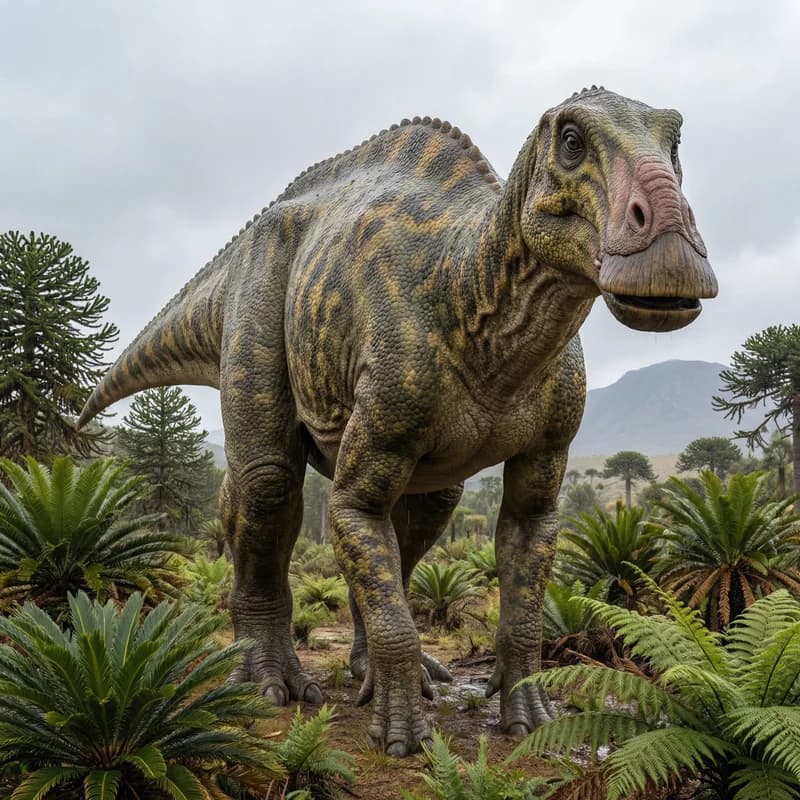
Shantungosaurus
Shantungosaurus giganteus
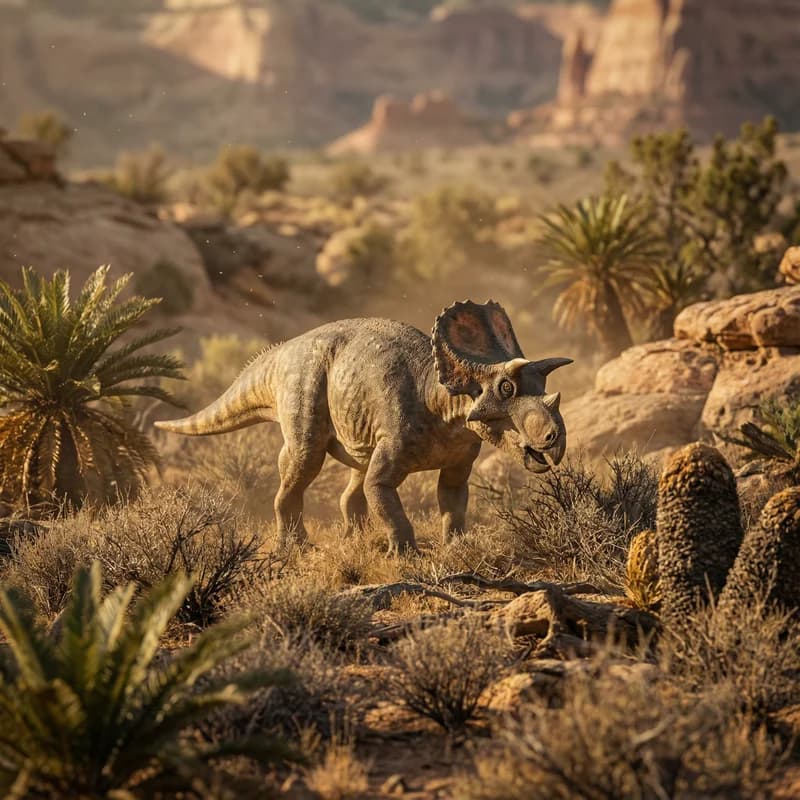
Zuniceratops
Zuniceratops christopheri
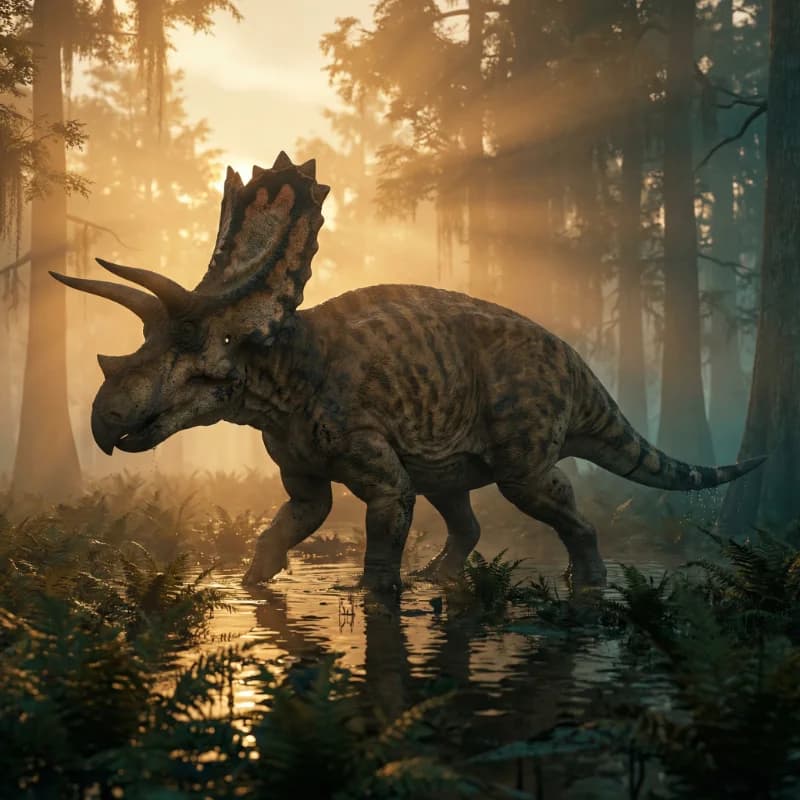
Pentaceratops
Pentaceratops sternbergii