Polacanthus
Cretaceous Period Herbivore Creature Type
Polacanthus foxii
Scientific Name: "Polacanthus: from Ancient Greek polys (πολύς, 'many') + akantha (ἄκανθα, 'thorn/spine') = 'many spines'; foxii: honouring the Reverend William Fox, who discovered the holotype fossil"
Local Name: Polacanthus
Physical Characteristics
Discovery
Habitat
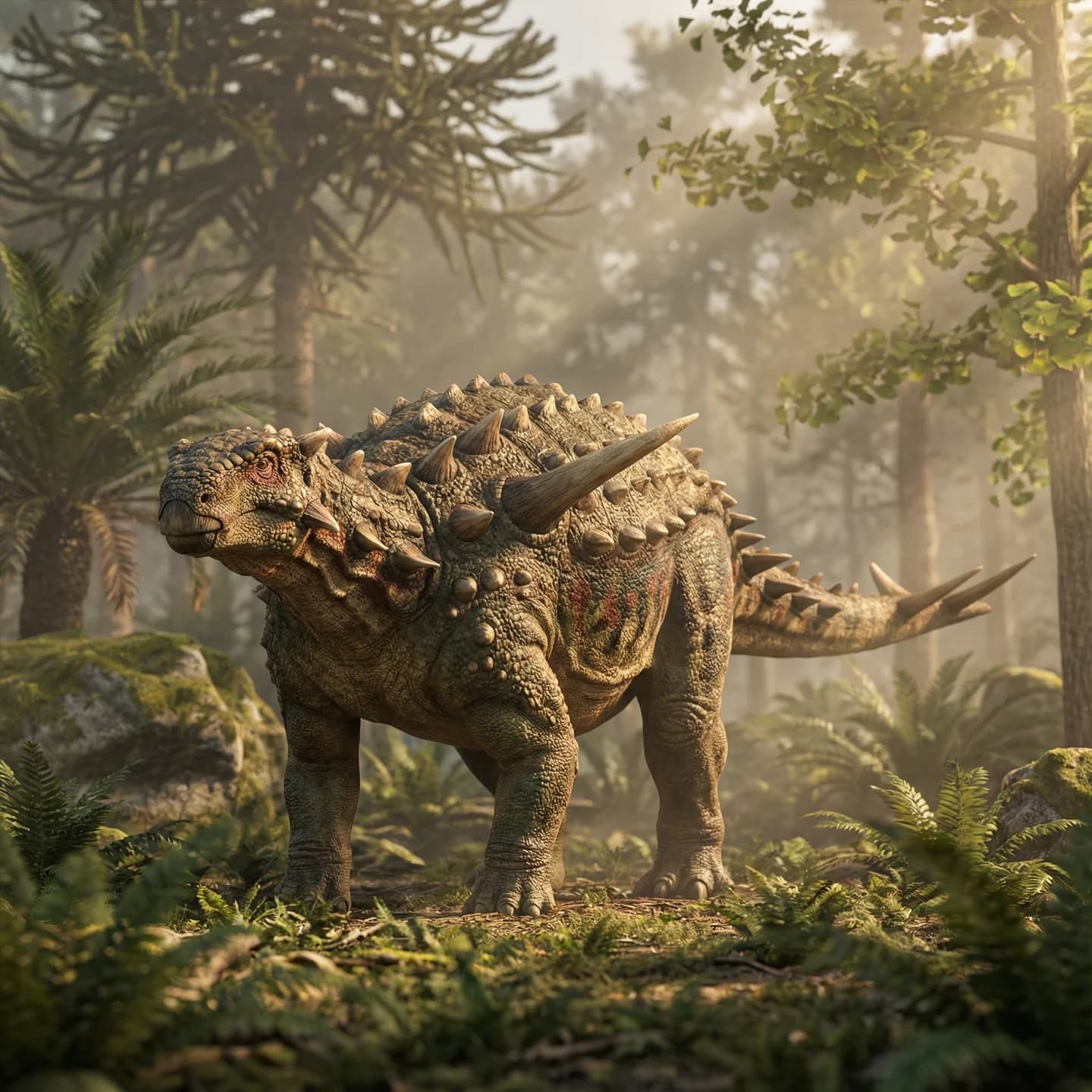
Polacanthus foxii (Owen vide Anonymous, 1865) is a medium-sized armoured dinosaur (Ankylosauria) from the Early Cretaceous (Barremian, approximately 130–125 Ma) of what is now the Isle of Wight, England. It belongs to the clade Thyreophora within Ornithischia and is most commonly placed within the subfamily Polacanthinae at the base of the family Nodosauridae. The generic name derives from the Ancient Greek polys (many) and akantha (thorn or spine), referencing the numerous large spikes adorning its body. The specific name foxii honours the Reverend William Fox (1813–1881), who discovered the holotype specimen in early 1865.
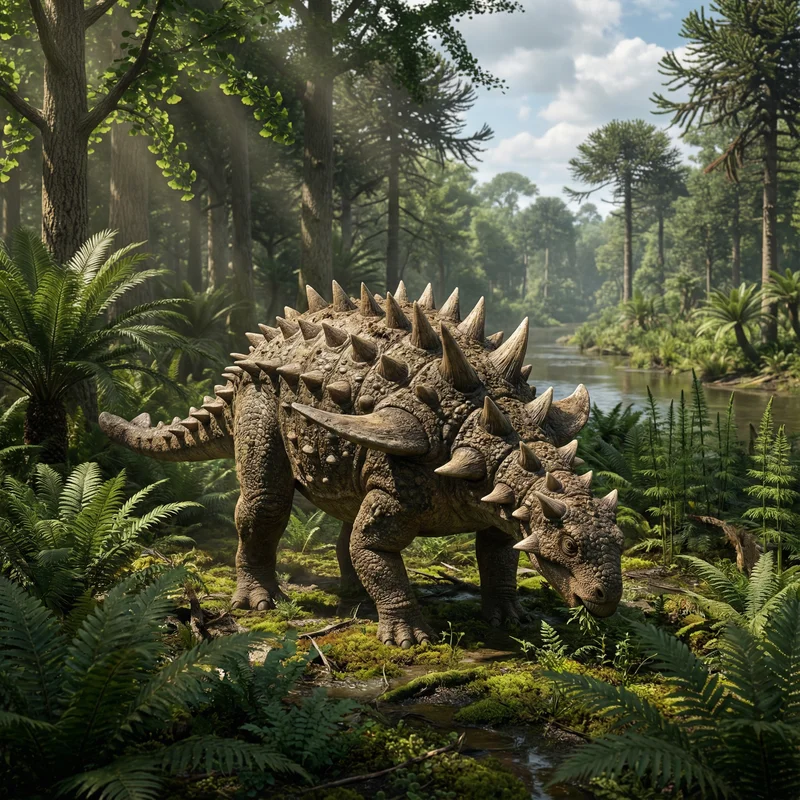
The most distinctive anatomical features of Polacanthus are the large conical spikes arranged along the back and flanks, and a fused dermal bone plate over the hips known as the sacral or pelvic shield. This pelvic shield is a shared derived character (synapomorphy) of polacanthine ankylosaurs, also observed in Gastonia and Mymoorapelta. In the holotype specimen (NHMUK PV R175), the pelvic shield measures approximately 108 cm wide and 90 cm long, featuring four horizontal rows of keeled osteoderms per side surrounded by smaller ossicles.
Notably, the skull of Polacanthus has never been found, and the fossil record for this taxon is limited. Several important anatomical features remain poorly understood. Body length is estimated at approximately 4–5 m, while mass estimates vary considerably between researchers, from roughly 227–454 kg (Holtz, 2012) to approximately 2 tonnes (Paul, 2010). A 2020 review by Raven et al. concluded that no additional specimens beyond the holotype can be confidently referred to Polacanthus, making it a taxon known from a single partial skeleton.
Overview
Name and Etymology
The generic name Polacanthus is derived from the Ancient Greek polys (πολύς, 'many') and akantha (ἄκανθα, 'thorn' or 'spine'), reflecting the numerous large dermal spikes on this dinosaur's body. The specific epithet foxii honours the Reverend William Fox, an amateur fossil collector and Anglican clergyman who discovered the holotype on the southwestern coast of the Isle of Wight at Barnes High in early 1865.
The naming history of Polacanthus is somewhat convoluted. Fox initially intended for his friend, the poet Alfred Tennyson, to name the dinosaur during a meeting on 23 July 1865 when the remains were shown to palaeontologist Richard Owen. Tennyson proposed "Euacanthus Vectianus", but this name was ultimately rejected. In September 1865, Fox reported on the find at a British Association meeting and attributed the name Polacanthus foxii to Owen — perhaps to circumvent the convention that an author should not name a taxon after himself. However, no corresponding 1865 publication by Owen exists, leading to confusion over authorship. Some authorities credit Thomas Huxley (1867) as the author of the name, while others cite Fox, Owen, or "Anonymous". The most widely used authorship citation today is "Owen vide Anonymous, 1865". The first detailed scientific description was published by John Whitaker Hulke in 1881.
Taxonomic Status
Polacanthus foxii is currently recognised as a valid taxon. Several species were formerly assigned to Polacanthus but have since been reclassified. Polacanthus rudgwickensis Blows, 1996 was separated into the distinct genus Horshamosaurus in 2015. Polacanthus marshi (= Hoplitosaurus) is no longer considered congeneric. In 1971, Coombs recombined P. foxii as Hylaeosaurus foxi, but this is an invalid nomen ex dissertatione from an unpublished PhD thesis. A possible synonymy between Polacanthus and Hylaeosaurus armatus has also been proposed but was rejected by Blows (1987) on the basis of differences in age and anatomy, though definitive resolution is hampered by limited overlapping elements in their holotypes.
Key Significance in One Sentence
Polacanthus is a cornerstone reference taxon for understanding Early Cretaceous European ankylosaur diversity and the evolution of the Polacanthinae.
Age, Stratigraphy, and Depositional Environment
Temporal Range
The holotype NHMUK PV R175 was recovered from the Upper Wessex Formation on the Isle of Wight, dating to the Barremian stage (approximately 126–125 Ma). The Wessex Formation as a whole spans the Berriasian to Barremian, though the exposed section on the Isle of Wight is primarily Hauterivian to Barremian. A radiometric date from the lower exposed portion of the formation yields an age of approximately 127.3 ± 2.7 Ma (Jacobs et al., 2023). The generally accepted temporal range for Polacanthus is therefore approximately 130–125 Ma (centred on the Barremian, with the Hauterivian possibly included).
Formation and Lithology
The Wessex Formation is part of the Wealden Group, deposited within the Wessex Basin. On the Isle of Wight, the dominant lithology is purple-red overbank mudstone with interbedded sandstones. A distinctive sedimentological feature is the occurrence of so-called "plant debris beds" — storm-induced sheet flood deposits consisting of basal matrix-supported conglomerates grading upward into grey mudstones rich in lignitic plant debris, including trunks of the extinct conifer Pseudofrenelopsis (Sweetman & Insole, 2010). Most vertebrate fossils within the formation are associated with these plant debris beds.
Palaeoenvironment
The depositional environment of the Wessex Formation is interpreted as a floodplain of high-sinuosity rivers within a narrow, east–west oriented valley (Insole & Hutt, 1994). The presence of pedogenic calcrete nodules within the mudstones indicates a semi-arid climate (Robinson et al., 2002). The palaeoenvironment has been compared to modern Mediterranean macchia or chaparral shrubland. Dominant trees belonged to the extinct conifer family Cheirolepidiaceae (Pseudofrenelopsis and Watsoniocladus), both with reduced xerophytic leaves adapted to arid conditions. Tree cover was likely thin and concentrated near waterways, while xerophytic ferns formed the ground cover. Preserved charred vegetation indicates that wildfires were common occurrences.
Specimens and Diagnostic Features
Holotype
The holotype NHMUK PV R175 was discovered by the Reverend William Fox at Barnes High on the southwestern coast of the Isle of Wight in early 1865. It is an incomplete postcranial skeleton lacking the skull, neck, forelimbs, and anterior armour. Preserved elements include dorsal vertebrae, a sacral rod of five dorsosacrals, most of the sacrum and pelvis, most of the left hindlimb, the right femur (approximately 55.5 cm long), 22 caudal vertebrae, ribs, chevrons, ossified tendons, a pelvic shield, 22 spikes, and numerous ossicles.
The specimen deteriorated rapidly after discovery. When Hulke first described it in detail in 1881, the dermal armour had almost entirely fallen apart. After Fox's death in 1881, his collection was acquired by the British Museum of Natural History. The specimen was reassembled there in 1882 by preparator Caleb Barlow using Canada balsam, enabling Hulke to redescribe it in 1887 with special attention to the armour arrangement. In 1905, Franz Nopcsa provided an illustration of a possible spike configuration when the specimen was mounted.
Diagnostic Features (Autapomorphies)
Raven et al. (2020) identified a single autapomorphy: the ischia curve toward each other at approximately mid-length, with their posterior ends touching at the medial surfaces. Barrett and Maidment (2011) had previously suggested two possible unique traits: (1) the floor of the neural canal is deeply incised by a groove with a V-shaped transverse profile; (2) the caudal spikes have triangular bases in lateral view and narrow points.
Additional Specimens and Their Limitations
A second partial skeleton, NHMUK R9293, was fully excavated by William T. Blows in 1979, having been partially collected since 1876. It is the first specimen to include skull elements, cervical vertebrae, and unequivocal anterior armour. However, the 2020 review by Raven et al. concluded that no additional specimens from the British Wealden Supergroup can be confidently referred to Polacanthus. A partial skeleton from Bexhill, Sussex (BEXHM 1999.34.1, Valanginian age), referred to Polacanthus by Blows and Honeysett (2014), was reassessed as Nodosauridae indeterminate by Raven et al. (2020). Remains from Spain (Soria, Morella) reported by Pereda-Suberbiola et al. (1999, 2007) as Polacanthus cf. foxii also require further evaluation.
| Specimen | Locality | Formation / Age | Preserved Elements | Referral Status |
|---|---|---|---|---|
| NHMUK PV R175 (holotype) | Barnes High, Isle of Wight | Upper Wessex Fm., Barremian | Dorsal vertebrae, sacrum, pelvis, hindlimbs, 22 caudals, pelvic shield, 22 spikes, ossicles | Valid (P. foxii) |
| NHMUK R9293 | Isle of Wight | Wessex Fm., Barremian | Skull elements, cervical vertebrae, anterior armour | Raven et al. (2020): indeterminate |
| BEXHM 1999.34.1 | Bexhill, Sussex | Wadhurst Clay Fm., Valanginian | Partial skeleton | Raven et al. (2020): Nodosauridae indet. |
| Soria specimens | Soria, Spain | Golmayo Fm., Hauterivian–Barremian | Dorsal vertebrae, ribs, pelvis, dermal armour | Pereda-Suberbiola et al. (2007): Polacanthus cf. foxii |
Morphology and Functional Anatomy
Body Size
Polacanthus was a medium-sized, quadrupedal ankylosaur. Size estimates vary among researchers due to the incompleteness of the holotype. Naish and Martill (2001) estimated a body length of approximately 5 m. Paul (2010) concurred with this length estimate and proposed a body mass of approximately 2 tonnes (2,000 kg). Holtz (2012), however, suggested a considerably smaller animal at approximately 4 m in length and 227–454 kg in mass. The disparity reflects the significant uncertainty inherent in reconstructing body proportions from an incomplete specimen. A reasonable composite range is 4–5 m in length and approximately 500–2,000 kg in mass.
Armour
The reconstruction of Polacanthus's armour has been debated since the original description.
Pelvic shield (sacral shield): Hulke (1881, 1887) described a single fused sheet of dermal bone covering the hips. This shield was probably not directly attached to the underlying skeleton and was decorated with tubercles. In the holotype, the shield measures approximately 108 cm wide and 90 cm long, with four horizontal rows of keeled osteoderms per side, surrounded by smaller ossicles that are sometimes completely fused to form flat armour plates. This feature is shared with other polacanthine ankylosaurs such as Gastonia and Mymoorapelta.
Spikes: Hulke originally assumed that a set of spikes found with the fossil adorned the sides of the rump, with two rows of keeled osteoderms per side on the tail. Nopcsa (1905) proposed a different arrangement in which both the anterior body (including the neck) and the tail bore two parallel rows of spikes — one per side — with five spikes per row on the anterior body and 22 shorter pairs on the tail. Blows (1987) broadly agreed with Nopcsa's interpretation but further distinguished three spike morphotypes (Type A, B, and C), allowing classification of additional fossil finds. The asymmetry of the spikes permits approximate determination of their left or right position.
Limb Structure
The hindlimbs of Polacanthus are relatively long for an ankylosaur. The holotype right femur measures approximately 55.5 cm in length. The animal was obligately quadrupedal. Information about the forelimbs is extremely limited, as they are entirely absent from the holotype.
Skull
The skull of Polacanthus is unknown from the holotype. Some cranial elements were reported in NHMUK R9293, but the confident referral of that specimen to Polacanthus is now in question (Raven et al., 2020). Consequently, the cranial morphology of Polacanthus remains effectively unknown, and published reconstructions of the head rely on extrapolation from related taxa such as Gastonia.
Diet and Ecology
Diet
Polacanthus was herbivorous. Like other nodosaurids, it presumably bore small, leaf-shaped teeth suited for low-browse vegetation. Given that the Wessex Formation palaeoenvironment was a semi-arid floodplain, the primary food sources likely included xerophytic ferns and riparian vegetation. However, because the holotype lacks both the skull and teeth, no direct evidence of dietary preference (e.g. tooth microwear, gut contents) is available for this taxon.
Ecological Niche and Coexisting Fauna
The Wessex Formation has yielded a remarkably diverse dinosaur fauna alongside Polacanthus. Key coexisting taxa include the ornithopods Hypsilophodon foxii, Iguanodon bernissartensis, Mantellisaurus atherfieldensis, Brighstoneus simmondsi, and Comptonatus chasei; the theropod predators Neovenator salerii (a carcharodontosaurian), Ceratosuchops inferodios and Riparovenator milnerae (spinosaurids, formerly attributed to Baryonyx), and Eotyrannus lengi (a tyrannosauroid); as well as the recently described ankylosaur Vectipelta barretti (Pond et al., 2023). Vectipelta derives from a horizon approximately 6–8 million years older than Polacanthus and was found to be more closely related to certain Chinese ankylosaurs than to Polacanthus. It is important to note that the Wessex Formation spans several million years of deposition, and not all reported taxa were necessarily contemporaneous.
Inferred Defensive Behaviour
The large conical spikes and fused pelvic shield are clearly interpreted as defensive adaptations. The spikes would have served as a passive deterrent against predator attack, while the pelvic shield protected the back and hip region from biting. Unlike ankylosaurids such as Ankylosaurus, Polacanthus lacked a tail club; its defensive strategy apparently relied on passive armour rather than active striking weapons.
Distribution and Palaeogeography
Geographic Distribution
The only specimen confidently assigned to Polacanthus foxii is the holotype from the Wessex Formation of the Isle of Wight, England (based on the 2020 review by Raven et al.). Additional material from Bexhill, Sussex (Wadhurst Clay Formation, Valanginian) and from Spain (Soria and Castellón) has been referred to Polacanthus cf. foxii or classified as indeterminate nodosaurid, and its assignment remains debated.
Palaeogeography
During the Early Cretaceous, the Isle of Wight was situated considerably farther south than its present position, at a palaeolatitude of approximately 32–35°N — within a subtropical latitude belt. Europe at this time was undergoing rifting and was fragmented by shallow seaways into multiple islands and peninsulas. However, some land bridges persisted, connecting areas such as the Iberian Peninsula, which may account for the presence of similar polacanthine material reported from Spain.
Phylogeny and Taxonomic Debate
Phylogenetic Position of Polacanthus
Fox (1865) originally placed Polacanthus simply within Dinosauria. Huxley (1870) and Hulke (1881) assigned it to the Scelidosauridae. In 1978, Coombs placed it within Nodosauridae as part of a broader Ankylosauria. Carpenter et al. (1996) refined this placement by establishing the subfamily Polacanthinae.
Two Major Hypotheses
Hypothesis 1 — Basal Nodosauridae (Polacanthinae within Nodosauridae): In the phylogenetic analysis of Thompson, Parish, Maidment & Barrett (2012), Polacanthus was recovered within Polacanthinae as part of the basal radiation of Nodosauridae, alongside Gastonia, Gargoyleosaurus, and Hoplitosaurus. The analysis of Arbour & Currie (2016) also supported the placement of Polacanthinae at the base of Nodosauridae.
Hypothesis 2 — Independent Polacanthidae: An alternative hypothesis, first proposed by Ford (2000), posits that polacanthines form an independent family (Polacanthidae) branching below the Nodosauridae + Ankylosauridae node. While this hypothesis has received some support in certain analyses, the majority of recent studies favour the nodosaurid placement.
Recent Developments
The 2020 review of Wealden ankylosaurs by Raven et al. and the 2023 description of Vectipelta barretti (Pond et al.) have demonstrated that Early Cretaceous European ankylosaur diversity was considerably greater than previously recognised. For 142 years, virtually all ankylosaur remains from the Isle of Wight had been assigned to Polacanthus, but it is now acknowledged that at least two or three distinct ankylosaur taxa were present.
Reconstruction and Uncertainty
What Is Established
The following are well-supported by the fossil evidence: Polacanthus was a medium-sized, quadrupedal armoured dinosaur; it possessed a fused pelvic shield and numerous conical dermal spikes; it derives from the Wessex Formation (Barremian) of the Isle of Wight. The distinctive curvature of the ischia identified by Raven et al. (2020) constitutes the sole confirmed autapomorphy.
What Remains Uncertain
The cranial morphology is entirely unknown, meaning all head reconstructions are extrapolated from related taxa (Gastonia, etc.). The precise arrangement and number of spikes has been debated for over a century, with Hulke, Nopcsa, and Blows each proposing different configurations, and no consensus has been reached. The wide range of body mass estimates (approximately 227 kg to 2,000 kg) further reflects substantial uncertainty in body proportions.
Common Misconceptions in Popular Media
Polacanthus is frequently depicted with a tail club similar to that of Ankylosaurus, but no such structure has been identified in its fossil record. Additionally, it is sometimes described as belonging to an independent family "Polacanthidae", though the prevailing classification places it within Nodosauridae. Some media also incorrectly categorise Polacanthus as a theropod (meat-eater), when it is in fact a thyreophoran (armoured herbivore).
Comparison with Related and Contemporary Taxa
| Taxon | Age | Locality | Length (m) | Pelvic Shield | Tail Club | Family/Subfamily |
|---|---|---|---|---|---|---|
| Polacanthus foxii | Barremian (~130–125 Ma) | England | 4–5 | Present | Absent | Nodosauridae, Polacanthinae |
| Gastonia burgei | Barremian (~126 Ma) | Utah, USA | 4–5 | Present | Absent | Nodosauridae, Polacanthinae |
| Hylaeosaurus armatus | Valanginian (~137 Ma) | England | ~5 | Uncertain | Absent | Nodosauridae (?) |
| Vectipelta barretti | Barremian (~131 Ma) | England | Uncertain | Uncertain | Absent | Nodosauridae (?) |
| Ankylosaurus magniventris | Maastrichtian (~68–66 Ma) | North America | 6–8 | Absent | Present | Ankylosauridae |
| Sauropelta edwardsorum | Aptian–Albian (~115–100 Ma) | USA | 5–6 | Absent | Absent | Nodosauridae |
Fun Facts
FAQ
📚References
- Hulke, J. W. (1881). "Polacanthus foxii, a large undescribed dinosaur from the Wealden Formation in the Isle of Wight." Philosophical Transactions of the Royal Society of London, 172: 653–662. https://doi.org/10.1098/rstl.1881.0015
- Hulke, J. W. (1887). "Supplemental Note on Polacanthus Foxii, Describing the Dorsal Shield and Some Parts of the Endoskeleton, Imperfectly Known in 1881." Philosophical Transactions of the Royal Society of London B, 178: 169–172.
- Blows, W. T. (1987). "The armoured dinosaur Polacanthus foxi, from the Lower Cretaceous of the Isle of Wight." Palaeontology, 30(3): 557–580.
- Nopcsa, F. (1905). "Notes on British dinosaurs. Part II. Polacanthus." Geological Magazine, 2: 241–250.
- Blows, W. T. (2001). "Dermal Armor of Polacanthine Dinosaurs." In: Carpenter, K. (ed.), The Armored Dinosaurs. Indiana University Press, pp. 363–385.
- Martill, D. M. & Naish, D. (2001). "Armoured dinosaurs: thyreophorans." In: Martill, D. M. & Naish, D. (eds.), Dinosaurs of the Isle of Wight. The Palaeontological Association, London, pp. 147–184.
- Paul, G. S. (2010). The Princeton Field Guide to Dinosaurs. Princeton University Press, p. 229.
- Holtz, T. R. Jr. (2012). Dinosaurs: The Most Complete, Up-to-Date Encyclopedia for Dinosaur Lovers of All Ages. Appendix.
- Barrett, P. M. & Maidment, S. C. R. (2011). "Wealden armoured dinosaurs." In: Batten, D. J. (ed.), English Wealden Fossils. Palaeontological Association, Field Guides to Fossils 14.
- Raven, T. J., Barrett, P. M., Pond, S. B. & Maidment, S. C. R. (2020). "Osteology and Taxonomy of British Wealden Supergroup (Berriasian–Aptian) Ankylosaurs (Ornithischia, Ankylosauria)." Journal of Vertebrate Paleontology. DOI: 10.1080/02724634.2020.1826956
- Thompson, R. S., Parish, J. C., Maidment, S. C. R. & Barrett, P. M. (2012). "Phylogeny of the ankylosaurian dinosaurs (Ornithischia: Thyreophora)." Journal of Systematic Palaeontology, 10(2): 301–312.
- Blows, W. T. & Honeysett, K. (2014). "First Valanginian Polacanthus foxii (Dinosauria, Ankylosauria) from England, from the Lower Cretaceous of Bexhill, Sussex." Proceedings of the Geologists' Association, 125: 233–251.
- Pereda-Suberbiola, X., Fuentes, C., Meijide, M., Meijide-Fuentes, F. & Meijide-Fuentes, M. J. (2007). "New remains of the ankylosaurian dinosaur Polacanthus from the Lower Cretaceous of Soria, Spain." Cretaceous Research, 28: 583–596.
- Pond, S. B., Sherlock, E., Page, T. & Sherlock, J. (2023). "Vectipelta barretti, a new ankylosaurian dinosaur from the Lower Cretaceous Wessex Formation of the Isle of Wight, UK." Journal of Systematic Palaeontology, 21(1): 2210577. DOI: 10.1080/14772019.2023.2210577
- Sweetman, S. C. & Insole, A. N. (2010). "The plant debris beds of the Early Cretaceous (Barremian) Wessex Formation of the Isle of Wight, southern England: their genesis and palaeontological significance." Palaeogeography, Palaeoclimatology, Palaeoecology, 292(3–4): 409–424.
- Robinson, S. A., Andrews, J. E., Hesselbo, S. P., Radley, J. D., Dennis, P. F., Harding, I. C. & Allen, P. (2002). "Atmospheric pCO2 and depositional environment from stable-isotope geochemistry of calcrete nodules (Barremian, Lower Cretaceous, Wealden Beds, England)." Journal of the Geological Society, 159(2): 215–224.
- Insole, A. N. & Hutt, S. (1994). "The palaeoecology of the dinosaurs of the Wessex Formation (Wealden Group, Early Cretaceous), Isle of Wight, Southern England." Zoological Journal of the Linnean Society, 112(1–2): 197–215.
- Carpenter, K., Kirkland, J. I., Miles, C., Cloward, K. & Burge, D. (1996). "Evolutionary significance of new ankylosaurs (Dinosauria) from the Upper Jurassic and Lower Cretaceous, Western Interior." Journal of Vertebrate Paleontology, 16(3, supplement): 25A.
- Blows, W. T. (2015). British Polacanthid Dinosaurs – Observations on the History and Palaeontology of the UK Polacanthid Armoured Dinosaurs and their Relatives. Siri Scientific Press, 220 pp.
- Coombs, W. P. (1978). "The families of the ornithischian dinosaur order Ankylosauria." Palaeontology, 21(1): 143–170.
Gallery
5 images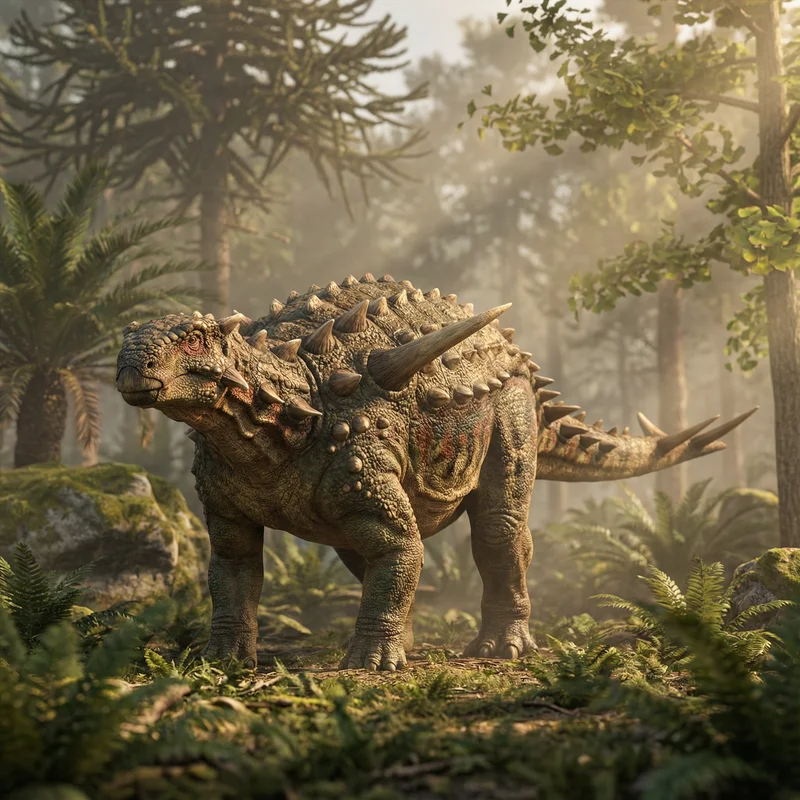 Polacanthus
Polacanthus · Cretaceous Period · Herbivore
 Polacanthus
Polacanthus · Cretaceous Period · Herbivore
 Polacanthus
Polacanthus · Cretaceous Period · Herbivore
 Polacanthus
Polacanthus · Cretaceous Period · Herbivore
 Polacanthus
Polacanthus · Cretaceous Period · Herbivore
🔗Related Creatures
Therizinosaurus
Therizinosaurus cheloniformis
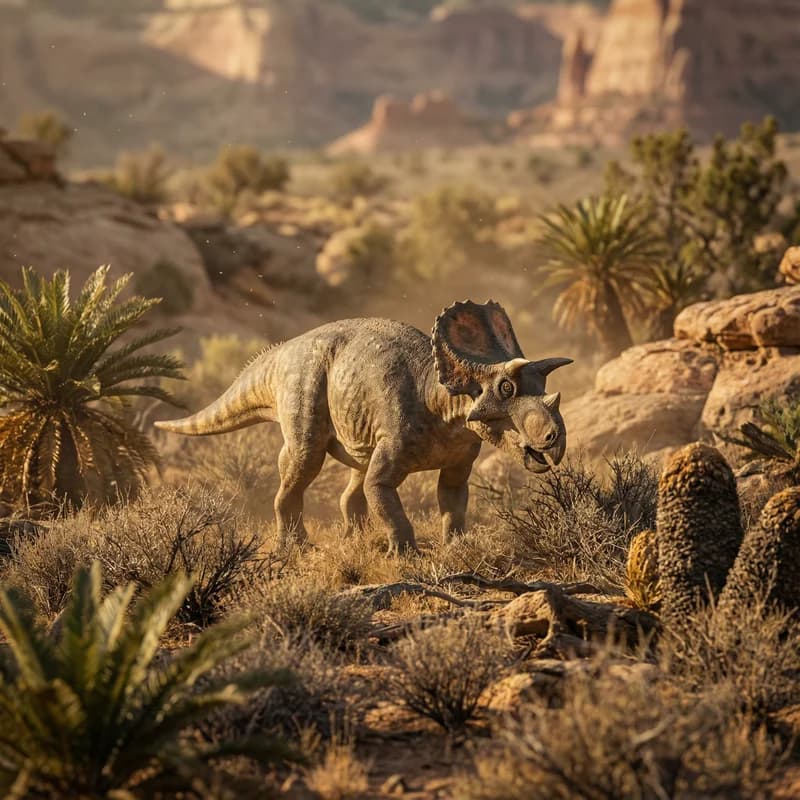
Zuniceratops
Zuniceratops christopheri

Ankylosaurus
Ankylosaurus magniventris
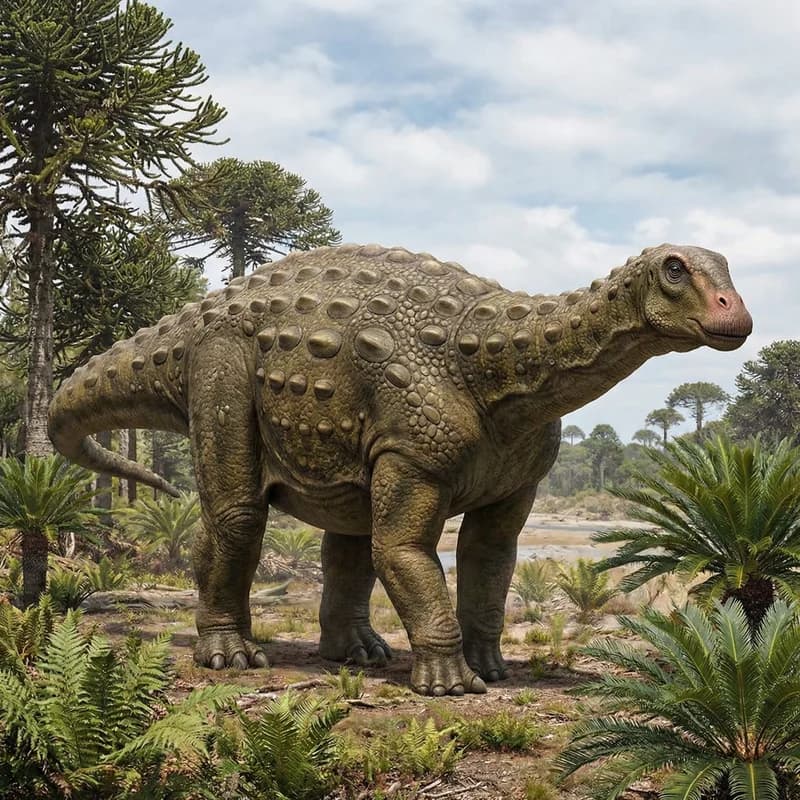
Saltasaurus
Saltasaurus loricatus
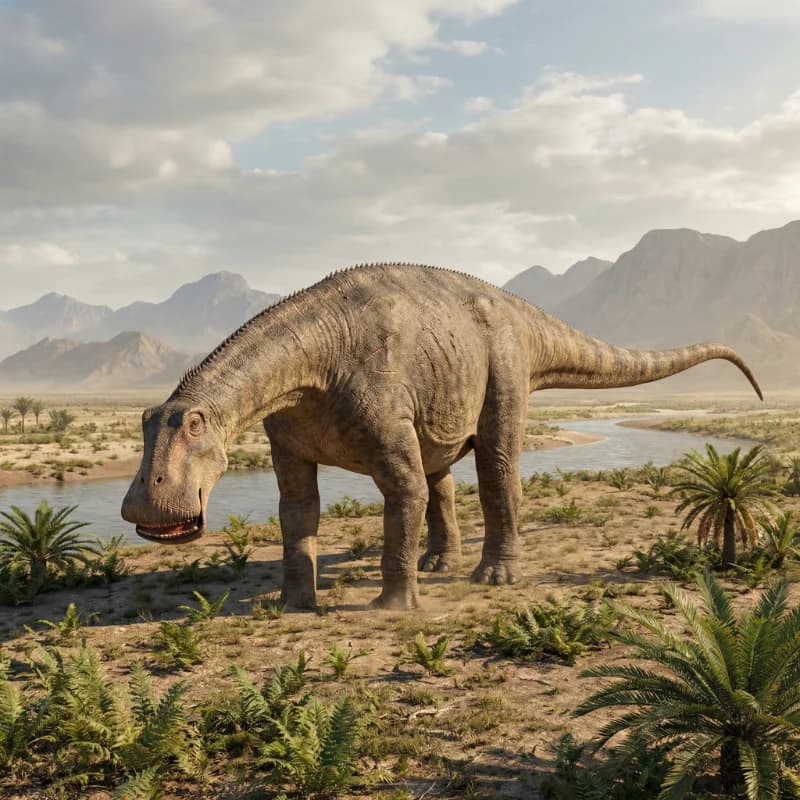
Nigersaurus
Nigersaurus taqueti

Gastonia
Gastonia burgei

Regaliceratops
Regaliceratops peterhewsi
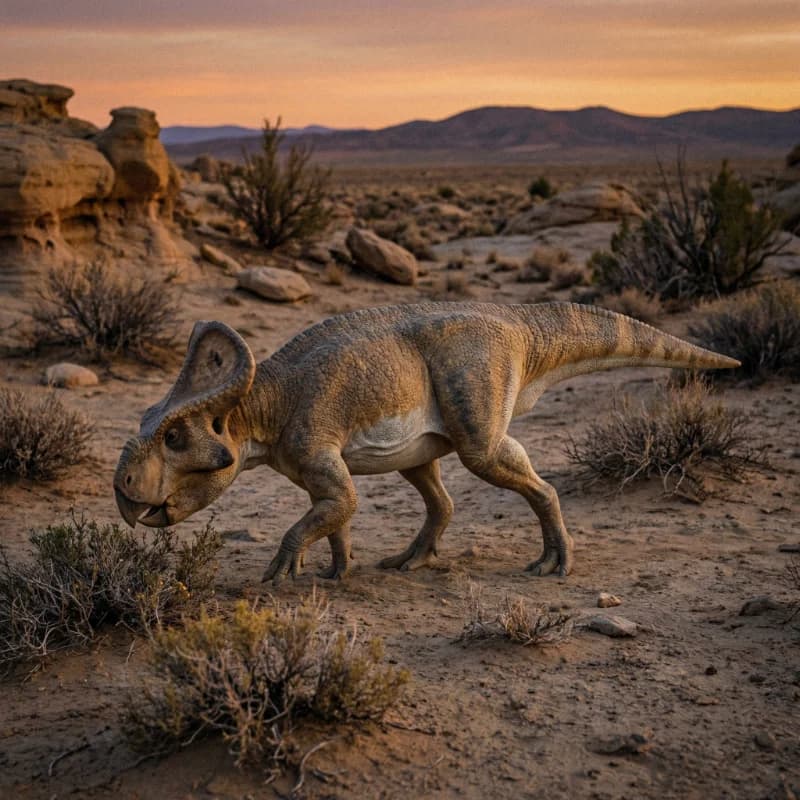
Protoceratops
Protoceratops andrewsi